Nov 14, 2025
Document AI: The Next Evolution of Intelligent Document ProcessingPersona
Industry
Use cases
OCR Financial Documents
[ OCR Financial Documents ]

Use LlamaParse to turn statements and invoices into clean JSON with citations and confidence scores.
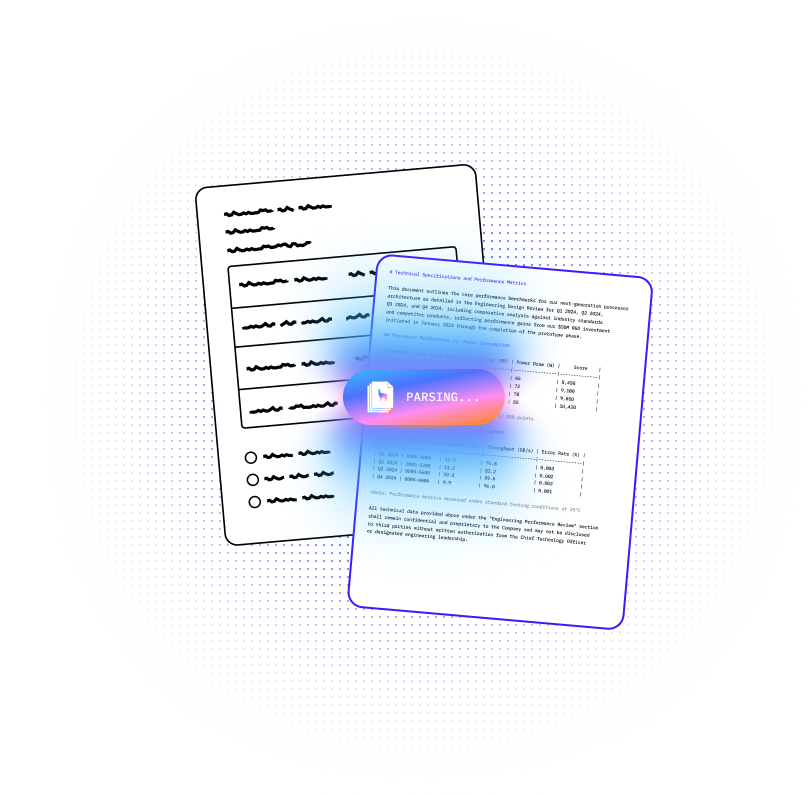
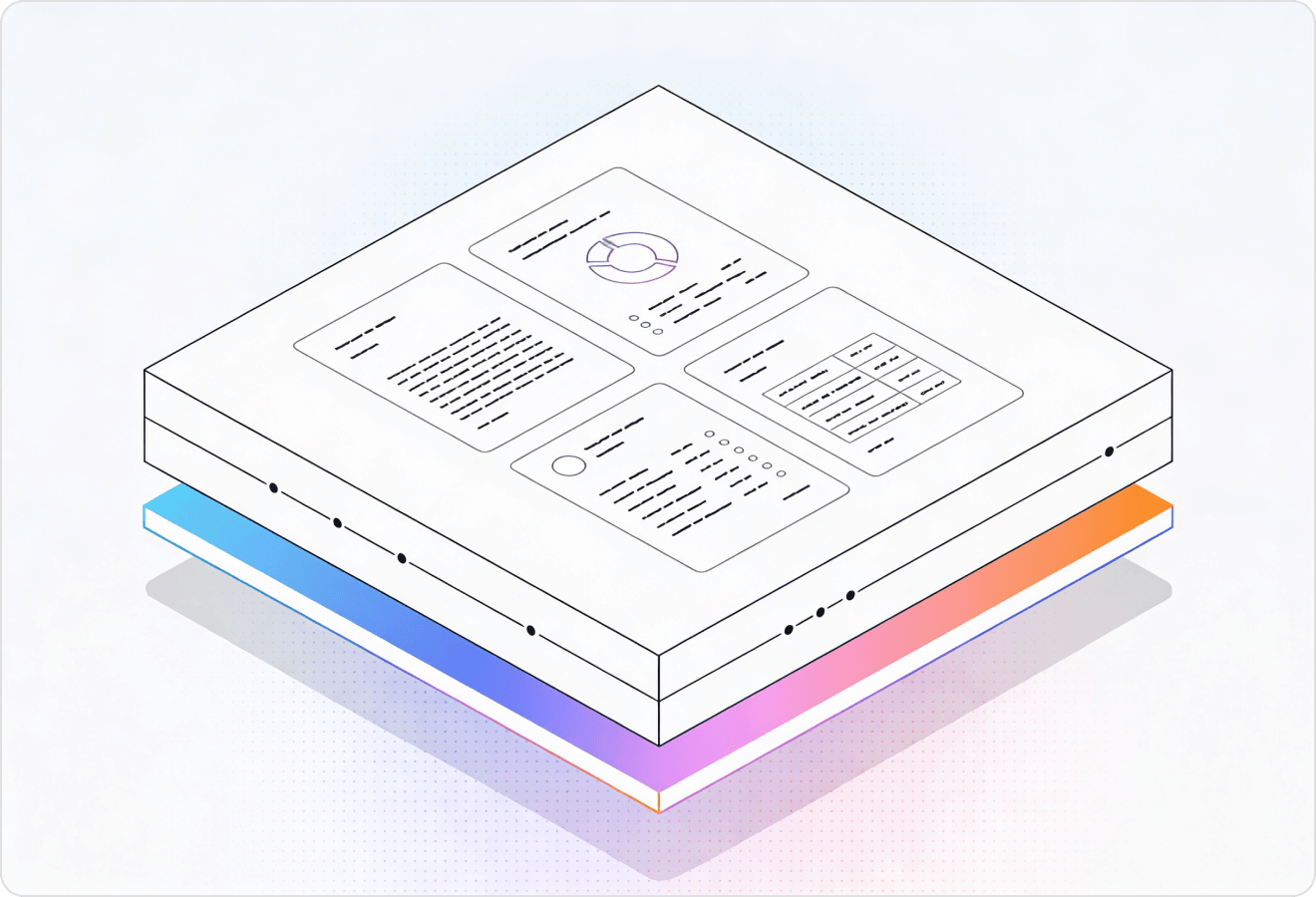

LlamaParse turns statements, invoices, and filings into clean, structured data your models can actually use, without brittle rules or manual cleanup. It reads layout, tables, and embedded visuals with validation loops and citations, so finance teams can trust downstream automation.
Best-in-Class Accuracy

Turn bank statements, invoices, and expense receipts into clean JSON with citations so your underwriting, spend controls, or reconciliation logic can ship without brittle post-processing. LlamaParse preserves tables and reading order across messy uploads, reducing manual QA and helping small teams hit straight-through processing targets earlier.

Extract line-item charges, taxes, and payee details from repair invoices and loss documentation while keeping complex tables intact for fast, consistent claim decisions. LlamaParse adds confidence scores and page-level traceability so adjusters can review exceptions quickly instead of rekeying data.

Automate AP and CAM reconciliations by parsing vendor invoices, utility bills, and tenant ledgers into structured outputs that match your accounting schema. LlamaParse handles multi-page statements and scattered totals, preventing misallocated charges that create tenant disputes and month-end delays.

Match purchase orders, invoices, and packing slips by extracting SKU-level line items and quantities from dense tables and multi-column layouts without custom template work. LlamaParse flags inconsistencies via validation loops, reducing duplicate payments and enabling faster three-way match approvals..
The Solution
01
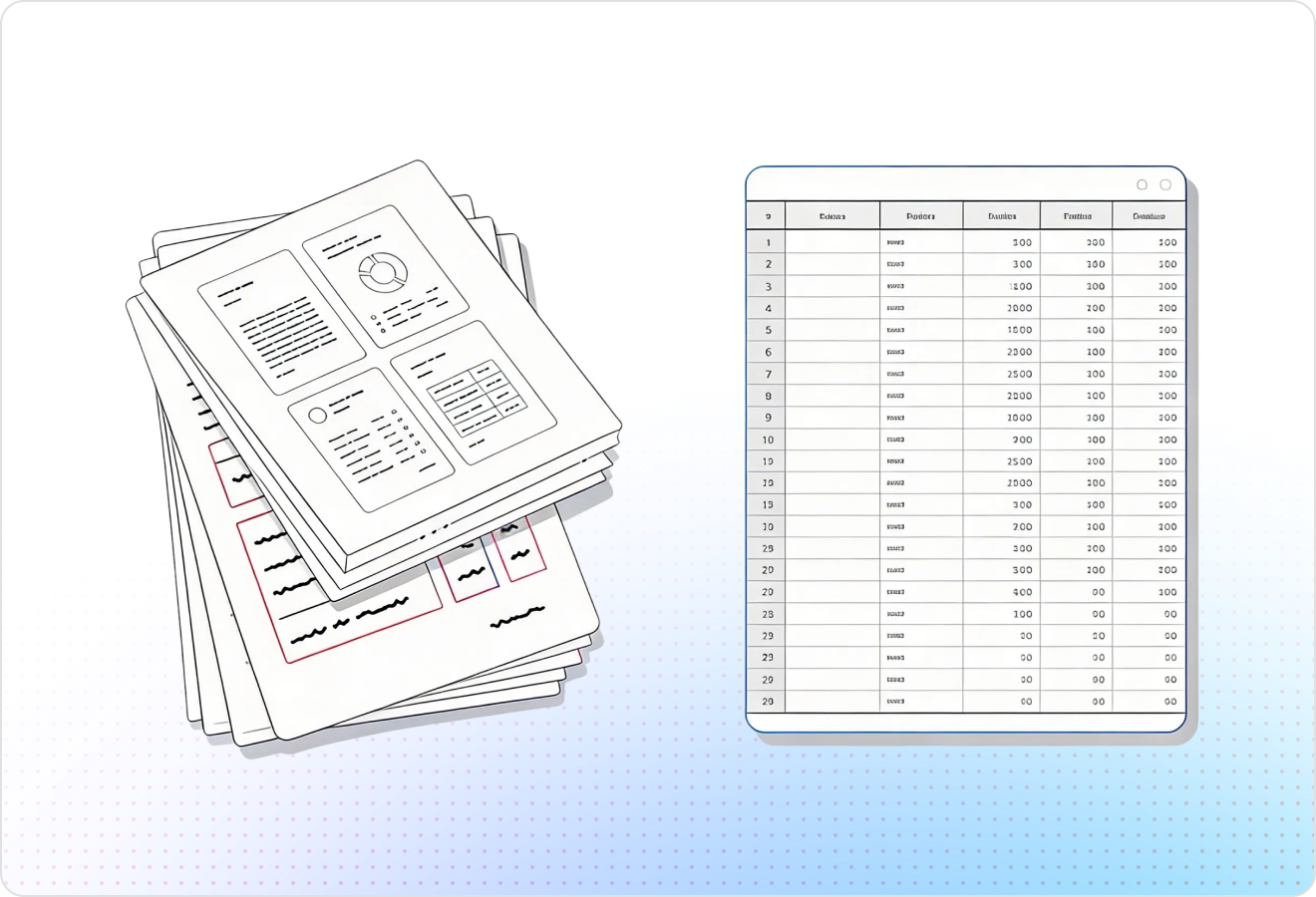
LlamaParse understands page structure so multi-column statements, footnotes, and nested tables don’t get scrambled during parsing. That means clean extraction of line items, totals, and account breakdowns from bank statements, invoices, and financial reports.
02
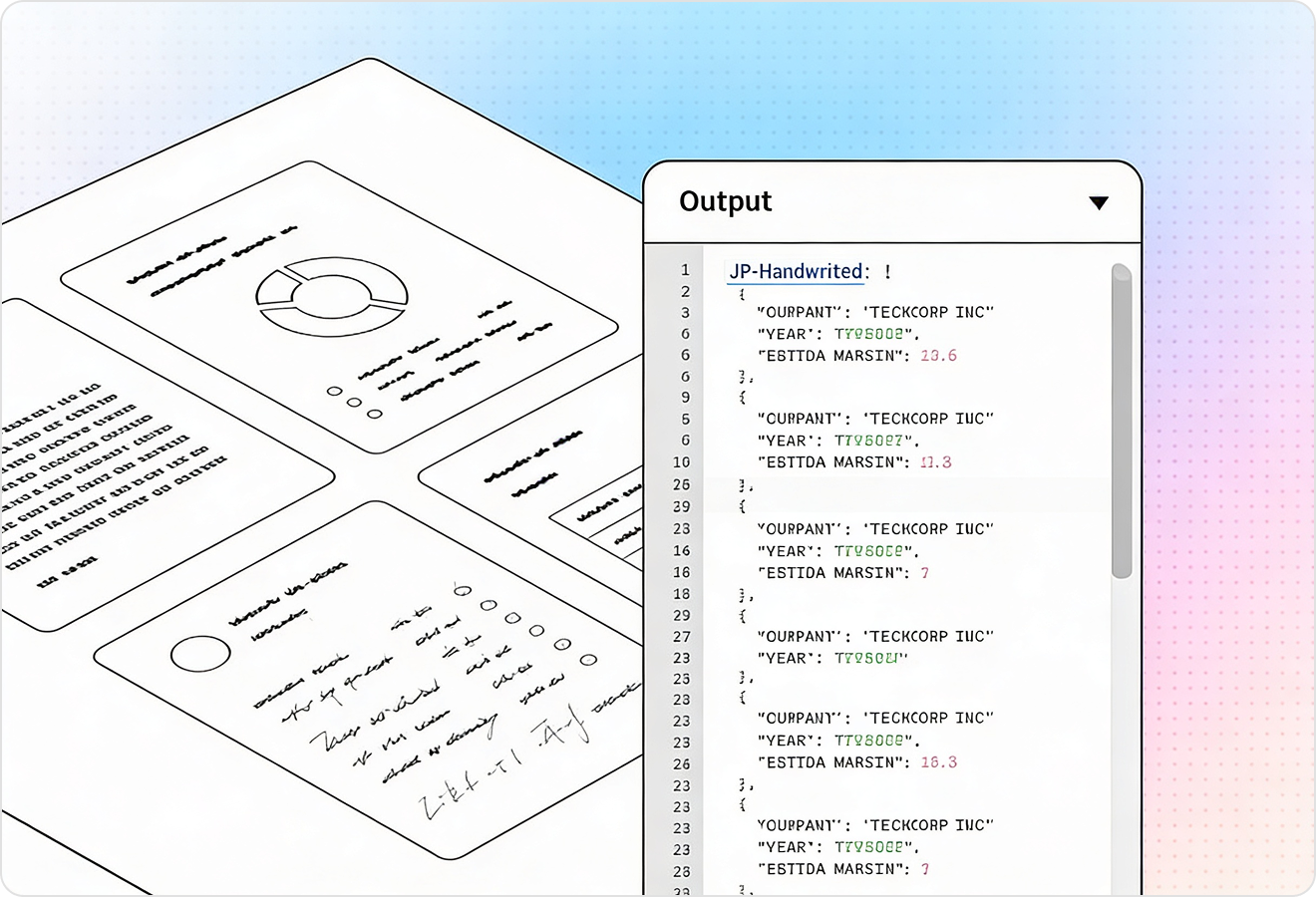
Return AI-ready JSON that’s consistent enough to map directly into your ledger, ERP, or reconciliation pipelines. For financial documents, this reduces downstream cleaning and makes it easy to validate fields like dates, amounts, and vendor identifiers programmatically.
03
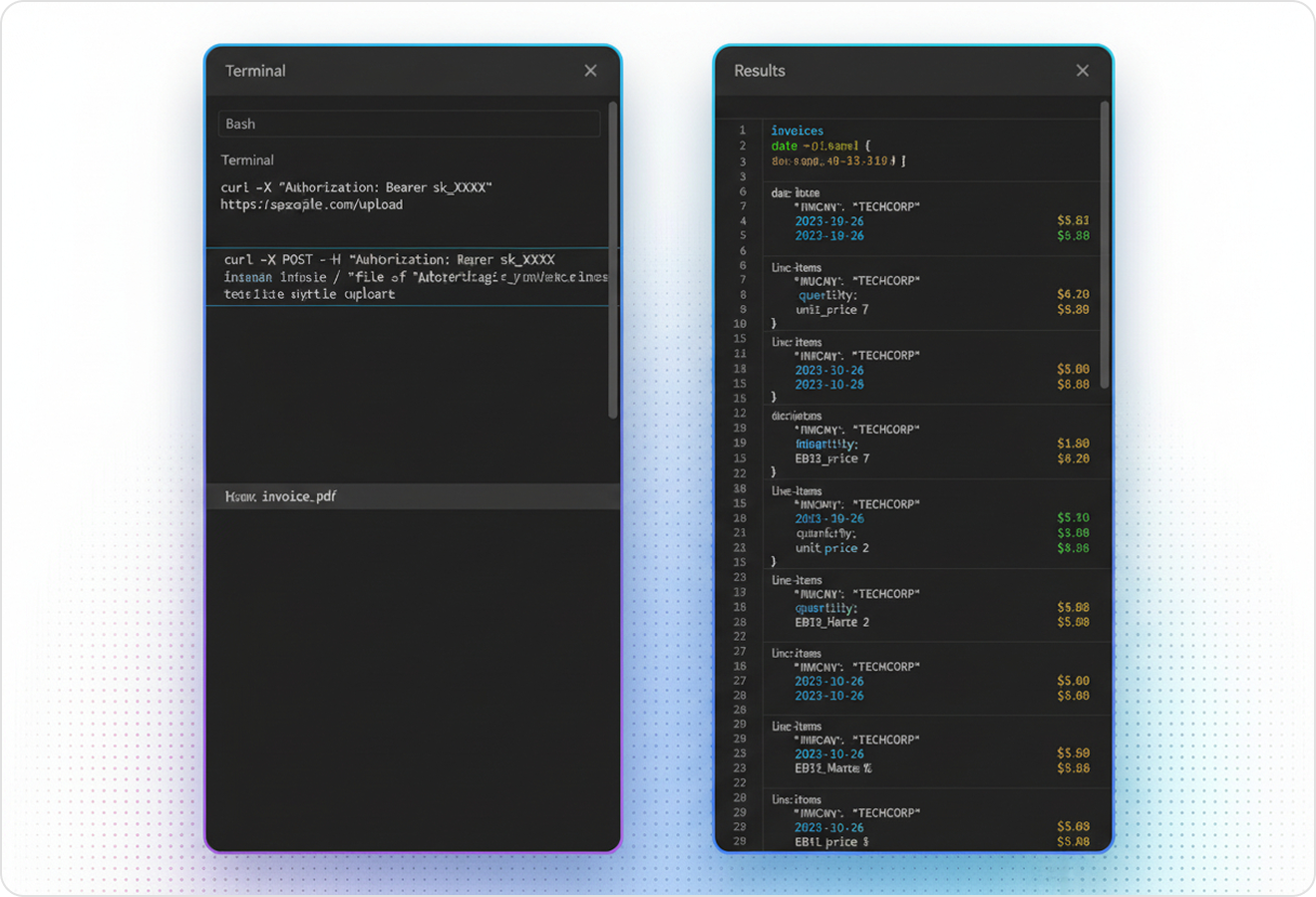
Every extracted element can include page references and spatial metadata so you can trace numbers back to their exact location in the source PDF. This supports auditability for financial OCR workflows and makes human review faster when exceptions occur.
04
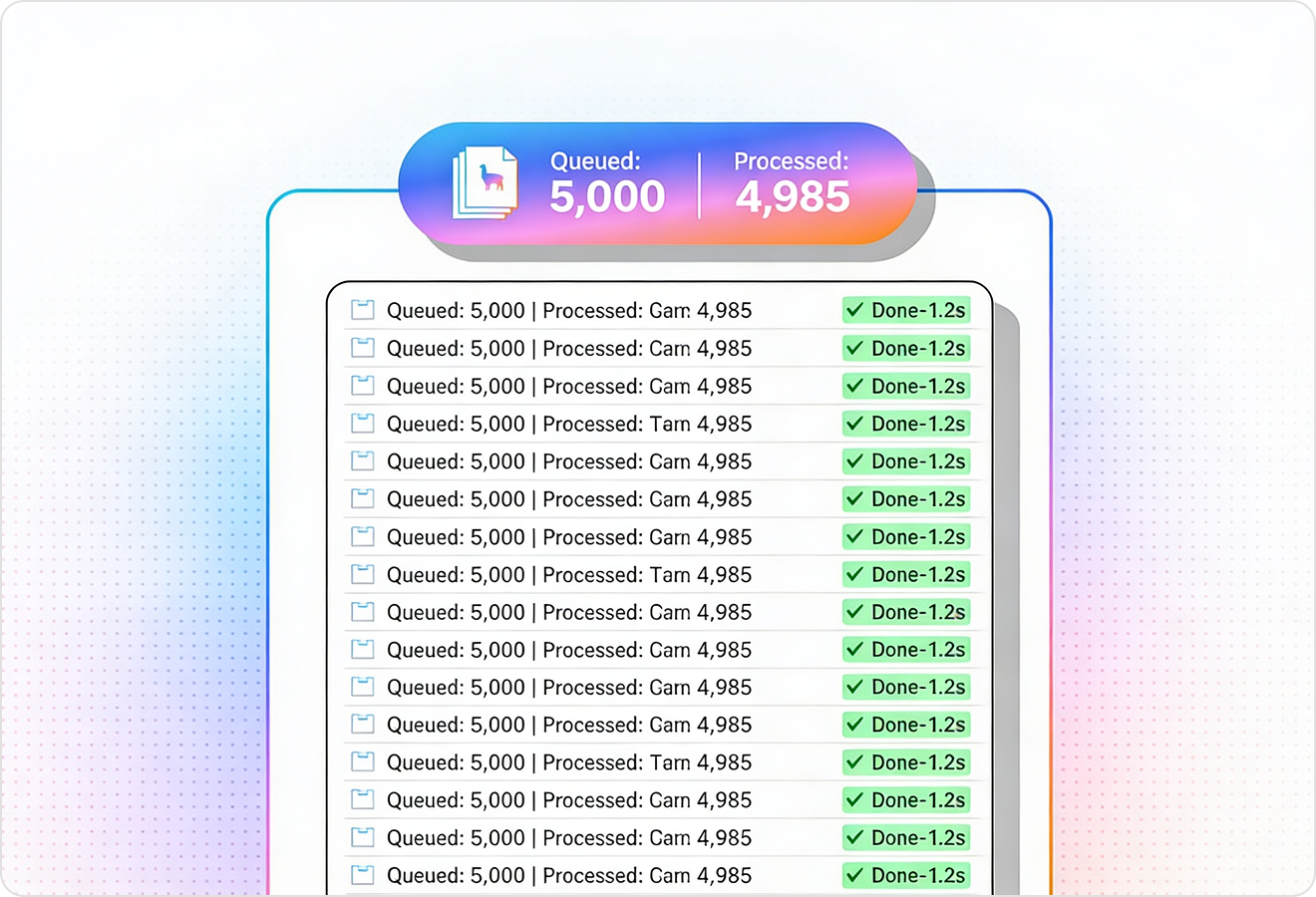
LlamaParse uses agentic self-checks to catch common extraction failures like misread digits, broken tables, or inconsistent totals before results are returned. For financial documents, that increases straight-through processing and reduces costly reconciliation errors.
Technical OCR documentation
Explore our developer guides to easily connect your document pipelines to LlamaParse.
Explore the documentation
Our AI catches the typos that tired eyes miss.

Export to Excel, JSON, XML, or directly via API.

SOC2 Type II compliant with end-to-end encryption.

Train the tool on your specific forms in minutes, not days.

Average processing time of <3 seconds per page.
LlamaParse’s support of a wide variety of filetypes and its accuracy of parsing made it the best tool we tested in our evaluations. The LlamaIndex team was very responsive and we were off to the races within a day.
Common FAQs
01
Layout-aware table capture preserves page structure, so columns, footnotes, and nested tables don’t get merged or reordered. You get clean line items, totals, and account breakdowns that match the original statement—without manual reformatting.
02
Structured JSON Output Mode returns consistent, machine-ready JSON designed for downstream systems. That makes it straightforward to validate and map fields like dates, amounts, vendors, and account IDs with minimal cleanup.
03
Yes—each extracted element can include verifiable metadata such as page references and spatial coordinates. This makes audits and exception handling faster because reviewers can jump directly to the exact location in the PDF.
04
How do you prevent common OCR errors like misread digits or totals that don’t add up?
Auto Correction Validation Loops run self-checks to catch issues like broken tables, digit substitutions, and inconsistent totals before results are returned. This reduces reconciliation errors and increases straight-through processing for high-volume workflows.
05
What happens when the document format changes or includes unexpected sections and footnotes?
Because parsing is layout-aware, the system adapts to real-world variations like added footnotes, shifted columns, or new table sections. You get stable, structured outputs even when templates aren’t perfectly consistent.
06
How much human review will we still need for financial documents?
Most teams use human review only for flagged exceptions, not every document, thanks to built-in validation and traceable citations. You can focus reviewers where it matters while keeping the rest of the pipeline automated and auditable.