Nov 14, 2025
Document AI: The Next Evolution of Intelligent Document ProcessingPersona
Industry
Use cases
Immunization Record OCR
[ Immunization Record OCR ]

Use LlamaParse to extract vaccination dates, manufacturers, and lot numbers with verifiable confidence scores.
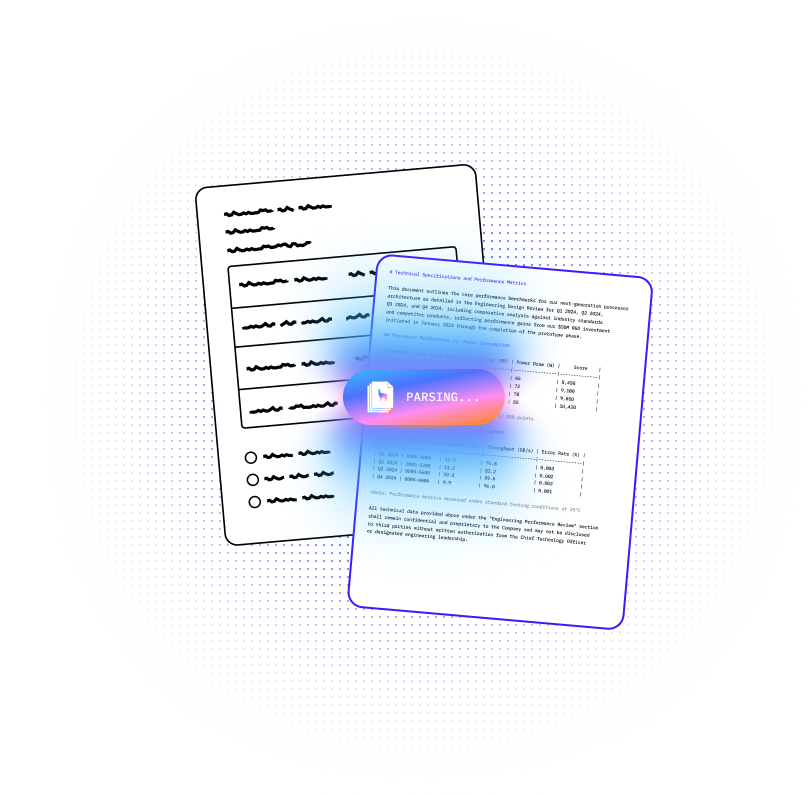
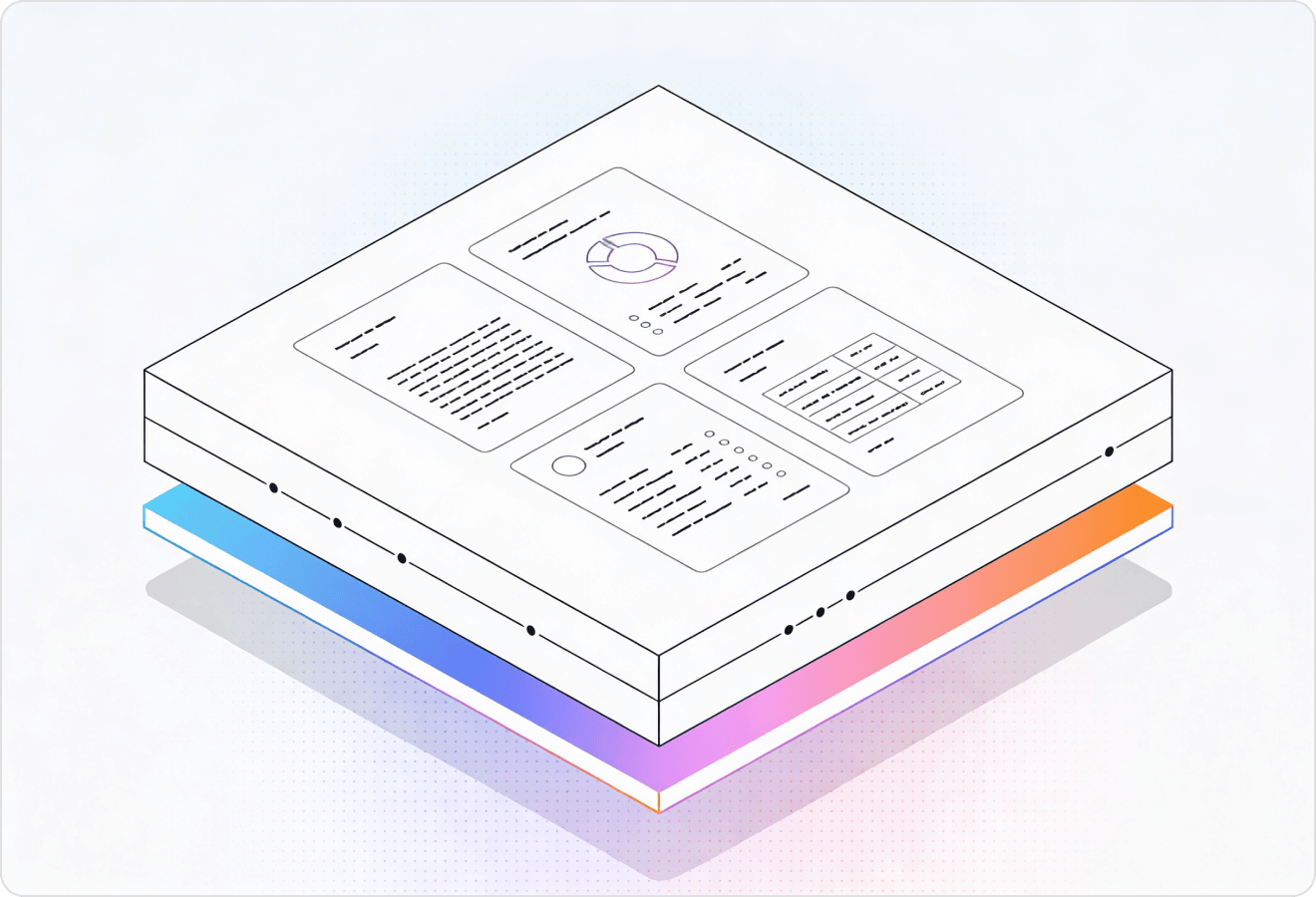
LlamaParse turns scanned immunization cards and clinic printouts into clean, structured fields like vaccine name, dose date, lot number, and provider. Agentic parsing cross-checks layout and context, flags low-confidence entries with citations, and exports AI-ready JSON you can trust downstream.
Best-in-Class Accuracy

Use LlamaParse in LlamaCloud to turn scanned immunization cards and clinic intake forms into structured JSON that maps cleanly into EHR fields, even when the layout changes across providers. Layout-aware table extraction and correction loops reduce manual chart review and prevent missed vaccine dates that trigger unnecessary follow-ups.

Automatically ingest parent-submitted immunization records (photos, PDFs, faxes) and extract vaccine type, administration date, and provider details into your student information system with auditable citations. Natural-language parsing instructions let you enforce district-specific compliance rules (e.g., required series by grade) without building brittle regex pipelines.

Convert immunization documentation into verified, traceable data to accelerate underwriting decisions and reduce back-and-forth with members and providers. Granular metadata and confidence scoring enable exception workflows where only low-confidence fields route to human review, improving straight-through processing rates.

Ship an immunization-record ingestion feature fast by using LlamaParse APIs to produce Markdown/JSON outputs that plug directly into your product database and downstream automations. Tier-based agentic processing lets you keep costs predictable by reserving heavier parsing only for messy mobile photos and multi-page records.
The Solution
01
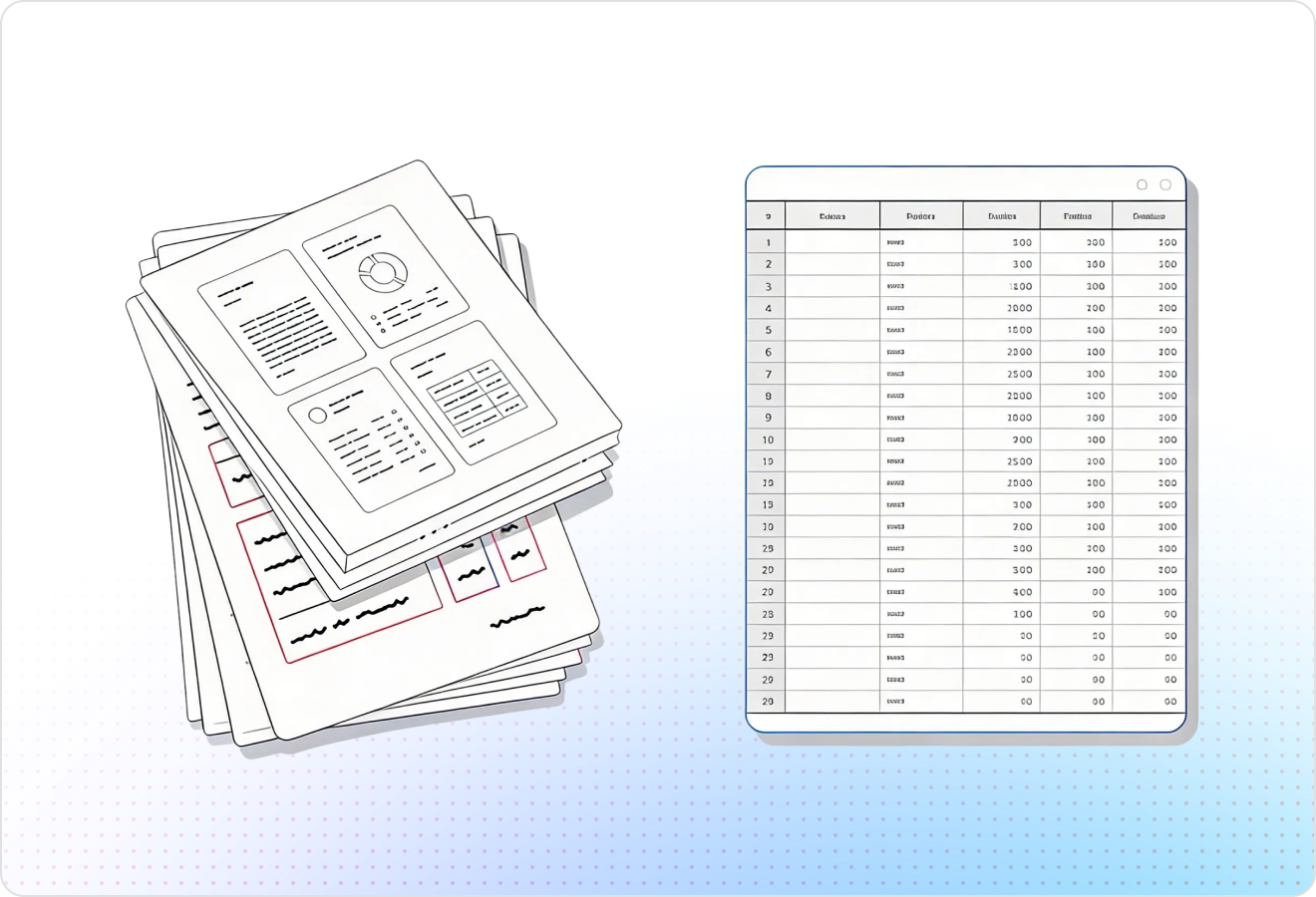
LlamaParse detects page structure and reliably extracts immunization tables without scrambling rows, columns, or reading order. That means vaccine name, dose, lot number, provider, and date stay correctly aligned for downstream normalization.
02
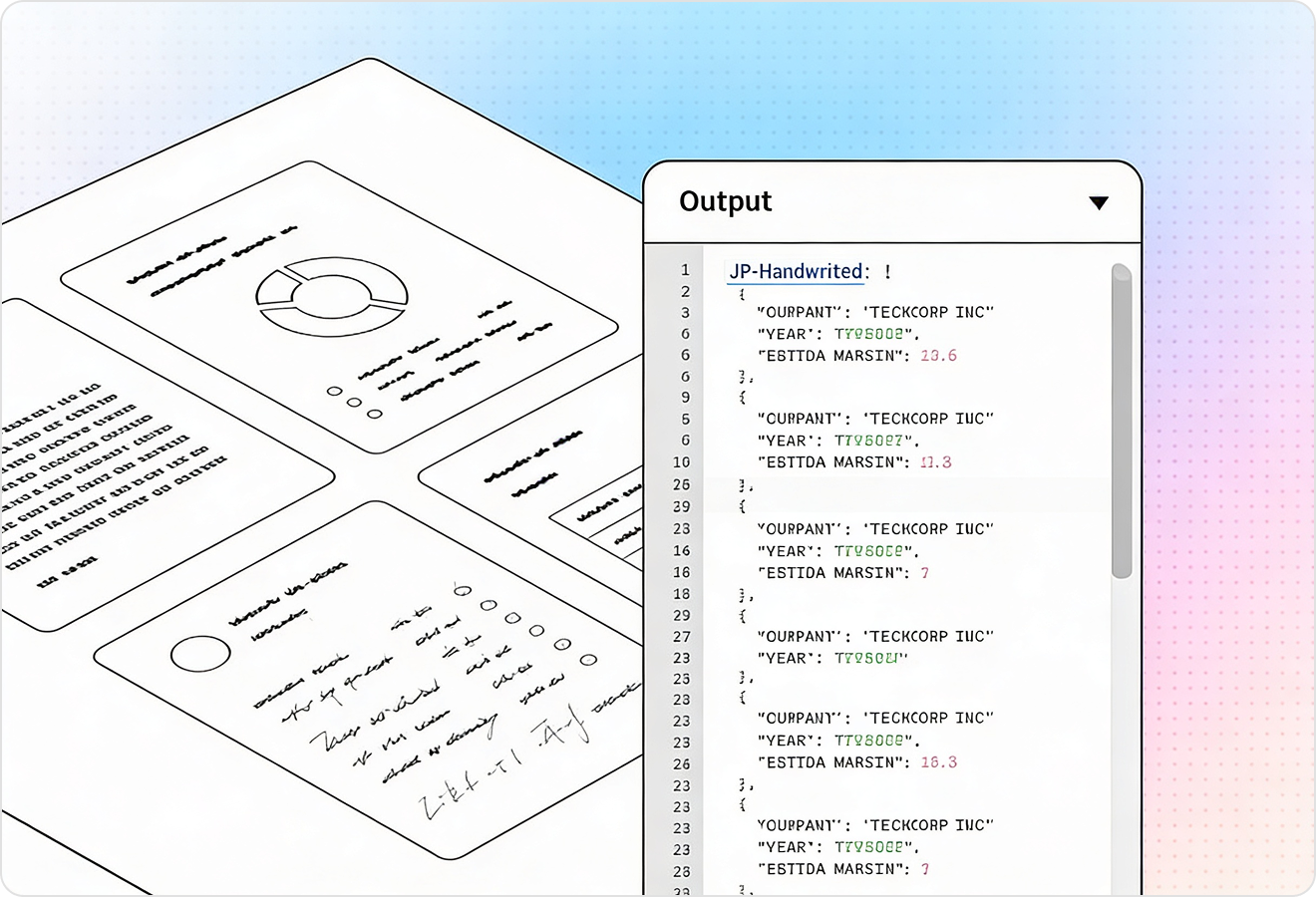
Agentic validation steps catch common scan issues like dropped characters, swapped fields, and inconsistent date formats, then re-check the page to self-correct. This boosts straight-through processing for immunization records that are faint, skewed, or photocopied.
03
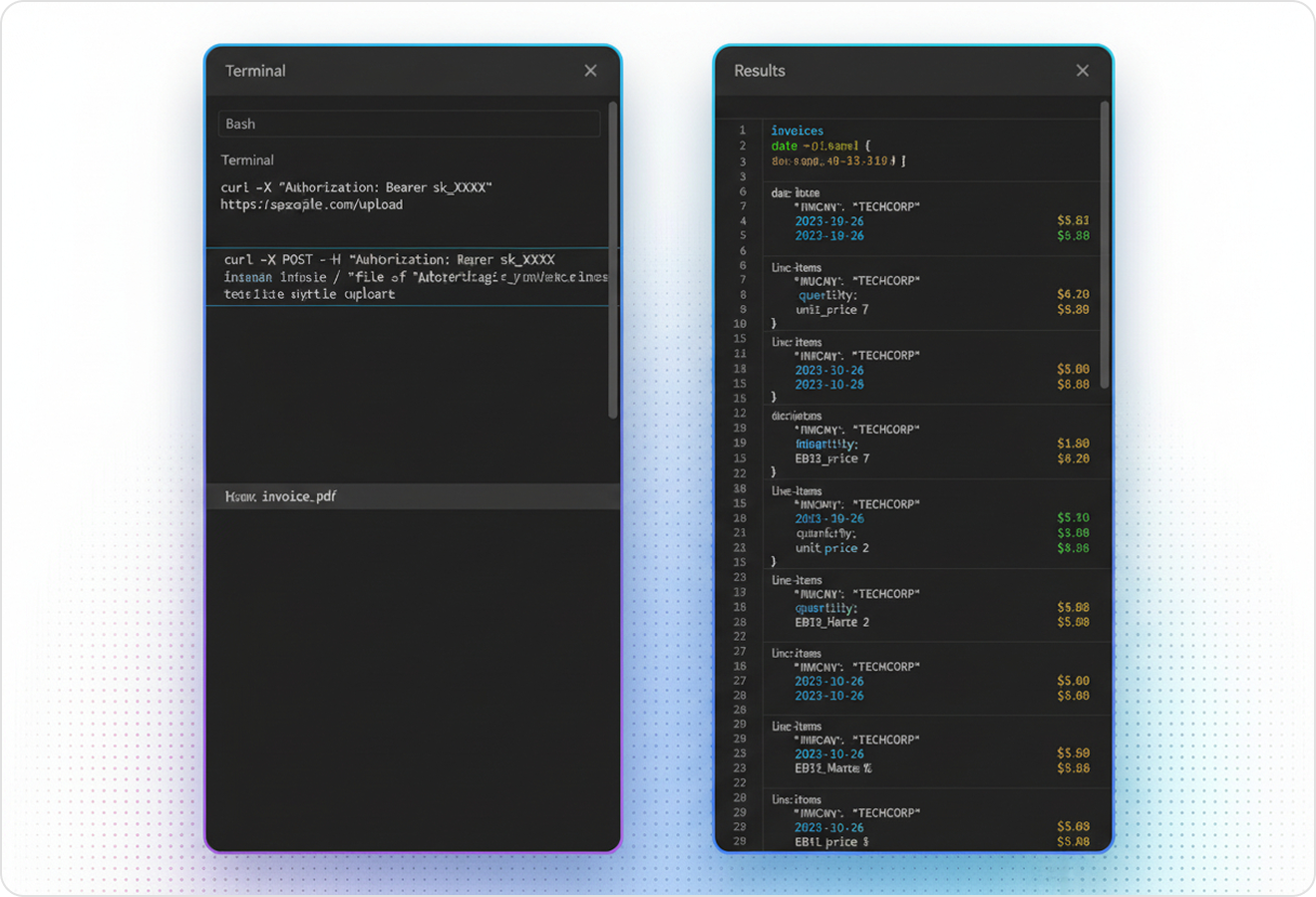
LlamaParse can return structured JSON enriched with page references and element-level metadata for traceability. For immunization record extraction, you can attach each parsed dose to its exact source location to support QA, audits, and human-in-the-loop review.
04
Natural-language parsing instructions let you define the exact fields you want (e.g., CVX code, manufacturer, administration date, site/route, and series dose number) without brittle regex pipelines. This makes it easier to standardize immunization data across clinics that use different form templates and wording.
Technical OCR documentation
Explore our developer guides to easily connect your document pipelines to LlamaParse.
Explore the documentation
Our AI catches the typos that tired eyes miss.

Export to Excel, JSON, XML, or directly via API.

SOC2 Type II compliant with end-to-end encryption.

Train the tool on your specific forms in minutes, not days.

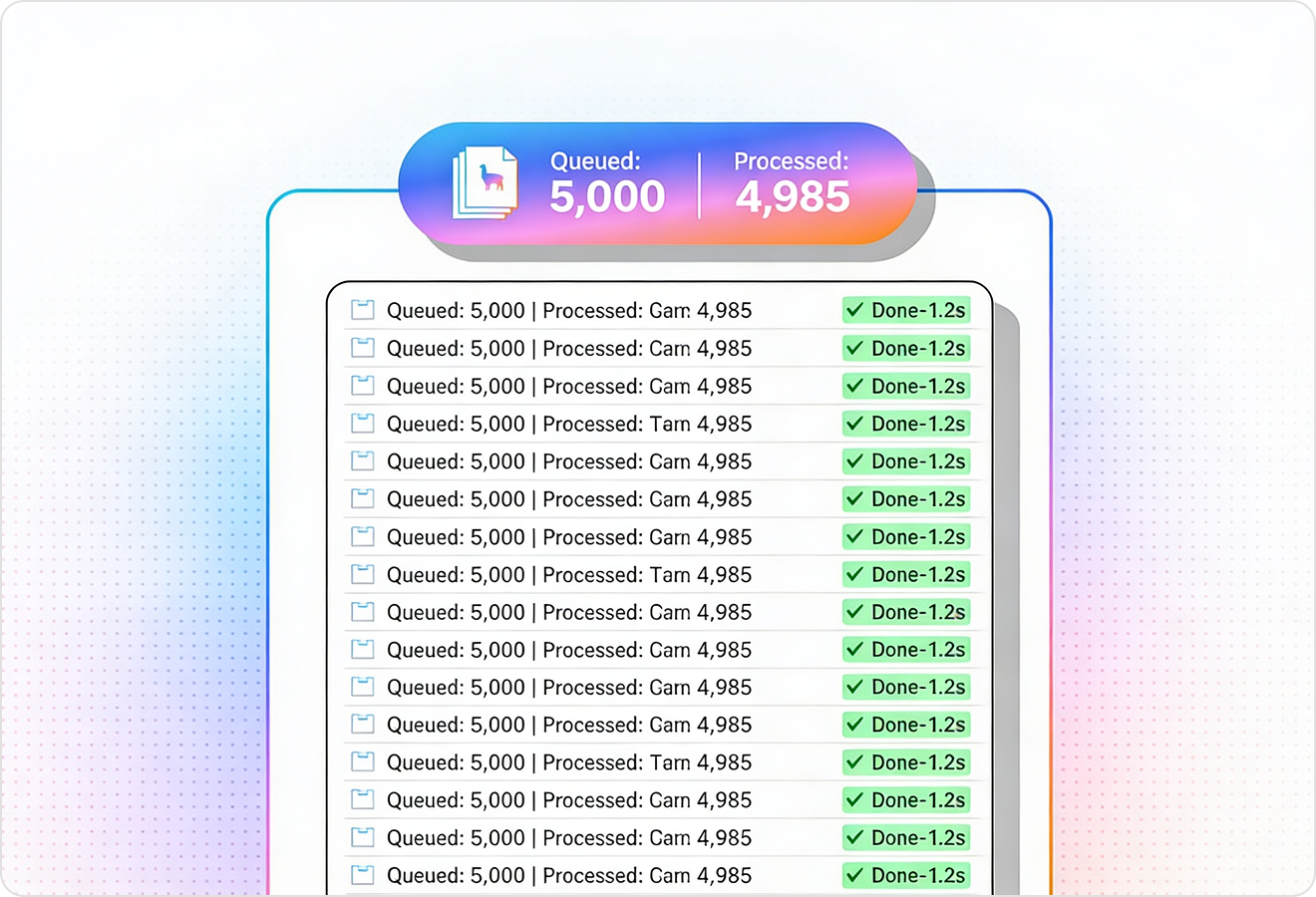
Average processing time of <3 seconds per page.
LlamaParse’s support of a wide variety of filetypes and its accuracy of parsing made it the best tool we tested in our evaluations. The LlamaIndex team was very responsive and we were off to the races within a day.
Common FAQs
01
Yes—layout-aware table capture preserves the original reading order so vaccine name, dose, lot number, provider, and date stay correctly paired. This reduces downstream cleanup and prevents mismatched doses when you normalize data across clinics and templates.
02
Auto-correction loops detect common scan issues like dropped characters, swapped fields, and inconsistent date formats, then re-check and self-correct. That means higher straight-through processing and fewer manual fixes even when images are low quality.
03
You can export clean JSON with citations that point back to the exact page and element the data came from. This makes spot-checking fast, supports audit trails, and enables efficient human-in-the-loop review when needed.
04
Can I define the exact fields I need—like CVX code, manufacturer, site/route, and series dose number?
Yes—prompted schema extraction lets you specify your desired fields in plain language without building brittle regex pipelines. It’s a flexible way to standardize immunization data across varied wording and form templates.
05
What happens when the source record uses inconsistent date formats or missing fields?
The system flags inconsistencies (like mixed MM/DD/YYYY vs. DD/MM/YYYY) and uses validation steps to correct or standardize them when possible. When a field is truly missing or ambiguous, it’s returned clearly as such so your workflow can route it for review instead of guessing.
06
How quickly can we integrate this into our existing ingestion and normalization workflow?
Most teams start by sending PDFs or images and receiving schema-aligned JSON that drops directly into their ETL or immunization registry pipeline. Because the output is structured and traceable, you can deploy faster with fewer custom rules and confidently expand to new form types over time.