Nov 14, 2025
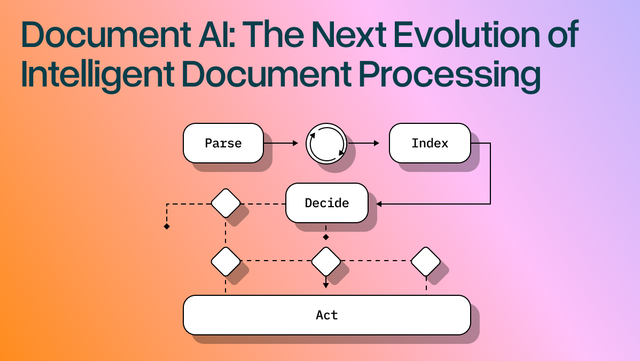
Document AI: The Next Evolution of Intelligent Document ProcessingPersona
Industry
Use cases
Employment Contract OCR
[ Employment Contract OCR ]

Use LlamaParse to pull pay, terms, and clauses accurately from messy contract PDFs.
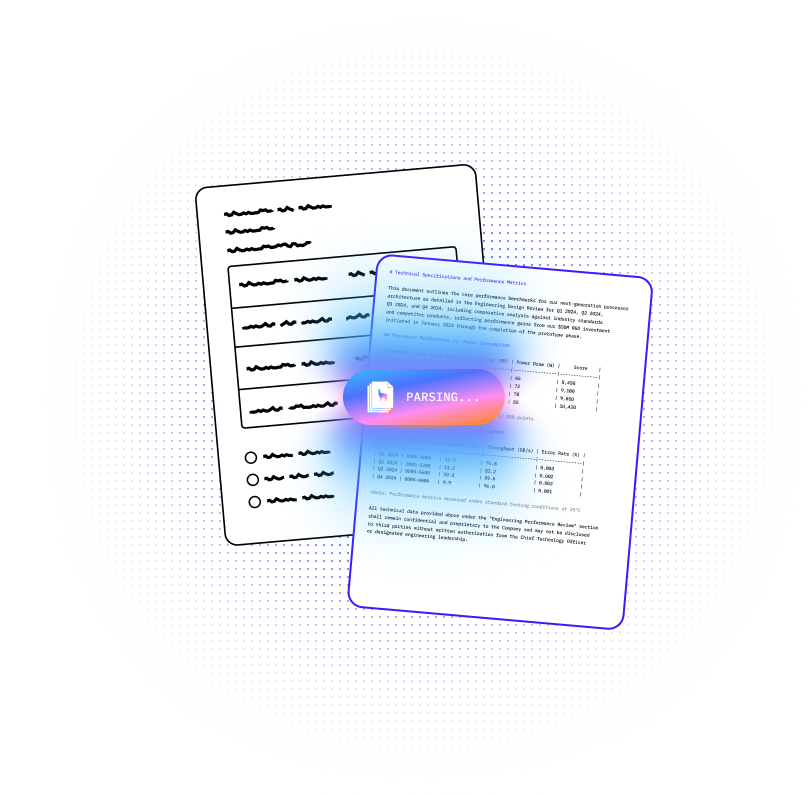
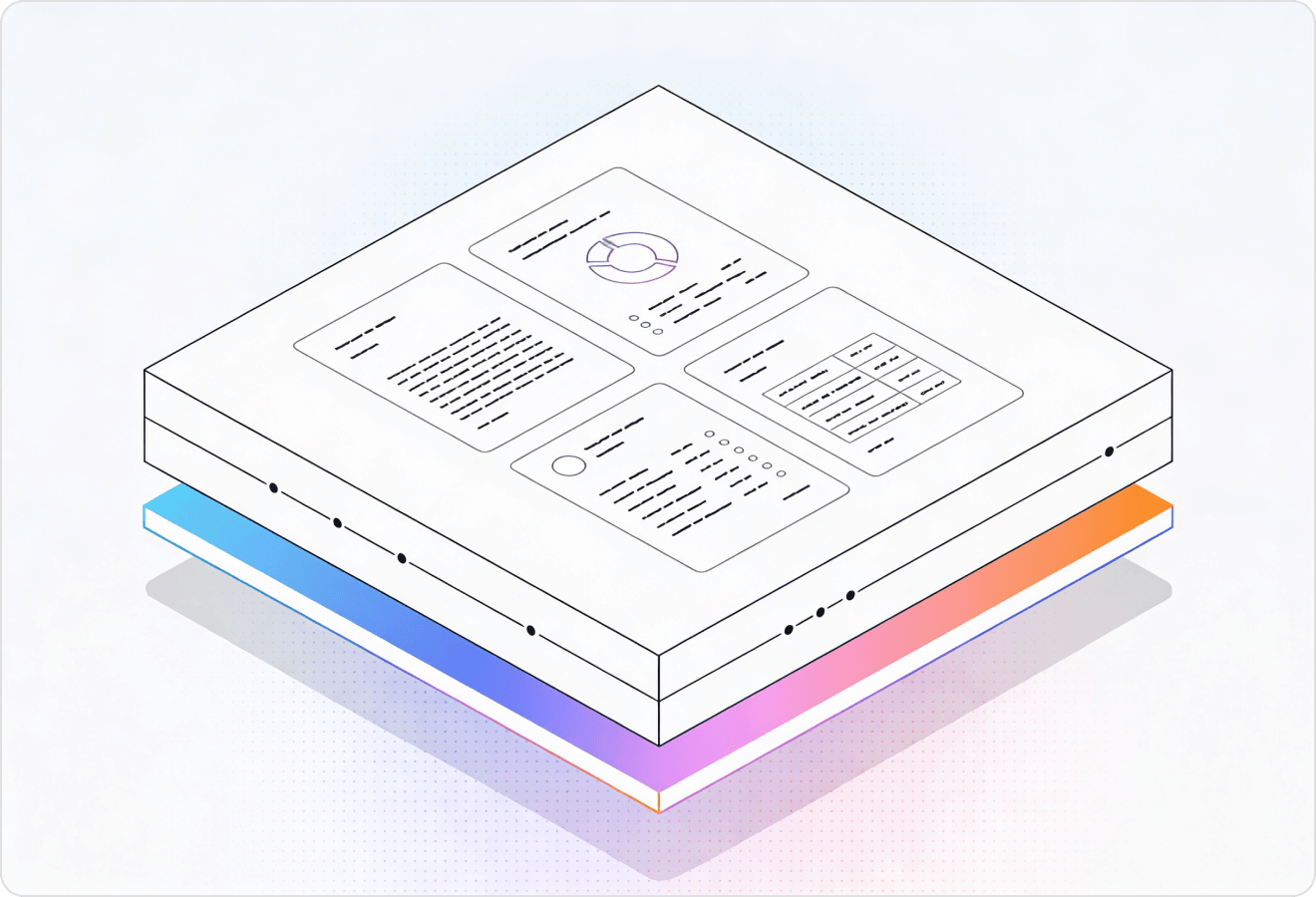

LlamaParse turns messy employment contracts and scanned PDFs into clean, structured outputs you can trust, down to clauses, dates, and compensation terms. Agentic parsing understands layout, fixes extraction errors, and returns citations and confidence scores so HR and legal can validate fast.
Best-in-Class Accuracy

Use LlamaParse inside LlamaCloud to turn incoming employment contracts into clean JSON and Markdown so HR ops can auto-populate offer systems, cap table notes, and onboarding checklists without manual re-keying. Natural-language parsing instructions let you standardize fields like equity, vesting cliffs, and termination terms across constantly changing templates, even when contracts come in as messy scans.

Parse high-volume employment agreements and amendments while preserving signature blocks, compensation tables, and multi-column clauses so recruiters can verify pay rates, start dates, and client-specific terms at speed. With granular metadata and citations, compliance teams can audit exactly where each extracted value came from before pushing records into ATS and payroll workflows.

Agentic document parsing accurately reconstructs clause structure and exhibits from complex PDFs, enabling rapid issue-spotting for non-competes, IP assignment, and severance language without brittle post-processing scripts. Auto-correction loops reduce extraction errors on poor scans, so attorneys can compare versions and generate structured summaries for review faster.

Convert union and non-union employment contracts into structured outputs that keep tables intact for shift differentials, overtime rules, and benefit schedules, avoiding costly interpretation mistakes from scrambled text. Tier-based processing routes only the hardest scanned pages to heavier models, keeping plant-wide digitization projects predictable in cost while maintaining accuracy.
The Solution
01
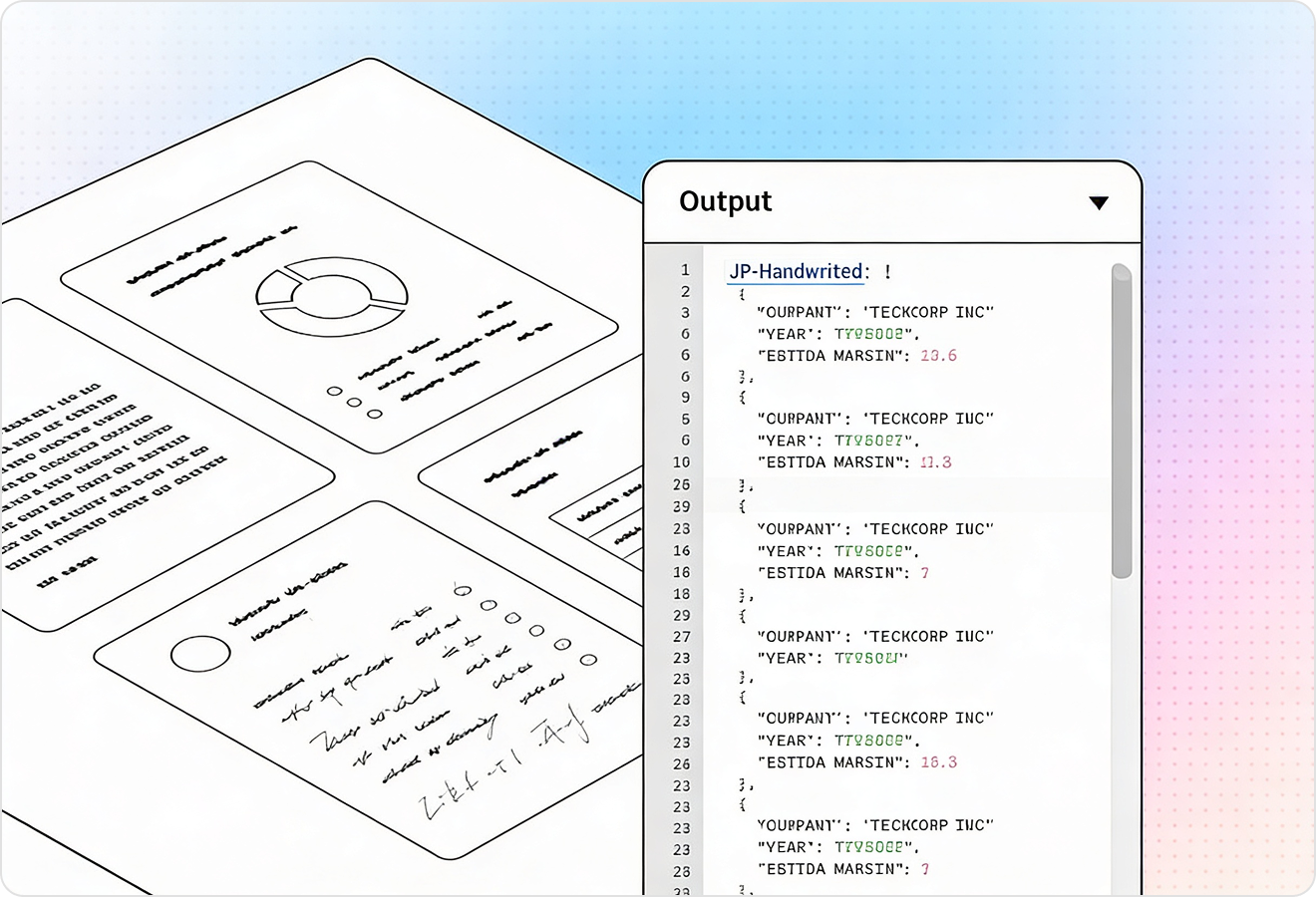
LlamaParse preserves reading order across multi-column pages, headers/footers, and dense legal formatting so employment contract text doesn’t get scrambled. That means clauses like confidentiality, non-compete, and termination conditions stay intact and reviewable in the right context.
02
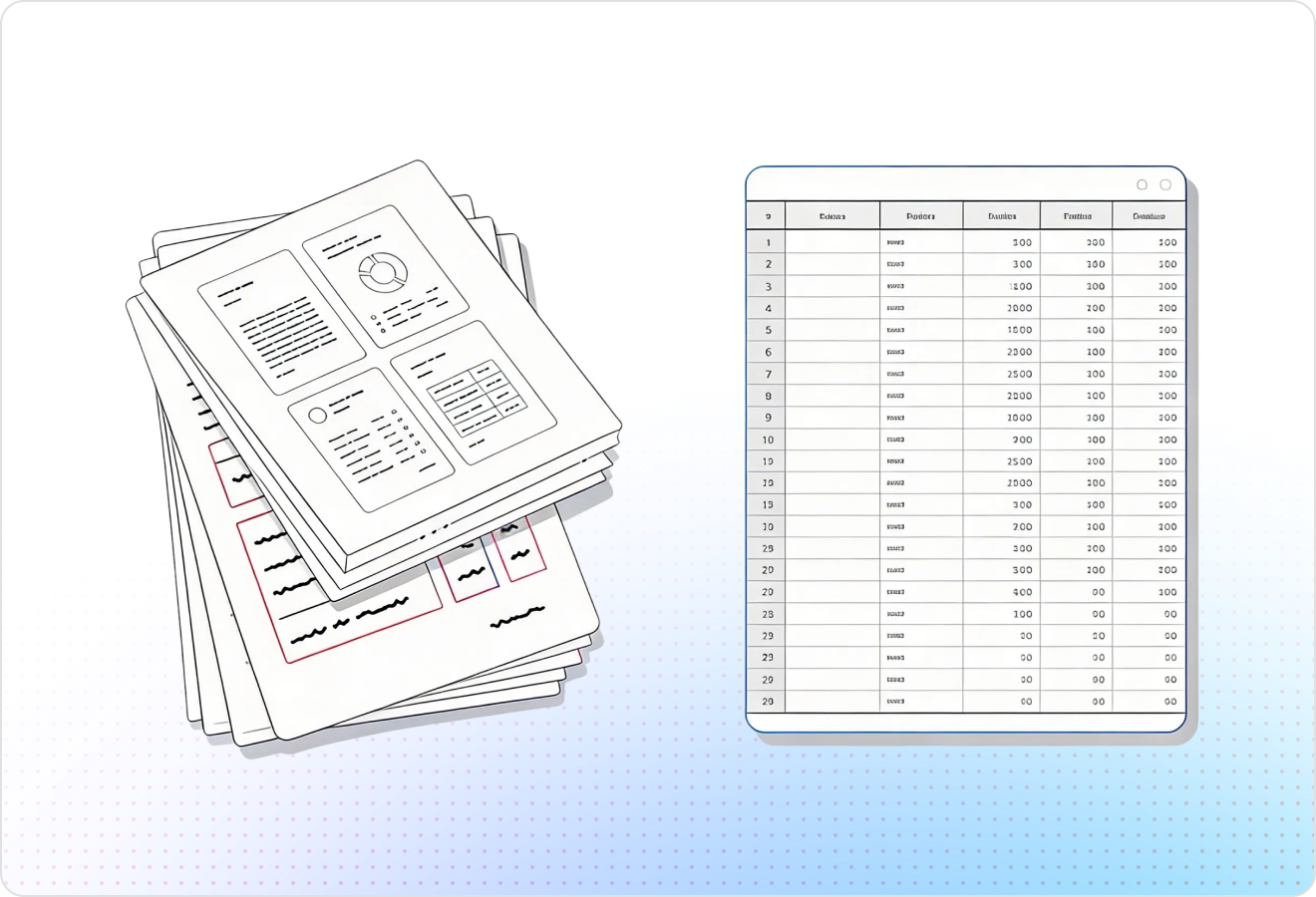
LlamaParse accurately captures tables and structured sections like compensation breakdowns, benefit schedules, and vacation accrual grids into clean, machine-readable outputs. This makes it easy to pull fields such as salary, bonus targets, equity vesting, and allowances without brittle post-processing.
03
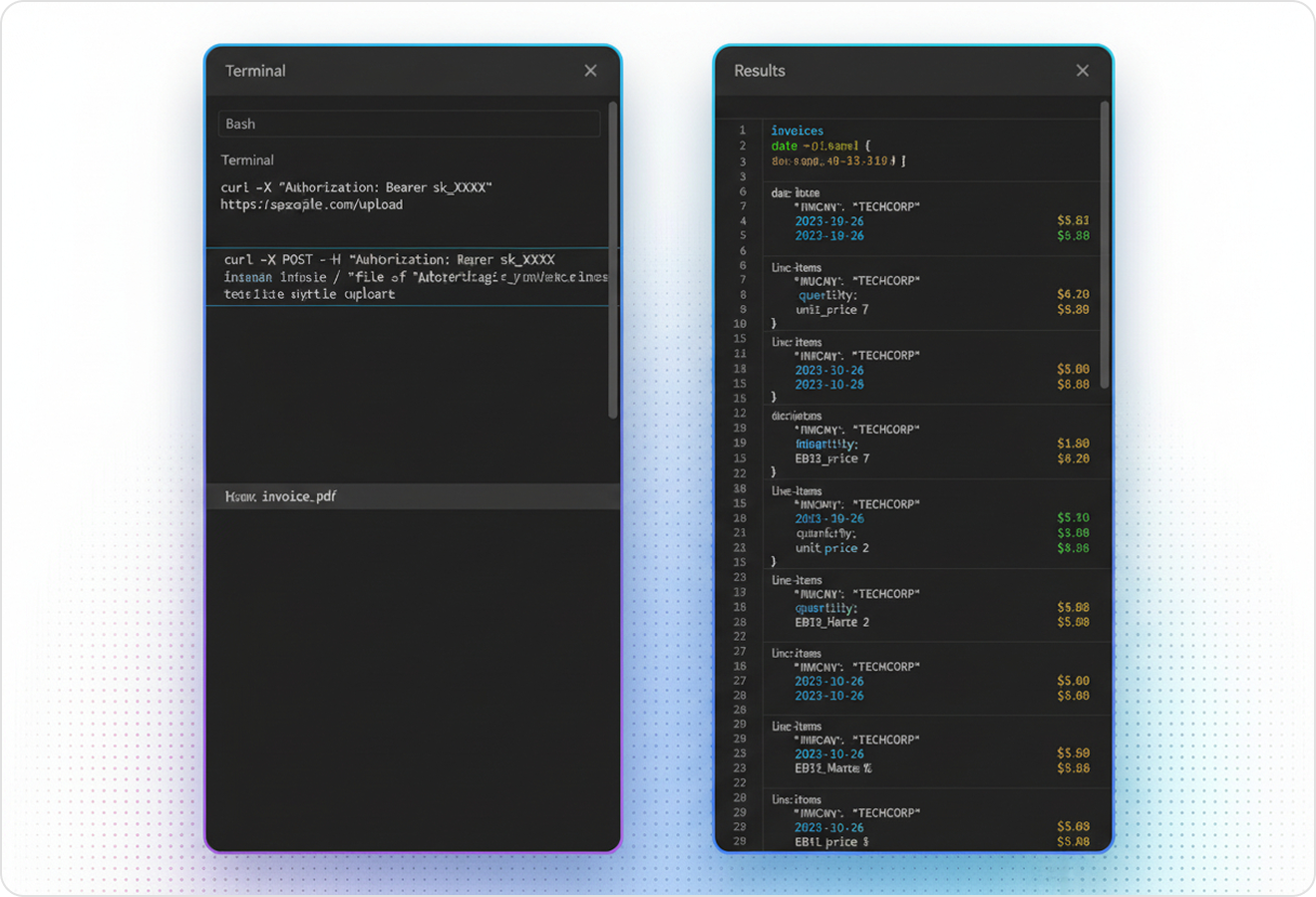
LlamaParse can return employment contracts as structured JSON, keeping sections and entities cleanly separated for downstream systems. This helps you reliably map key fields (start date, title, jurisdiction, notice period) into your HRIS, CLM, or compliance workflows.
04
LlamaParse attaches granular metadata like page references and element-level traceability so extracted terms can be verified quickly. For employment contracts, this enables human-in-the-loop checks on high-risk clauses and reduces back-and-forth when someone asks, “Where did that number come from?”
Technical OCR documentation
Explore our developer guides to easily connect your document pipelines to LlamaParse.
Explore the documentation
Our AI catches the typos that tired eyes miss.

Export to Excel, JSON, XML, or directly via API.

SOC2 Type II compliant with end-to-end encryption.

Train the tool on your specific forms in minutes, not days.

Average processing time of <3 seconds per page.
LlamaParse’s support of a wide variety of filetypes and its accuracy of parsing made it the best tool we tested in our evaluations. The LlamaIndex team was very responsive and we were off to the races within a day.
Common FAQs
01
Yes—layout-aware clause parsing preserves reading order across multi-column pages, headers/footers, and dense legal formatting so text doesn’t get scrambled. Clauses like confidentiality, non-compete, and termination remain intact and reviewable in context, reducing misinterpretation risk.
02
It captures tables and structured schedules into clean, machine-readable outputs, including salary, bonus targets, equity vesting, allowances, and accrual rules. This minimizes manual cleanup and avoids brittle post-processing that often breaks on formatting changes.
03
Yes—Structured JSON Output Mode returns contracts as organized sections and entities, making it easy to map key fields like start date, title, jurisdiction, and notice period. This plugs neatly into HRIS, CLM, and compliance workflows without needing custom parsers for every template.
04
How can we verify extracted terms—especially for high-risk clauses like non-compete or termination?
Every extracted element can include verifiable metadata such as page references and traceability back to the source. That makes human-in-the-loop review fast and defensible when stakeholders ask, “Where did that number or clause come from?”
05
What happens when contracts vary by country, template, or include lots of boilerplate and addenda?
The parser is designed for dense legal layouts and keeps section boundaries and clause structure stable even as templates change. That means you can process mixed contract sets more consistently and avoid reworking rules each time a new format appears.
06
Will this reduce manual review time, or do we still need to QA everything?
Most teams use it to automate first-pass extraction and then spot-check only the fields and clauses that matter, supported by citations for quick verification. You’ll spend less time retyping and hunting through PDFs, while keeping control over final approvals.