Nov 14, 2025
Document AI: The Next Evolution of Intelligent Document ProcessingPersona
Industry
Use cases
MSDS OCR
[ MSDS OCR ]

Use LlamaParse to capture tables, sections, and labels accurately so you can search MSDS fast.
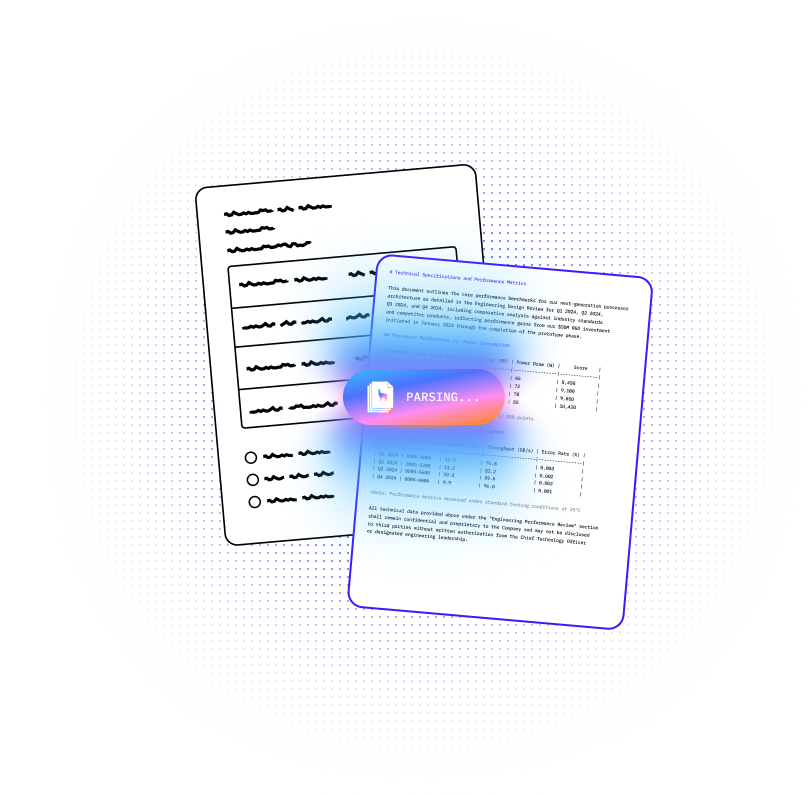
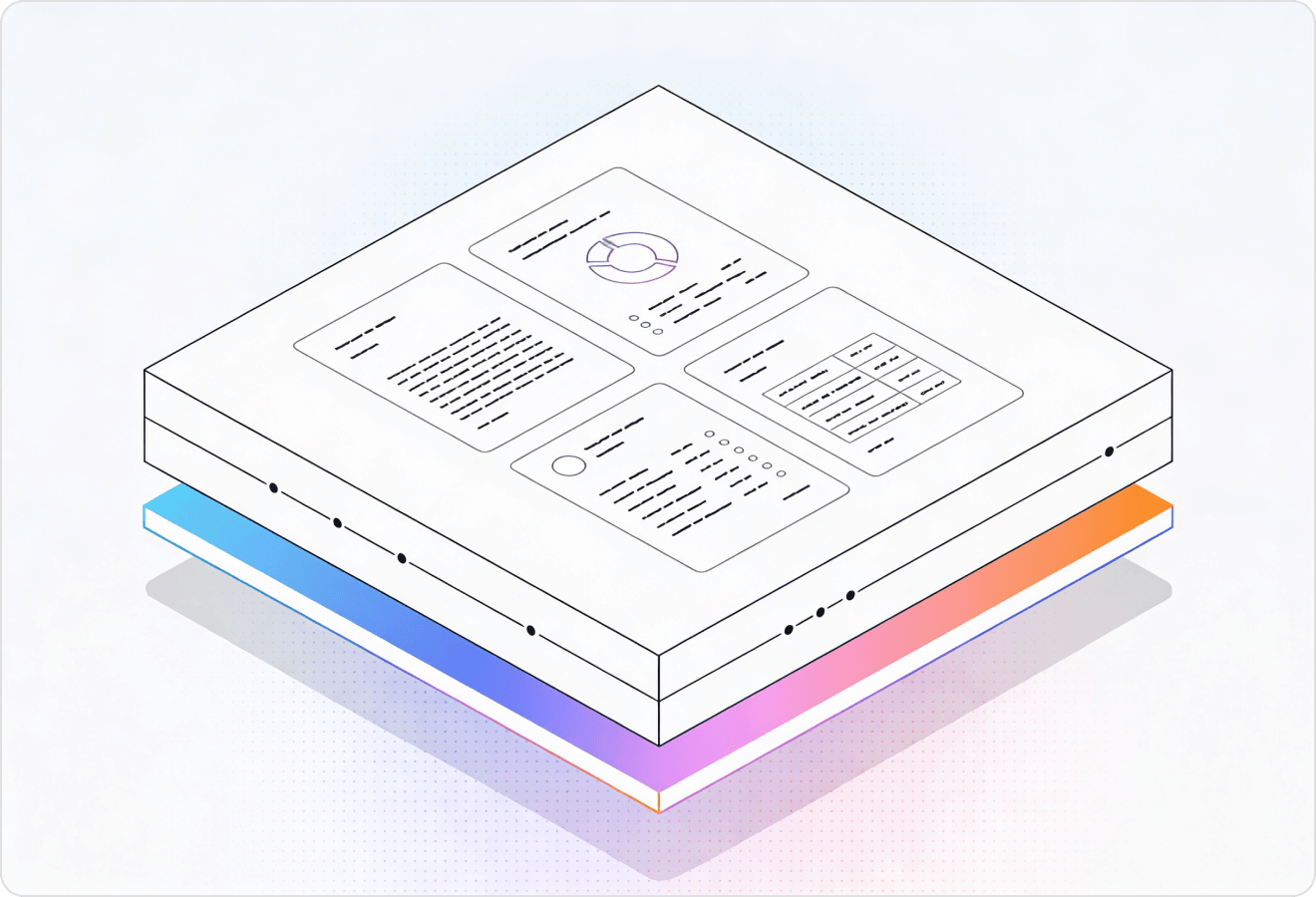

LlamaParse turns messy MSDS PDFs and scans into clean, structured fields you can actually use, automatically extracting hazards, PPE, and ingredient data. Agentic document parsing stays layout-aware, validates against page context, and returns JSON or Markdown with confidence metadata for fast review.
Best-in-Class Accuracy

Use LlamaParse to turn supplier MSDS PDFs into clean, layout-preserving Markdown/JSON so HazCom fields (GHS pictograms, PPE, exposure limits, transport codes) land in the right columns instead of scrambled OCR text. This enables faster compliance checks, automated label/SDS library updates, and fewer shipment holds caused by missing or mismatched safety data.

Parse jobsite MSDS binders and subcontractor uploads into a searchable safety portal with citations and confidence scores, so crews can instantly verify hazards, required PPE, and first-aid steps by product. Natural-language parsing instructions let you standardize outputs across inconsistent vendor formats without writing brittle extraction scripts for every new SDS template.

Convert MSDS for raw materials and lab reagents into structured records for EHS and quality systems, including accurate table extraction for handling conditions, incompatibilities, and storage requirements. Multimodal parsing captures embedded charts and special notation so audits and incident investigations rely on traceable source-backed data, not manual re-entry.

Ship an MSDS OCR feature in days by using LlamaParse as the ingestion layer that outputs schema-ready JSON with granular page coordinates for review workflows. Tier-based agentic processing keeps unit economics predictable by reserving heavy-duty parsing only for messy scans, while still delivering production-grade accuracy on the hard documents.
The Solution
01
LlamaParse uses layout-aware vision to preserve reading order across multi-column MSDS/SDS pages, including headers, footers, and numbered sections. That means Section 2 hazards, Section 3 composition, and Section 8 exposure controls don’t get scrambled during ingestion.
02
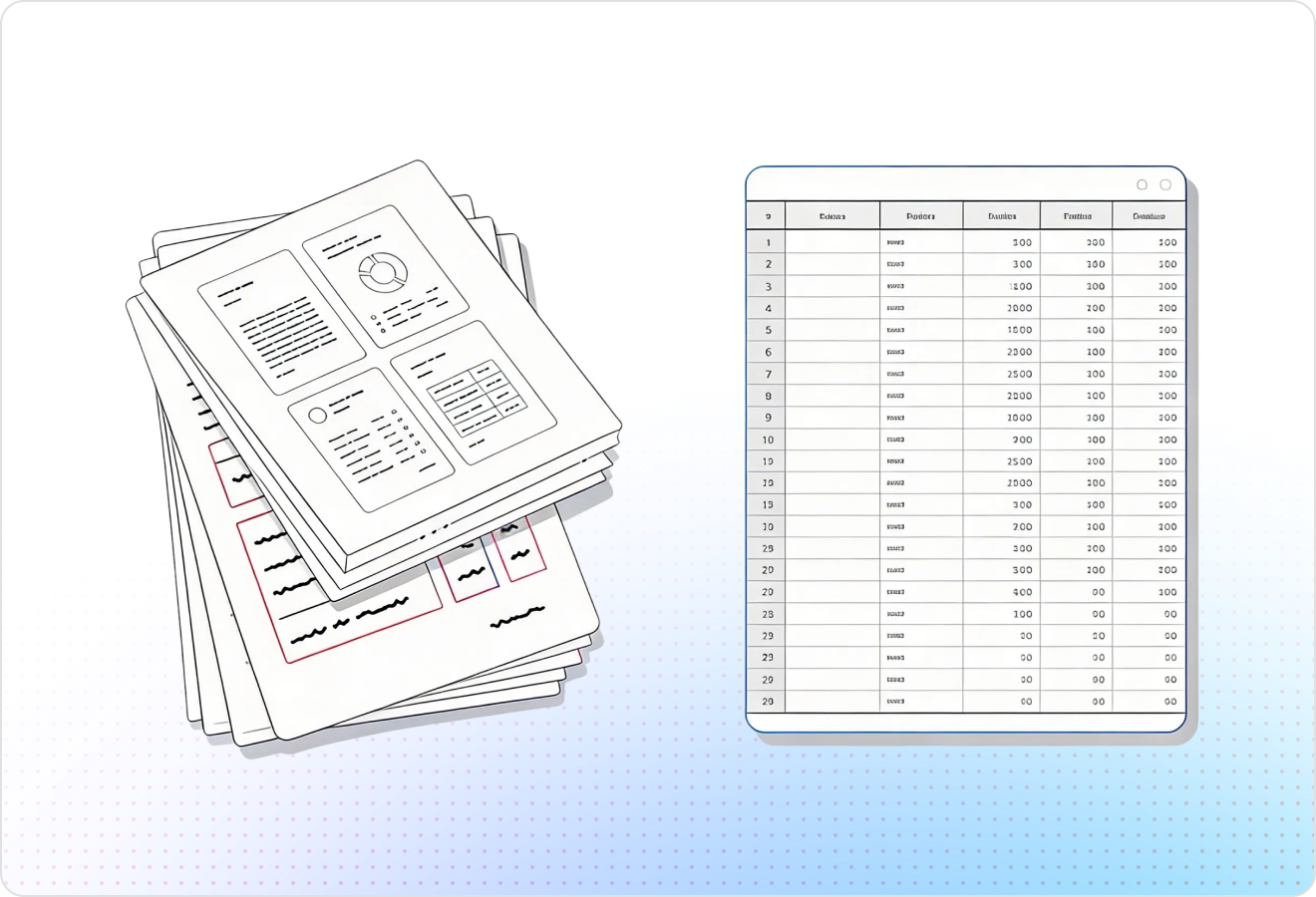
It reliably extracts dense tables like ingredient lists, CAS numbers, concentration ranges, and regulatory limit tables without collapsing rows or mixing columns. This makes it practical to normalize MSDS data into consistent, queryable fields for compliance and EHS workflows.
03
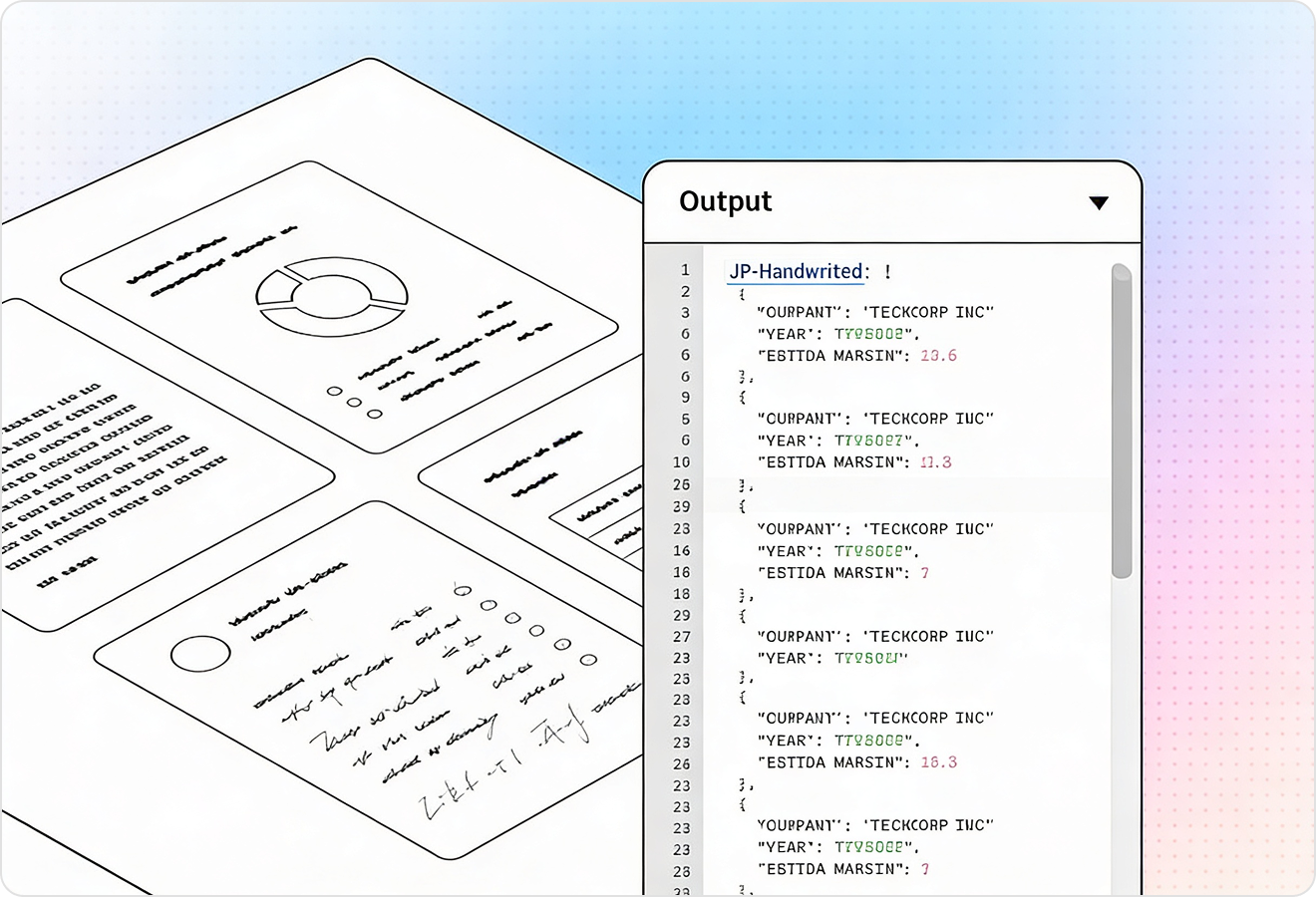
LlamaParse can interpret visual elements commonly embedded in MSDS documents—GHS pictograms, diagrams, and scanned labels—rather than treating them as empty images. You can retain the visual context alongside text so downstream checks don’t miss hazard symbols or critical notes hidden in graphics
04
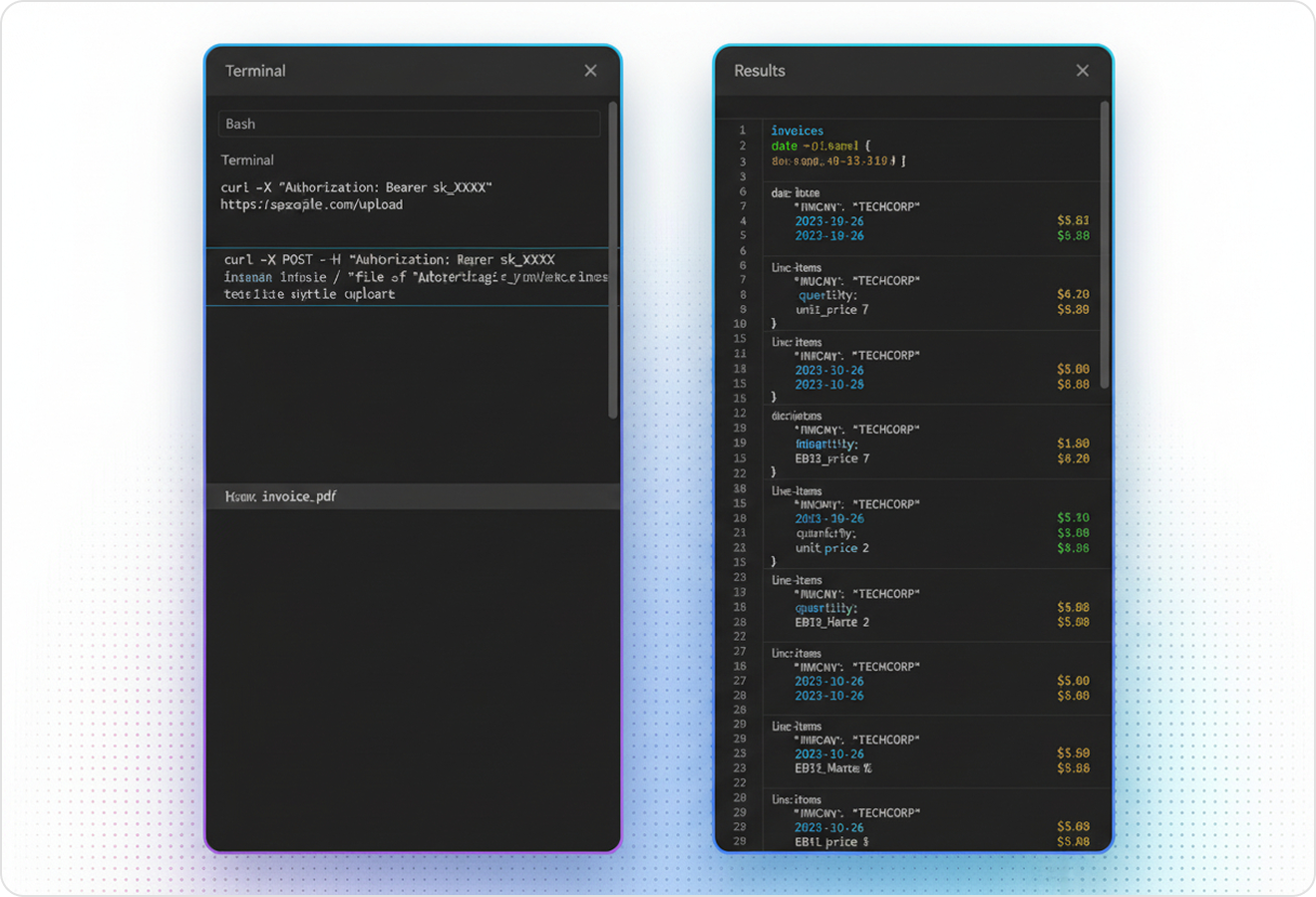
JSON mode returns structured output with page-level traceability (page numbers, element types, and coordinates) so each extracted hazard statement or ingredient can be tied back to its source. This supports audit-ready MSDS processing and faster human review when something looks off.
Technical OCR documentation
Explore our developer guides to easily connect your document pipelines to LlamaParse.
Explore the documentation
Our AI catches the typos that tired eyes miss.

Export to Excel, JSON, XML, or directly via API.

SOC2 Type II compliant with end-to-end encryption.

Train the tool on your specific forms in minutes, not days.

Average processing time of <3 seconds per page.
LlamaParse’s support of a wide variety of filetypes and its accuracy of parsing made it the best tool we tested in our evaluations. The LlamaIndex team was very responsive and we were off to the races within a day.
Common FAQs
01
No—our layout-aware parsing preserves the original reading order across multi-column pages, including headers, footers, and numbered sections. That means Section 2 hazards, Section 3 composition, and Section 8 exposure controls stay correctly grouped and easy to trust.
02
We extract dense chemical tables without collapsing rows or mixing columns, so CAS numbers, ingredient names, and concentration ranges remain aligned. This makes it straightforward to normalize SDS data into consistent fields for compliance, EHS, and internal systems.
03
Yes—multimodal extraction interprets common visual elements like GHS pictograms, scanned labels, and diagrams instead of treating them as blank images. You retain both the text and the visual context, helping teams avoid missing critical hazard symbols.
04
Do you provide audit-ready outputs we can trace back to the original document?
Absolutely—JSON output includes page-level metadata such as page numbers, element types, and coordinates. Every extracted hazard statement or ingredient can be tied back to its source for faster review and stronger audit trails.
05
What happens when the SDS is low-quality, skewed, or includes stamps and annotations?
Our vision-based approach is designed for real-world documents and can handle common issues like skewed scans, noisy backgrounds, and overlays while maintaining structure. You’ll still get traceable output, so questionable fields can be quickly verified against the exact source region.
06
How quickly can we integrate MSDS OCR into our workflow or application?
You receive structured, verifiable JSON that’s easy to map into your database, compliance tools, or EHS workflow—no fragile post-processing required. Most teams can go from first document to production pipeline quickly because the output is consistent and source-referenced.