Nov 14, 2025
Document AI: The Next Evolution of Intelligent Document ProcessingPersona
Industry
Use cases
HIPAA Authorization Form OCR
[ HIPAA Authorization Form OCR ]

Use LlamaParse to capture every field accurately, even messy layouts, and reduce manual review time.
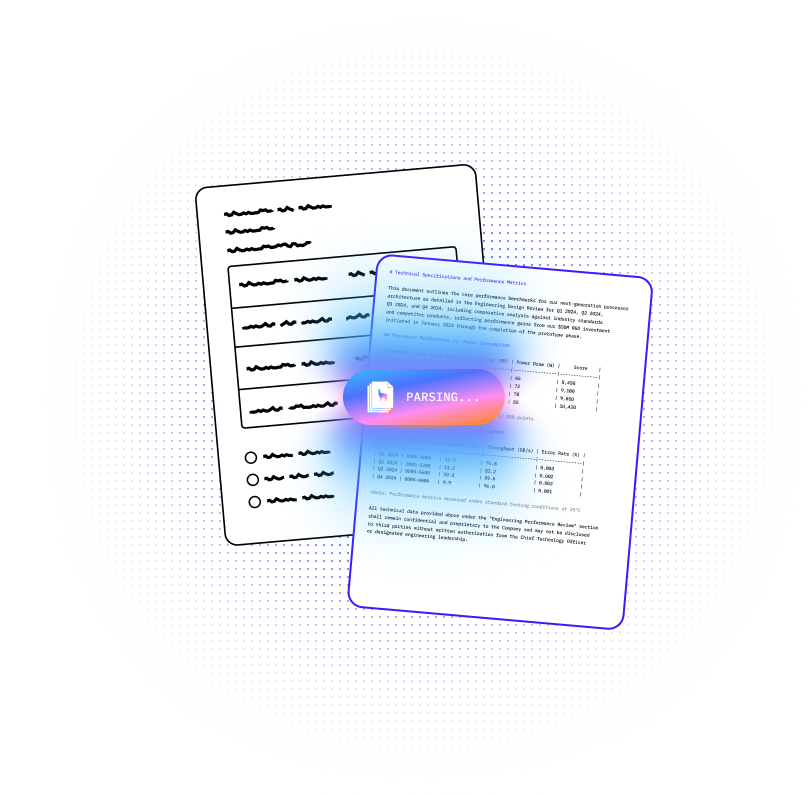
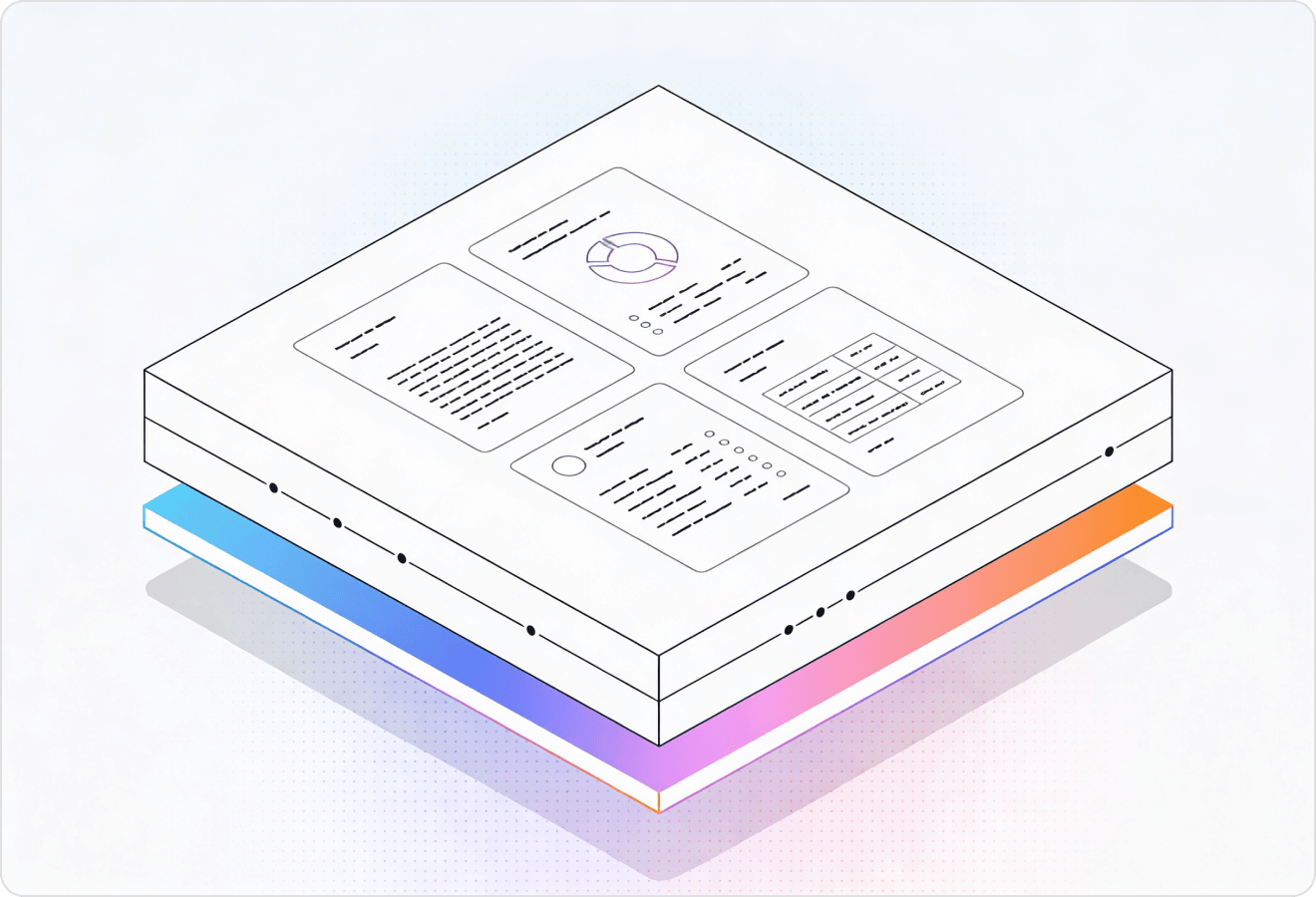
LlamaParse turns messy HIPAA authorization PDFs and scans into clean, structured JSON you can route straight into intake, ROI, and EHR workflows. Its agentic document parsing understands layout, signatures, checkboxes, and tables, then adds citations and confidence scores for fast human review.
Best-in-Class Accuracy

Use LlamaParse to turn scanned HIPAA authorization forms into clean JSON with citations, so patient consent and scope-of-release fields can be validated and routed without manual keying. Layout-aware extraction prevents missed checkboxes, multi-column sections, and signature blocks that break traditional OCR and cause compliance delays.

Automatically ingest HIPAA authorizations attached to prior auth and appeals packets, extracting requester identity, permitted PHI, and expiration dates to unblock reviews faster. Agentic parsing reduces rework by catching inconsistent or incomplete releases through correction loops and returning traceable outputs for audit-ready decisions.

Parse HIPAA authorizations at intake to confirm who can request medical records and what can be disclosed, then generate structured fields that feed case management and records-request workflows. Multimodal understanding preserves context from stamps, handwritten notes, and embedded IDs so teams avoid invalid requests that stall discovery.

Ship consent-driven data access features quickly by using LlamaParse to extract authorization terms into a predictable schema your product can enforce in APIs and user permissions. JSON mode plus granular metadata makes it straightforward to build human-in-the-loop review for low-confidence fields without slowing down onboarding.
The Solution
01
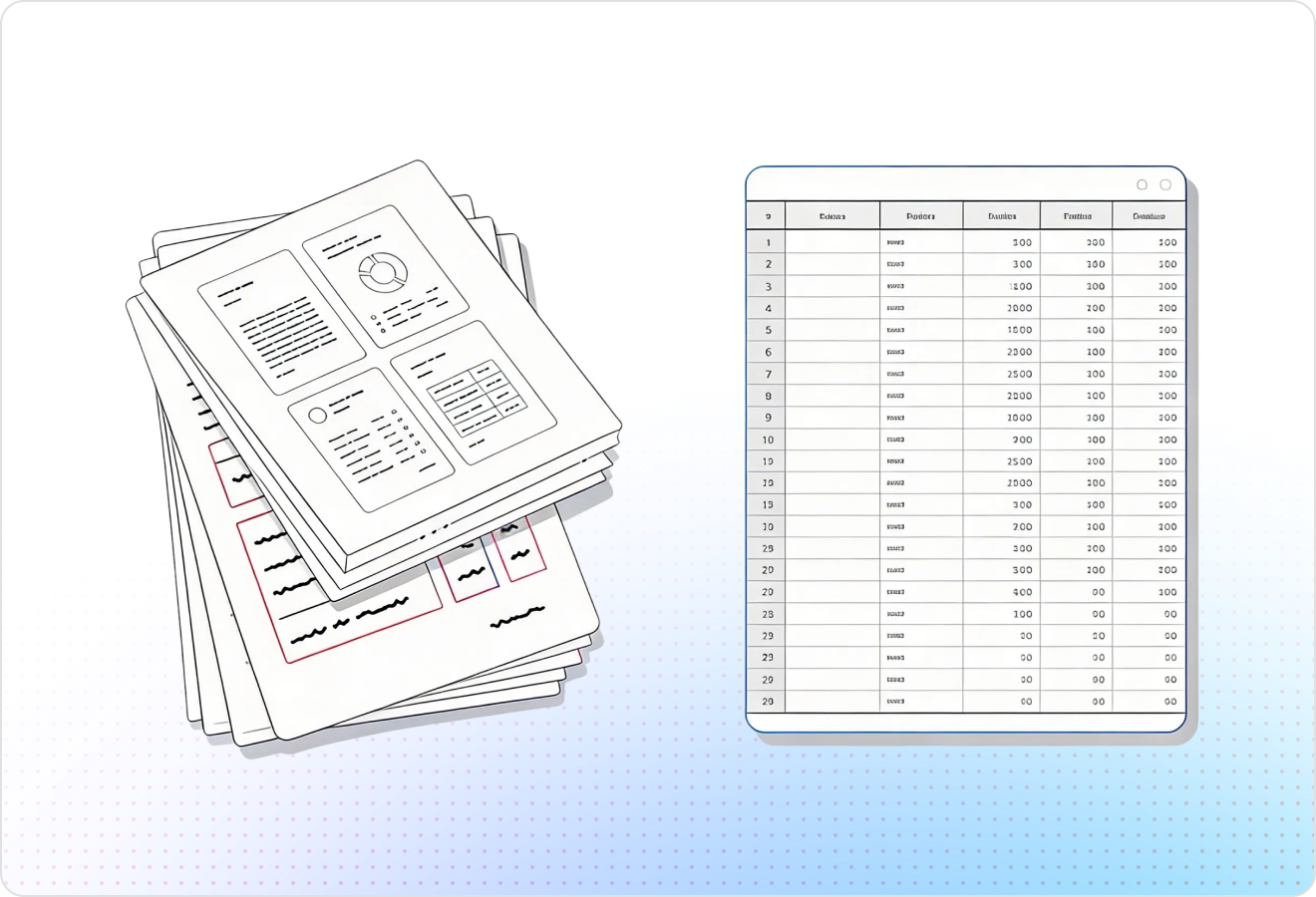
LlamaParse detects page structure (boxes, headings, multi-column text) and preserves reading order instead of returning scrambled text. For HIPAA authorization forms, that means patient details, provider sections, and disclosure language stay correctly grouped so downstream extraction is reliable.
02
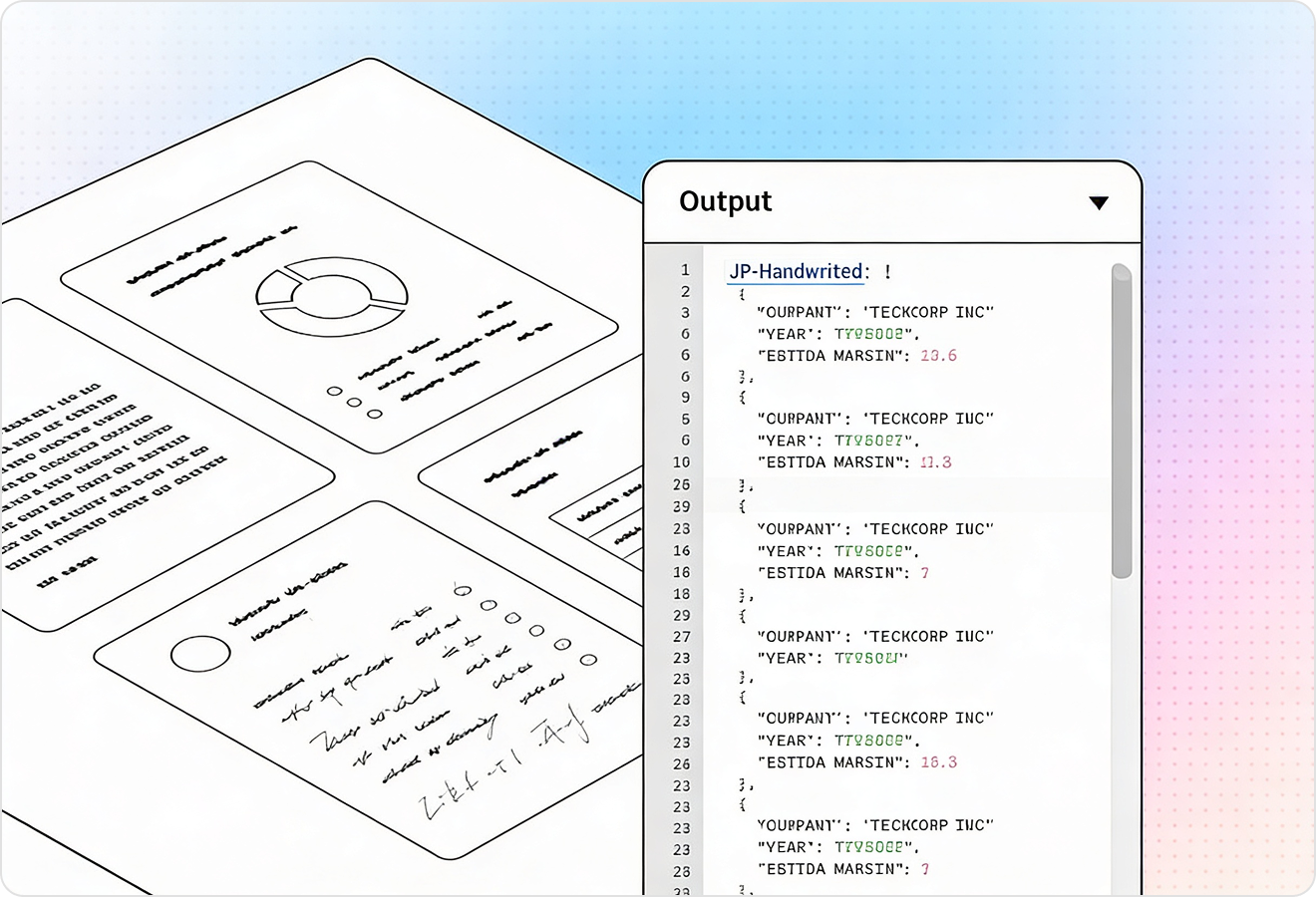
LlamaParse uses multimodal parsing to interpret visual form elements like signature blocks, initials fields, and checkboxes alongside surrounding text. This helps you verify whether required HIPAA authorization selections were made and whether the form is actually signed and completed.
03
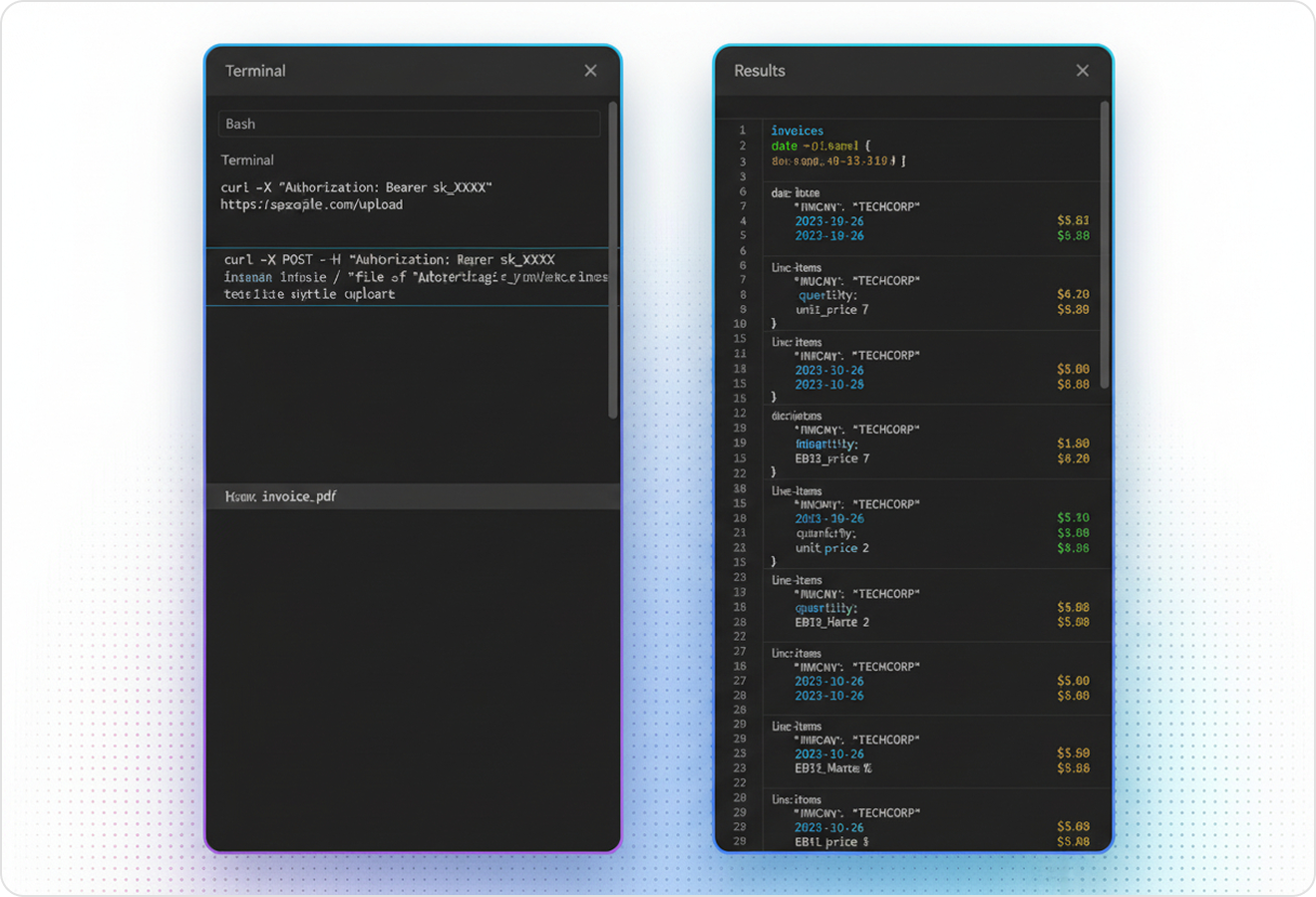
LlamaParse can output structured JSON with granular metadata like page number and spatial coordinates for each extracted field. For HIPAA workflows, you can trace every captured value (e.g., patient name, dates, revocation language) back to its exact location for auditability and human review.
04
LlamaParse runs validation loops to catch common parsing errors and correct inconsistencies before returning final results. On HIPAA authorization forms, this reduces missing dates, misread identifiers, and malformed fields that otherwise create compliance risk and manual rework.
Technical OCR documentation
Explore our developer guides to easily connect your document pipelines to LlamaParse.
Explore the documentation
Our AI catches the typos that tired eyes miss.

Export to Excel, JSON, XML, or directly via API.

SOC2 Type II compliant with end-to-end encryption.

Train the tool on your specific forms in minutes, not days.

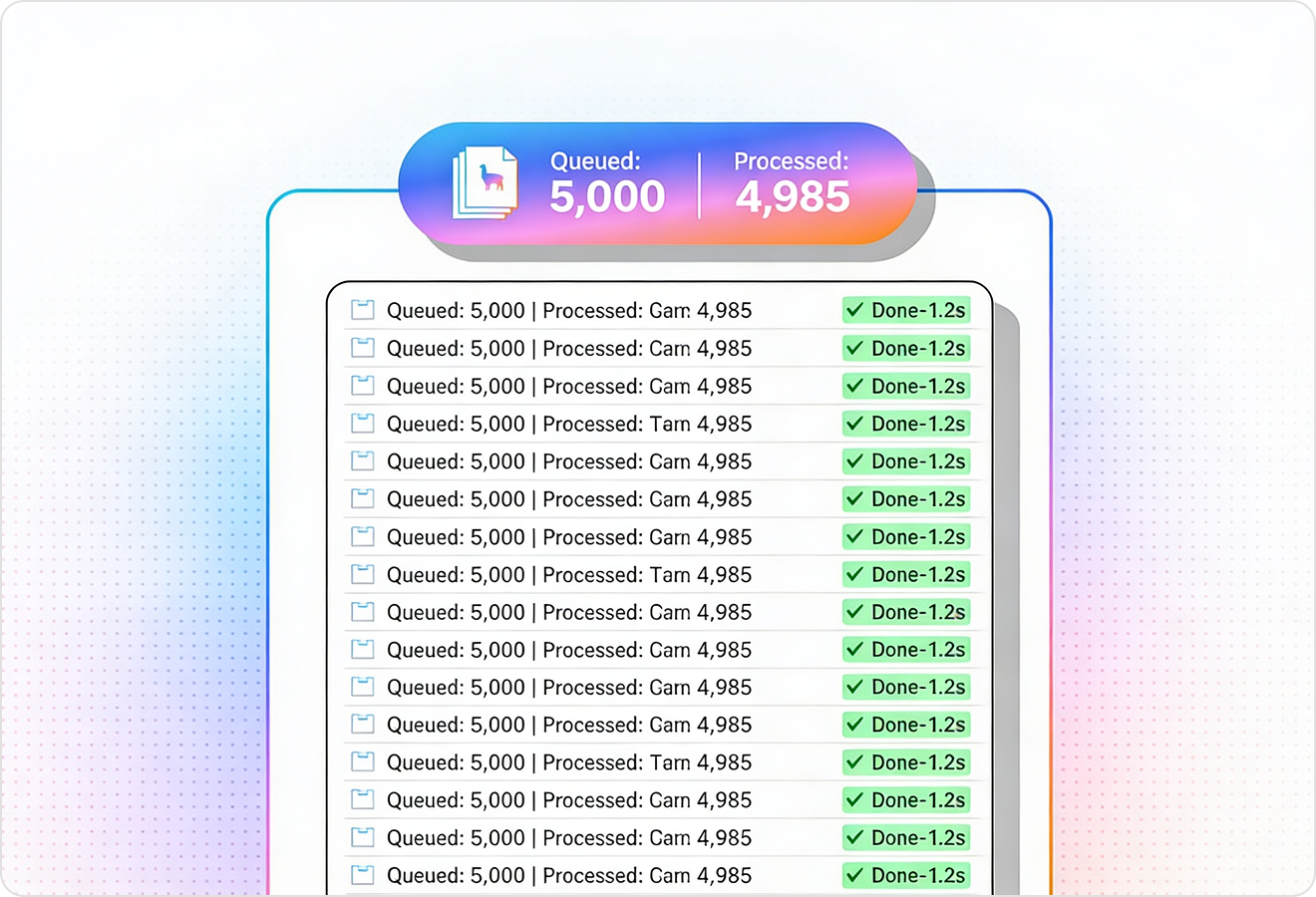
Average processing time of <3 seconds per page.
LlamaParse’s support of a wide variety of filetypes and its accuracy of parsing made it the best tool we tested in our evaluations. The LlamaIndex team was very responsive and we were off to the races within a day.
Common FAQs
01
LlamaParse is layout-aware, so it detects boxes, headings, and multi-column text to preserve the correct reading order. Patient details, provider sections, and disclosure language stay grouped the way they appear on the form, which makes downstream extraction far more reliable.
02
Yes—LlamaParse parses visual form elements like signature blocks, initials fields, and checkboxes alongside the surrounding text. That makes it easy to confirm required selections were made and identify incomplete or unsigned forms before they create workflow delays.
03
LlamaParse can output clean JSON and include citations like page number and spatial coordinates for each extracted value. You can trace fields such as patient name, dates, and revocation language back to their exact location for fast human verification and audit-ready documentation.
04
How do you reduce common OCR errors like missing dates, swapped identifiers, or malformed fields?
LlamaParse runs validation and self-correction loops to catch inconsistencies before returning results. This reduces rework caused by missing signatures/dates and improves accuracy on critical identifiers that impact compliance and downstream processing.
05
What happens when a form template changes or a provider uses a different HIPAA authorization layout?
Because LlamaParse understands page structure rather than relying on a single rigid template, it adapts well to layout variations across providers and versions. You’ll spend less time reconfiguring extraction logic when forms evolve, while still keeping sections correctly grouped.
06
How quickly can we integrate this into our HIPAA authorization workflow and start seeing results?
You can start by parsing a small batch of real forms and receiving structured JSON outputs that plug into your review or extraction pipeline. The combination of layout-aware parsing, signature/checkbox capture, and validation loops helps teams move from manual checks to dependable automation faster.