Nov 14, 2025
Document AI: The Next Evolution of Intelligent Document ProcessingPersona
Industry
Use cases
Handwriting Digitization Software
[ Handwriting Digitization Software ]

Turn messy handwriting into structured, searchable text and tables with LlamaParse’s layout-aware parsing.
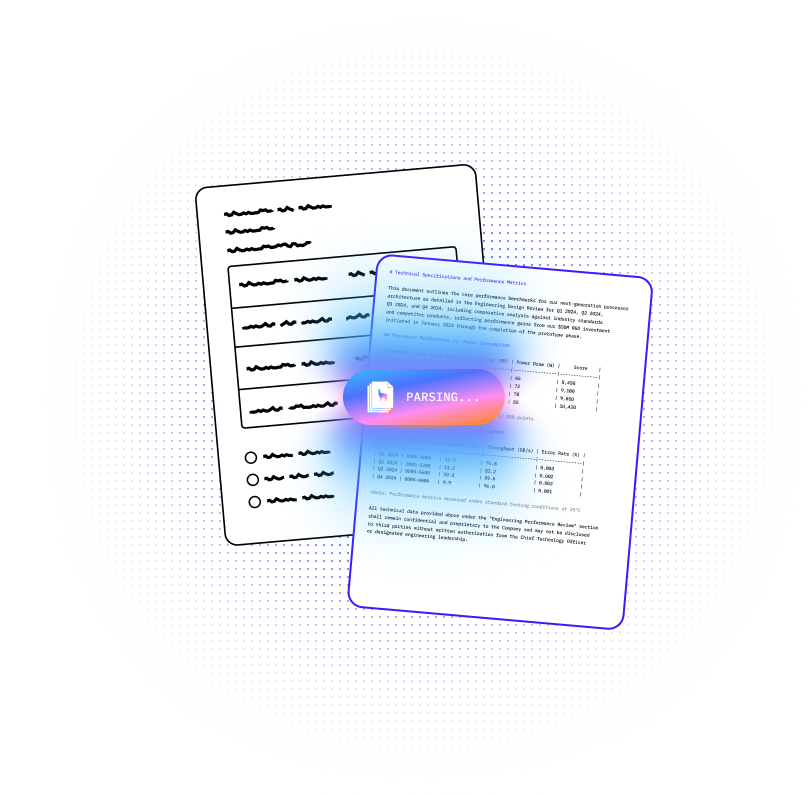
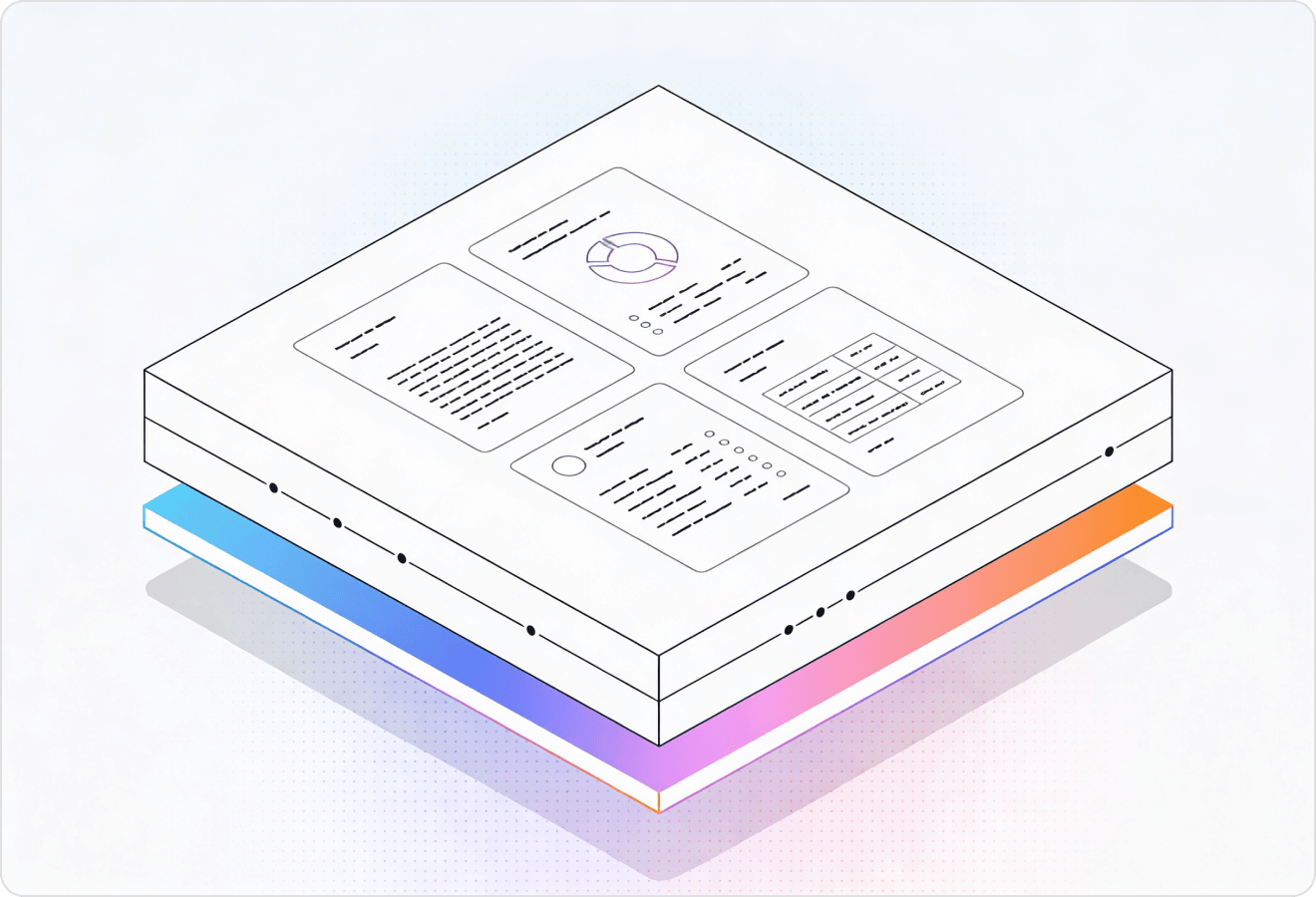
LlamaParse turns messy handwritten notes and scanned forms into clean, structured data your AI can actually use for downstream workflows. Agentic document parsing combines layout-aware vision with validation loops, delivering Markdown or JSON plus confidence metadata so teams can automate reviews faster.
Best-in-Class Accuracy

Turn handwritten user interviews, onboarding forms, and signed pilot agreements into clean Markdown or JSON so teams can ship workflows without building brittle parsing code. LlamaParse preserves reading order and tables, so product analytics and CRM updates don’t get blocked by messy scans and constantly changing document templates.

Digitize handwritten intake forms, clinician notes, and referral packets into structured fields with traceable page-level metadata to support audit-ready chart review. Layout-aware parsing prevents lost allergy lists and scrambled medication tables, reducing manual transcription and downstream clinical errors.

Extract handwritten claim statements, adjuster notes, and repair estimates—especially multi-line item tables—into normalized JSON that can feed claims systems automatically. Auto-correction loops and confidence signals cut rework on low-quality photos and scanned documents, improving straight-through processing rates.

Convert handwritten inspection checklists, batch records, and maintenance logs into structured datasets while preserving complex tables and line-by-line readings. Teams can trigger CAPA workflows and trend analysis faster because the parser keeps document structure intact instead of outputting scrambled text.
The Solution
01
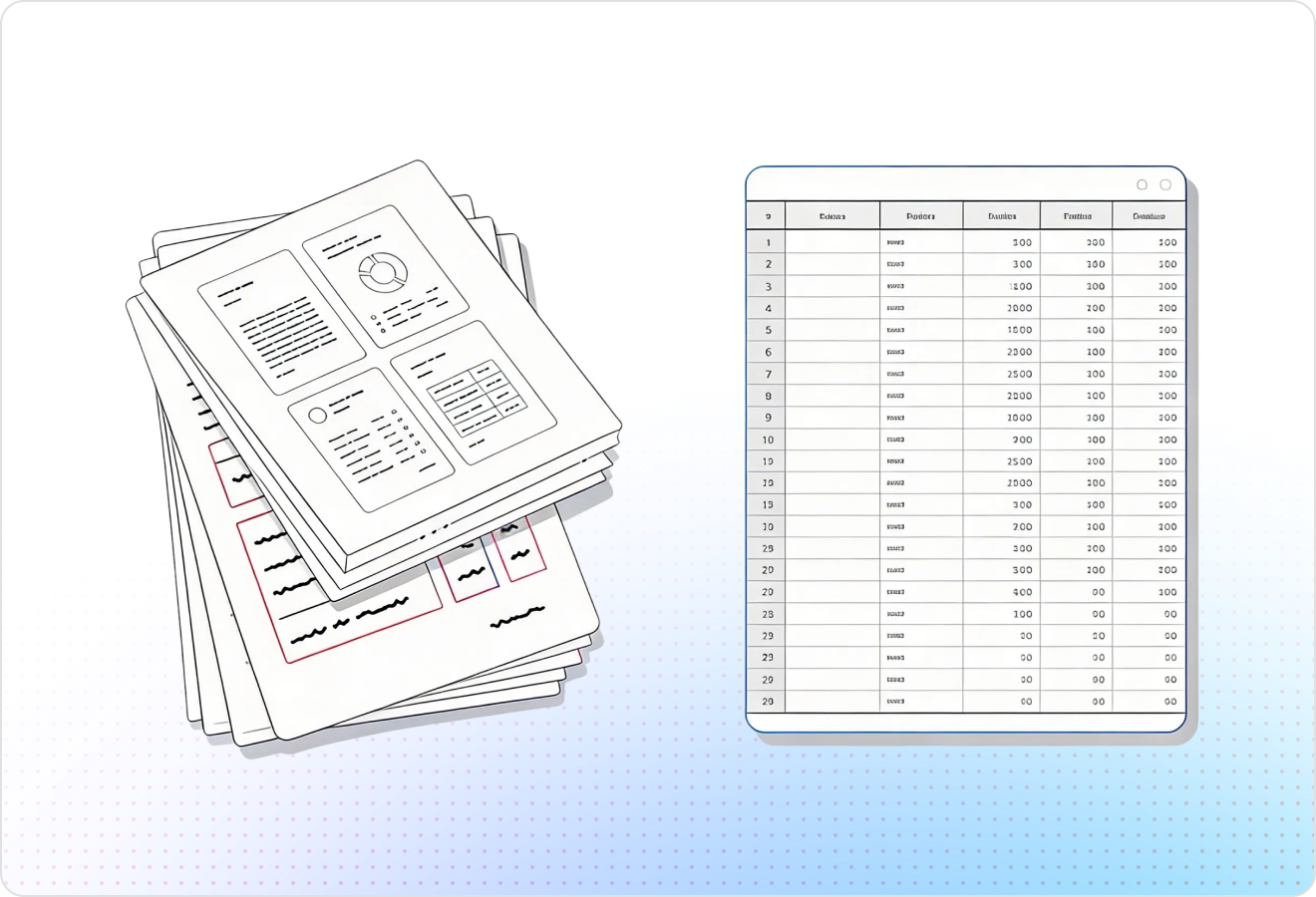
LlamaParse uses VLM-powered agentic parsing to read handwritten notes and mixed print+handwriting pages, not just clean typed text. This raises digitization accuracy on real-world scans like forms, intake sheets, and field reports where traditional OCR-style pipelines tend to break.
02
It detects page structure—fields, checkboxes, headers, footers, and multi-column sections—so handwritten content stays in the correct reading order. That means your digitized output preserves context (who wrote what, where it belongs) instead of producing scrambled text you have to manually fix.
03
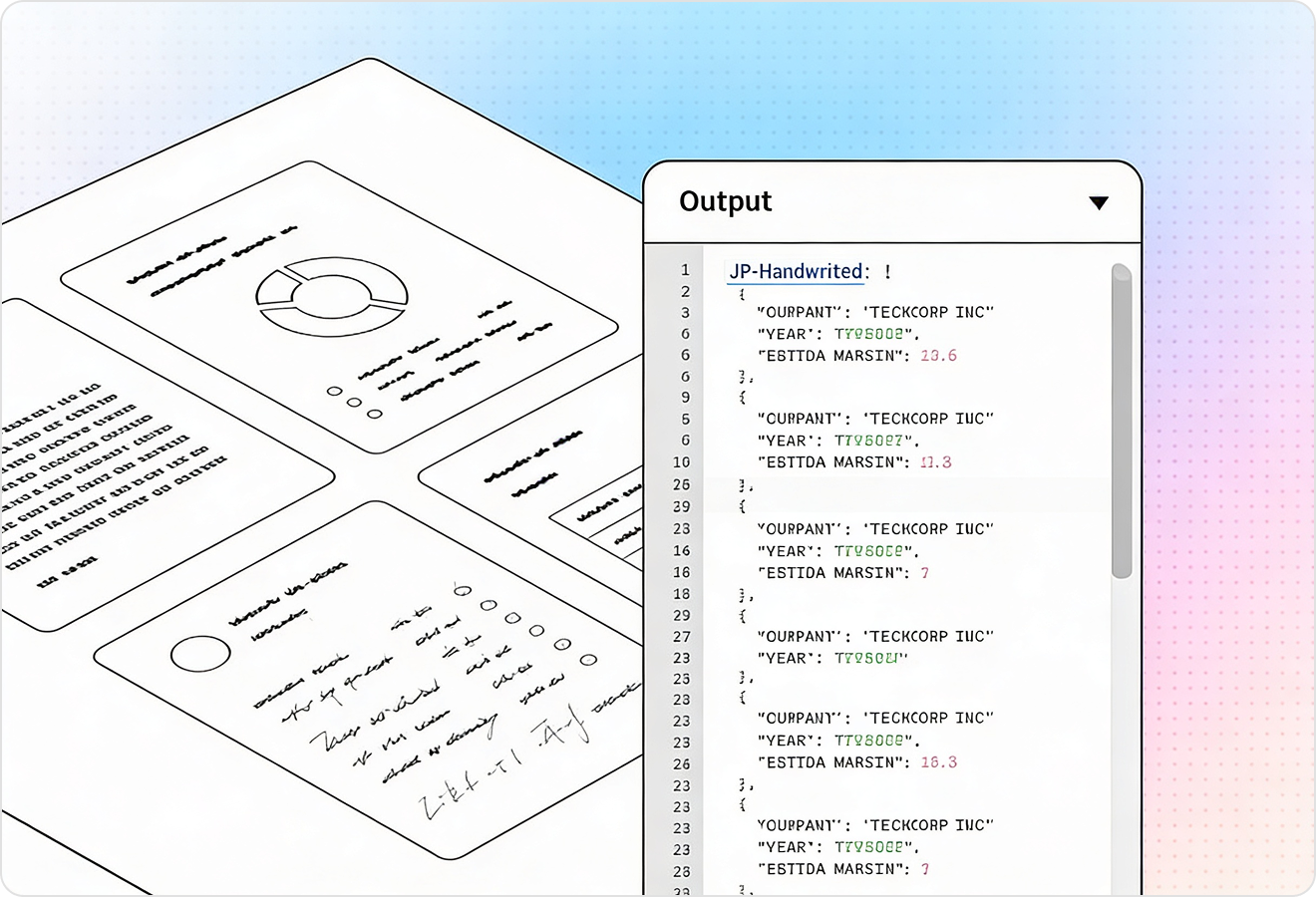
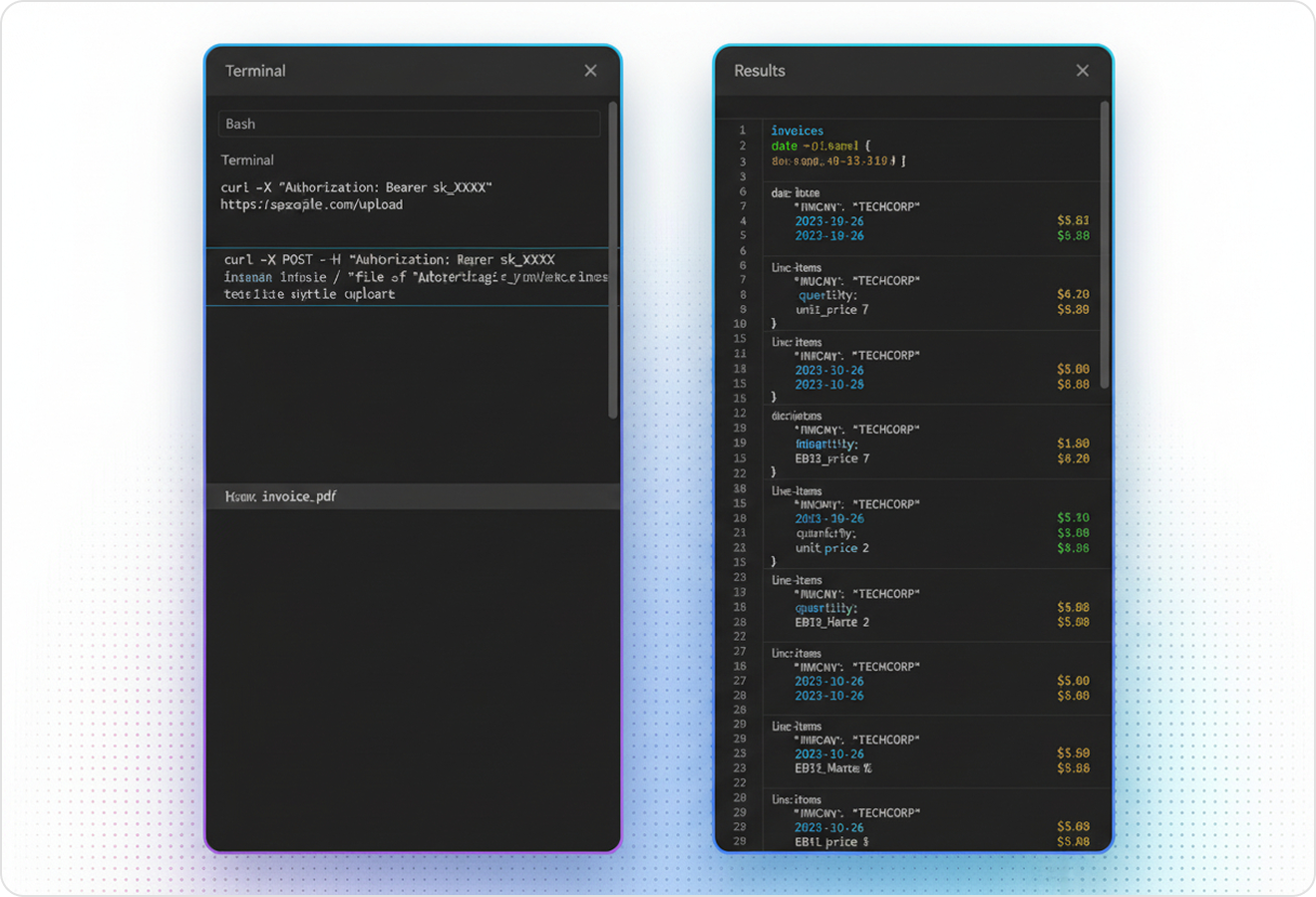
LlamaParse can return structured JSON with rich metadata like page numbers and bounding boxes for each extracted element. For handwriting digitization software, this enables precise review UIs, field-level validation, and audit-friendly links back to the exact region of the original scan.
04
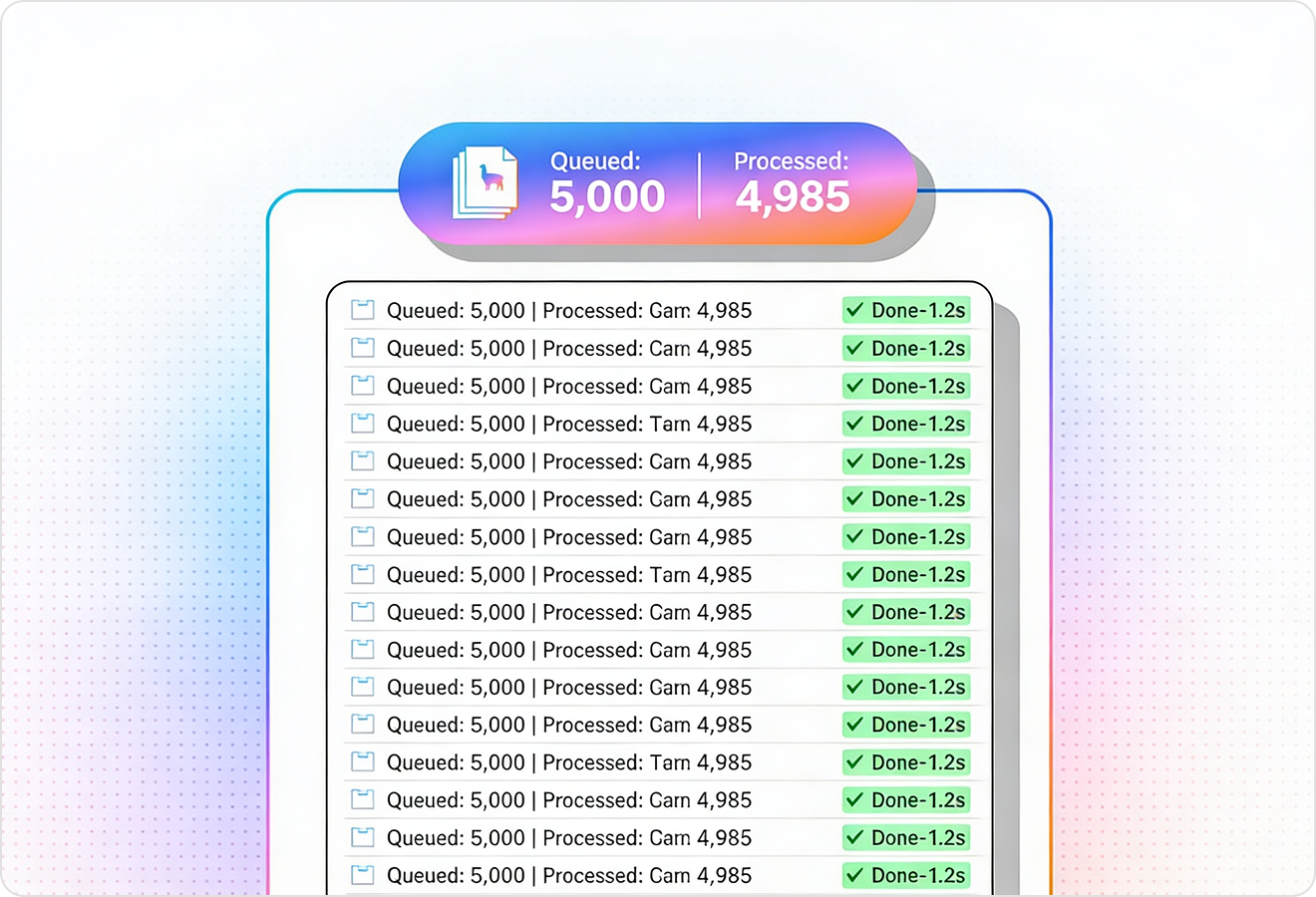
Built-in validation and self-correction steps catch inconsistencies and common extraction errors before results are finalized. This reduces manual QA on messy handwriting and boosts straight-through processing when you’re digitizing large batches of scanned documents.
Technical OCR documentation
Explore our developer guides to easily connect your document pipelines to LlamaParse.
Explore the documentation
Our AI catches the typos that tired eyes miss.

Export to Excel, JSON, XML, or directly via API.

SOC2 Type II compliant with end-to-end encryption.

Train the tool on your specific forms in minutes, not days.

Average processing time of <3 seconds per page.
LlamaParse’s support of a wide variety of filetypes and its accuracy of parsing made it the best tool we tested in our evaluations. The LlamaIndex team was very responsive and we were off to the races within a day.
Common FAQs
01
It’s built for real-world scans—forms, intake sheets, field reports—not just clean typed pages. VLM-powered agentic parsing reads handwriting alongside printed text and keeps them connected, so you get fewer gaps and misreads. That means less manual cleanup before the data is usable.
02
The parser is layout-aware, so it detects structure like columns, headers/footers, fields, and checkboxes. Handwritten notes stay tied to the correct section and reading order, preserving context instead of producing a flat wall of text. This saves time on reformatting and prevents downstream errors.
03
Yes—output can be returned as structured JSON rather than just plain text. This makes it easy to map extracted content into your forms, EHR/CRM, or validation pipelines. You can standardize what you capture and reduce custom post-processing.
04
How can we verify what was extracted and audit it against the original scan?
Every extracted element can include traceability metadata like page numbers and bounding boxes. That lets reviewers jump directly to the exact region of the document for quick confirmation or correction. It’s ideal for audit trails and compliance-heavy workflows.
05
What about quality control—do we still need manual QA on every document?
Built-in validation and auto-correction loops catch common inconsistencies before results are finalized. In practice, that reduces the number of documents that need full human review and increases straight-through processing on large batches. Your team can focus on exceptions instead of rechecking everything.
06
How does this compare to traditional OCR tools for handwriting digitization?
Traditional OCR pipelines often struggle when handwriting, layout complexity, and noisy scans show up together. This approach combines handwriting-aware extraction with layout understanding and structured, traceable outputs, so results are more reliable and easier to operationalize. It’s designed to reduce manual intervention—not just produce a best-effort text dump.