Nov 14, 2025
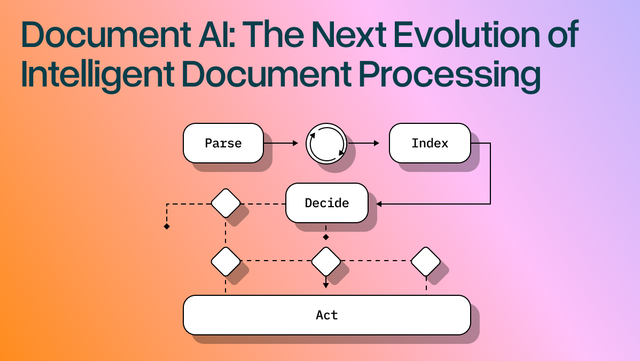
Document AI: The Next Evolution of Intelligent Document ProcessingPersona
Industry
Use cases
Form Table Extraction API
[ Form Table Extraction API ]

Turn messy PDFs into clean JSON with LlamaParse, so your workflows run reliably end-to-end.
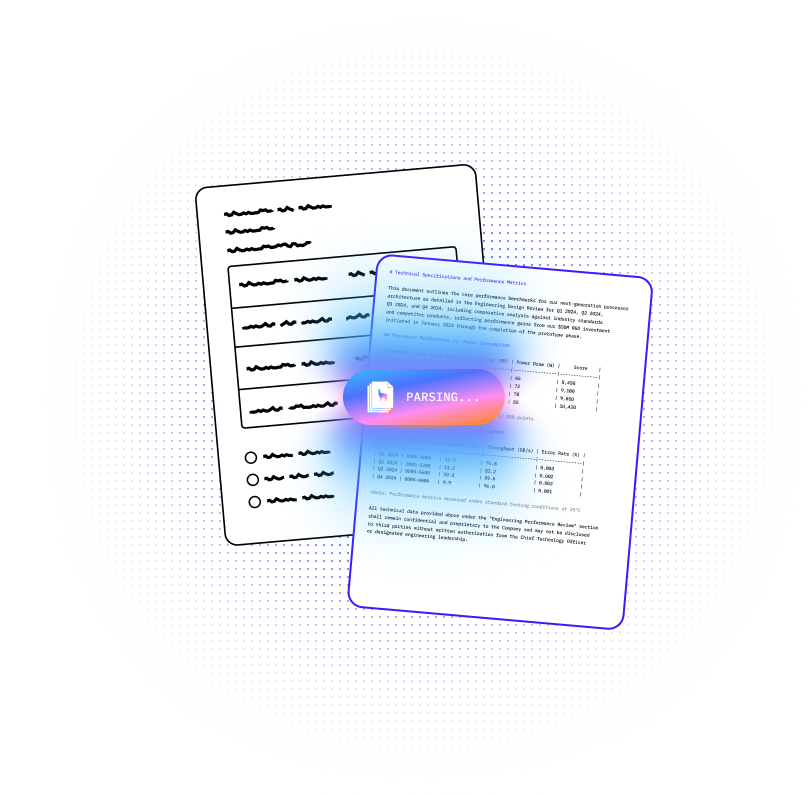
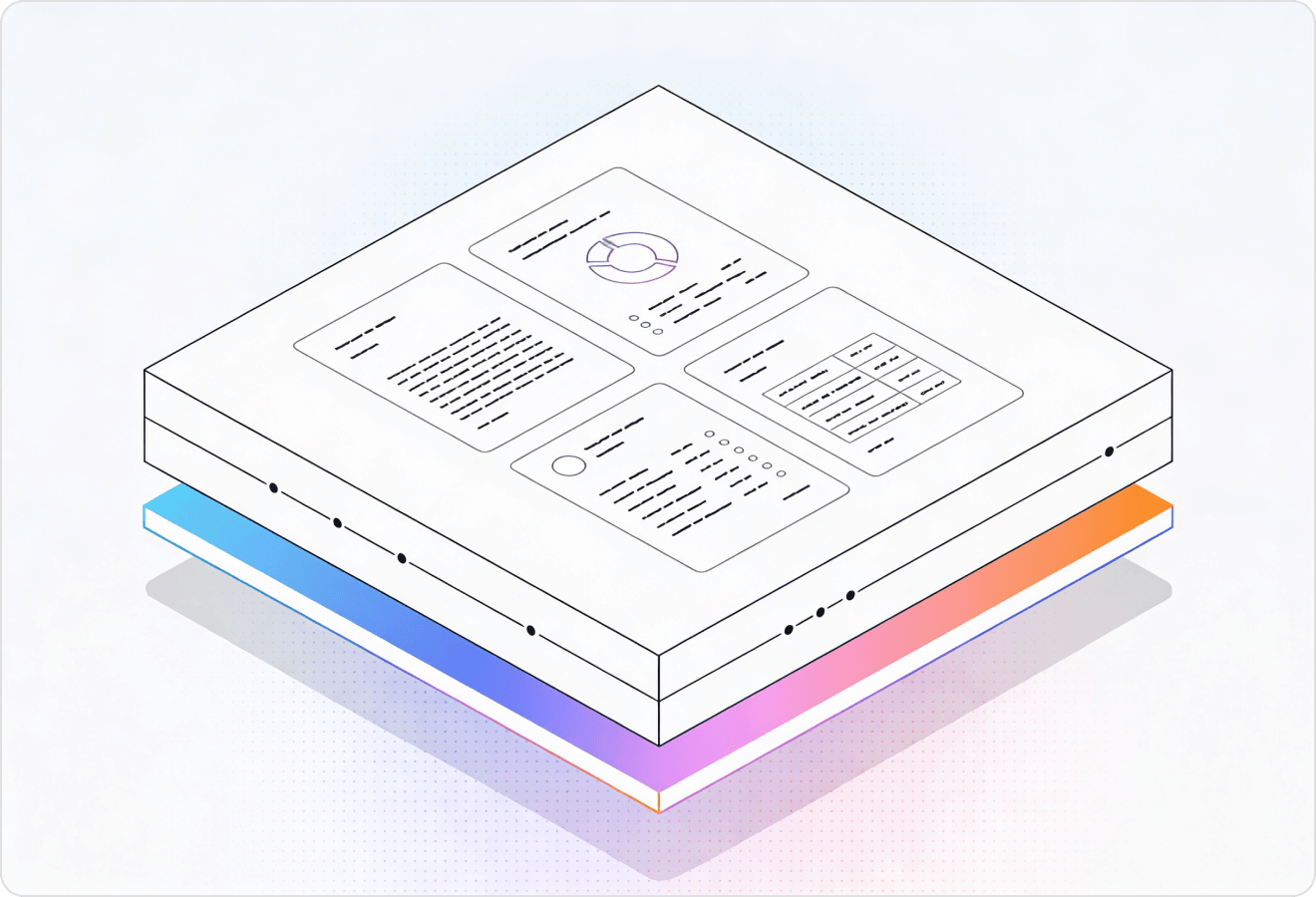

LlamaParse turns messy form tables from PDFs and scans into clean, schema-ready JSON so your API stops guessing at rows and fields. Its agentic document parsing understands layout, validates extractions, and returns traceable metadata for higher straight-through processing with fewer manual fixes.
Best-in-Class Accuracy

Extract borrower income, liabilities, and collateral tables from bank statements, tax forms, and appraisal reports into clean JSON—even when layouts shift between issuers. LlamaParse preserves table structure and line-item relationships so underwriting rules and audit trails don’t break on messy PDFs.

Convert purchase orders, packing lists, and bills of lading into structured line items with quantities, SKUs, and incoterms pulled from multi-column tables. LlamaParse keeps reading order intact across headers/footers and split sections so ERP matching and exception handling can run automatically.

Pull obligation matrices, fee schedules, and renewal terms from contracts and regulatory filings where tables are embedded in scans or complex layouts. LlamaParse returns verifiable outputs with page-level traceability so reviewers can validate extracted terms quickly and reduce rework during audits.

Ship a Form Table Extraction API fast by turning real-world customer PDFs into Markdown tables your app can immediately use for onboarding, analytics, or workflow automation. LlamaParse avoids brittle, hand-written parsing code by handling nested tables and inconsistent templates without custom training.
The Solution
01
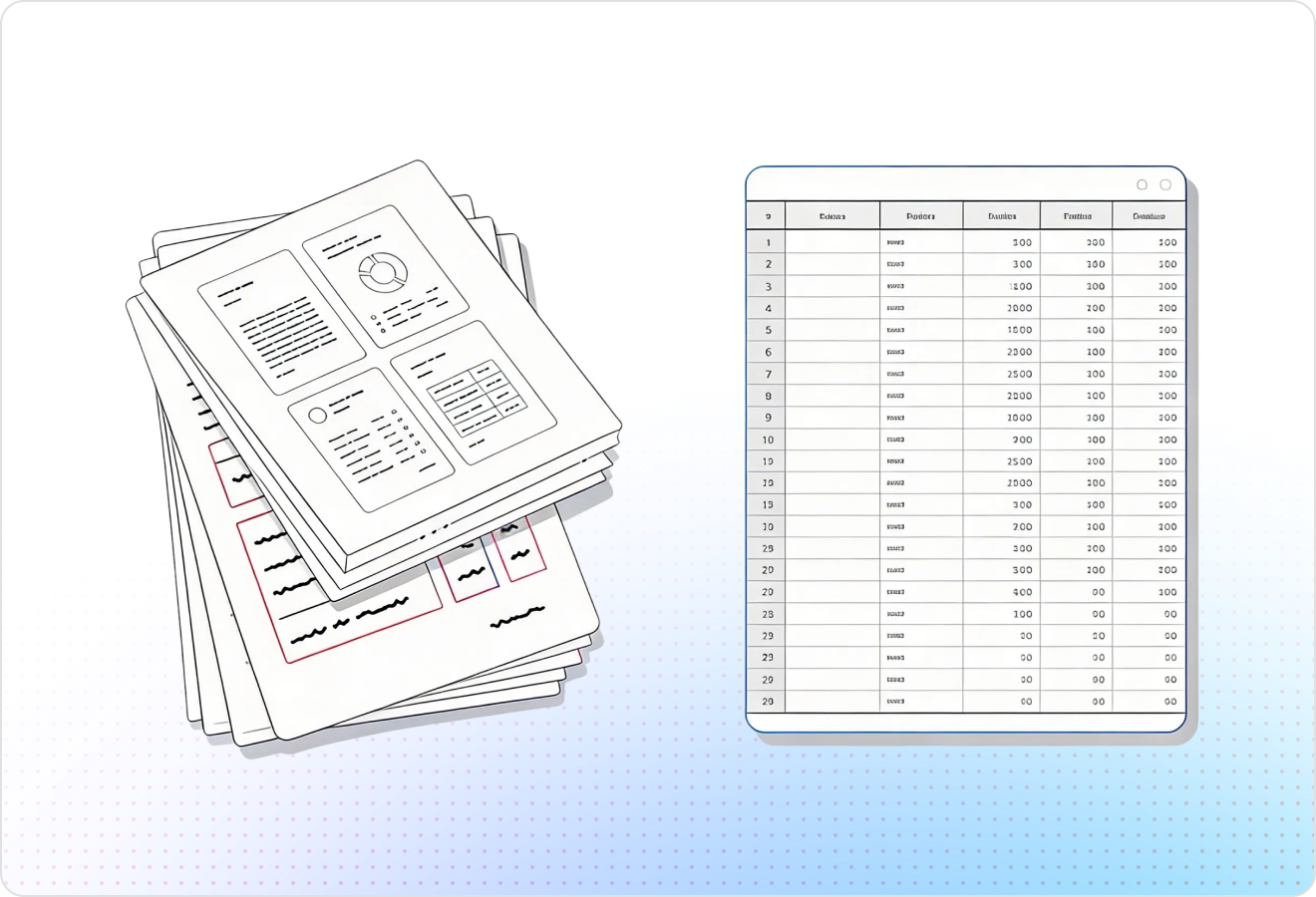
LlamaParse understands page structure so it can extract tables from forms without scrambling rows, columns, or multi-column surrounding text. This gives your Form Table Extraction API clean, reliably ordered tables even when the layout changes between vendors or versions.
02
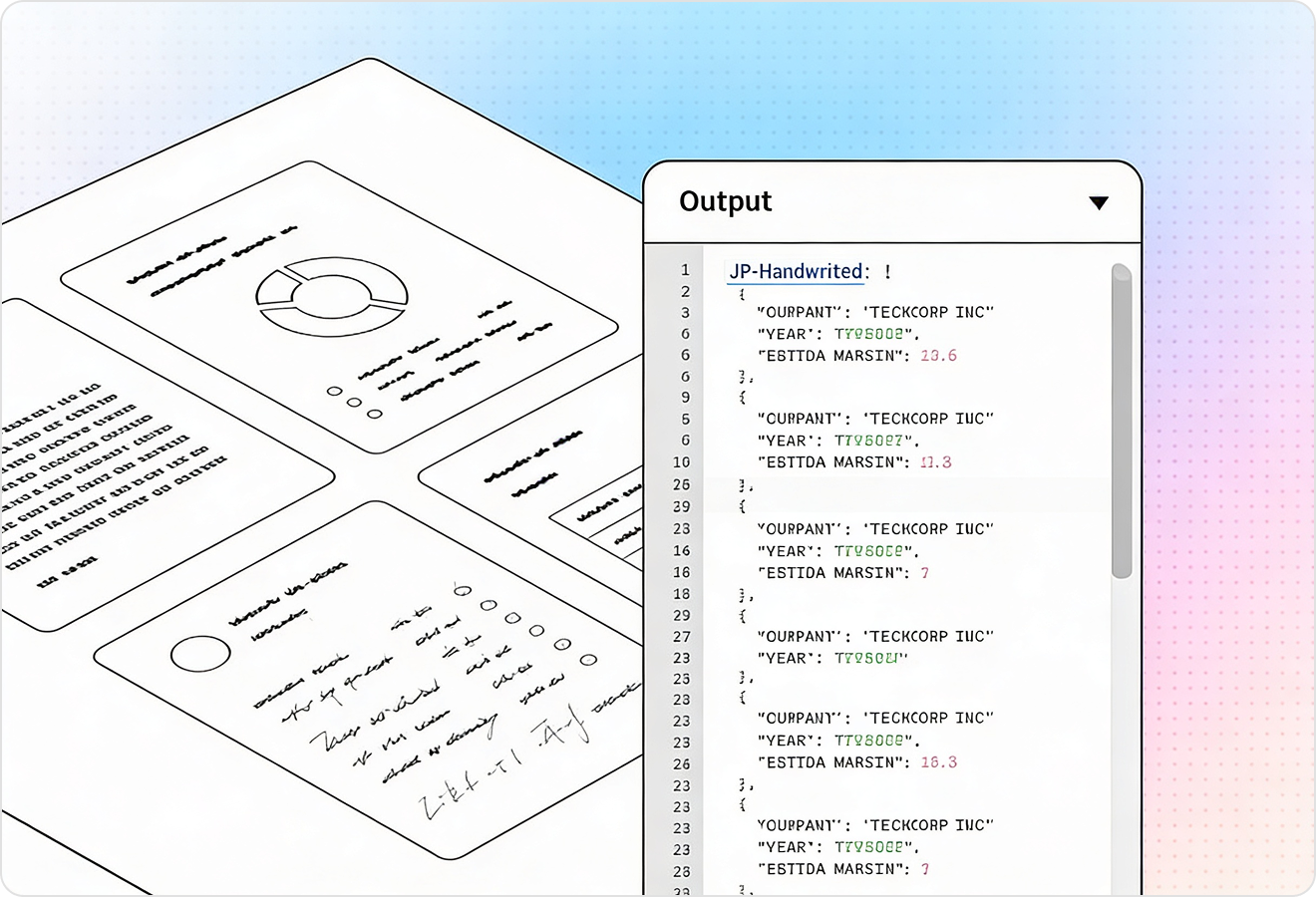
Return form tables as structured JSON that’s easy to push into downstream APIs, databases, and validation rules. This reduces custom post-processing and makes it straightforward to map extracted cells to your canonical schema.
03
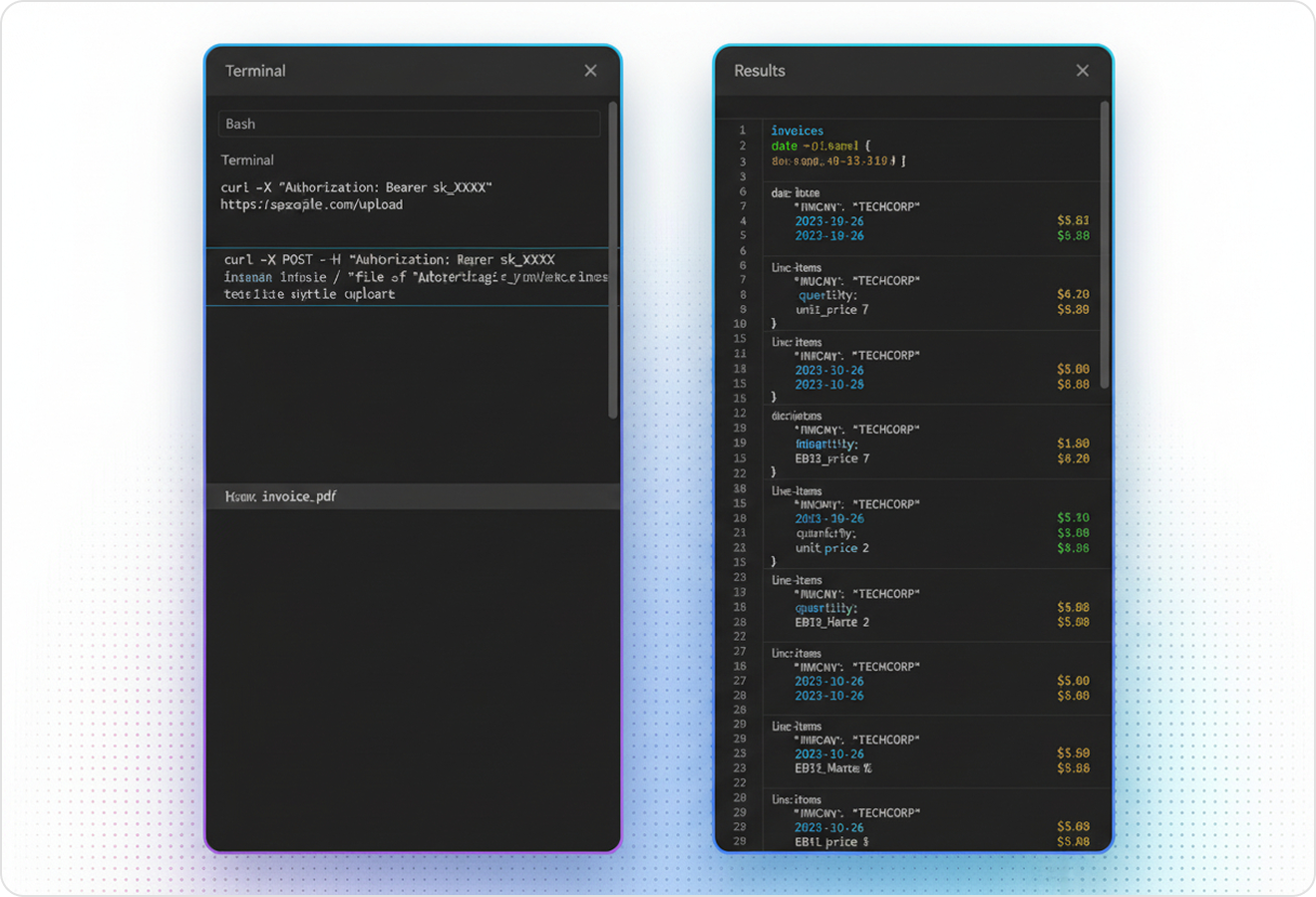
Each extracted table element can include page-level metadata like coordinates and source references for verification. That lets your API provide auditable outputs, power human-in-the-loop review, and quickly pinpoint where a questionable value came from in the original form.
04
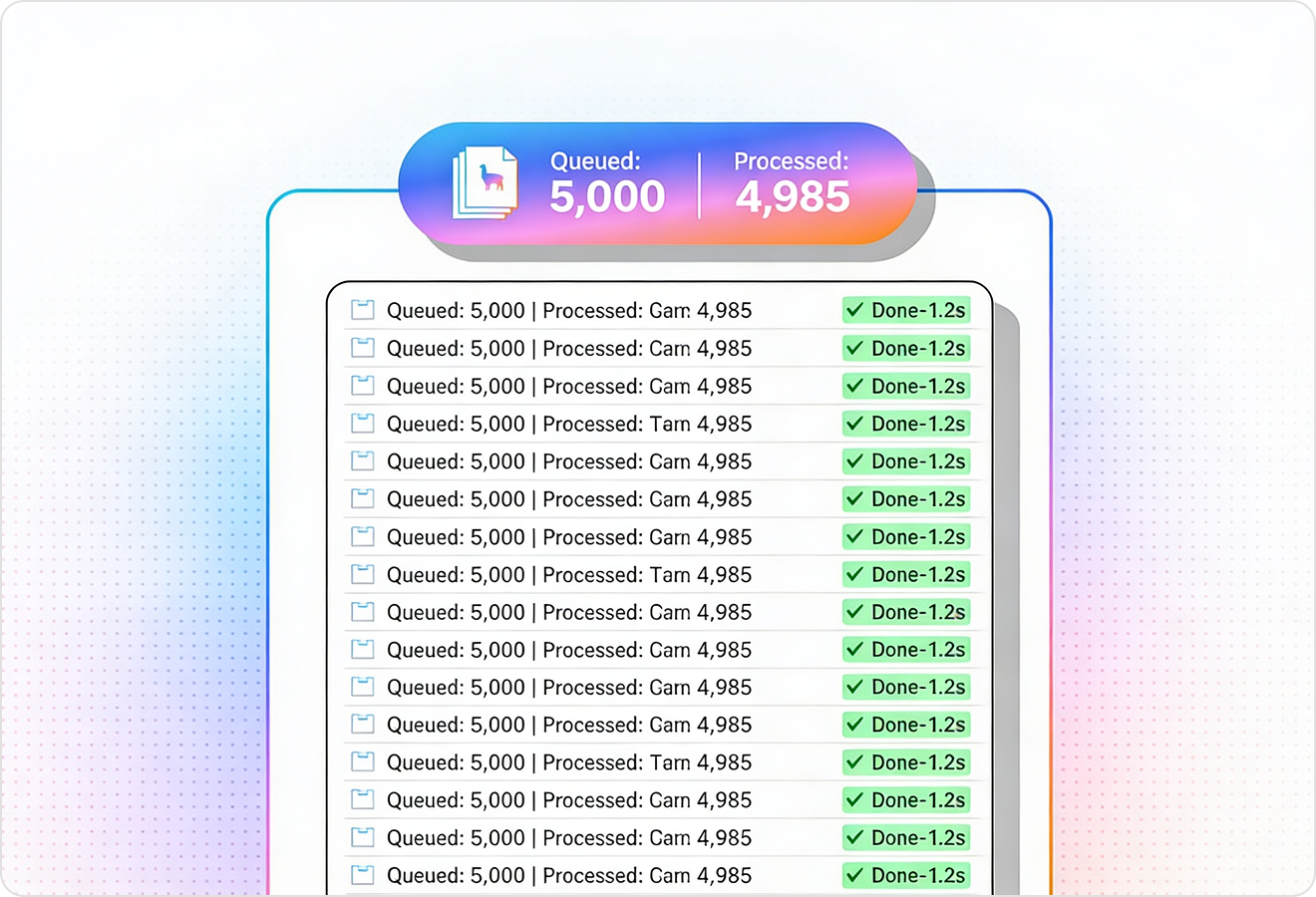
LlamaParse uses agentic parsing with multiple validation passes to catch common extraction errors like shifted columns, dropped headers, or inconsistent totals. For form table extraction, this increases straight-through processing and cuts down on manual exception handling.
Technical OCR documentation
Explore our developer guides to easily connect your document pipelines to LlamaParse.
Explore the documentation
Our AI catches the typos that tired eyes miss.

Export to Excel, JSON, XML, or directly via API.

SOC2 Type II compliant with end-to-end encryption.

Train the tool on your specific forms in minutes, not days.

Average processing time of <3 seconds per page.
LlamaParse’s support of a wide variety of filetypes and its accuracy of parsing made it the best tool we tested in our evaluations. The LlamaIndex team was very responsive and we were off to the races within a day.
Common FAQs
01
Our layout-aware parsing understands page structure, so it captures rows, columns, and headers without getting confused by nearby multi-column text. This helps you get consistently ordered tables even when vendors change templates or release new form versions.
02
Yes—JSON Mode returns tables as clean, structured JSON that’s easy to map to your canonical schema. It minimizes custom post-processing so you can push data directly into databases, downstream APIs, or validation workflows.
03
Each extracted table element can include coordinates and page-level metadata so you can trace every value back to its location in the original form. This makes audits easier and enables fast human-in-the-loop review when something looks off.
04
What prevents common table extraction errors like shifted columns or missing headers?
The API uses validation and self-correction loops with multiple passes to catch issues like dropped headers, misaligned cells, and inconsistent totals. That translates into higher straight-through processing and fewer manual exceptions.
05
How reliable is extraction when the same table appears slightly different across vendors or versions?
Because extraction is layout-aware, the API is designed to handle variations in spacing, column widths, and surrounding text without scrambling the table. You get more consistent outputs across heterogeneous document sets, which reduces brittle, template-specific rules.
06
How do I validate questionable values and handle exceptions in production?
Use the JSON output for deterministic field checks and business rules, then rely on bounding boxes to quickly verify the source when a value fails validation. This approach speeds up triage, supports auditability, and keeps your pipeline moving with minimal manual work.