Nov 14, 2025
Document AI: The Next Evolution of Intelligent Document ProcessingPersona
Industry
Use cases
Eviction Notice OCR
[ Eviction Notice OCR ]

Turn eviction PDFs and scans into structured JSON with LlamaParse, complete with citations and confidence scores.
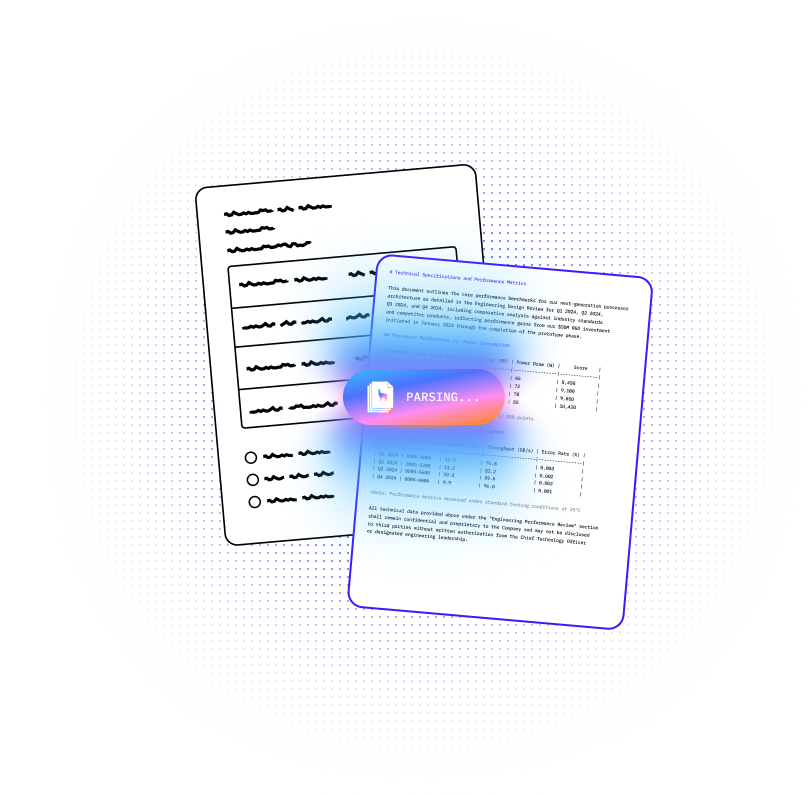

LlamaParse turns messy eviction notices into clean JSON or Markdown, capturing parties, dates, amounts, and notices while staying layout-aware. Validation loops add citations and confidence scores so teams can audit extractions fast, reduce rework, and automate downstream case workflows.
Best-in-Class Accuracy

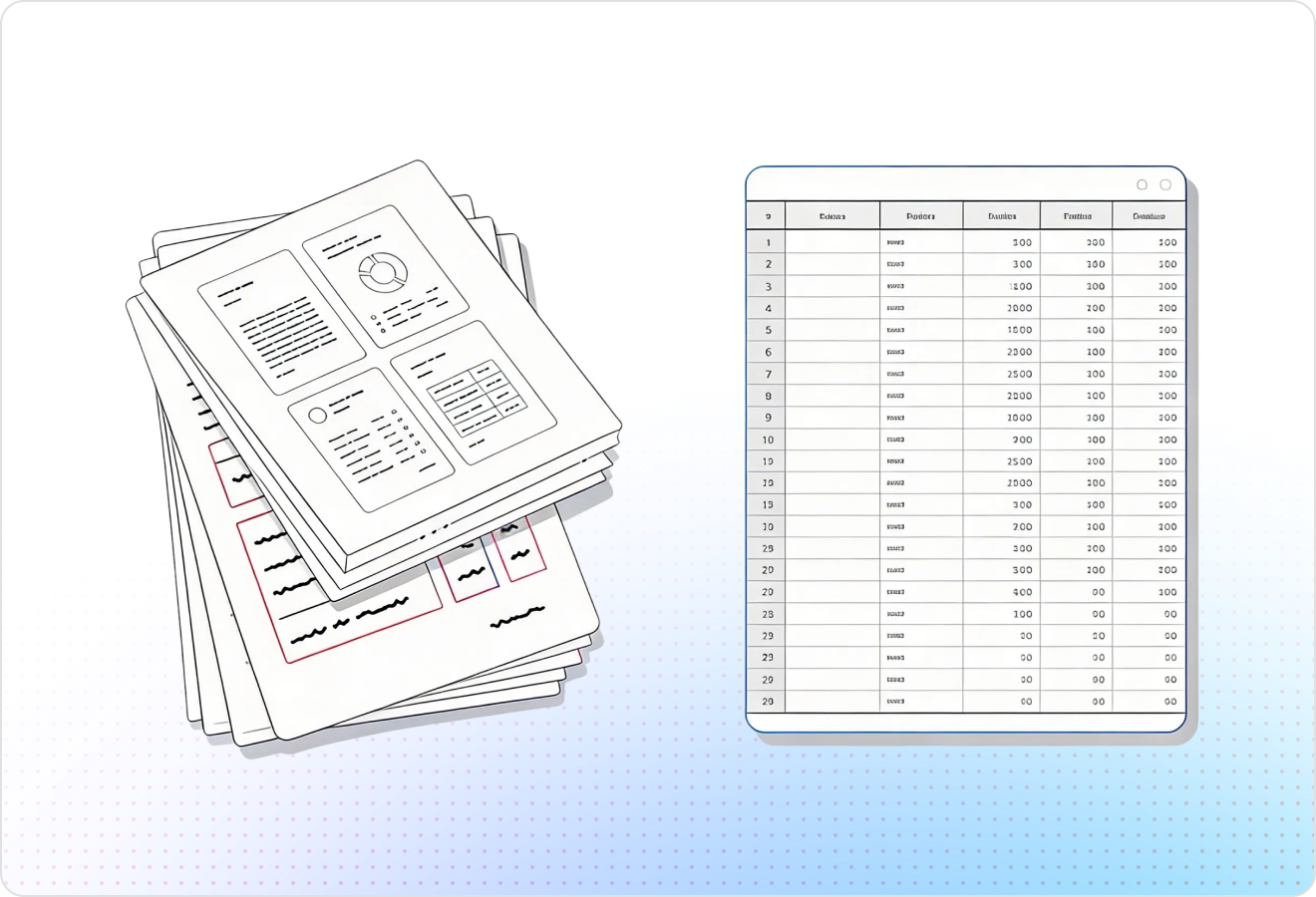
Turn scanned eviction notices and tenant communications into clean, layout-aware JSON so your team can automatically populate case timelines, balances due, and compliance checklists without manual rekeying. LlamaParse preserves reading order across multi-column forms and extracts tables reliably, reducing missed dates and inconsistent records that cause costly delays.

Ingest high-volume eviction notice packets and automatically extract filing dates, cure periods, service details, and party information into structured outputs with citations for quick verification. LlamaParse handles messy scans and varying county templates with agentic parsing and auto-correction loops, cutting paralegal time spent fixing broken text and rebuilding exhibits.

Standardize intake from eviction notices across jurisdictions by converting PDFs and scans into consistent Markdown/JSON for dashboards, audit trails, and downstream analytics. LlamaParse captures tables, stamps, and embedded images with multimodal parsing, enabling faster triage and fewer manual exceptions during peak caseload periods.

Ship an eviction-notice ingestion feature fast by using natural-language parsing instructions to output exactly the schema your app needs for workflows like reminders, risk scoring, and automated tenant messaging. LlamaParse’s tier-based processing and cost optimizer mode keep unit economics predictable while maintaining high accuracy on the gnarly edge cases that break traditional OCR.
The Solution
01
LlamaParse reads eviction notices with layout-aware vision so multi-column text, headers/footers, and boxed sections don’t get scrambled. That makes it reliable to pull the exact notice type, service date, cure/pay deadline, and party names even when templates vary by county or property manager.
02
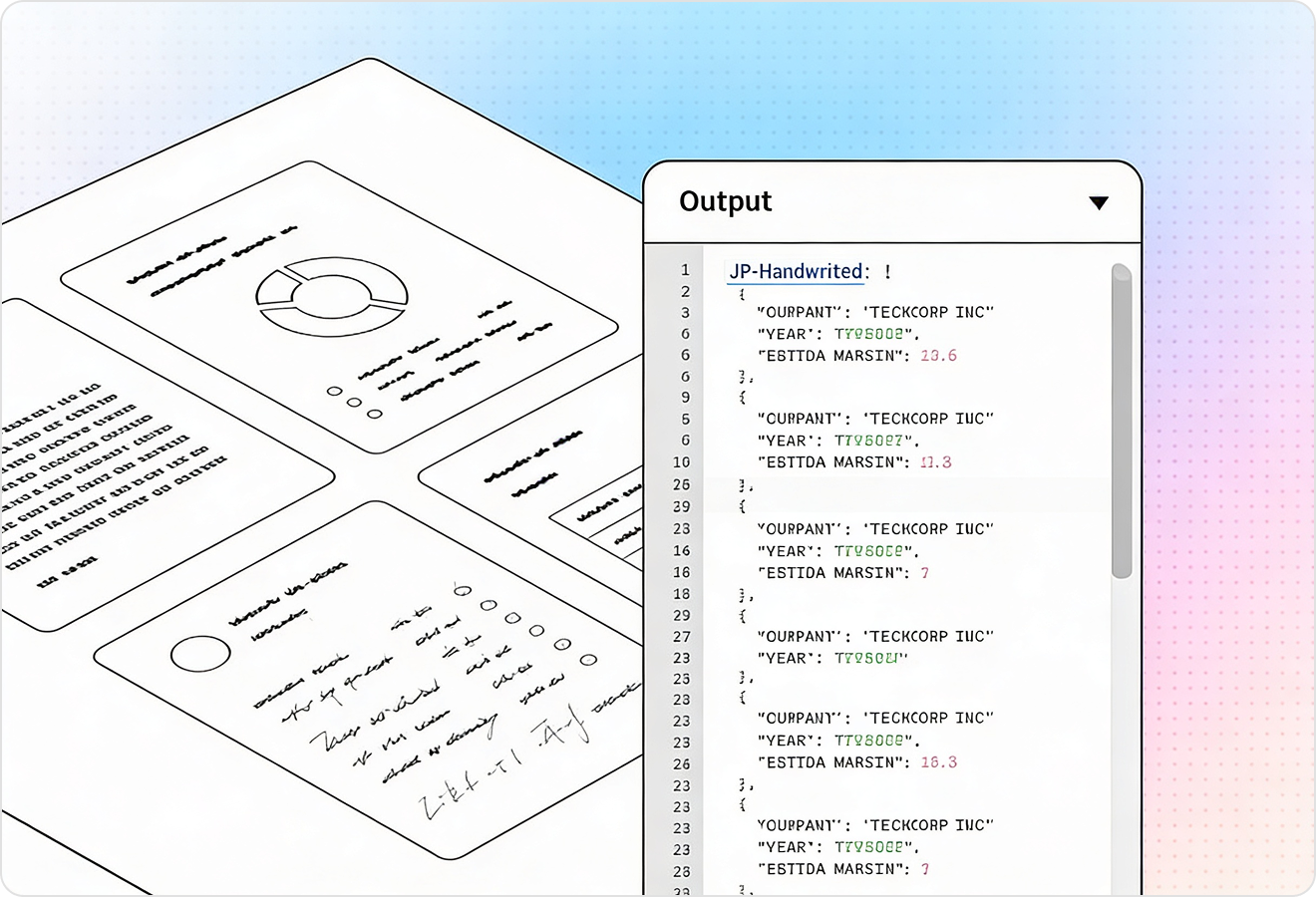
JSON mode returns clean, machine-ready fields for downstream workflows like case creation, deadline tracking, and compliance checks. It’s a practical way to normalize eviction notice data across PDFs, scans, and fax-quality uploads without brittle post-processing.
03
Every extracted element can include page-level and spatial metadata so your app can point back to where a date, amount due, or address came from. For eviction notice processing, that traceability reduces disputes and speeds up human review when something looks off.
04
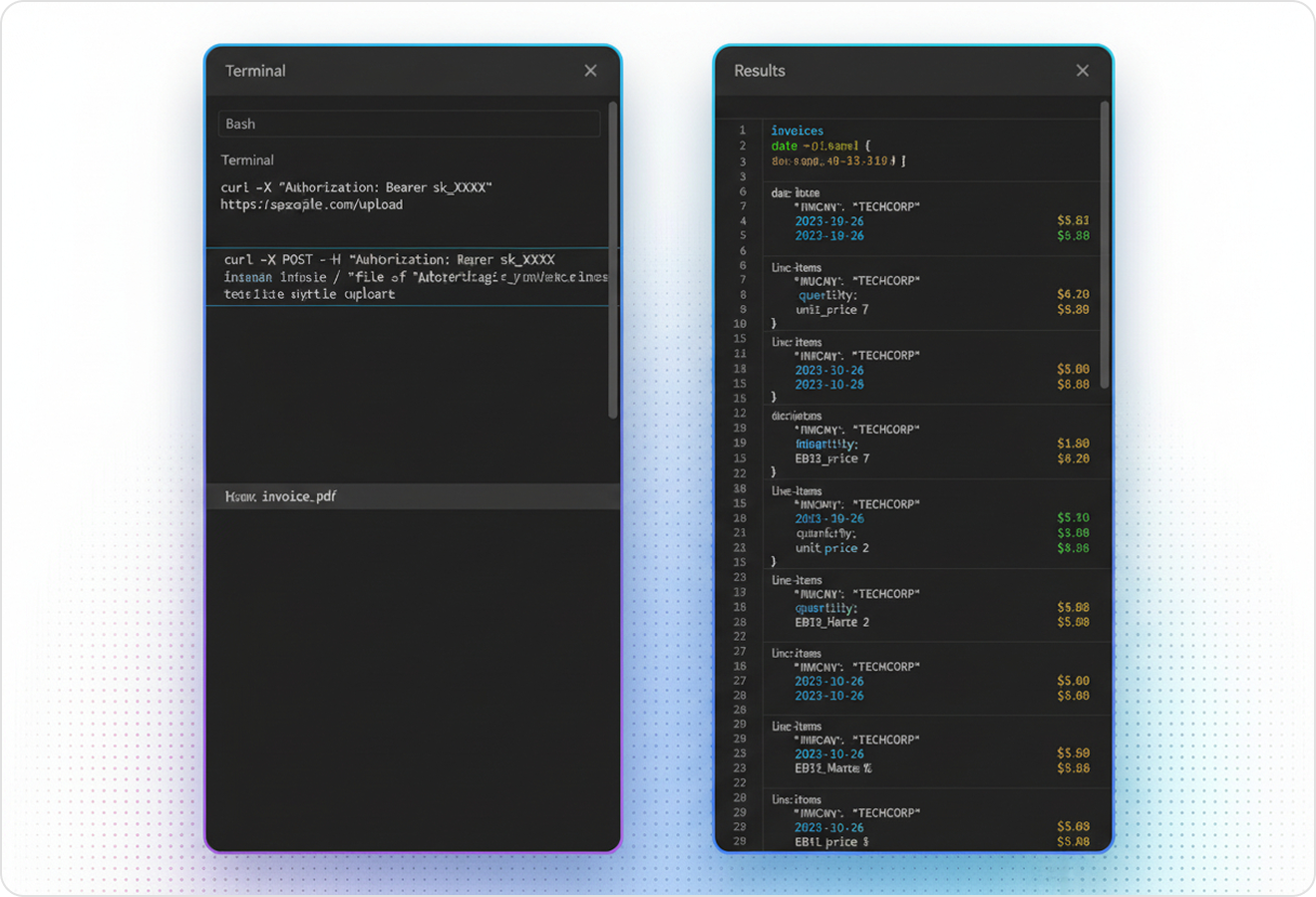
LlamaParse uses validation and self-correction steps to catch common extraction failures like misread dates, swapped tenant/landlord names, or broken line items. This improves straight-through processing on real-world eviction notices, especially low-quality scans and skewed photos.
Technical OCR documentation
Explore our developer guides to easily connect your document pipelines to LlamaParse.
Explore the documentation
Our AI catches the typos that tired eyes miss.

Export to Excel, JSON, XML, or directly via API.

SOC2 Type II compliant with end-to-end encryption.

Train the tool on your specific forms in minutes, not days.

Average processing time of <3 seconds per page.
LlamaParse’s support of a wide variety of filetypes and its accuracy of parsing made it the best tool we tested in our evaluations. The LlamaIndex team was very responsive and we were off to the races within a day.
Common FAQs
01
Yes. Layout-aware field capture preserves multi-column text, headers/footers, and boxed sections so key fields don’t get scrambled when formats change. That means you can reliably extract notice type, service date, cure/pay deadline, and party names even across varied templates.
02
You can extract critical case fields like notice type, service date, cure/pay deadline, tenant/landlord names, property address, and amounts due. Auto-correction loops help catch common mistakes such as misread dates or swapped names, improving results on fax-quality PDFs, skewed photos, and low-resolution scans.
03
Yes—Structured JSON output provides clean, machine-ready fields designed for downstream workflows like case creation, deadline tracking, and compliance checks. This reduces manual rekeying and avoids brittle custom post-processing across PDFs, scans, and image uploads.
04
How can my team verify where a date, amount, or address was pulled from?
Each extracted field can include verifiable citations metadata with page-level and spatial coordinates. Your reviewers can click back to the exact spot on the document, which speeds QA and helps resolve disputes when something looks off.
05
What happens when the OCR makes a mistake—do we have to build our own validation rules?
You don’t have to start from scratch. Auto-correction loops apply validation and self-correction to catch frequent eviction-notice errors like invalid dates, mismatched names, or broken line items, increasing straight-through processing and reducing review time.
06
Can this handle multi-page notices and keep the extracted fields consistent across pages?
Yes. Layout-aware parsing and structured JSON normalization keep fields consistent even when details appear in different sections or pages. Citations metadata also preserves traceability per page, making it easy to audit multi-page packets during review.