Nov 14, 2025
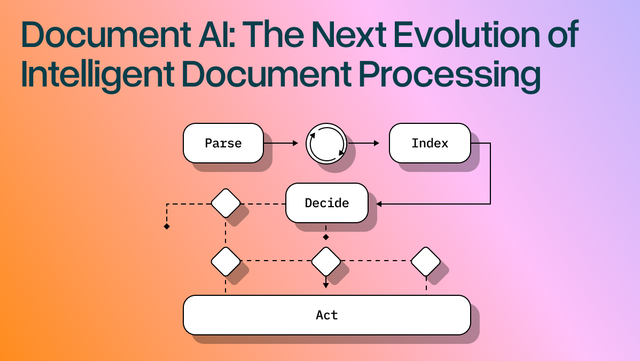
Document AI: The Next Evolution of Intelligent Document ProcessingPersona
Industry
Use cases
Elasticsearch Document Retrieval
[ Elasticsearch Document Retrieval ]

Use LlamaParse to turn messy files into clean fields your Elasticsearch search can trust.
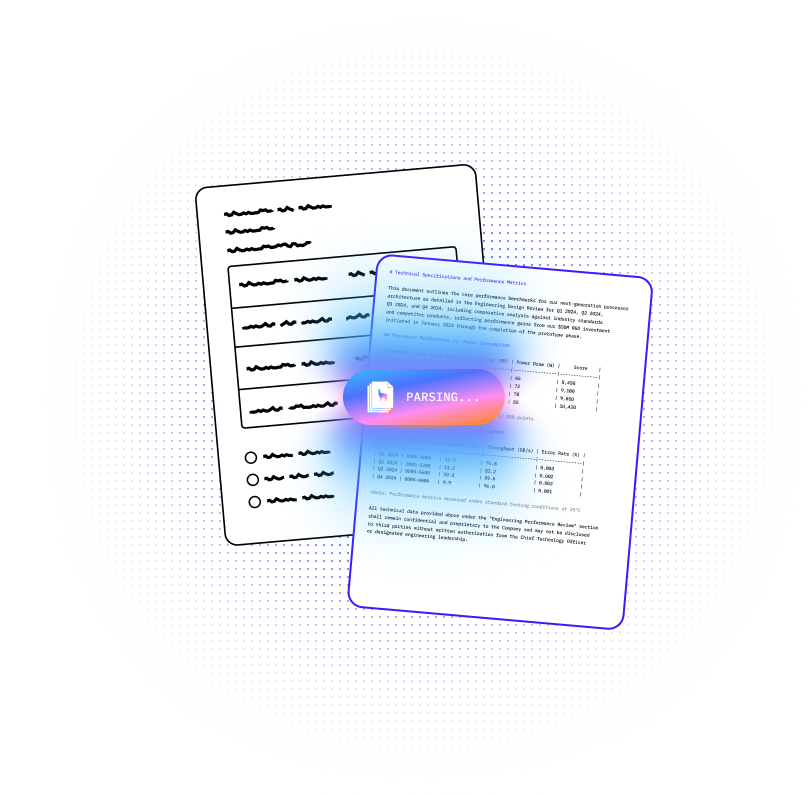
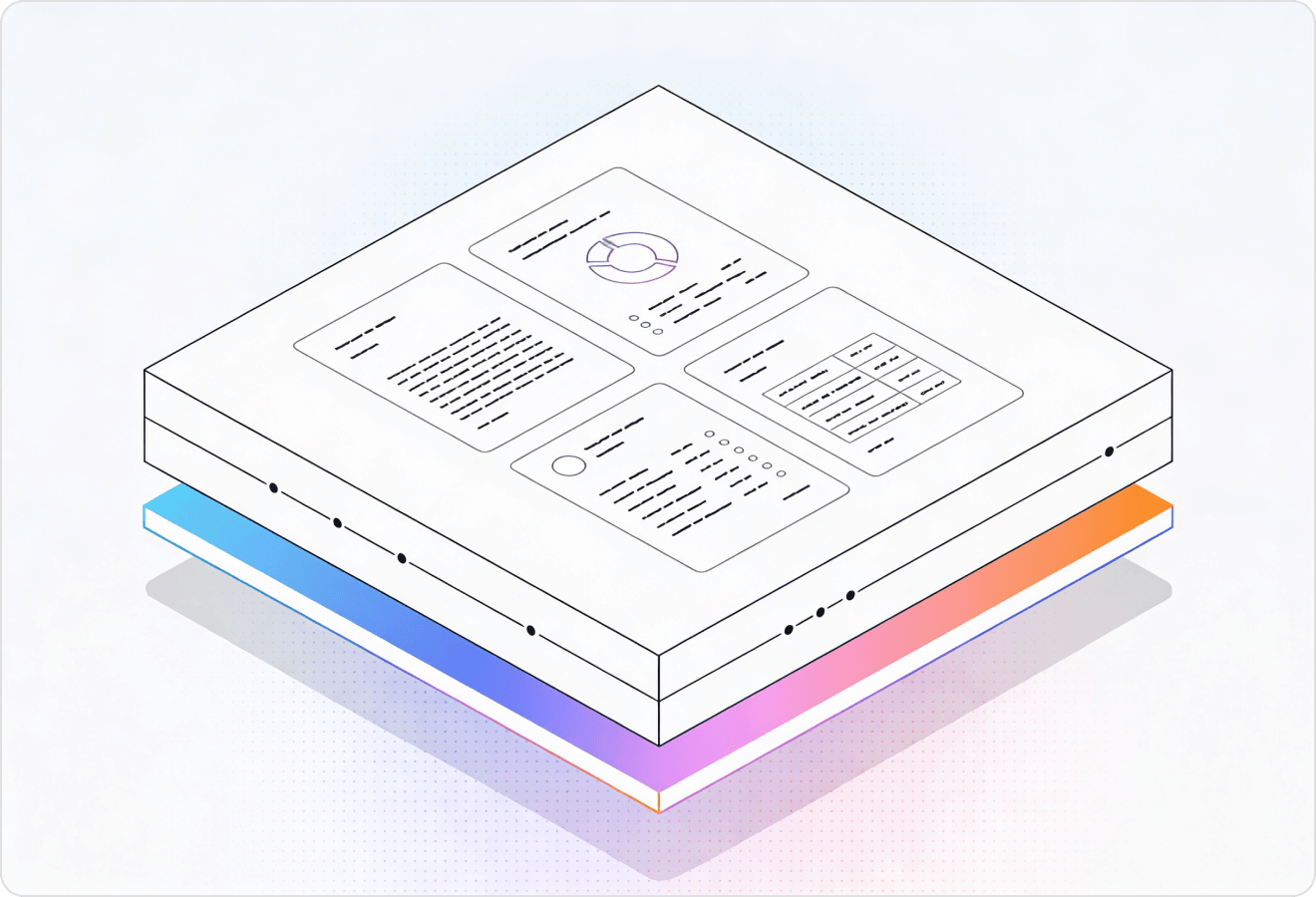
LlamaParse turns messy PDFs and scans into clean, structured fields so your Elasticsearch queries hit the right pages and sections immediately. With layout-aware vision, validation loops, and citations, you can trust results, cut false positives, and keep retrieval fast at scale.
Best-in-Class Accuracy

Turn messy PDFs, pitch decks, and customer contracts into clean Markdown/JSON with LlamaParse, then index into Elasticsearch for fast, reliable document retrieval inside your product. Natural-language parsing instructions and Auto/Cost-Optimizer modes help you ship a searchable knowledge layer quickly without building brittle extraction code or blowing the budget.

Parse bank statements, tax returns, and loan packages into structured JSON with granular metadata, so Elasticsearch can retrieve the exact clause, table row, or figure an underwriter needs in seconds. Layout-aware table extraction prevents scrambled line items, reducing rework and speeding up credit decisions and audits.

Convert multi-column contracts, exhibits, and scanned filings into citation-backed chunks that stay aligned to page numbers and coordinates, enabling precise Elasticsearch retrieval for motions, diligence, and privilege review. Multimodal parsing captures embedded tables and figures so key evidence isn’t missed when documents aren’t text-clean.

Ingest equipment manuals, wiring diagrams, and inspection reports with multimodal parsing that translates schematics, charts, and part tables into searchable text and Markdown. Elasticsearch can then retrieve the right procedure or part number instantly, cutting technician downtime and preventing errors from outdated or poorly scanned documentation.
The Solution
01
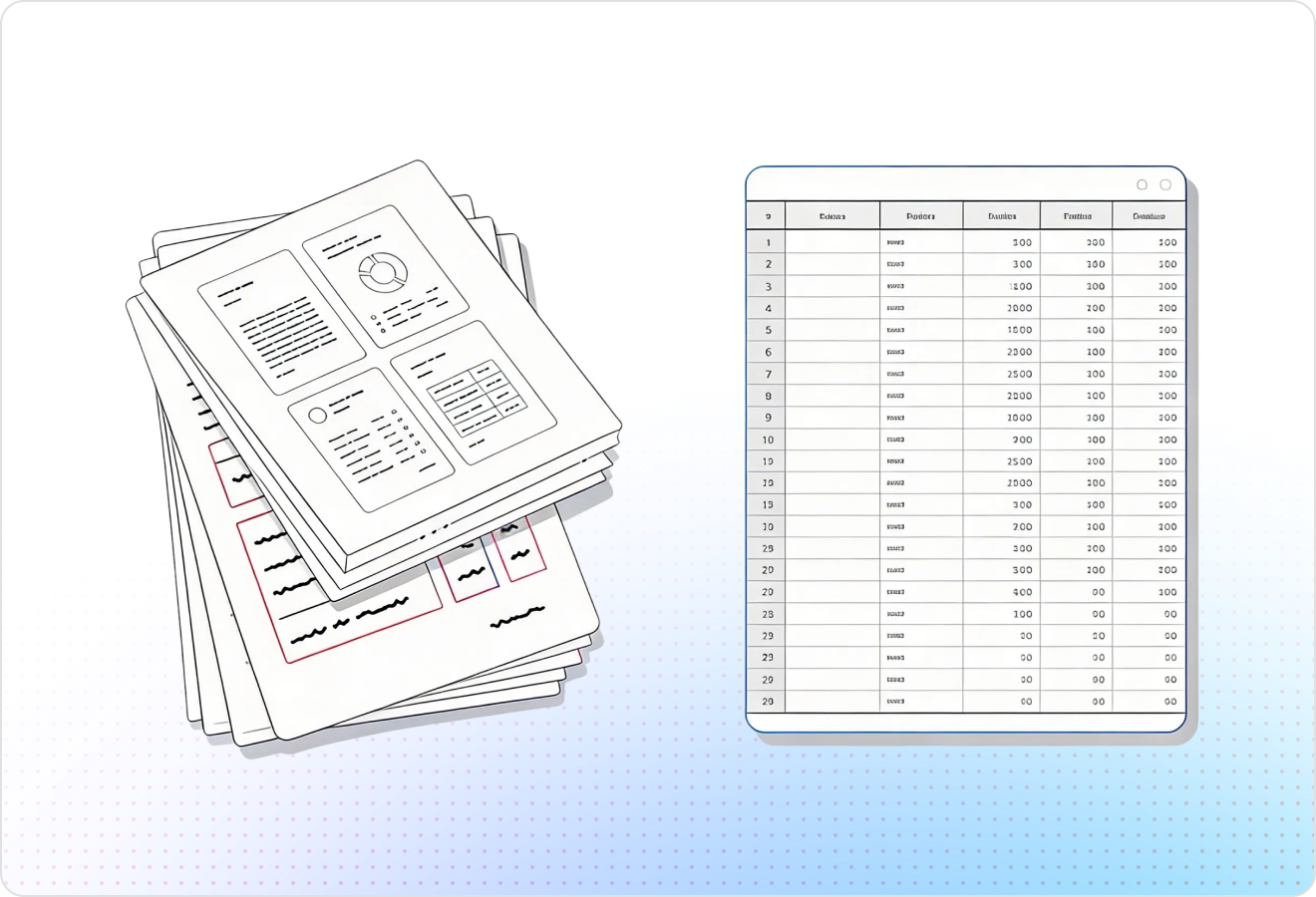
LlamaParse reconstructs reading order from complex layouts like multi-column pages, headers/footers, and nested sections instead of returning scrambled text. That structure maps cleanly to Elasticsearch fields, so your analyzers and queries hit the right section-level content during retrieval.
02
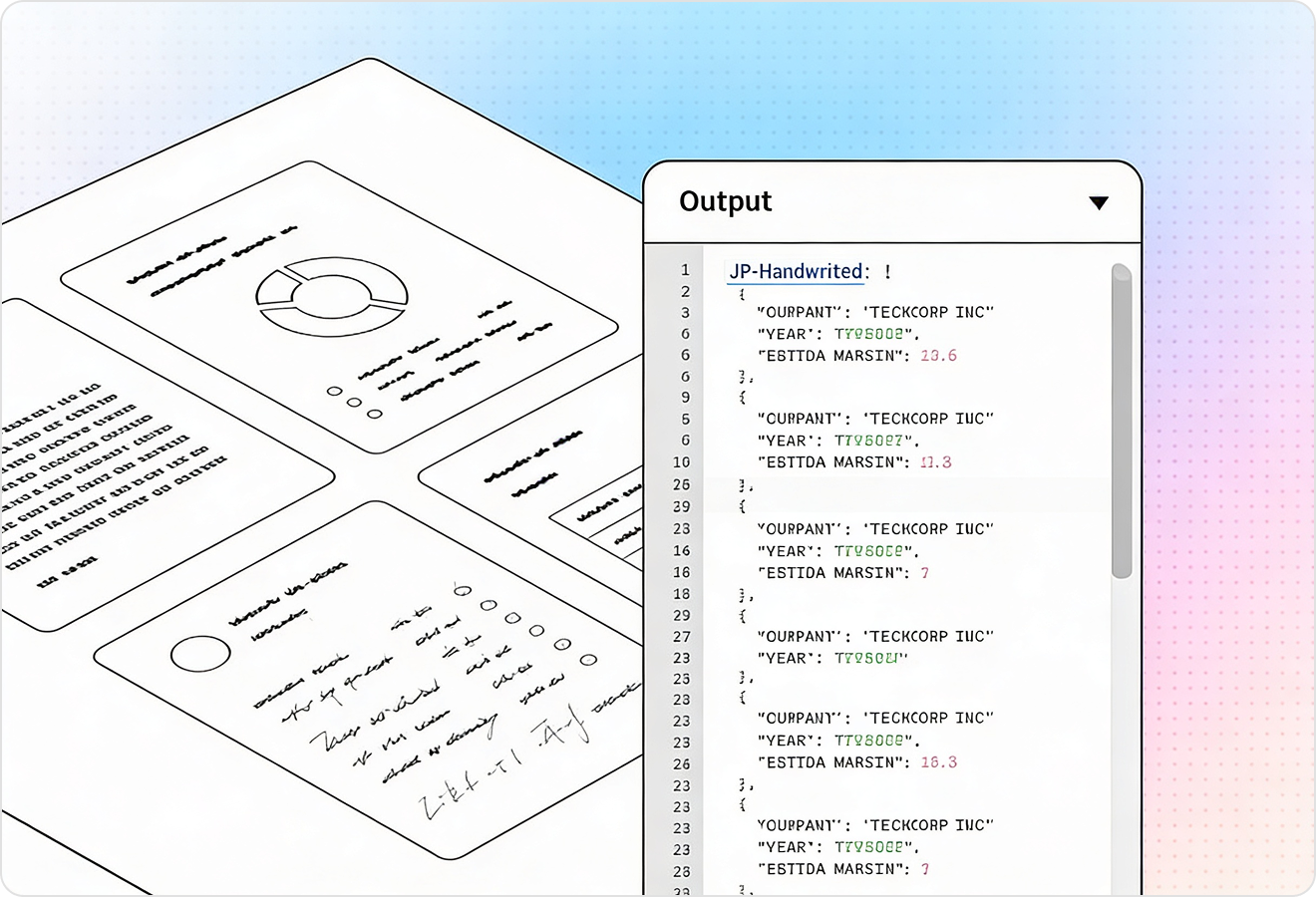
LlamaParse converts documents into clean Markdown with headings, lists, and tables preserved as explicit structure. This makes it straightforward to index predictable chunks in Elasticsearch and improve relevance for section-scoped queries like "only in procedures" or "inside policy exceptions."
03
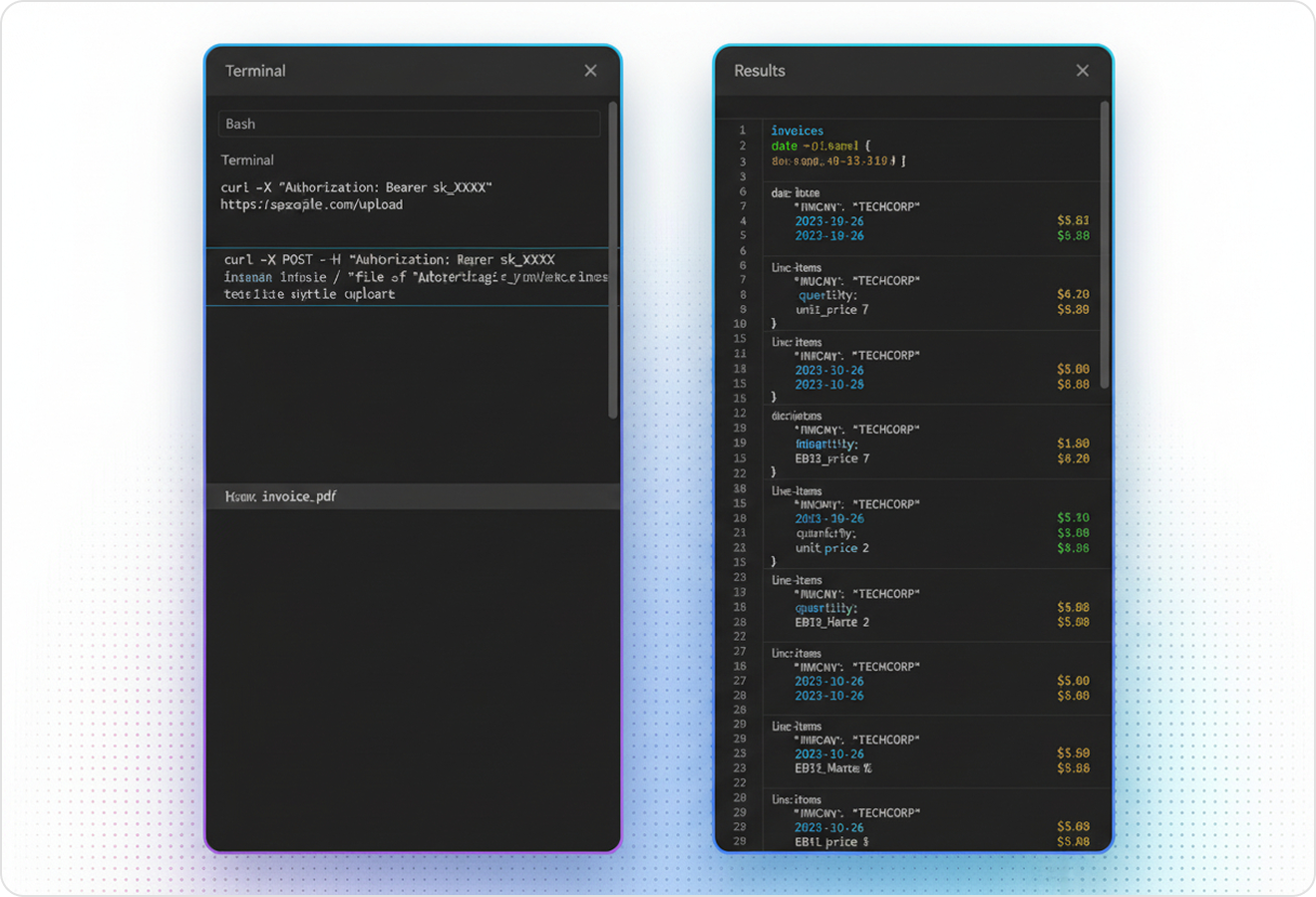
LlamaParse can emit structured JSON with page numbers, element types, and spatial coordinates attached to each extracted block. Those attributes become filterable fields in Elasticsearch, enabling precise retrieval like "tables only" or "page 12" and making results auditable with citations.
04
LlamaParse uses validation and self-correction steps to reduce extraction errors on noisy scans and layout edge cases. Cleaner, more consistent text and structure means fewer bad tokens and less index pollution in Elasticsearch, which directly improves recall and ranking stability.
Technical OCR documentation
Explore our developer guides to easily connect your document pipelines to LlamaParse.
Explore the documentation
Our AI catches the typos that tired eyes miss.

Export to Excel, JSON, XML, or directly via API.

SOC2 Type II compliant with end-to-end encryption.

Train the tool on your specific forms in minutes, not days.

Average processing time of <3 seconds per page.
LlamaParse’s support of a wide variety of filetypes and its accuracy of parsing made it the best tool we tested in our evaluations. The LlamaIndex team was very responsive and we were off to the races within a day.
Common FAQs
01
Layout-aware parsing preserves the true reading order across multi-column pages, headers/footers, and nested sections, so content doesn’t get mixed or “scrambled.” That structure maps cleanly to section-level Elasticsearch fields, helping analyzers and queries match the right content and improving ranking stability.
02
Yes—structured Markdown output keeps headings, lists, and tables as explicit structure, making it easy to create predictable, section-scoped chunks. You can then index those chunks into dedicated fields and run targeted queries like “only in procedures” to boost precision without complex post-processing.
03
You can export structured JSON that includes page numbers, element types (e.g., table vs. paragraph), and even spatial coordinates per block. Those attributes become filterable fields, enabling queries like “tables only,” “page 12,” and auditable results with citations.
04
How does this handle noisy scans and OCR errors without polluting my Elasticsearch index?
Auto correction loops validate and self-correct extraction output, reducing common errors from scans, skewed pages, and tricky layouts. Cleaner, more consistent text means fewer bad tokens in your index, improving recall and keeping relevance from drifting over time.
05
Will this require changes to my current Elasticsearch schema and ingestion pipeline?
Most teams can integrate with minimal changes by mapping parsed sections and metadata to a few well-named fields (e.g., title, section_heading, body, page, element_type). You keep your existing analyzers and retrieval setup, while gaining higher-quality structured inputs that typically reduce downstream cleanup work.
06
How do I cite sources in search results and prove where an answer came from?
Because each extracted block can include page and location metadata, you can store citations alongside the indexed text and return them with search hits. That makes results easier to verify, speeds up review workflows, and builds user trust in retrieval and downstream RAG responses.