Nov 14, 2025
Document AI: The Next Evolution of Intelligent Document ProcessingPersona
Industry
Use cases
Document Classification API
[ Document Classification API ]

Use LlamaParse to classify complex documents reliably and send each file to the right workflow.
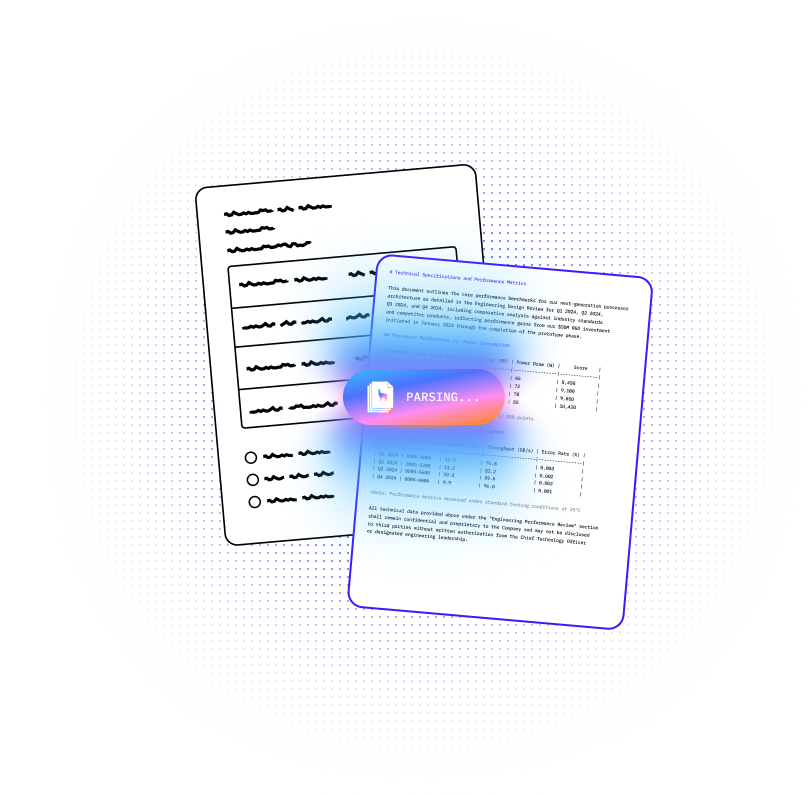


LlamaParse classifies documents by understanding layout and semantics first, so invoices, statements, and forms land in the right bucket automatically. Feed it mixed PDFs and scans, and get consistent labels with confidence metadata to reduce manual review and keep pipelines reliable.
Best-in-Class Accuracy

Ship document-driven features (invoices, onboarding packets, contracts) without building a brittle PDF rules engine—LlamaParse classifies and parses messy uploads into clean JSON your product can rely on. Use natural-language parsing instructions to evolve categories and fields as customers change templates, so your team spends time on product, not constant extraction fixes.

Automatically classify FNOL packets, adjuster notes, police reports, and repair estimates, then extract tables and line items without scrambled columns or missing totals. With granular metadata and validation loops, teams can route exceptions for review with page-level traceability while keeping straight-through processing high for the rest.

Sort and structure large sets of contracts, exhibits, and regulatory filings where headers, footnotes, and multi-column layouts typically break text-only approaches. Convert documents into citation-backed Markdown/JSON so counsel can search clauses, compare obligations, and generate compliance checklists with defensible references.

Classify and parse purchase orders, bills of materials, packing slips, and certificates of analysis, preserving complex tables and part-number hierarchies for direct ERP ingestion. Multimodal parsing turns diagrams, charts, and spec sheets into machine-readable outputs, reducing supplier onboarding time and preventing costly data-entry errors.
The Solution
01
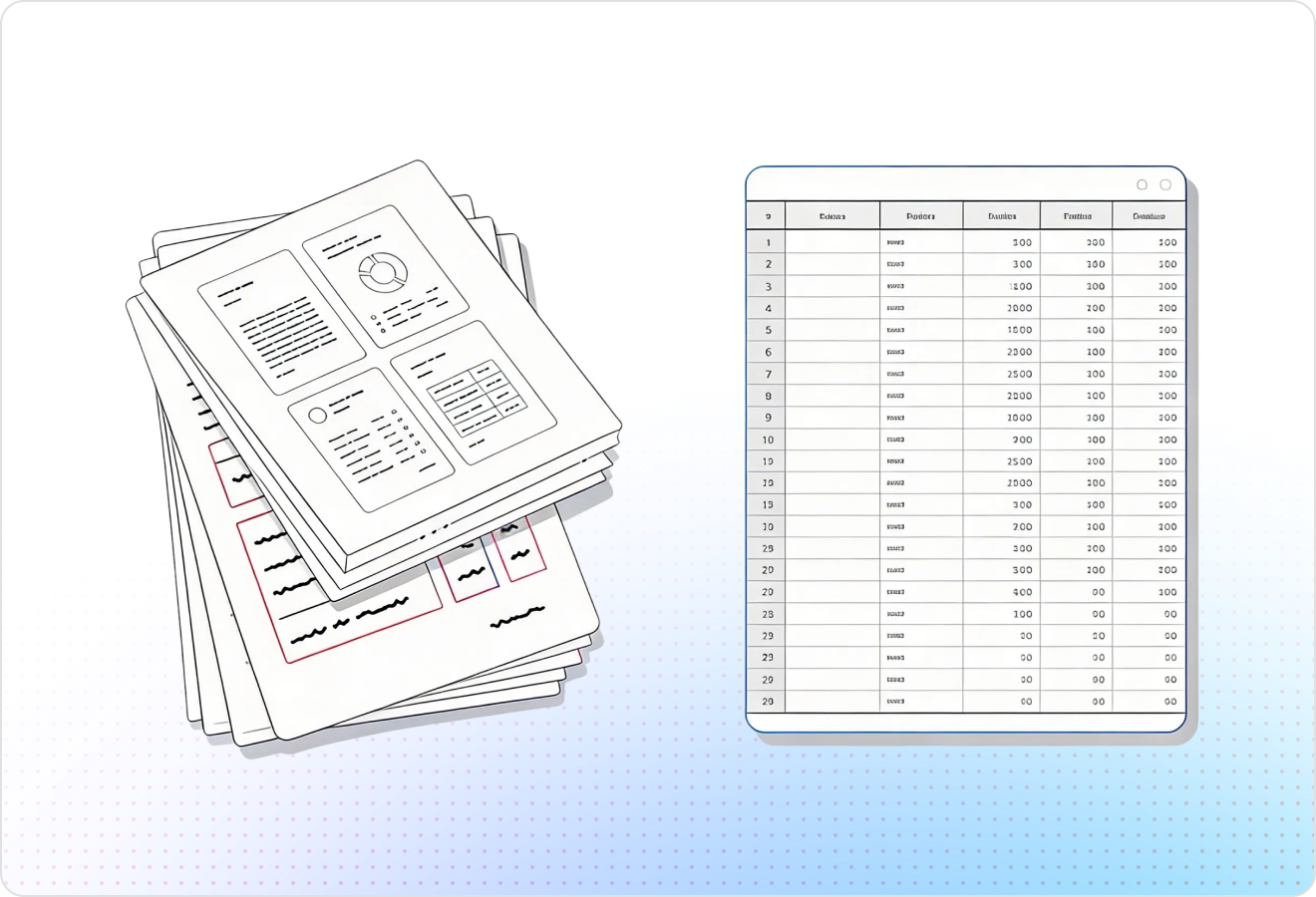
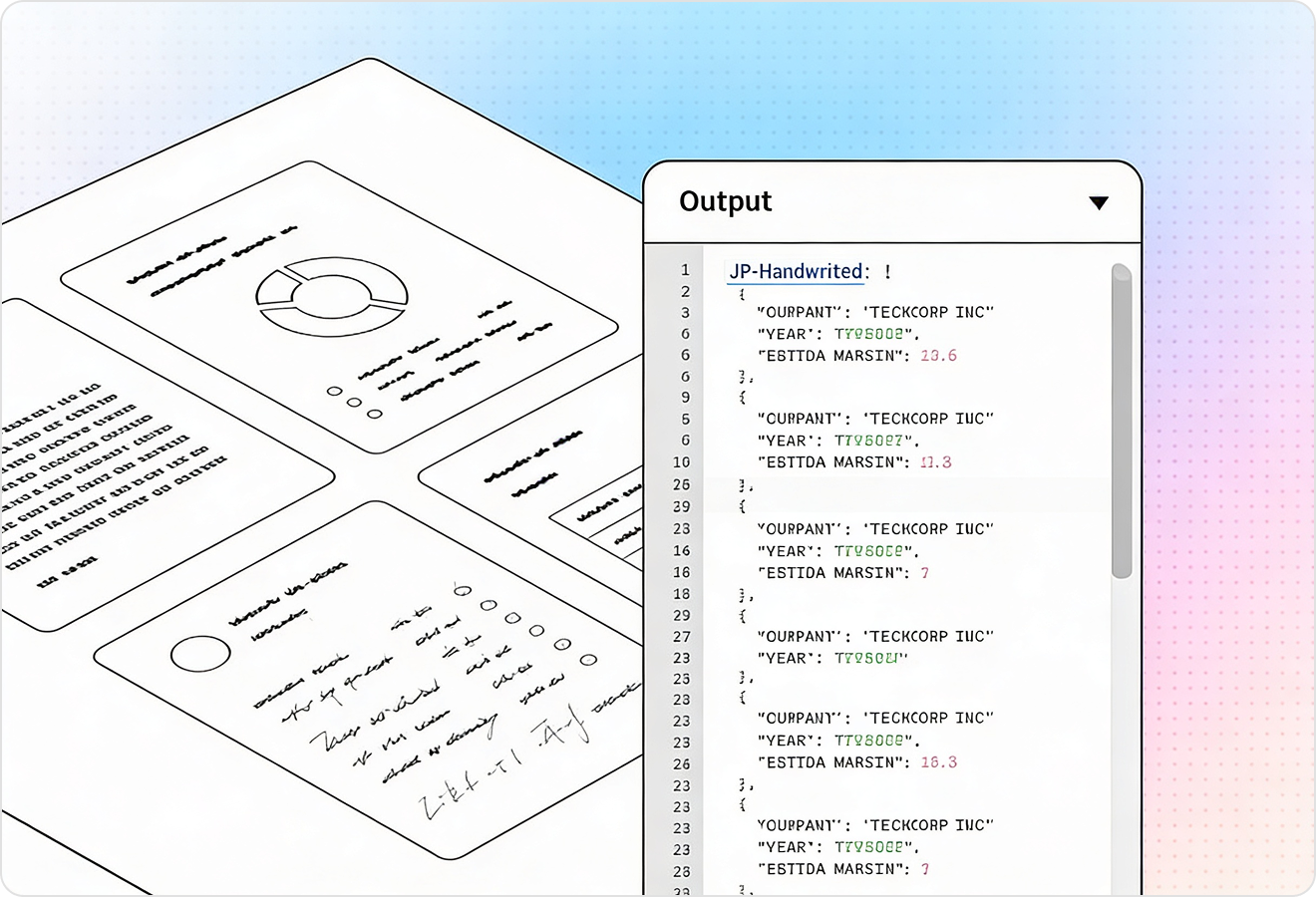
LlamaParse understands real document structure—headers, footers, multi-column flows, sections, and nested blocks—instead of dumping a flat text stream. For a Document Classification API, that means you can classify based on stable semantic regions (like “Terms”, “Invoice Summary”, or “Patient Info”) even when templates and layouts vary.
02
Return AI-ready JSON with cleanly separated elements (sections, paragraphs, tables) rather than forcing your classifier to re-parse messy text. This makes it straightforward to build a deterministic classification API that maps documents into your label taxonomy with consistent fields across inputs.
03
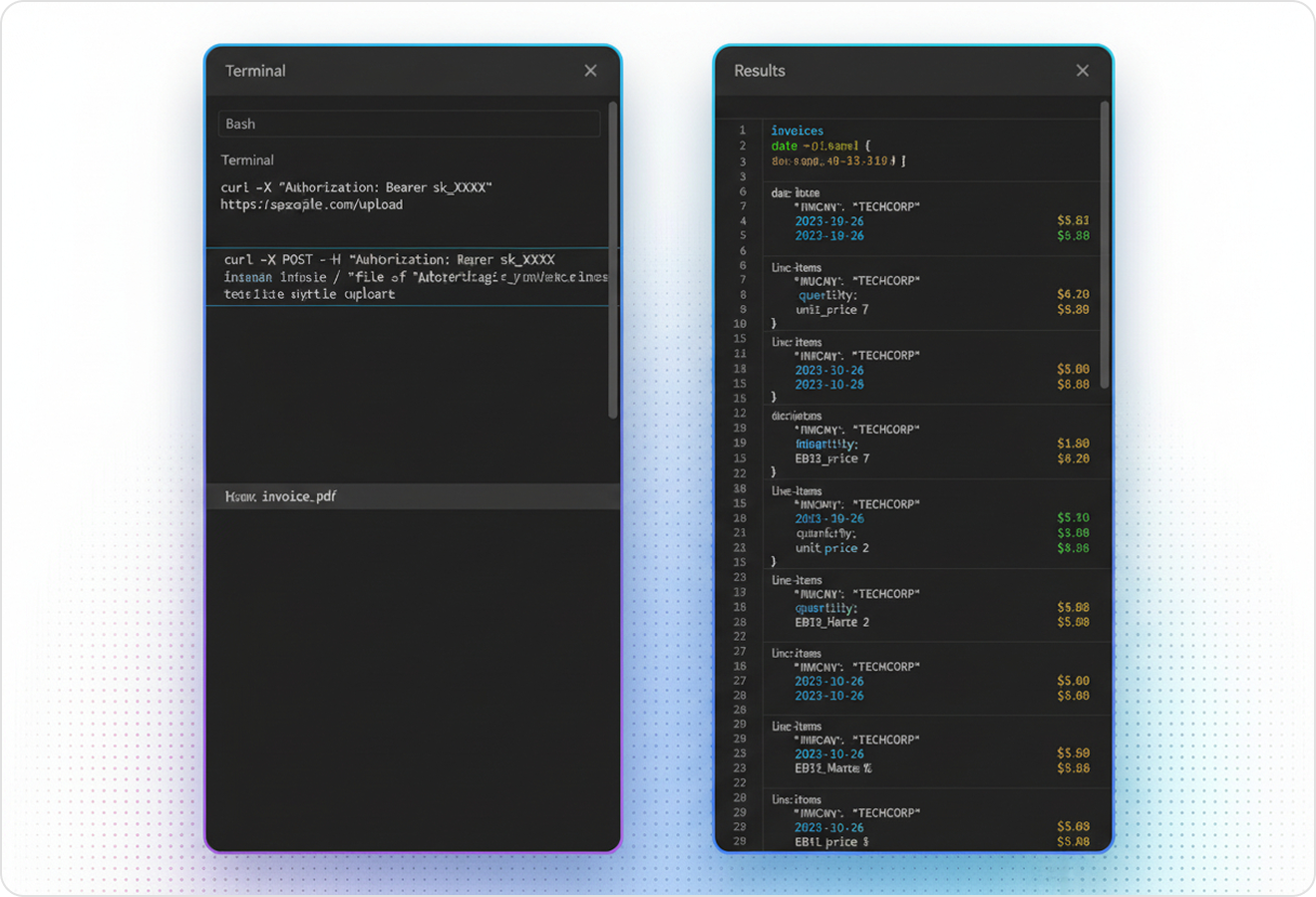
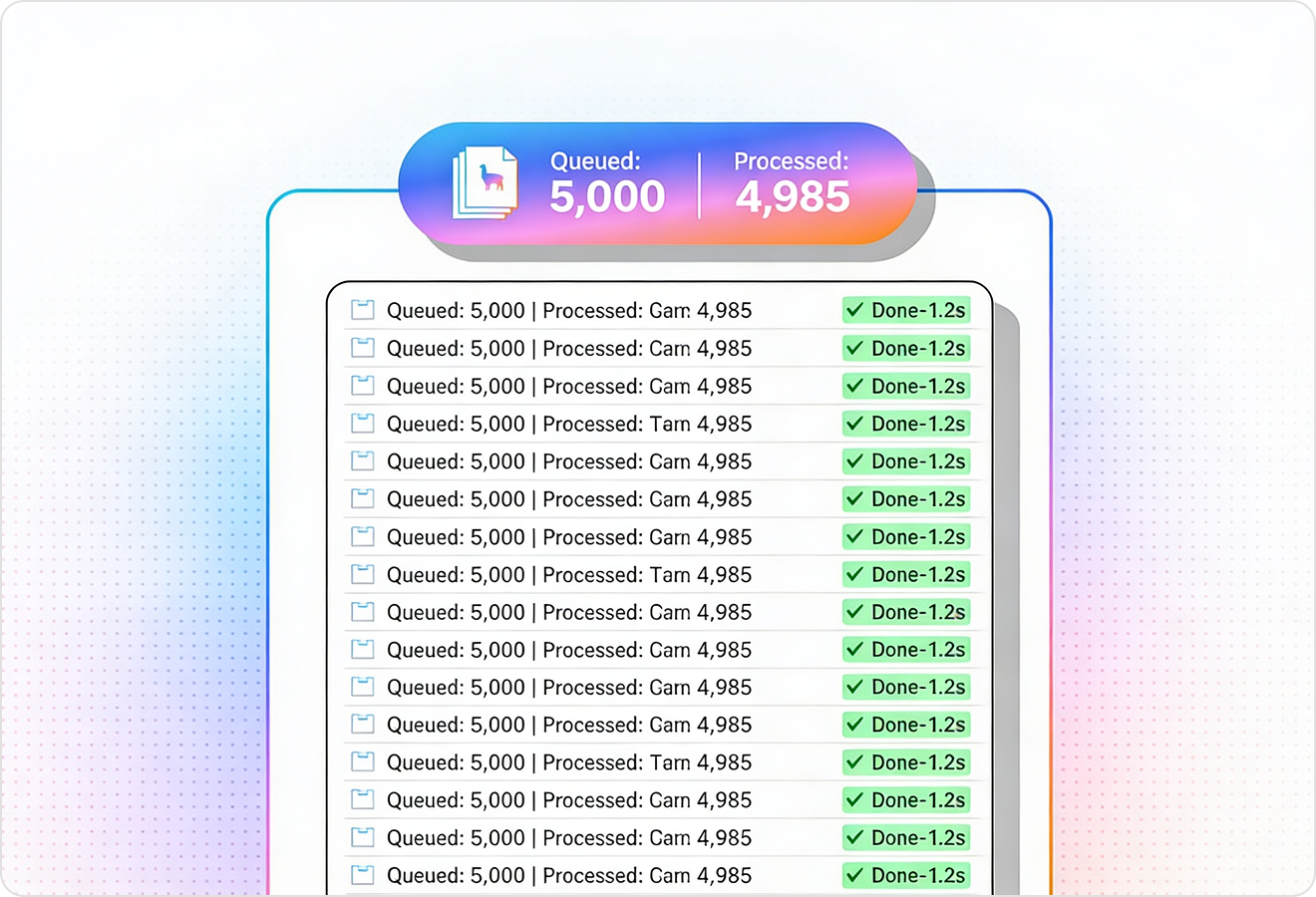
Every extracted element can include page-level traceability (page numbers and spatial coordinates) plus confidence signals, so you can audit what evidence drove a label. In a classification endpoint, that enables explainable results, targeted human review for low-confidence cases, and easier debugging when customers dispute a category.
04
LlamaParse can interpret charts, images, and tables as part of the document’s meaning, not just as ignored pixels. That’s critical for classification when the “type” of document is signaled by visual artifacts (e.g., statement tables, claim forms, lab result graphs) rather than a single keyword.
Technical OCR documentation
Explore our developer guides to easily connect your document pipelines to LlamaParse.
Explore the documentation
Our AI catches the typos that tired eyes miss.

Export to Excel, JSON, XML, or directly via API.

SOC2 Type II compliant with end-to-end encryption.

Train the tool on your specific forms in minutes, not days.

Average processing time of <3 seconds per page.
LlamaParse’s support of a wide variety of filetypes and its accuracy of parsing made it the best tool we tested in our evaluations. The LlamaIndex team was very responsive and we were off to the races within a day.
Common FAQs
01
The API performs layout-aware page segmentation, identifying stable regions like headers, footers, sections, and multi-column flows. That means you can classify based on consistent semantic areas (e.g., “Invoice Summary” or “Patient Info”) even when formats vary across vendors or versions.
02
You get AI-ready JSON with cleanly separated sections, paragraphs, and tables instead of a single flat text blob. This makes it easy to map documents into your label taxonomy using consistent fields and reduces downstream parsing and edge-case handling.
03
Yes—extracted elements can include verifiable metadata like page numbers, spatial coordinates, and confidence signals. This gives you auditable evidence for each label, supports targeted human review for low-confidence cases, and speeds up debugging when a classification is disputed.
04
Will the API understand documents where the key signal is visual (tables, charts, forms) rather than keywords?
It uses multimodal visual understanding to interpret tables, charts, images, and form structure as part of the document’s meaning. That’s especially useful for distinguishing document types that look different even when the text is similar, such as statements, claim forms, and lab reports.
05
How do you reduce errors and keep results consistent as our document mix changes over time?
By classifying from structured, layout-grounded regions rather than brittle keyword matches, the system stays stable across new templates and minor formatting shifts. You can also use confidence signals and citations to continuously audit outcomes and tighten your review workflow where it matters.
06
How quickly can we integrate this into an existing classification pipeline?
Most teams plug it in as a preprocessing step: send a document, receive structured JSON plus traceability, then run your rules or ML model on predictable fields. This approach typically shortens implementation time because you spend less effort cleaning text and handling layout-specific exceptions.