Nov 14, 2025
Document AI: The Next Evolution of Intelligent Document ProcessingPersona
Industry
Use cases
Bill Of Entry OCR
[ Bill Of Entry OCR ]

Use LlamaParse to capture every charge, merchant, and date into structured JSON you can trust.
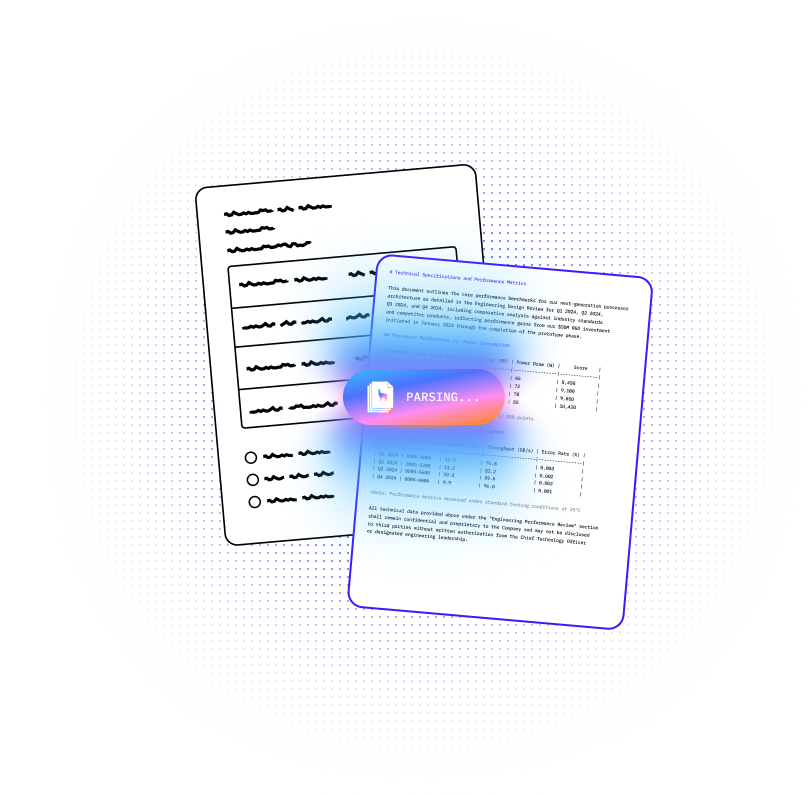

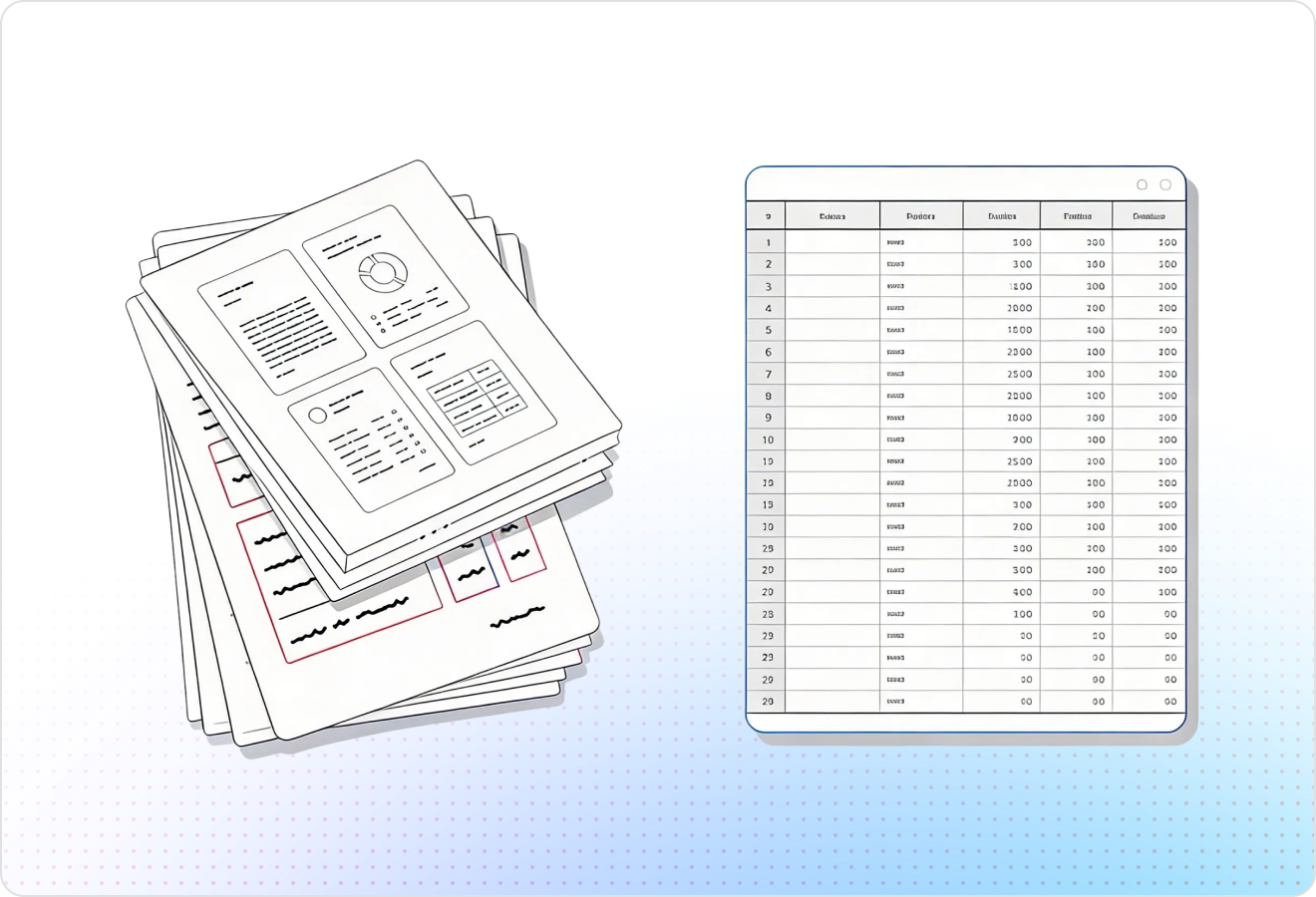
LlamaParse turns messy credit card statement PDFs into consistent, structured outputs like JSON or tables, so transactions are ready for reconciliation and analytics. Agentic document parsing understands layouts and validates extracted fields with confidence metadata, reducing manual review when formats change month to month.
Best-in-Class Accuracy

Use LlamaParse to turn user-uploaded credit card statements into clean JSON (merchant, category, fees, interest, payments) with citations, so onboarding and underwriting don’t depend on manual ops. Natural-language parsing instructions let you standardize outputs across issuers and statement formats without building brittle templates that break every time a layout changes.

Parse multi-page statements into reconciliable line items and month-end summaries, preserving tables and reading order so charges, credits, and totals don’t get scrambled. Auto-correction loops reduce exception handling on messy scans, speeding up close and improving audit readiness with traceable source references.

Extract card transactions and cash-advance activity from statements to validate claim timelines, detect inconsistencies, and support fraud investigations with page-level evidence. Layout-aware table extraction captures fees, interest, and payment history accurately—critical when decisions hinge on small discrepancies.

Automate income/expense analysis by converting statements into structured spend profiles, identifying recurring obligations and risk signals without requiring members to fill out extra forms. Tier-based processing keeps costs predictable by routing straightforward pages to fast parsing while escalating only complex layouts to higher-accuracy agentic parsing.
The Solution
01
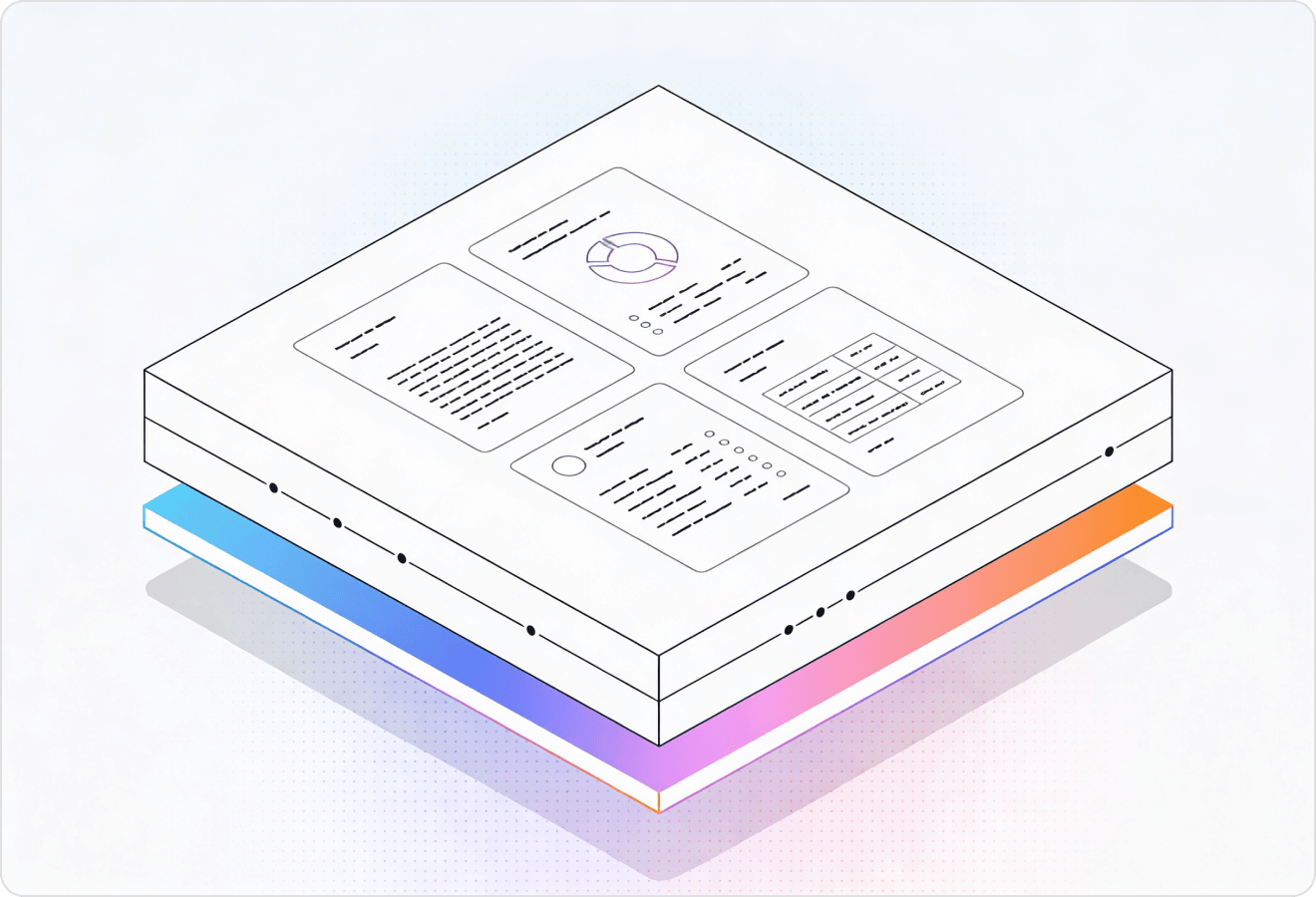
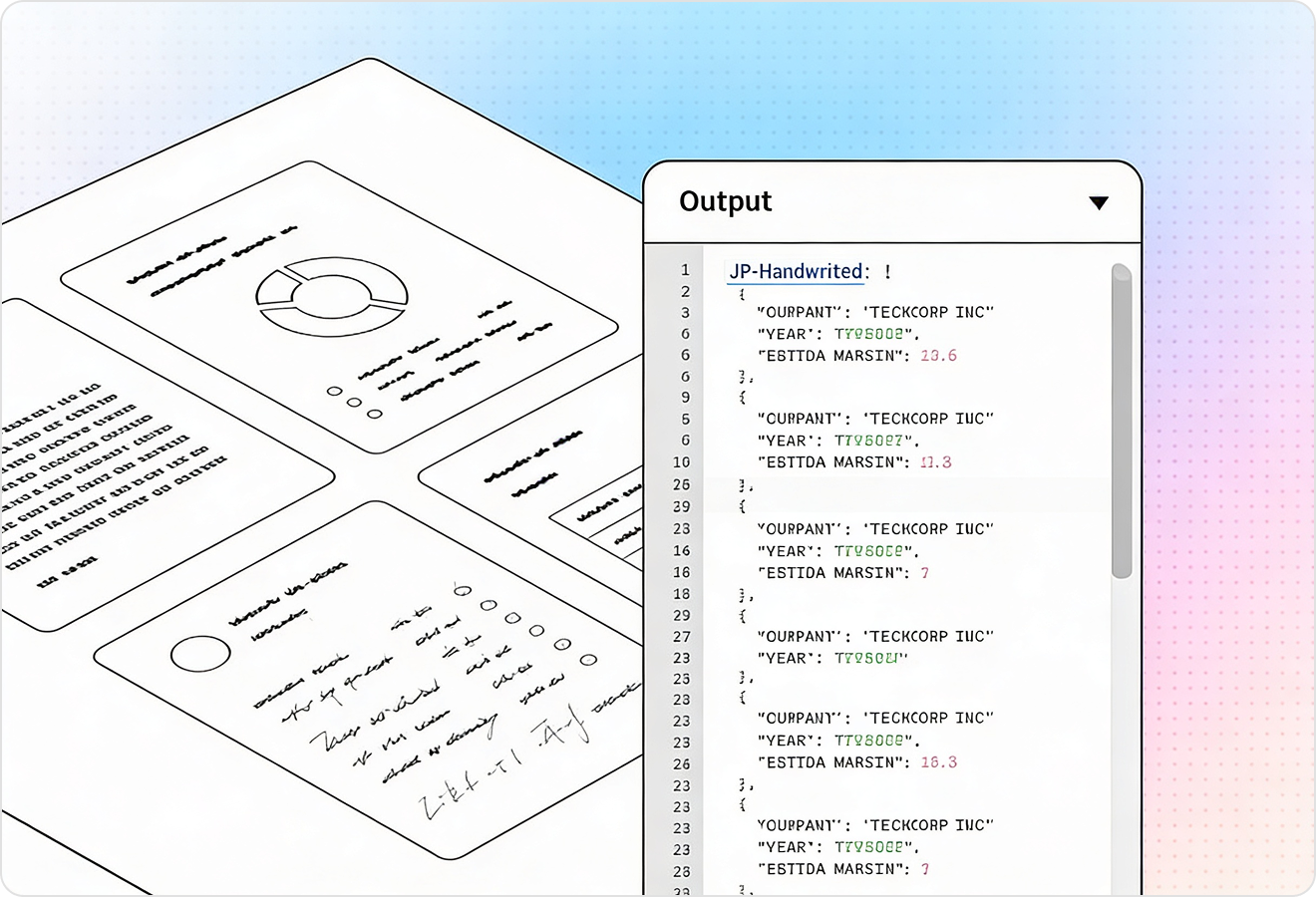
LlamaParse detects statement structure—headers, footers, multi-column sections, and line-item tables—so transactions don’t get scrambled across columns. You get clean, correctly ordered merchant, date, and amount rows even when layouts vary across issuers and statement versions.
02
LlamaParse runs validation and self-correction loops to catch common scan and vision-model errors like dropped digits, misread decimals, or inconsistent totals. That means fewer false balances and fewer “almost right” transaction amounts that break reconciliation and downstream analytics.
03
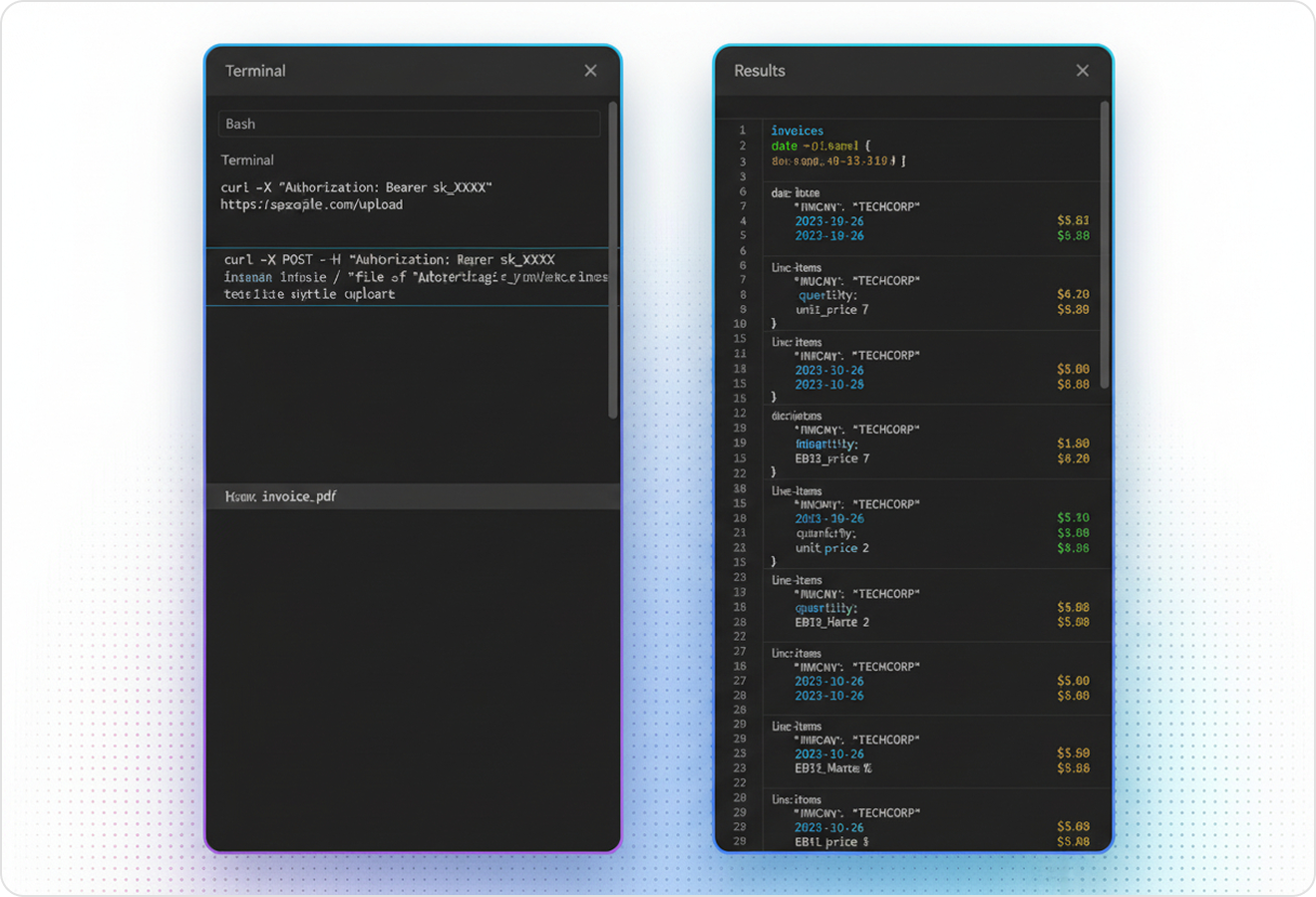
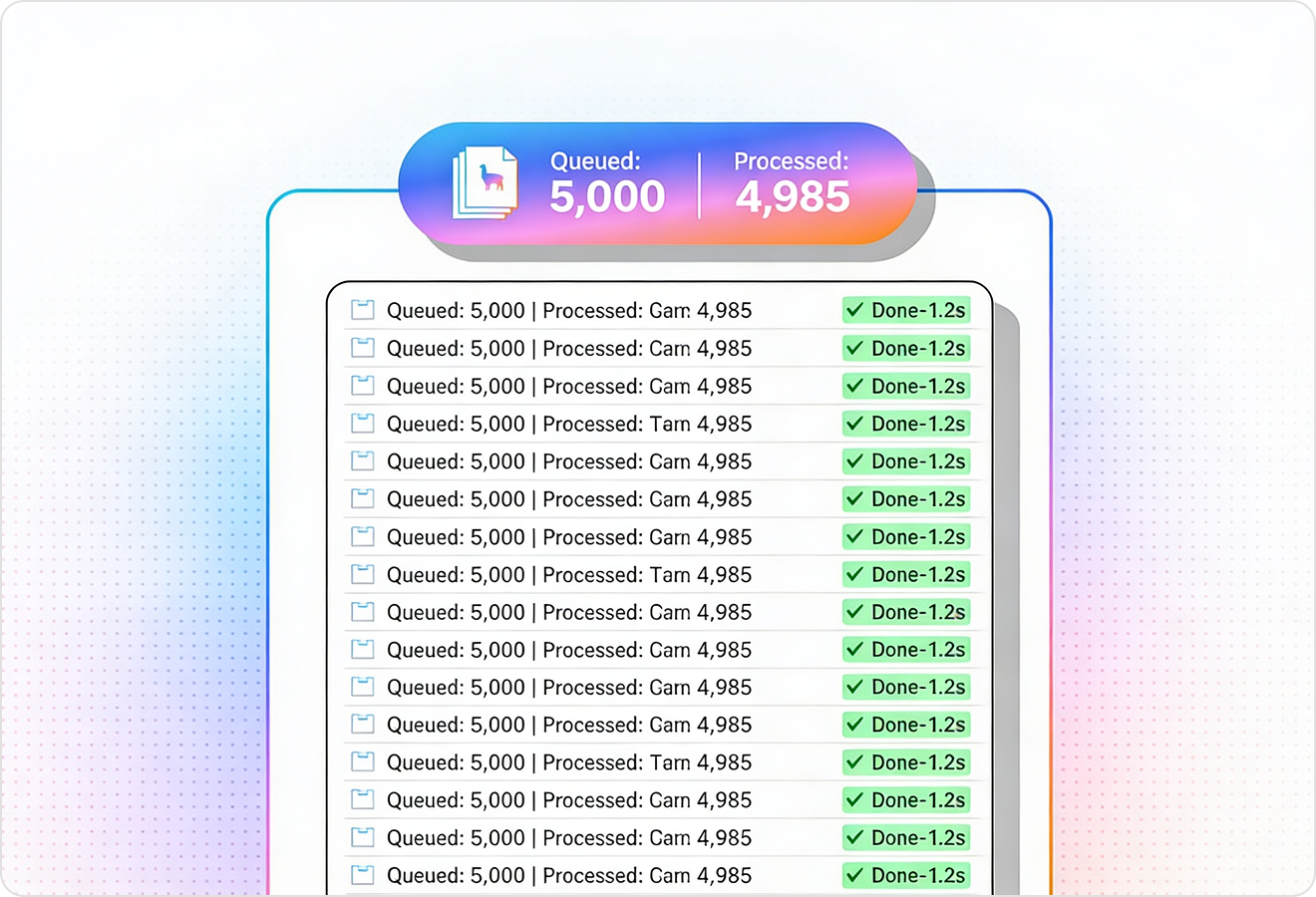
LlamaParse can emit structured JSON for statement fields and line items, with page-level citations and spatial metadata for every extracted value. This makes it straightforward to audit a disputed transaction, route low-confidence fields to review, and keep a verifiable paper trail.
04
You can steer LlamaParse with natural-language instructions to output exactly what you need—statement period, account identifiers, totals, fees, interest, and normalized transaction records. This reduces custom post-processing and helps you enforce a consistent schema across different banks and PDF templates.
Technical OCR documentation
Explore our developer guides to easily connect your document pipelines to LlamaParse.
Explore the documentation
Our AI catches the typos that tired eyes miss.

Export to Excel, JSON, XML, or directly via API.

SOC2 Type II compliant with end-to-end encryption.

Train the tool on your specific forms in minutes, not days.

Average processing time of <3 seconds per page.
LlamaParse’s support of a wide variety of filetypes and its accuracy of parsing made it the best tool we tested in our evaluations. The LlamaIndex team was very responsive and we were off to the races within a day.
Common FAQs
01
Our layout-aware extraction detects headers, footers, multi-column areas, and line-item tables so rows stay in the correct reading order. You get clean merchant, date, and amount records even when issuers change statement templates.
02
Agentic auto-correction runs validation checks to catch common issues like dropped digits, misread decimals, and inconsistent totals. When something looks off, it attempts to self-correct so you spend less time fixing “almost right” numbers.
03
Yes—JSON Mode outputs structured fields and normalized line items ready for ETL, reconciliation, or analytics. You can standardize the schema across different banks without building fragile template-specific parsers.
04
Is there a way to audit or verify where each extracted value came from?
Every extracted value can include page-level citations and spatial metadata, creating a clear trail back to the source statement. This makes it easier to review low-confidence fields and resolve disputes with confidence.
05
Can I control which fields you extract (fees, interest, statement period, totals, etc.)?
Yes—use instruction-guided output to specify exactly what you need, from statement period and account identifiers to fees, interest, and totals. This reduces custom post-processing and helps you enforce consistent field naming and formats.
06
How do you reduce reconciliation issues caused by small OCR errors in amounts and balances?
We validate amounts and totals to flag anomalies like misplaced decimals or mismatched sums that typically break reconciliation. The result is fewer false balances, cleaner transaction feeds, and less manual review before data hits downstream systems.