Nov 14, 2025
Document AI: The Next Evolution of Intelligent Document ProcessingPersona
Industry
Use cases
Business Credit Report OCR
[ Business Credit Report OCR ]

Use LlamaParse to capture tables, scores, and key fields with confidence you can verify.
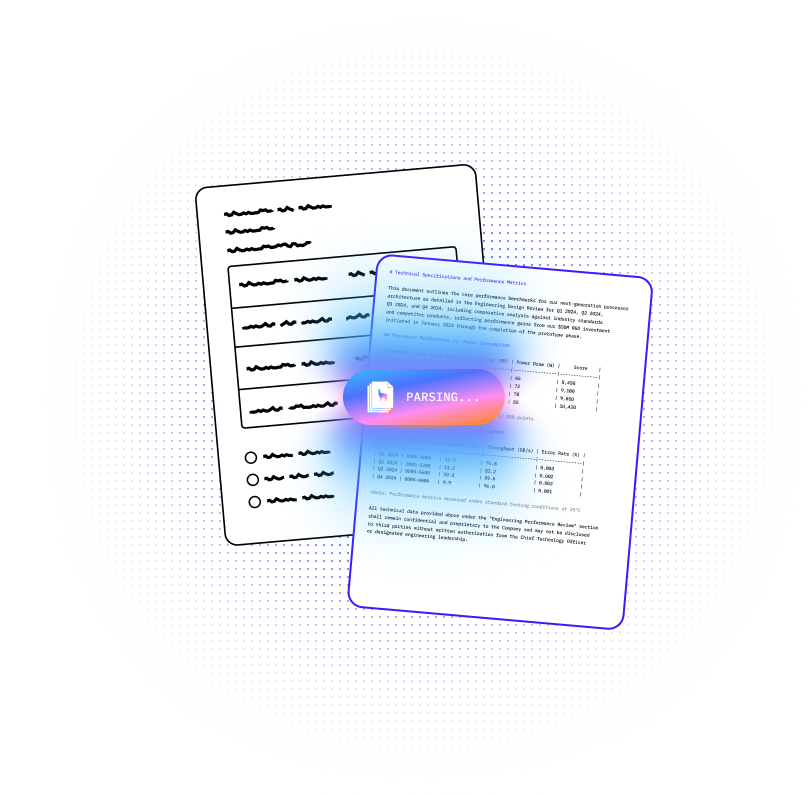
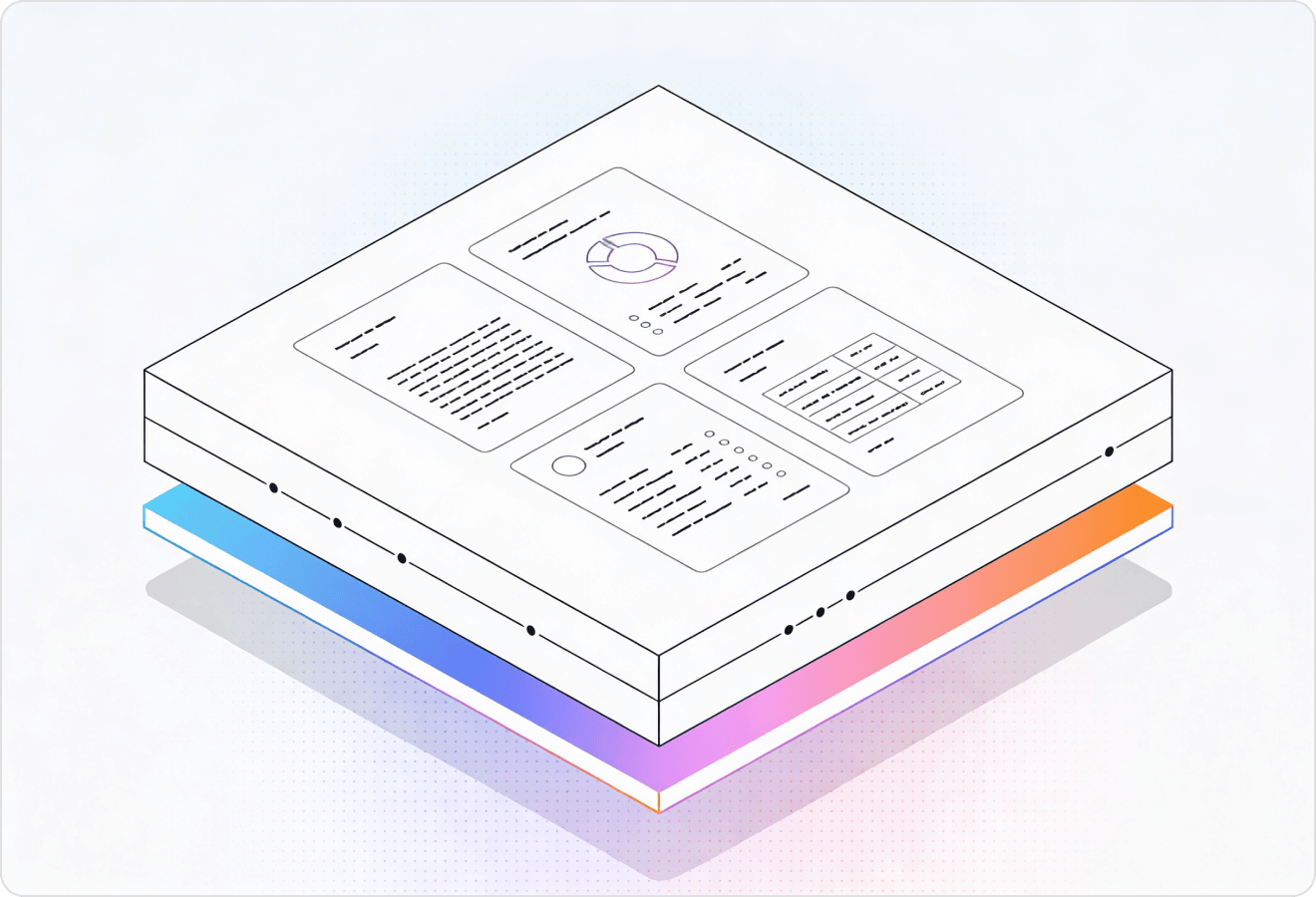

LlamaParse turns messy business credit reports into clean, structured JSON or Markdown, so your risk and underwriting systems can act fast. Layout-aware vision plus agentic validation catches tables, scores, and footnotes with traceable outputs, reducing rework and improving straight-through processing.
Best-in-Class Accuracy

Parse business credit reports into structured JSON with citations, so underwriting can verify tradelines, delinquency flags, and legal filings without manually hunting through multi-column layouts. Use tier-based agentic processing to reserve heavier vision reasoning for messy scans while keeping high-volume ingestion costs predictable.

Extract payment history, liens, bankruptcies, and corporate relationships from business credit reports to speed up risk scoring for commercial policies and reduce rekeying errors that cause mispriced premiums. Natural-language parsing instructions let teams standardize exactly which fields to capture across bureaus and report formats, even when tables and footnotes shift.

Automate merchant onboarding by turning uploaded credit reports into normalized fields your app can score, route, and approve in minutes instead of days. LlamaParse preserves reading order and table integrity in Markdown/JSON so your decision logic doesn’t break when startups submit different bureau templates or low-quality PDFs.

Convert customer credit reports into structured limits, terms, and risk signals to set credit lines and approve net-terms orders without slowing sales ops. Layout-aware extraction captures dense tradeline tables and aging details accurately, reducing disputes and avoiding overexposure to high-risk accounts.
The Solution
01
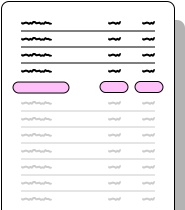
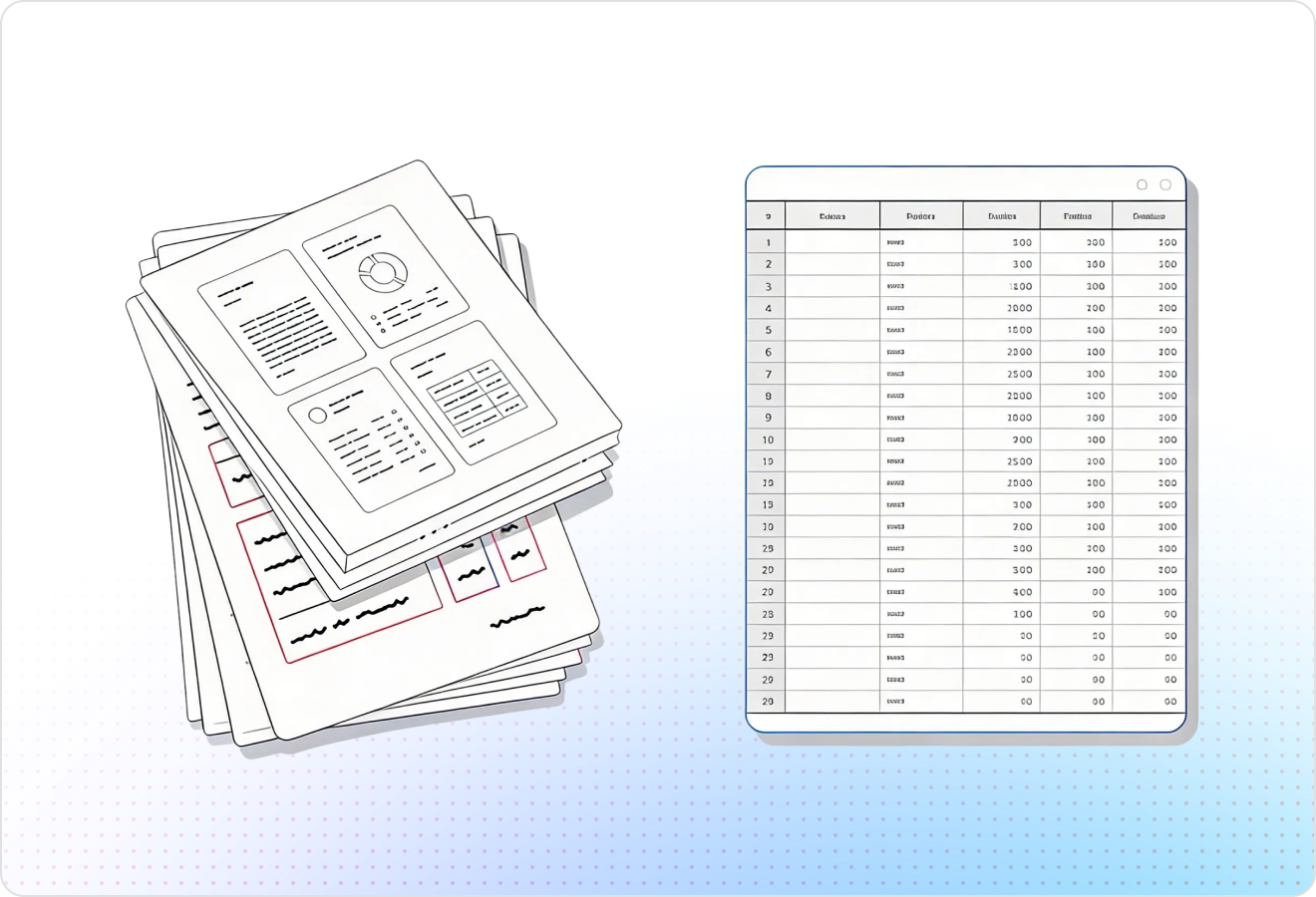
LlamaParse preserves reading order across multi-column pages and reliably reconstructs dense tables without scrambling rows or headers. For business credit reports, this keeps tradelines, payment history, utilization, and inquiry sections tied to the right accounts and dates.
02
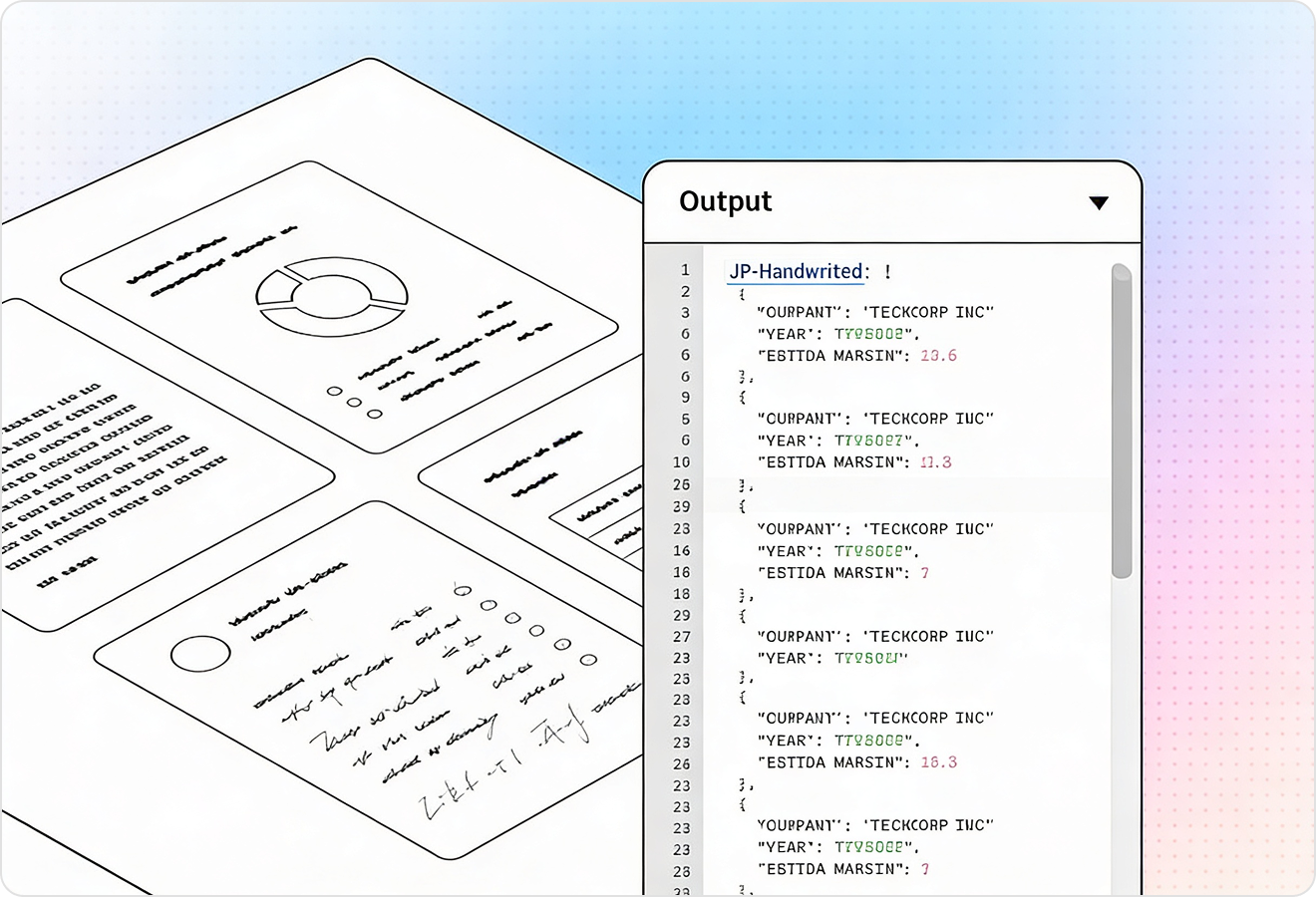
LlamaParse can interpret visual elements like score trend charts, risk graphics, and embedded images and convert them into machine-readable text or tables. That means you can capture credit score movements, delinquency signals, and summary indicators even when they aren’t presented as plain text.
03
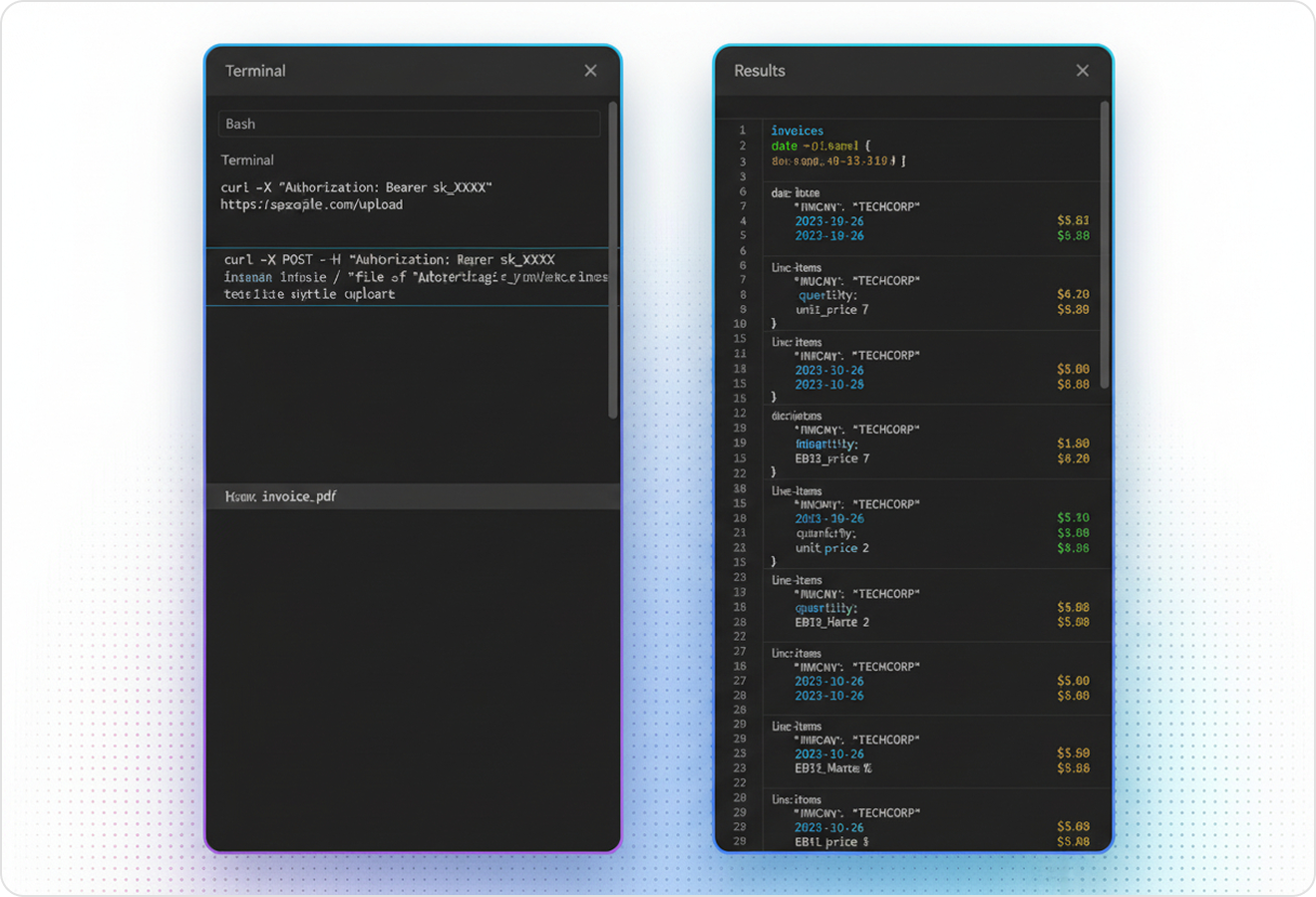
LlamaParse returns structured JSON plus granular metadata like page numbers and coordinates for each extracted field. In credit workflows, this makes it easy to map extracted values into your underwriting schema and trace every number back to the exact place it appeared for audit and dispute handling.
04
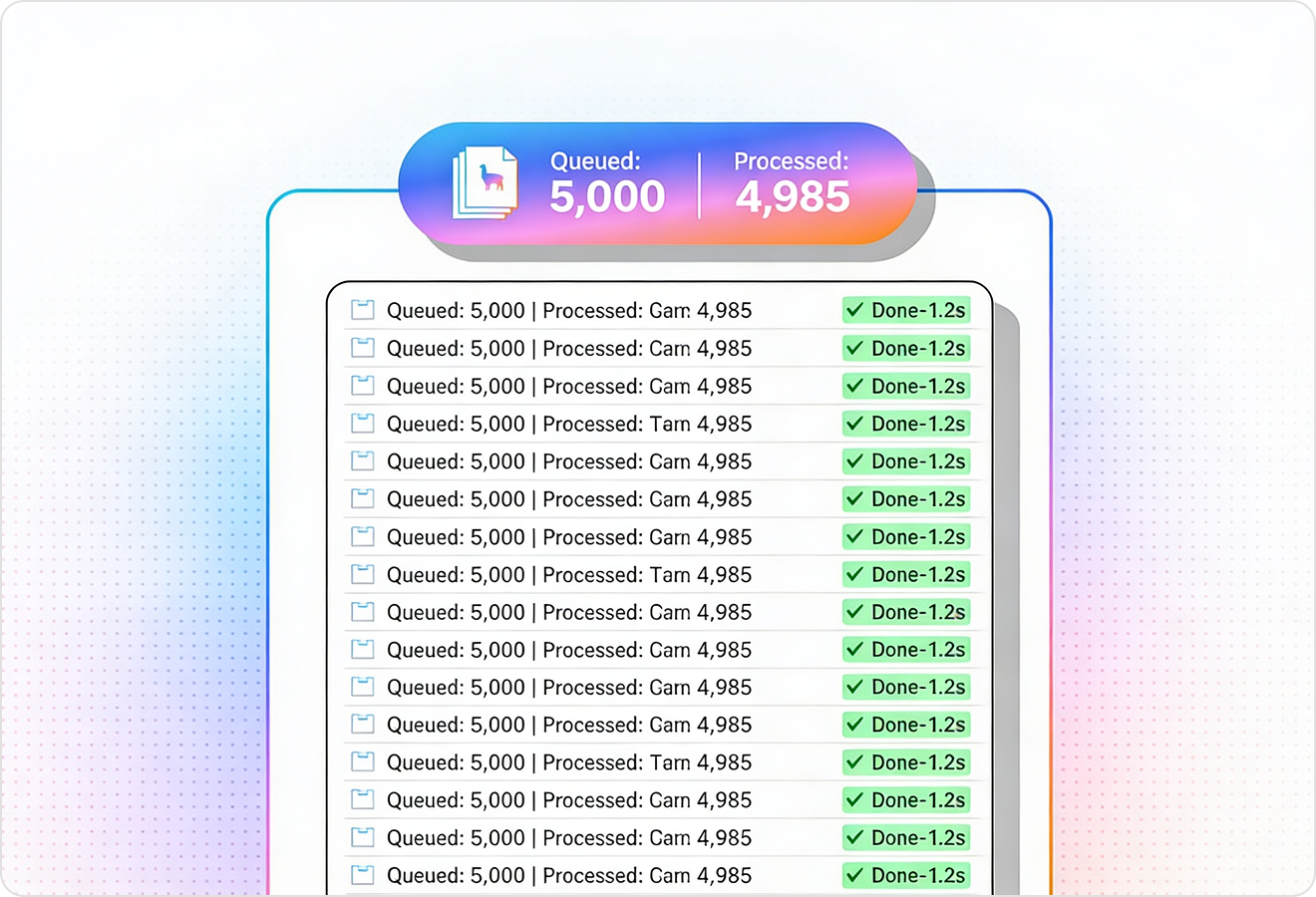
LlamaParse applies validation and self-correction steps to reduce common extraction errors from noisy scans and inconsistent templates. For business credit report parsing, this improves straight-through processing on key fields like tax IDs, addresses, balances, and status codes while cutting manual review time.
Technical OCR documentation
Explore our developer guides to easily connect your document pipelines to LlamaParse.
Explore the documentation
Our AI catches the typos that tired eyes miss.

Export to Excel, JSON, XML, or directly via API.

SOC2 Type II compliant with end-to-end encryption.

Train the tool on your specific forms in minutes, not days.

Average processing time of <3 seconds per page.
LlamaParse’s support of a wide variety of filetypes and its accuracy of parsing made it the best tool we tested in our evaluations. The LlamaIndex team was very responsive and we were off to the races within a day.
Common FAQs
01
Yes. Our layout-aware table parsing preserves reading order across multi-column pages and reconstructs dense tables without mixing headers, rows, or dates. That keeps each tradeline, utilization figure, and payment history tied to the right account—reducing manual cleanup.
02
We can interpret common visual elements like score trend charts, risk indicators, and embedded images and convert them into machine-readable text or tables. This helps you capture score movements and delinquency signals even when they aren’t explicitly written out as text.
03
Yes—results are returned as structured JSON, so you can map fields like balances, limits, and status codes directly into your workflows. This makes integrations faster and reduces downstream transformation work for engineering teams.
04
How do you handle auditability—can we trace every extracted value back to the source report?
Each extracted field can include granular metadata such as page numbers and coordinates, so reviewers can verify exactly where a number came from. This is especially useful for audits, disputes, and regulated decisioning where traceability matters.
05
What happens with noisy scans, faxed PDFs, or inconsistent report templates—will accuracy drop?
The system uses auto-correction and validation loops designed to catch and fix common OCR and parsing errors from low-quality scans and template variance. In practice, this improves straight-through processing on key fields like tax IDs, addresses, and balances while minimizing manual review.
06
How quickly can we get to production, and what does a typical implementation look like?
Most teams start by sending a sample set of reports and confirming the JSON field mapping they need for underwriting or monitoring. Once validated, you can automate extraction at scale and keep humans focused on exceptions instead of routine data entry.