Nov 14, 2025
Document AI: The Next Evolution of Intelligent Document ProcessingPersona
Industry
Use cases
1099 Form OCR
[ 1099 Form OCR ]

Turn messy 1099s into clean, verifiable JSON with LlamaParse, so your workflows run hands-free.
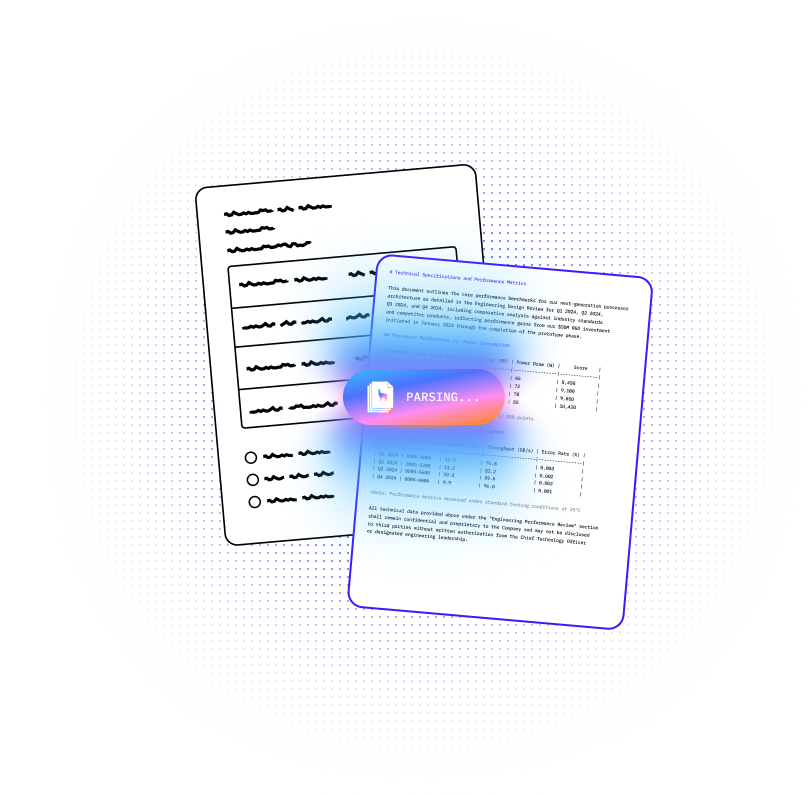
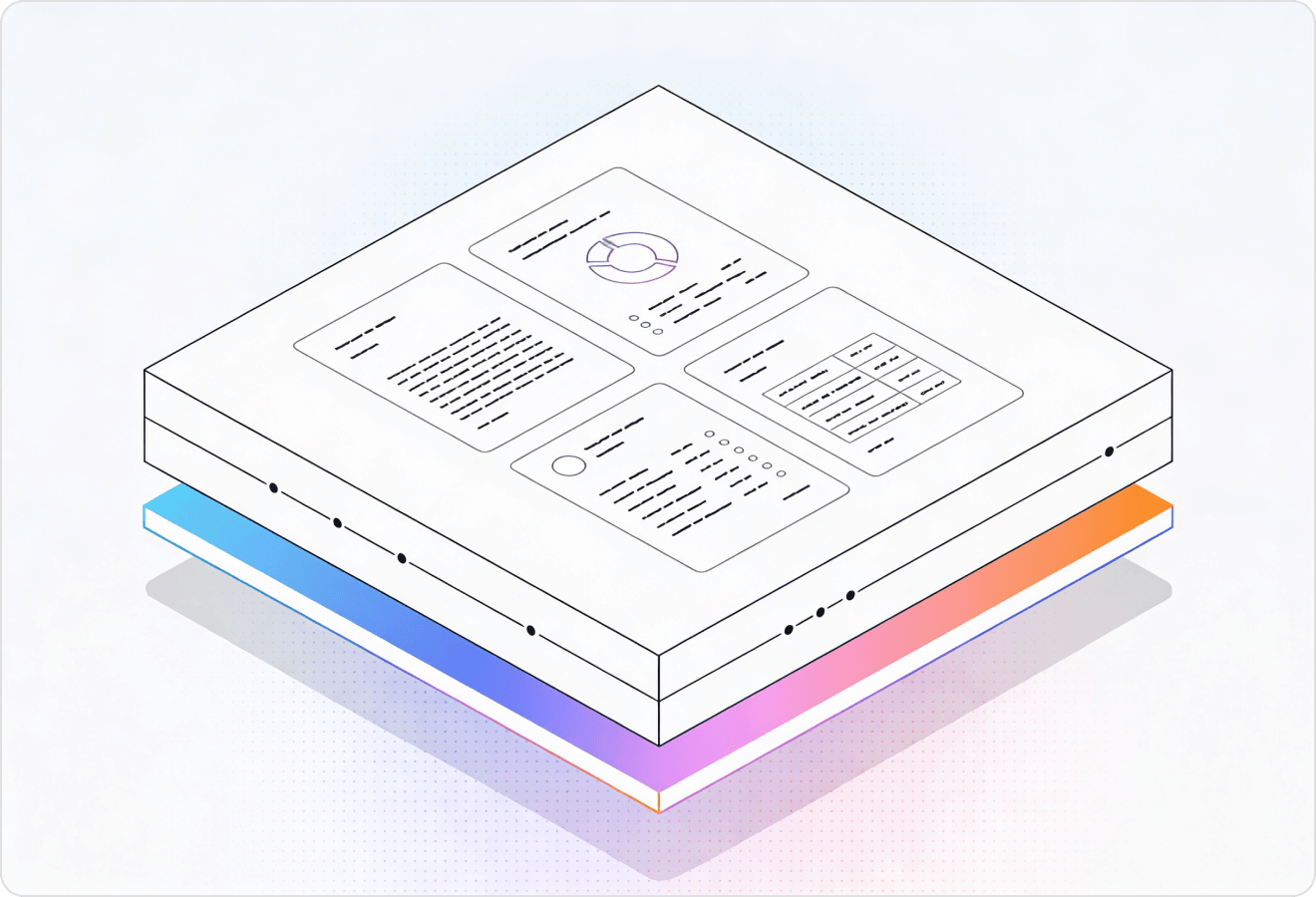

LlamaParse turns messy 1099 PDFs and scans into clean, schema-ready JSON in minutes, so your pipeline stops relying on manual rekeying. Agentic document parsing reads layout, tables, and tiny fields, then validates outputs with confidence metadata for faster review and fewer downstream exceptions.
Best-in-Class Accuracy

Automate 1099 intake for contractors by using LlamaParse to turn emailed PDFs and scans into clean JSON you can push into QuickBooks, NetSuite, or your expense stack. Layout-aware table extraction and auto-correction loops reduce month-end scramble by catching mismatched totals, payer details, and TIN formatting issues before filing.

Ingest thousands of contractor 1099s and standardize payer/payee fields across wildly different templates using natural-language parsing instructions and JSON mode for consistent downstream reporting. Use granular metadata (page references + confidence) to route only the ambiguous documents to review, while the rest flow straight through to payroll, compliance, and support workflows.

Extract 1099 amounts, vendor identities, and property-related notes from multi-page statements where line items and tables often break legacy parsers. LlamaParse preserves reading order and table structure, enabling faster reconciliation of repairs, landscaping, and utilities across properties without manual re-keying.

Normalize 1099-NEC and 1099-MISC data for producers and agencies to reconcile commission payouts against carrier statements and detect underpayments early. Multimodal, layout-aware parsing handles stamped scans, multi-column forms, and mixed attachments so your accounting team can close books and issue corrections without spreadsheet triage.
The Solution
01
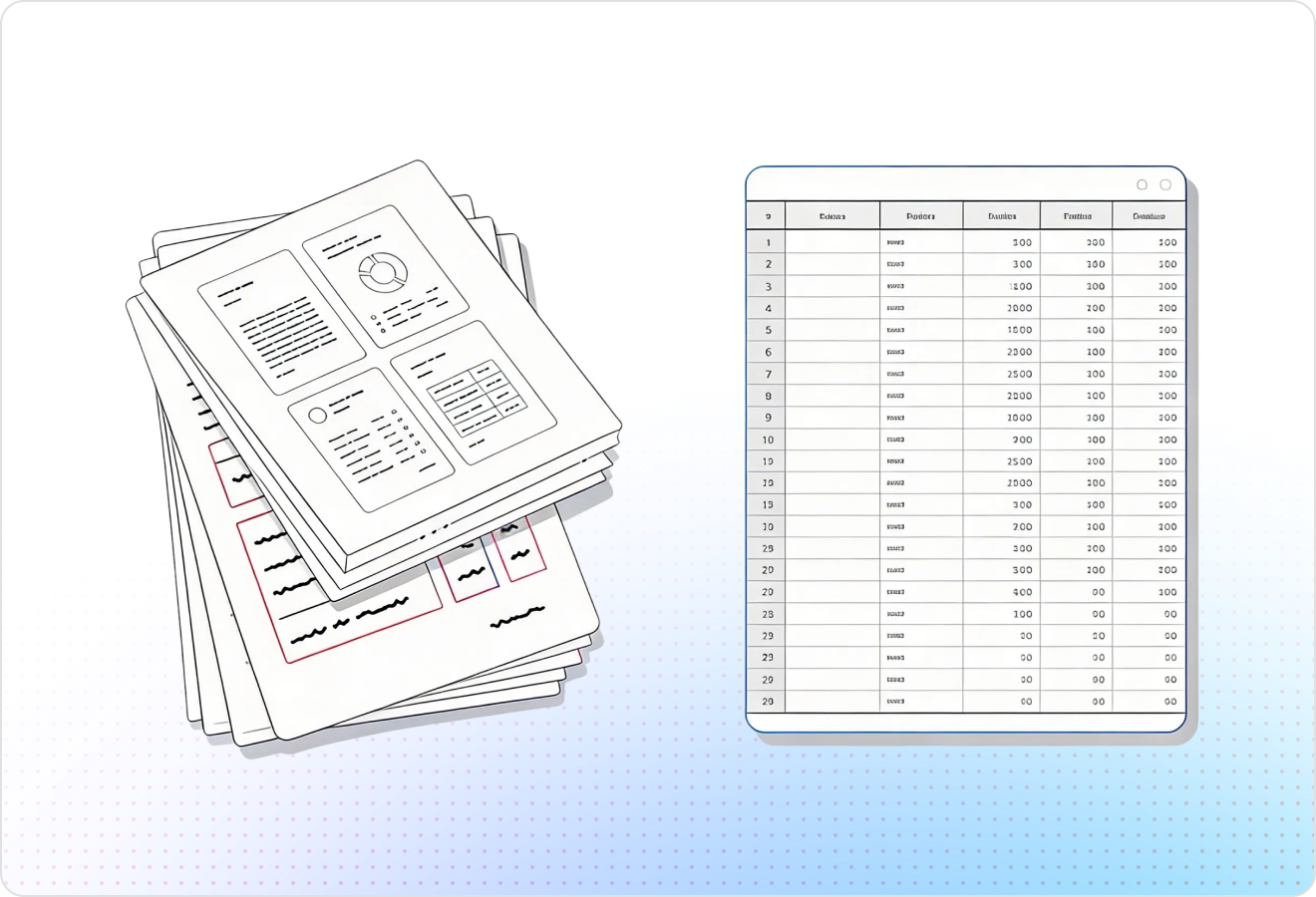
LlamaParse understands page structure so values like payer name, recipient TIN, and box amounts are extracted in the right reading order even on skewed scans. That prevents swapped or misassigned 1099 fields that happen when forms use tight grids, multi-column sections, and footnotes.
02
It segments and reconstructs dense form grids into clean, structured output instead of a scrambled text blob. For 1099 processing, this makes box-by-box amount capture (and any supplemental tables or payer detail sections) reliable without brittle post-processing rules.
03
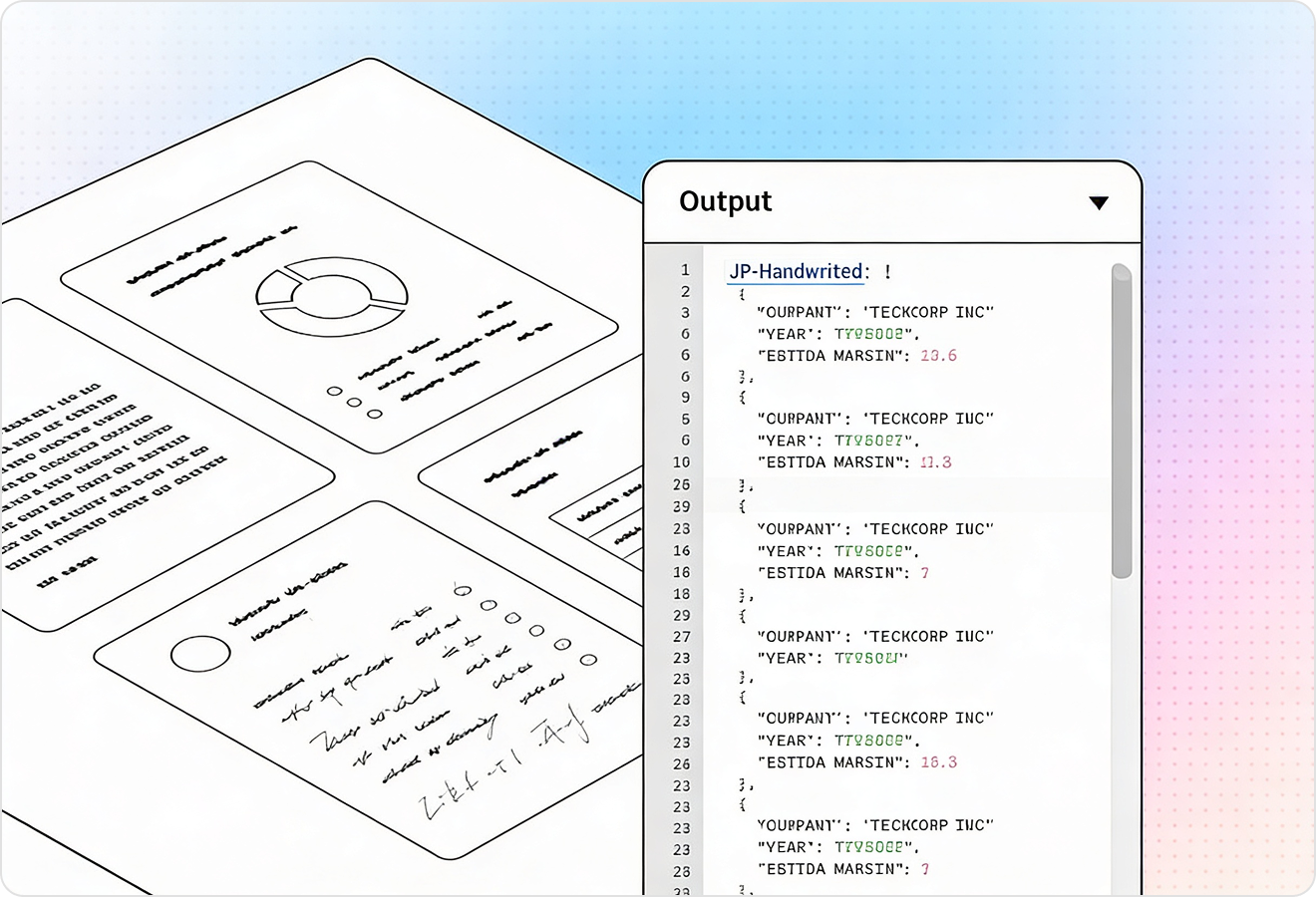
LlamaParse can return extraction as structured JSON and attach page-level traceability like coordinates and element types for each value. That gives you audit-friendly 1099 pipelines where every number can be validated against the exact spot on the form during review or exception handling.
04
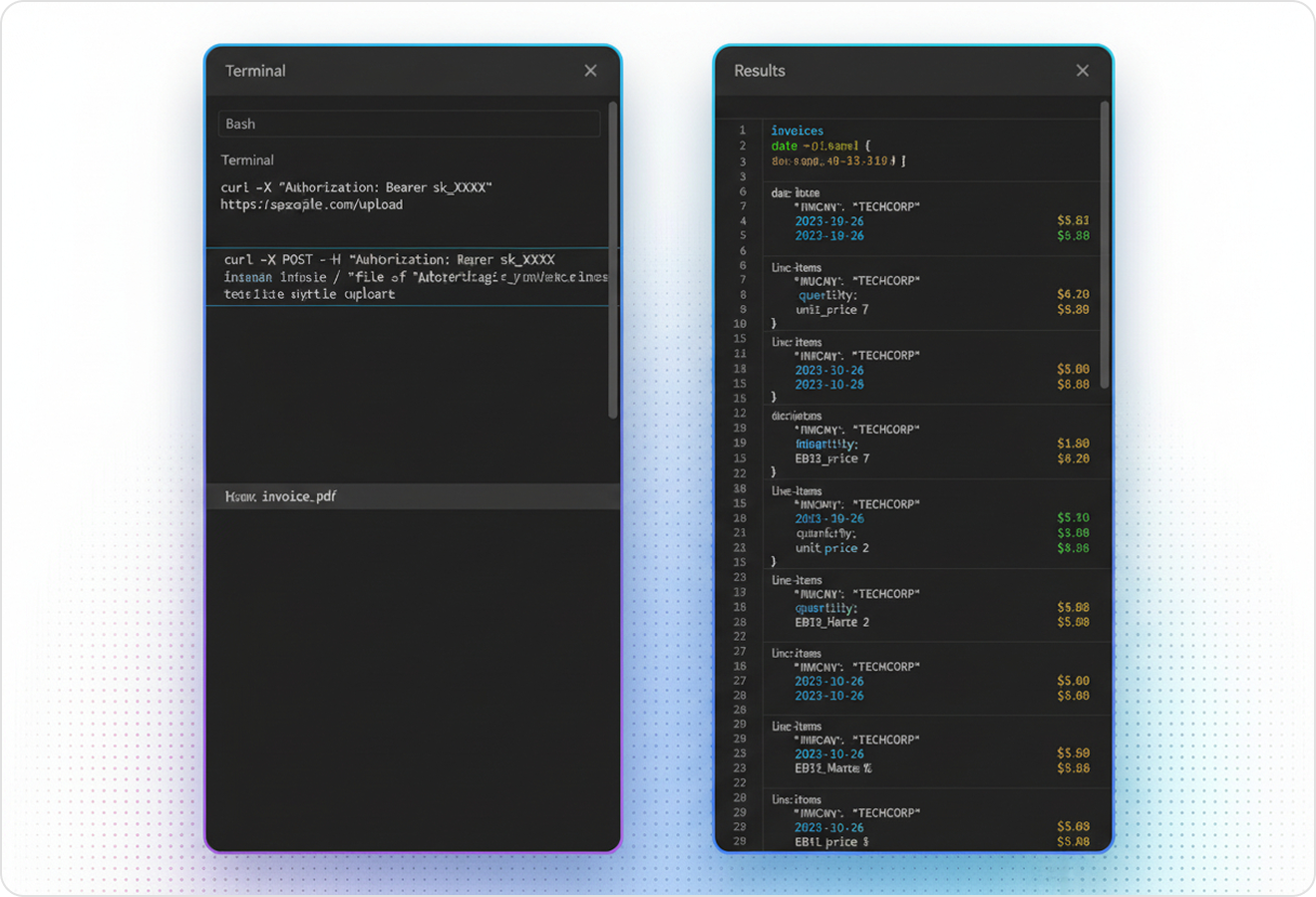
The parser runs self-correction and validation steps to catch common document errors like missing digits, inconsistent totals, or misread characters before results are finalized. This improves straight-through 1099 extraction from low-quality scans, faxes, and vendor-generated PDFs without manual cleanup.
Technical OCR documentation
Explore our developer guides to easily connect your document pipelines to LlamaParse.
Explore the documentation
Our AI catches the typos that tired eyes miss.

Export to Excel, JSON, XML, or directly via API.

SOC2 Type II compliant with end-to-end encryption.

Train the tool on your specific forms in minutes, not days.

Average processing time of <3 seconds per page.
LlamaParse’s support of a wide variety of filetypes and its accuracy of parsing made it the best tool we tested in our evaluations. The LlamaIndex team was very responsive and we were off to the races within a day.
Common FAQs
01
Our layout-aware extraction reads the form the way a human would, so payer/recipient details and box amounts are captured in the correct order—even on crooked or low-quality scans. This reduces common errors like swapped names, misassigned TINs, and amounts landing in the wrong boxes.
02
Yes. We reconstruct form grids into structured, box-level data instead of returning a scrambled text block, so each box amount maps cleanly to the right field. This also works well for payer detail sections and other tightly formatted tables without fragile post-processing rules.
03
You get clean JSON output designed for automation, so it’s easy to push results into your database, workflow tool, or tax platform. Each extracted value can also include context like where it came from on the page, making downstream handling predictable and consistent.
04
How can I audit or verify extracted values during review and exception handling?
Every field can include citations such as page references and positional metadata, so reviewers can instantly confirm a number against the exact spot on the form. That traceability speeds up approvals, improves compliance confidence, and makes exception workflows far less painful.
05
What happens when the PDF is low-quality, faxed, or has missing/misread characters?
Our agentic validation loops run self-checks to catch common issues like dropped digits, confusing characters, and inconsistent totals before results are finalized. That means higher straight-through processing with fewer manual corrections—especially for noisy scans and vendor-generated PDFs.
06
How much manual cleanup should we expect after OCR, and how quickly can we get started?
Most teams see a major reduction in manual re-keying because the output is structured, validated, and mapped to the right boxes from the start. You can typically be up and running quickly by sending sample 1099 PDFs, reviewing the extracted JSON, and confirming the fields you want in production.