Nov 14, 2025
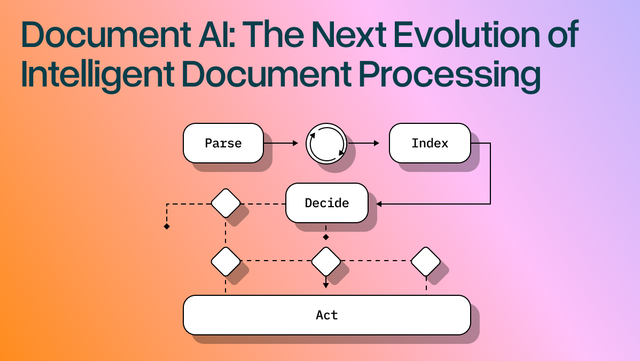
Document AI: The Next Evolution of Intelligent Document ProcessingPersona
Industry
Use cases
10-Q Filing OCR
[ 10-Q Filing OCR ]

Use LlamaParse to pull tables, numbers, and footnotes into clean JSON with confidence scores.
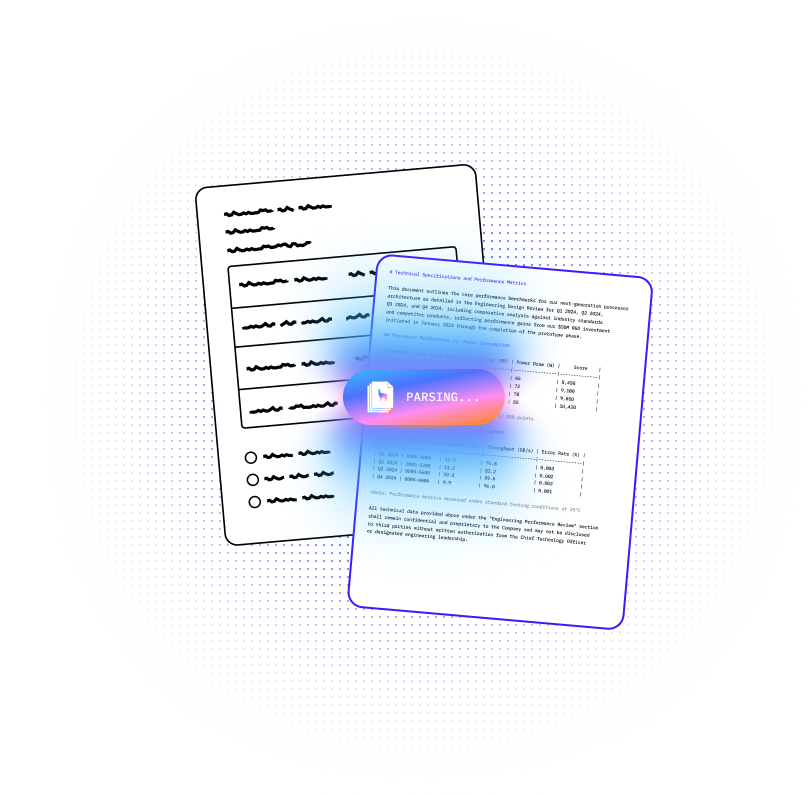

LlamaParse turns messy 10-Q PDFs into clean, structured tables and fields fast, so you can analyze filings without brittle scripts. Agentic parsing understands layout and charts, adds confidence and citations, and reduces manual review when formats change quarter to quarter.
Best-in-Class Accuracy

Parse 10-Q PDFs into clean Markdown/JSON with layout-aware table extraction, so footnotes, segment tables, and covenant disclosures don’t get scrambled or missed. Feed the structured output into internal research workflows to power faster variance analysis and comparable-company screening with citations back to exact pages for auditability.

Extract leverage ratios, liquidity metrics, debt maturities, and risk-factor changes directly from borrower 10-Qs, even when the key details live in dense footnotes or multi-column tables. Use JSON mode + granular metadata to standardize outputs across issuers and push them into credit memos, monitoring alerts, and covenant tracking without manual rekeying.

Turn 10-Q filings into verifiable, clause-level data by capturing exhibits, controls narratives, and disclosure controls sections with references and confidence signals for review. Apply natural-language parsing instructions to automatically flag material weakness language, litigation updates, and policy changes, reducing review time while improving defensibility.

Use LlamaParse as the ingestion layer to transform messy 10-Qs into structured datasets and ready-to-index content, without writing brittle PDF parsing code for every new layout. Control spend with tier-based agentic processing and auto-routing, so you can ship a production-grade filings pipeline early and scale ingestion volumes predictably.
The Solution
01
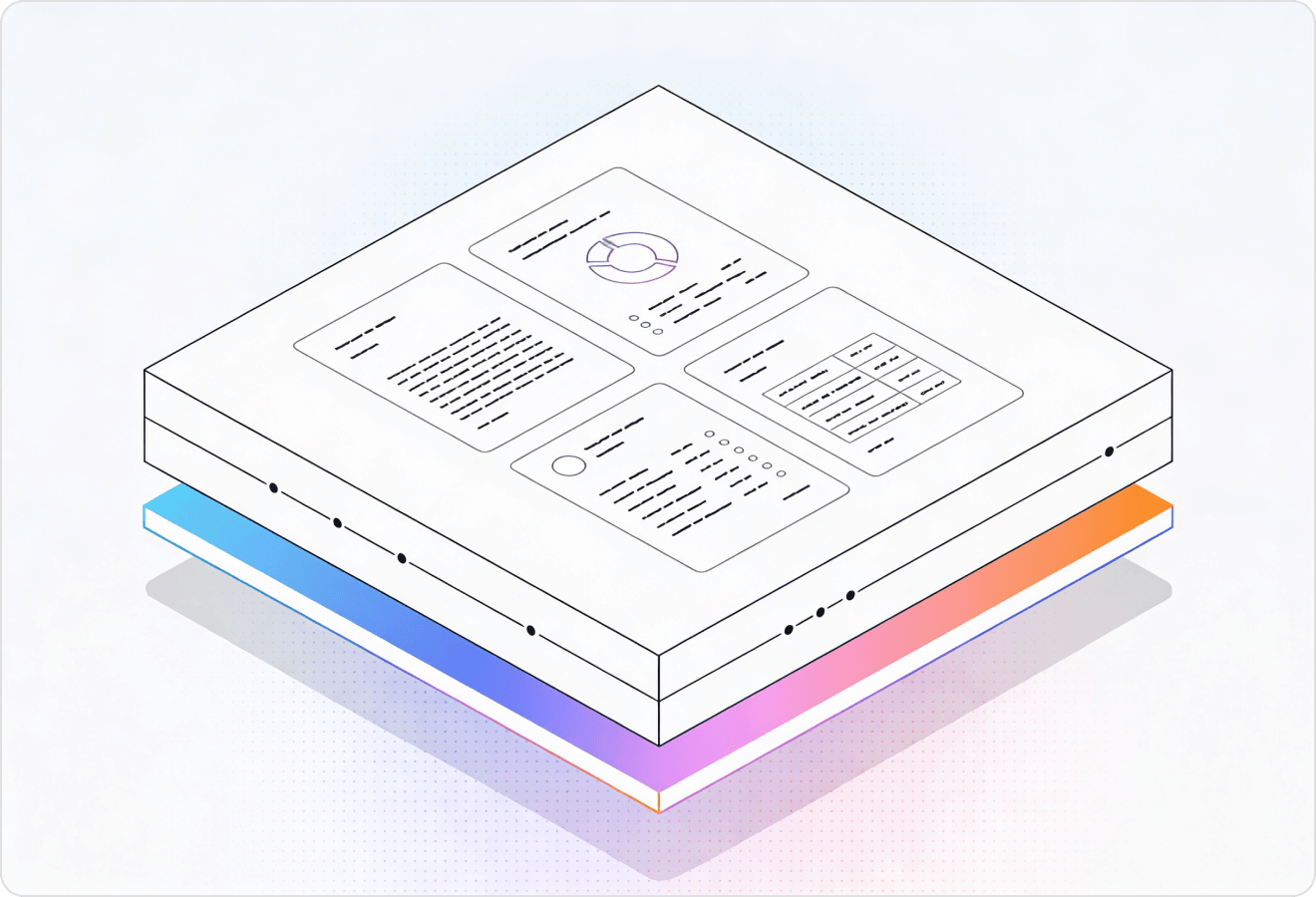
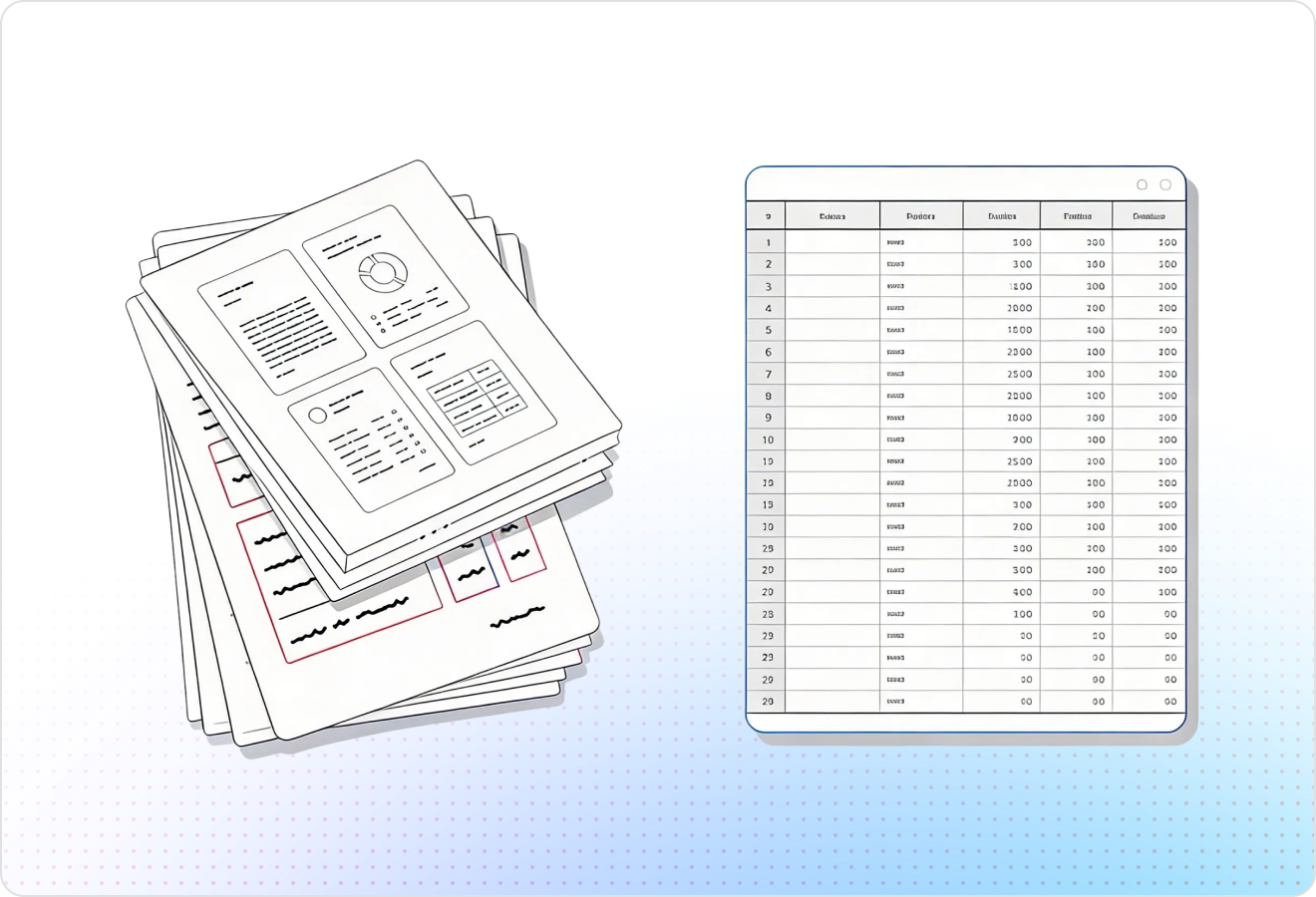
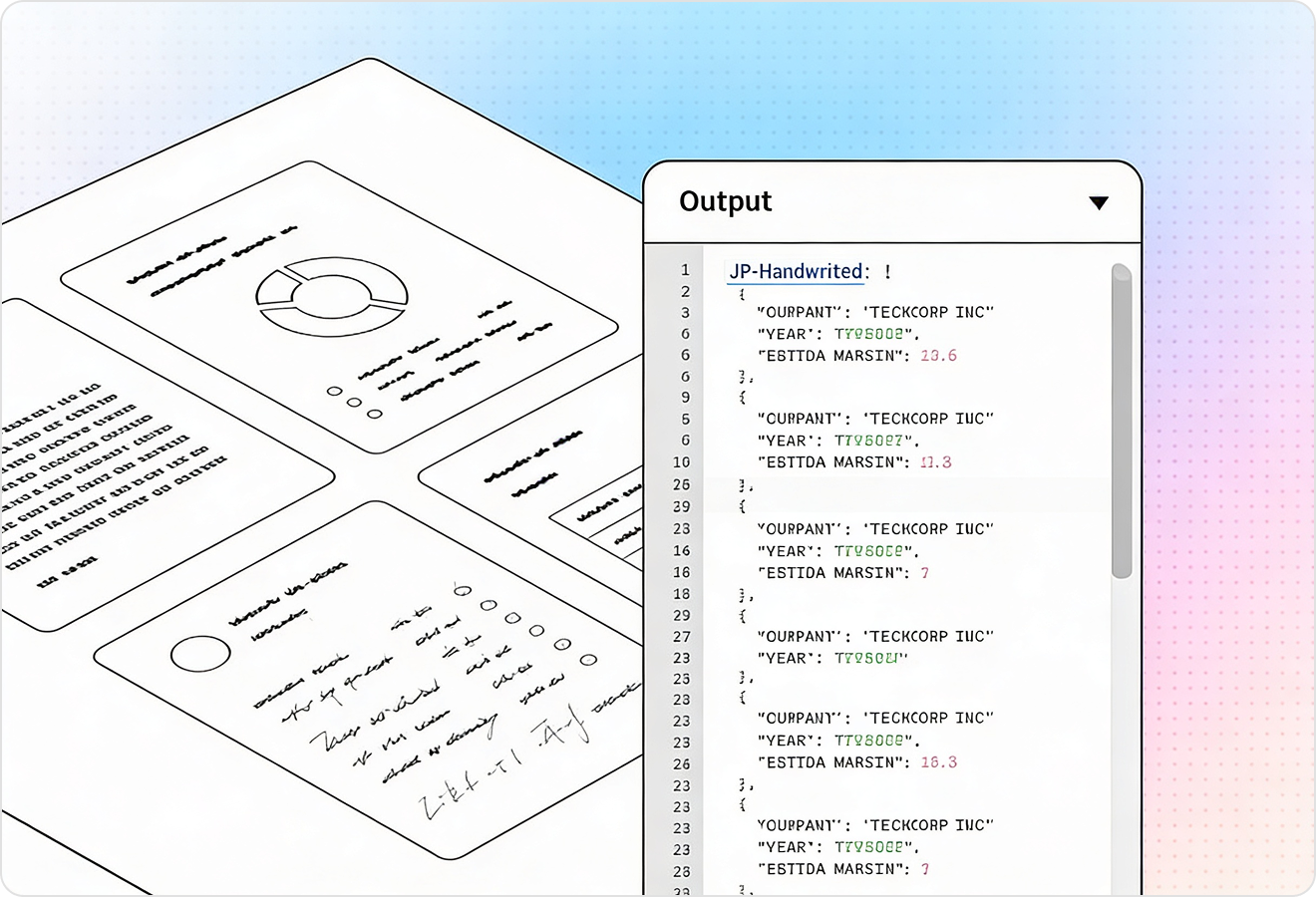
LlamaParse understands multi-column layouts, headers/footnotes, and section structure so a 10-Q reads in the correct order instead of coming out scrambled. That makes it straightforward to reliably extract items like MD&A, risk factors, and note disclosures from PDFs at scale.
02
LlamaParse accurately captures complex financial statements and nested tables without losing row/column relationships. This is critical for 10-Q workflows where you need clean line items (revenue, EPS, cash flow) you can trust for downstream analysis and reconciliation.
03
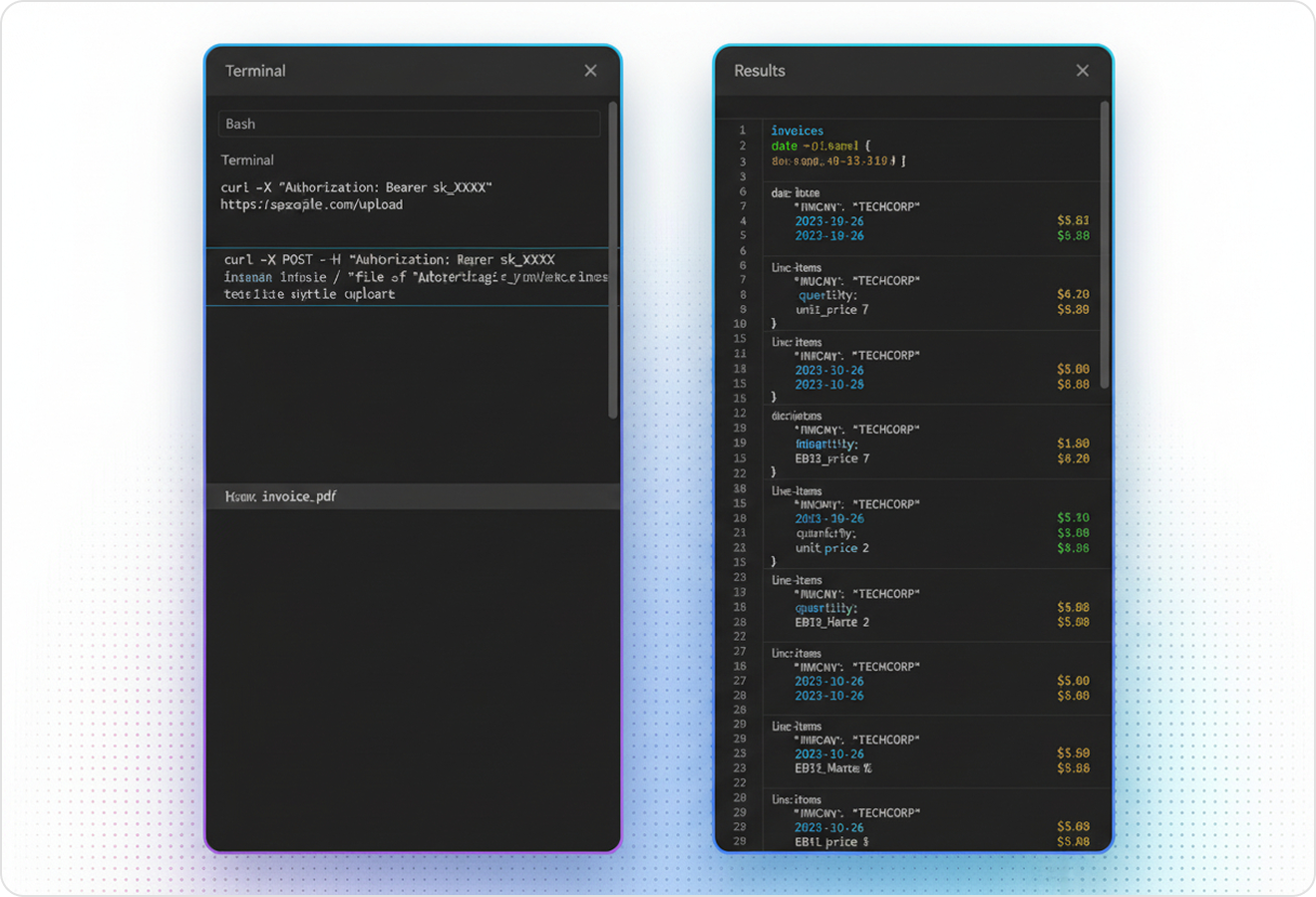
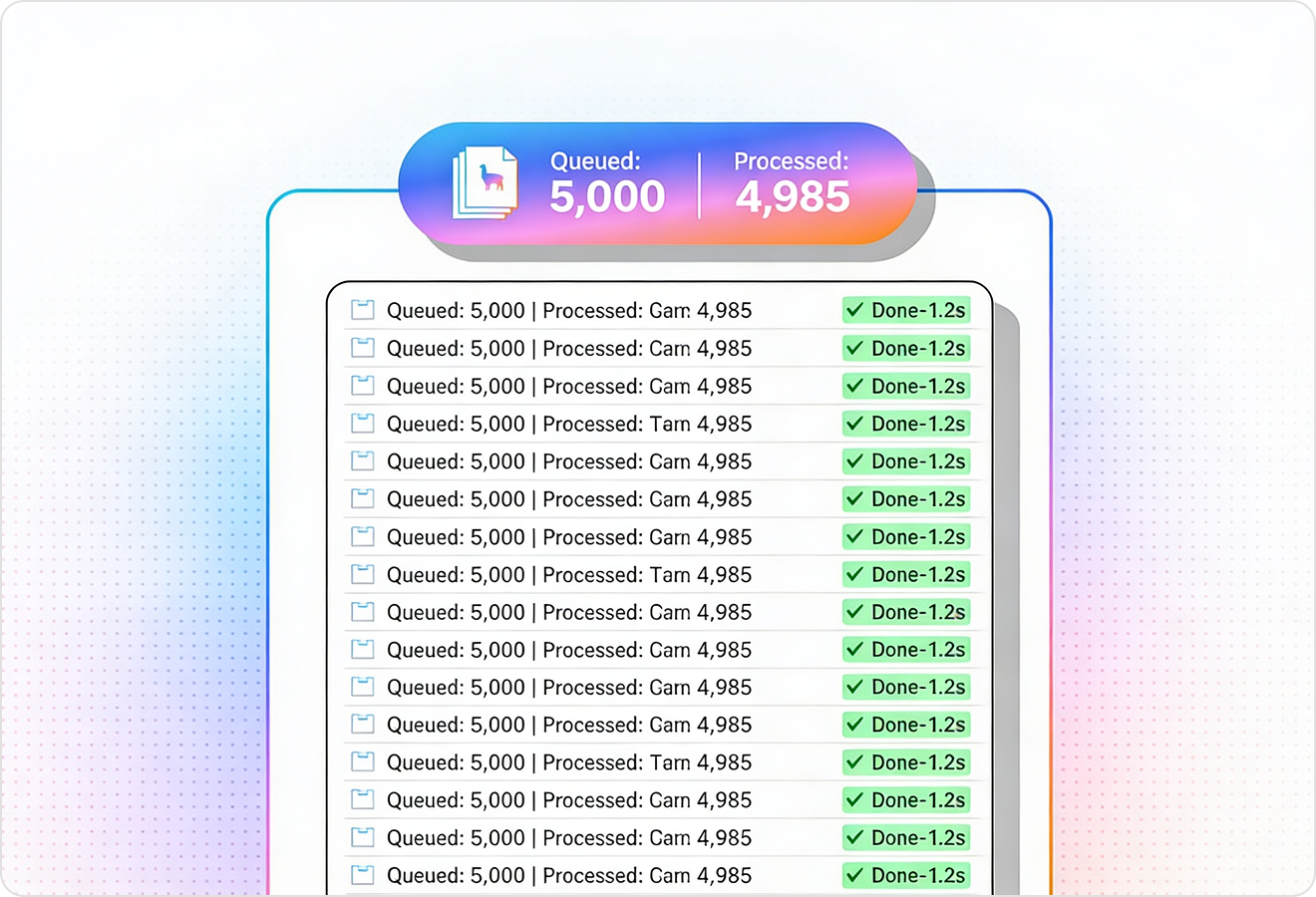
LlamaParse runs validation and self-correction steps to catch common parsing errors like missing negatives, broken totals, or misread footnote references. For 10-Q filings, that reduces manual QA time and increases straight-through processing on real-world scans and PDFs.
04
LlamaParse can return structured JSON enriched with page-level traceability so every extracted value can be tied back to the source location. That’s ideal for 10-Q extraction because you can audit numbers, power human-in-the-loop review, and meet compliance expectations without guesswork
Technical OCR documentation
Explore our developer guides to easily connect your document pipelines to LlamaParse.
Explore the documentation
Our AI catches the typos that tired eyes miss.

Export to Excel, JSON, XML, or directly via API.

SOC2 Type II compliant with end-to-end encryption.

Train the tool on your specific forms in minutes, not days.

Average processing time of <3 seconds per page.
LlamaParse’s support of a wide variety of filetypes and its accuracy of parsing made it the best tool we tested in our evaluations. The LlamaIndex team was very responsive and we were off to the races within a day.
Common FAQs
01
Yes—our layout-aware parsing understands multi-column flow, headings, footnotes, and section boundaries so content doesn’t come out scrambled. That makes it reliable to extract MD&A, Risk Factors, and Note Disclosures in the same order analysts expect.
02
We preserve row/column relationships and nested structures, which is essential for income statements, balance sheets, and cash flow tables. You get clean, analysis-ready line items (e.g., revenue, EPS, cash flow) you can trust for downstream modeling and reconciliation.
03
Agentic correction loops run validation and self-correction to catch common issues such as dropped minus signs, broken totals, and misread footnote references. This reduces manual QA and increases straight-through processing on real-world 10-Q PDFs.
04
Can I audit extracted numbers back to the exact page and location in the 10-Q?
Yes—results can be returned as structured JSON with page-level citations so every value is traceable to its source. That makes reviews faster, supports compliance workflows, and builds confidence when numbers are challenged.
05
Can you extract specific sections like MD&A, Risk Factors, and Note Disclosures consistently across issuers?
We use section structure and layout cues (headers, item labels, footnotes) to segment filings into dependable, named chunks. That consistency helps you standardize pipelines across companies and quarters without brittle, issuer-specific rules.
06
How does this fit into an existing pipeline—do I get JSON I can feed directly into my systems?
You can retrieve structured JSON outputs designed for downstream automation, including clean tables and referenced text blocks. Teams typically plug it into analytics, search, or review tools quickly, then scale to higher volumes without adding headcount.