Nov 14, 2025
Document AI: The Next Evolution of Intelligent Document ProcessingPersona
Industry
Use cases
Merchant Onboarding Solutions
[ Merchant Onboarding Solutions ]

Use LlamaParse to turn messy merchant documents into verified, structured data your team can approve faster.
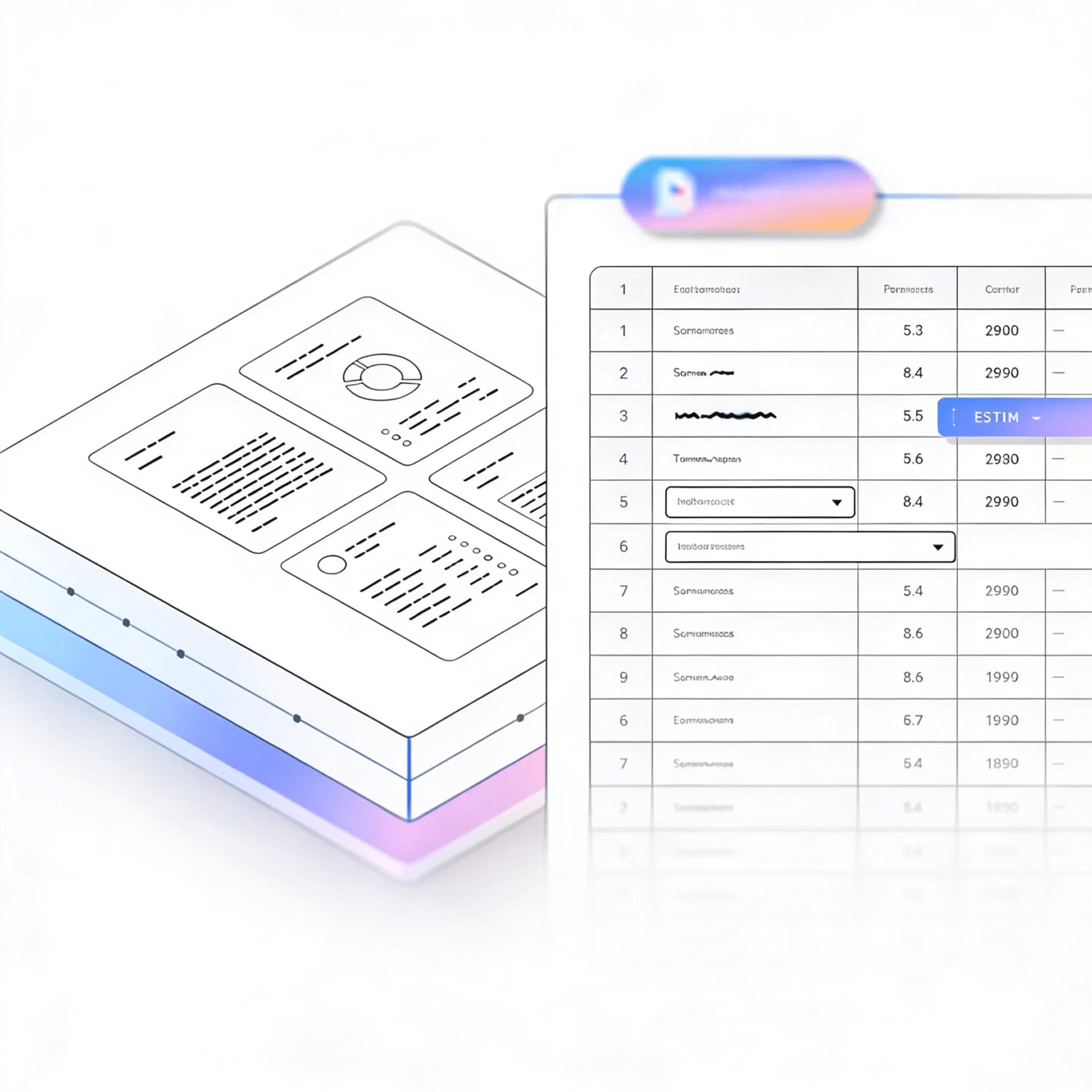


LlamaParse turns messy merchant onboarding packets like applications, KYC forms, and bank letters into clean JSON or Markdown you can actually automate. It stays accurate across shifting layouts with layout-aware vision, validation loops, and citations, reducing manual review and speeding approvals.
Best-in-Class Accuracy

Use LlamaParse to turn merchant KYC packs (IDs, bank letters, invoices, UBO forms) into structured JSON with citations, so underwriting and compliance teams stop chasing missing fields across messy PDFs. Layout-aware extraction and validation loops reduce manual review on high-risk merchants and speed up approval while keeping an auditable trail for regulators.

Automate seller onboarding by parsing business licenses, resale certificates, W-9s, and product compliance docs into clean records that sync to your merchant profile and tax systems. Multimodal parsing captures tables, stamps, and embedded images accurately, preventing catalog delays and reducing seller drop-off caused by repetitive document re-uploads.

Standardize restaurant onboarding by extracting entity details, health permits, insurance COIs, and menu pricing tables into consistent Markdown/JSON even when uploads are photos, scans, or multi-column forms. Natural-language parsing instructions let ops teams change what gets captured (e.g., liquor license fields by city) without rebuilding brittle extraction code.

Launch faster by using LlamaParse as the ingestion layer for merchant onboarding docs, converting mixed file types into schema-ready JSON that plugs into your workflow and onboarding UI. Tier-based agentic processing and cost-optimizer mode keep spend predictable while you scale from a small pilot to high-volume onboarding without rewriting the pipeline.
The Solution
01
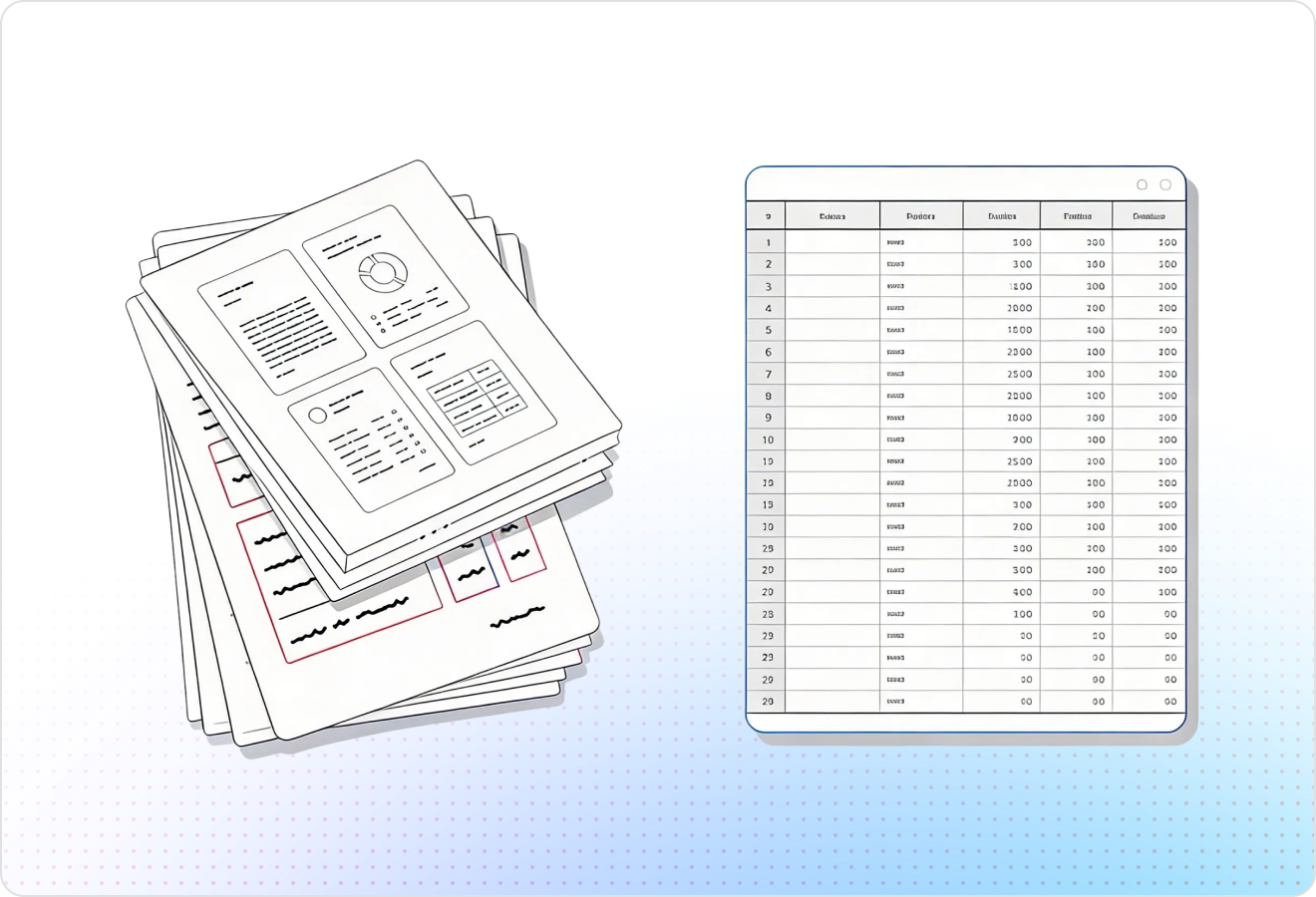
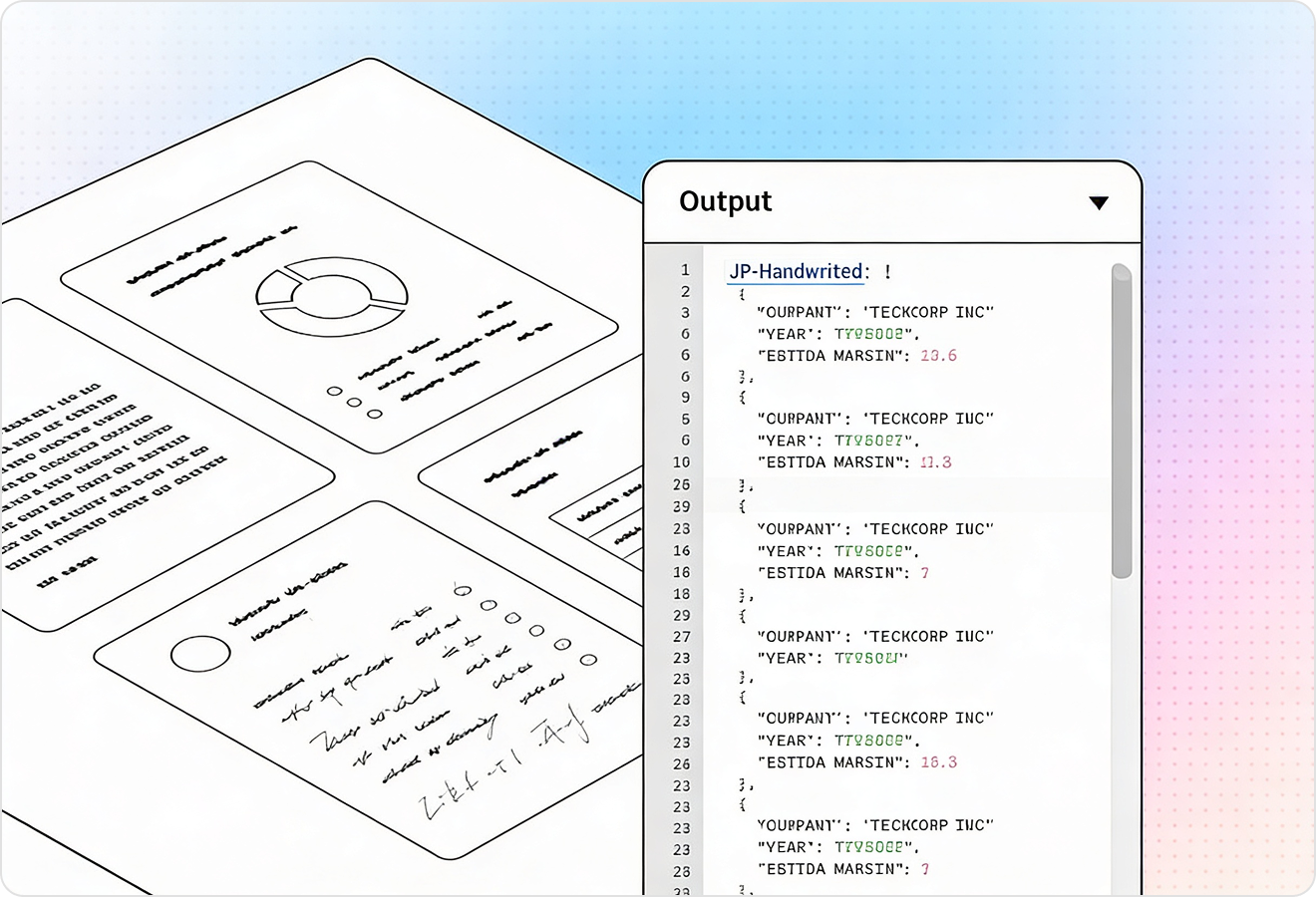
LlamaParse preserves reading order across multi-column PDFs, headers/footers, and dense onboarding packets so fields don’t get scrambled. That means faster, more reliable capture of merchant applications, KYC forms, and underwriting questionnaires without brittle post-processing.
02
LlamaParse extracts complex tables and nested rows into clean, structured output instead of flattened text. This is critical for merchant onboarding when you need to ingest pricing schedules, fee tables, settlement details, and bank account grids accurately the first time.
03
LlamaParse can return structured JSON enriched with page-level metadata like coordinates and source references. For onboarding workflows, this makes it easy to map extracted fields to your merchant profile schema and provide traceability for audit, QA, and exception handling.
04
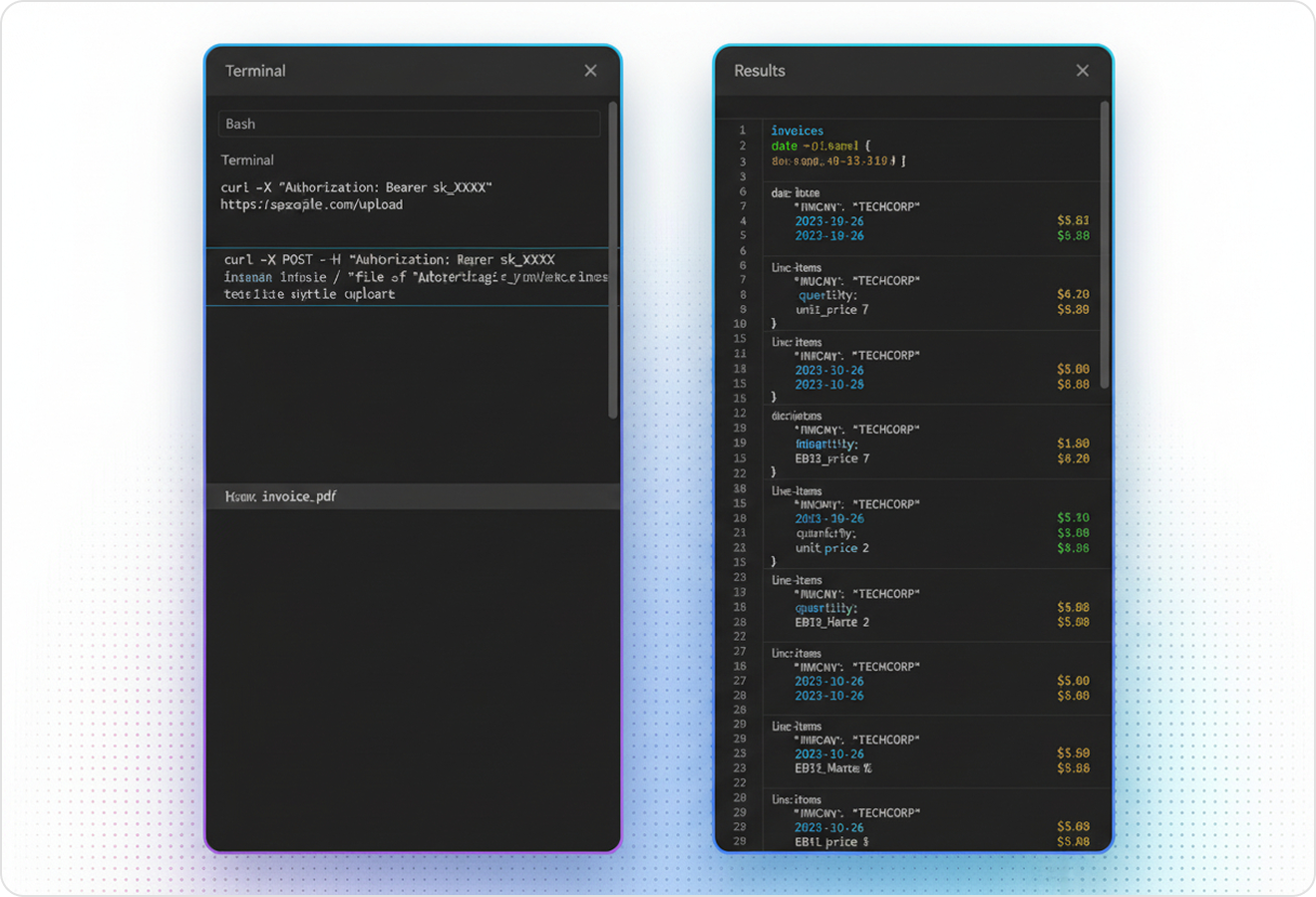
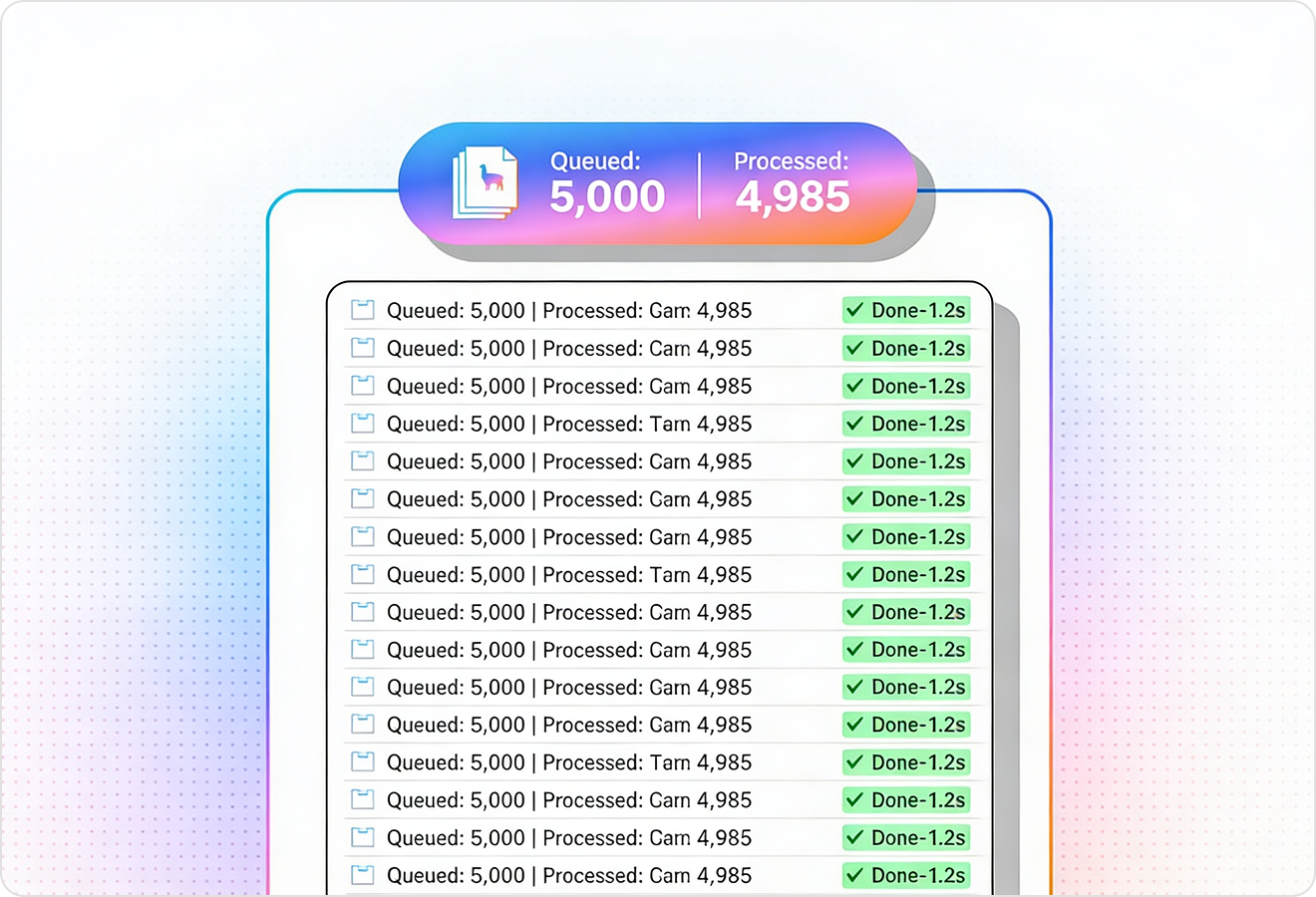
LlamaParse dynamically applies the right level of document understanding to each page, using heavier vision reasoning only where needed. In merchant onboarding, this keeps throughput high and costs predictable while still handling messy scans, stamps, and inconsistent document layouts.
Technical OCR documentation
Explore our developer guides to easily connect your document pipelines to LlamaParse.
Explore the documentation
Our AI catches the typos that tired eyes miss.

Export to Excel, JSON, XML, or directly via API.

SOC2 Type II compliant with end-to-end encryption.

Train the tool on your specific forms in minutes, not days.

Average processing time of <3 seconds per page.
LlamaParse’s support of a wide variety of filetypes and its accuracy of parsing made it the best tool we tested in our evaluations. The LlamaIndex team was very responsive and we were off to the races within a day.
Common FAQs
01
No—our layout-aware extraction preserves reading order across multi-column pages, headers/footers, and dense application packets. That means merchant applications, KYC forms, and underwriting questionnaires come through in the right sequence with far less cleanup. Your ops team spends less time fixing data and more time moving merchants to approval.
02
We extract tables into clean, structured data—including nested rows—so pricing, fees, settlement details, and bank grids don’t get flattened into unusable text. This reduces reconciliation work and prevents costly onboarding errors caused by misread rows or shifted columns. You can trust the output for downstream calculations and approvals.
03
Yes—output is delivered as structured JSON, making it easy to map fields into your merchant profile, CRM, or underwriting system. You can standardize across document types while keeping the flexibility to add new fields over time. This speeds integration and shortens time-to-value.
04
Do you provide traceability for audits and exception handling?
Every extracted field can include citations with page-level metadata like coordinates and source references. That gives reviewers a quick “show me where this came from” path for QA, compliance, and audit requests. Exceptions become faster to resolve because the evidence is attached to the data.
05
How do you handle messy scans, stamps, and inconsistent document layouts without blowing up costs?
Our auto-routed agentic parsing applies heavier vision reasoning only where needed, and lighter parsing when pages are straightforward. That keeps throughput high and costs predictable while still handling real-world onboarding documents like scanned forms, stamps, and varying templates. You get reliability without paying a premium on every page.
06
How quickly can we roll this into our existing merchant onboarding workflow?
Most teams start by sending a sample set of onboarding documents and receiving structured JSON that matches their target schema. From there, it’s straightforward to plug into your current review queues, rules, and downstream systems with clear citations for validation. We’ll help you validate accuracy early so you can go live confidently.