Nov 14, 2025
Document AI: The Next Evolution of Intelligent Document ProcessingPersona
Industry
Use cases
Property Inspection Report OCR
[ Property Inspection Report OCR ]

Use LlamaParse to capture tables, photos, and notes into clean JSON with confidence scores.
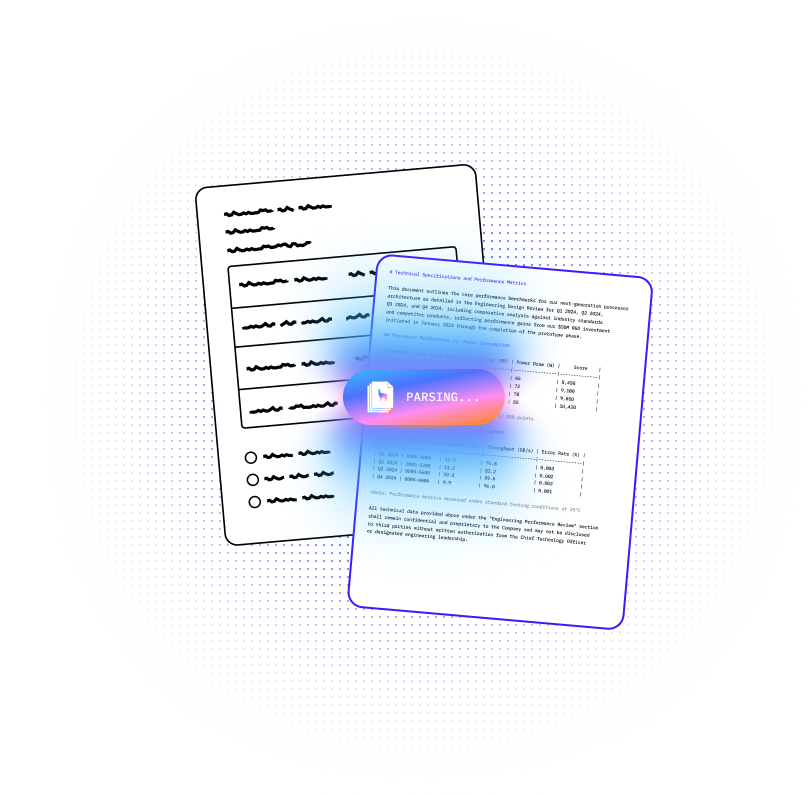
LlamaParse turns messy property inspection reports into clean, structured outputs like JSON or Markdown, so your systems can actually use them. It stays reliable across changing layouts with agentic document parsing, adds verifiable metadata, and reduces manual review on photos, tables, and notes.
Best-in-Class Accuracy

Turn property inspection PDFs into structured JSON with citations, so adjusters can validate roof, HVAC, and water-damage findings without rekeying or arguing over “what the report says.” LlamaParse preserves tables, checklists, and photo callouts, enabling straight-through claim triage, reserve setting, and faster settlement decisions.

Extract condition notes, repair items, and inspection summaries from multi-page reports into lender-ready fields, even when layouts change across vendors and counties. LlamaParse keeps reading order and nested tables intact, so underwriting and QC teams can flag risk, populate LOS systems, and reduce loan-cycle time without brittle parsing code.

Normalize inspection findings into a consistent work-order feed by converting report tables and handwritten-style annotations into clean Markdown/JSON that downstream systems can consume. Teams can auto-create prioritized punch lists, track recurring defects across sites, and keep audit-ready evidence via page-level metadata.

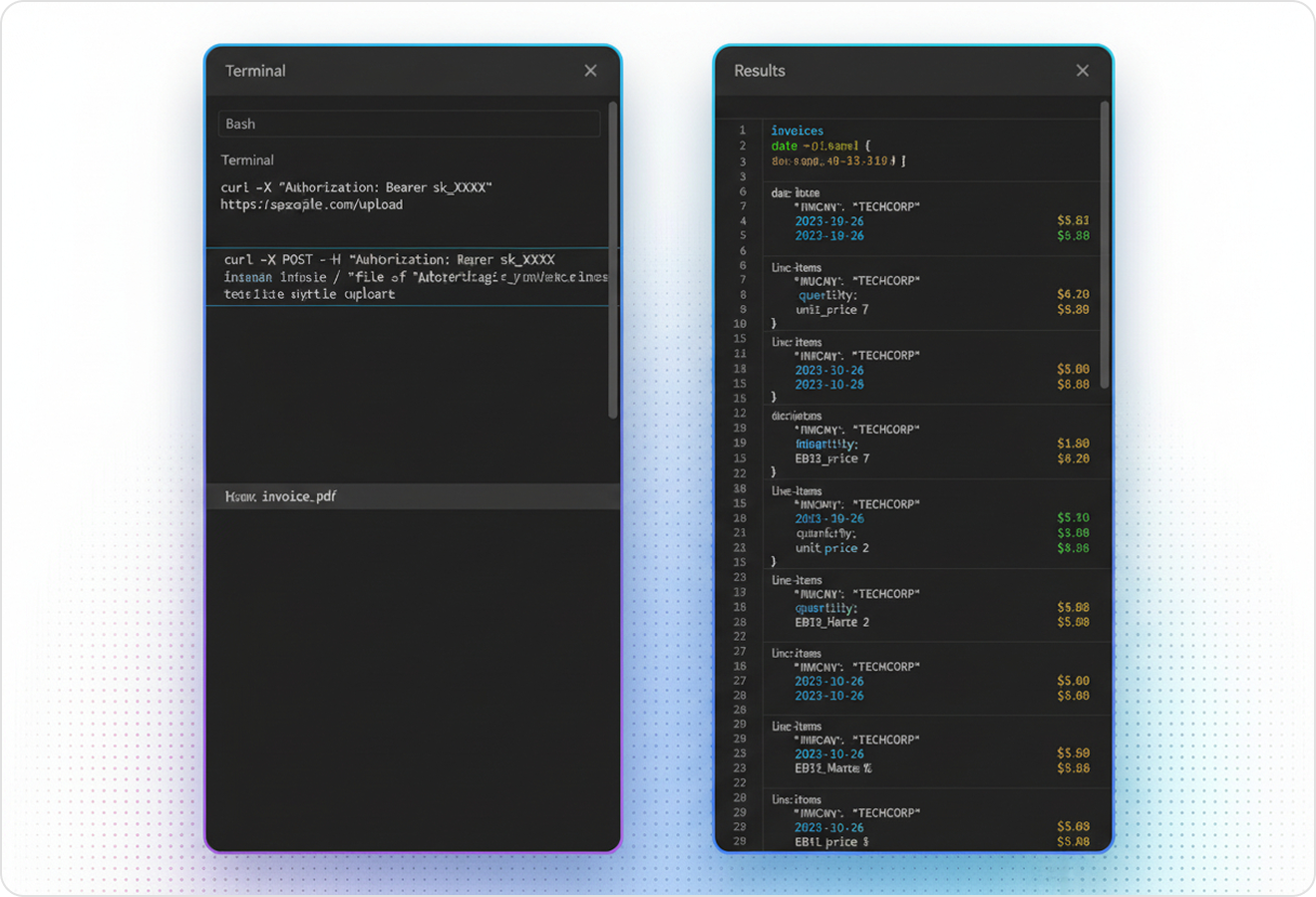
Ship “upload an inspection report → get structured data” in days using LlamaParse APIs and natural-language extraction instructions, instead of maintaining fragile OCR templates for every inspector format. Auto routing and correction loops keep accuracy high on messy scans while controlling spend, so you can scale from pilot to production without replatforming.
The Solution
01
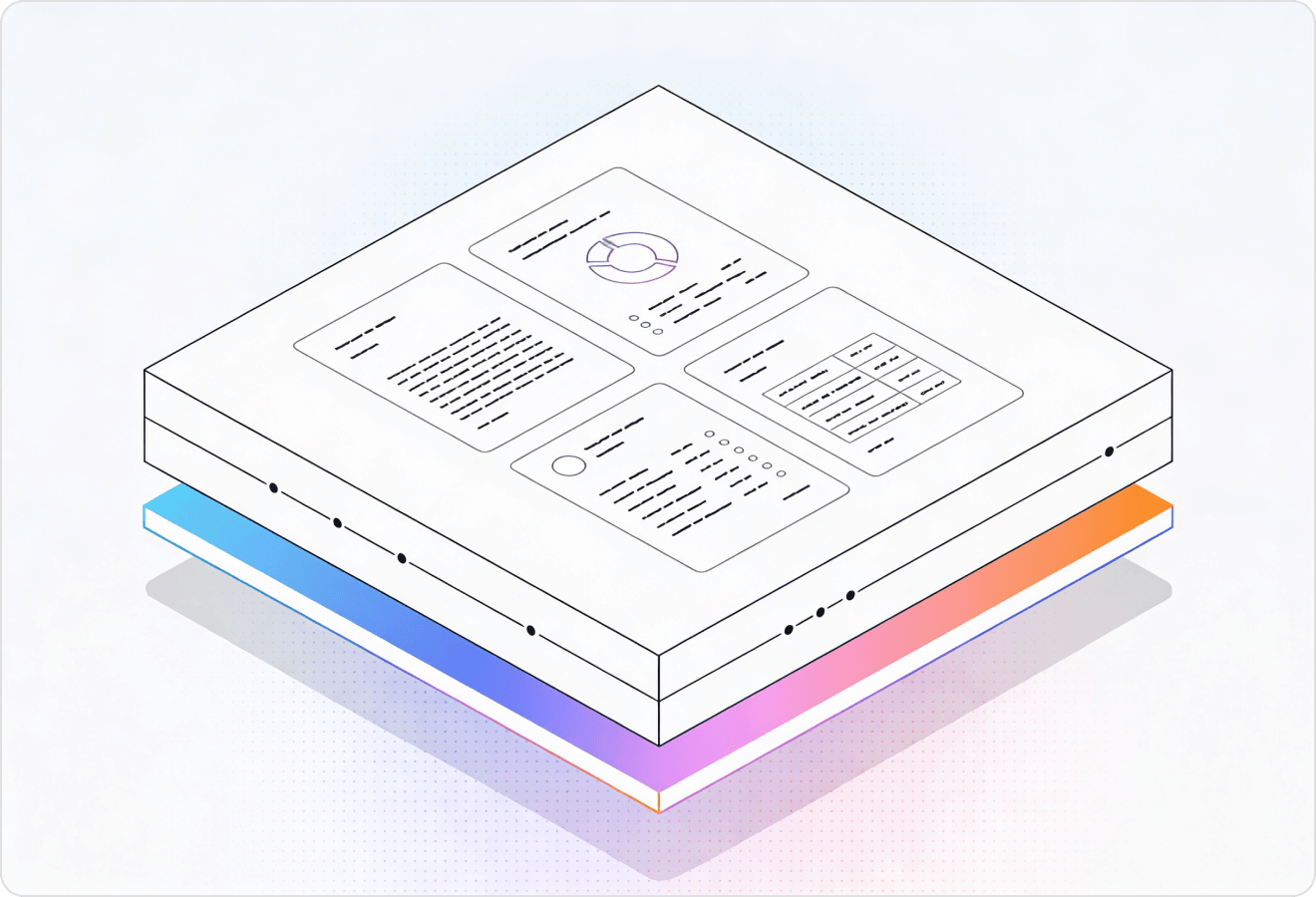
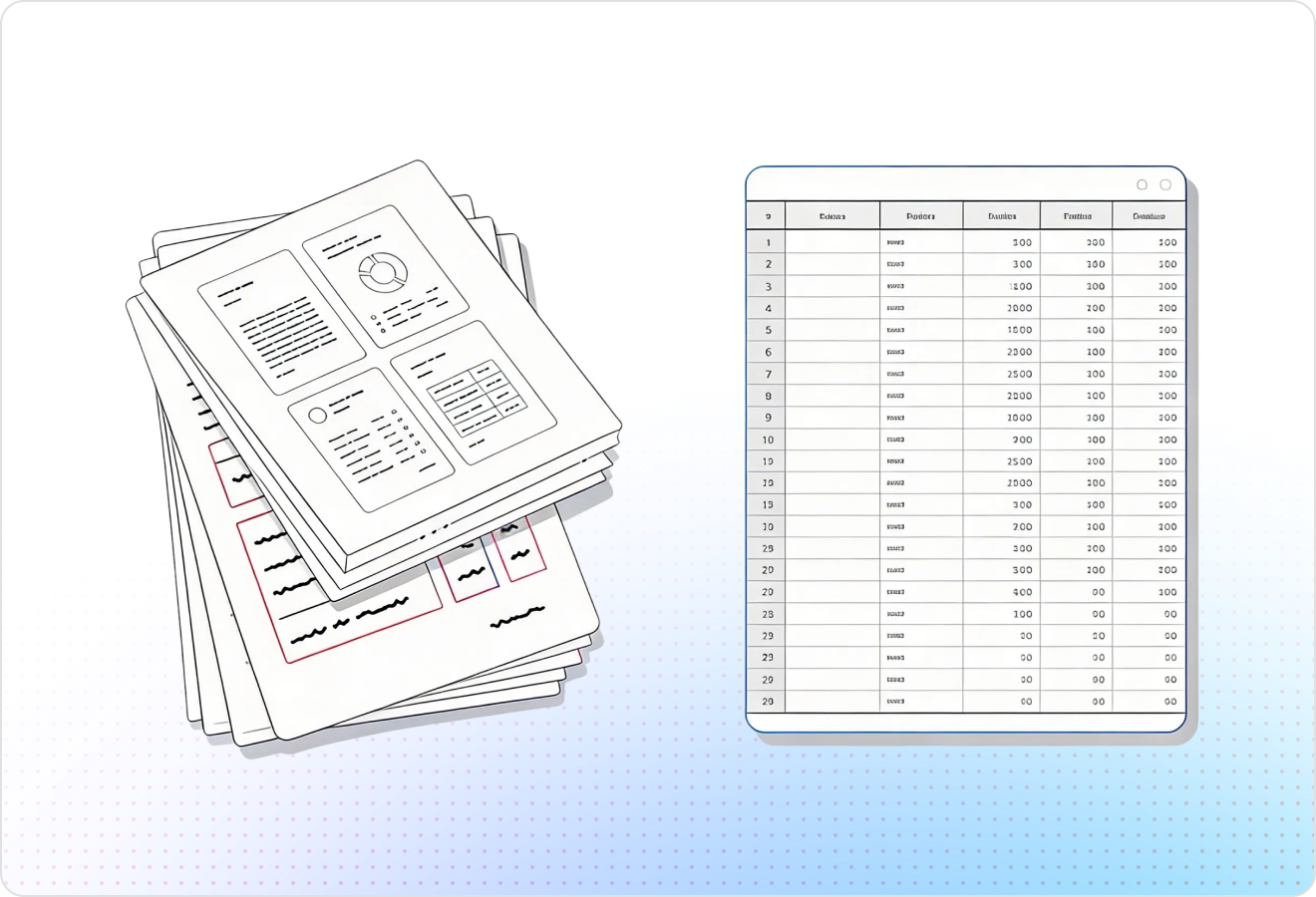
LlamaParse detects page structure so multi-column narratives, headers/footers, and repeated section blocks don’t get scrambled in extraction. For property inspection reports, that means findings, room-by-room notes, and inspector details stay in the right reading order for reliable downstream review and automation.
02
LlamaParse accurately reconstructs tables and checklist-style grids into clean Markdown or structured outputs instead of flattened text. This makes it easy to pull condition ratings, pass/fail items, and repair recommendations into your database without brittle post-processing.
03
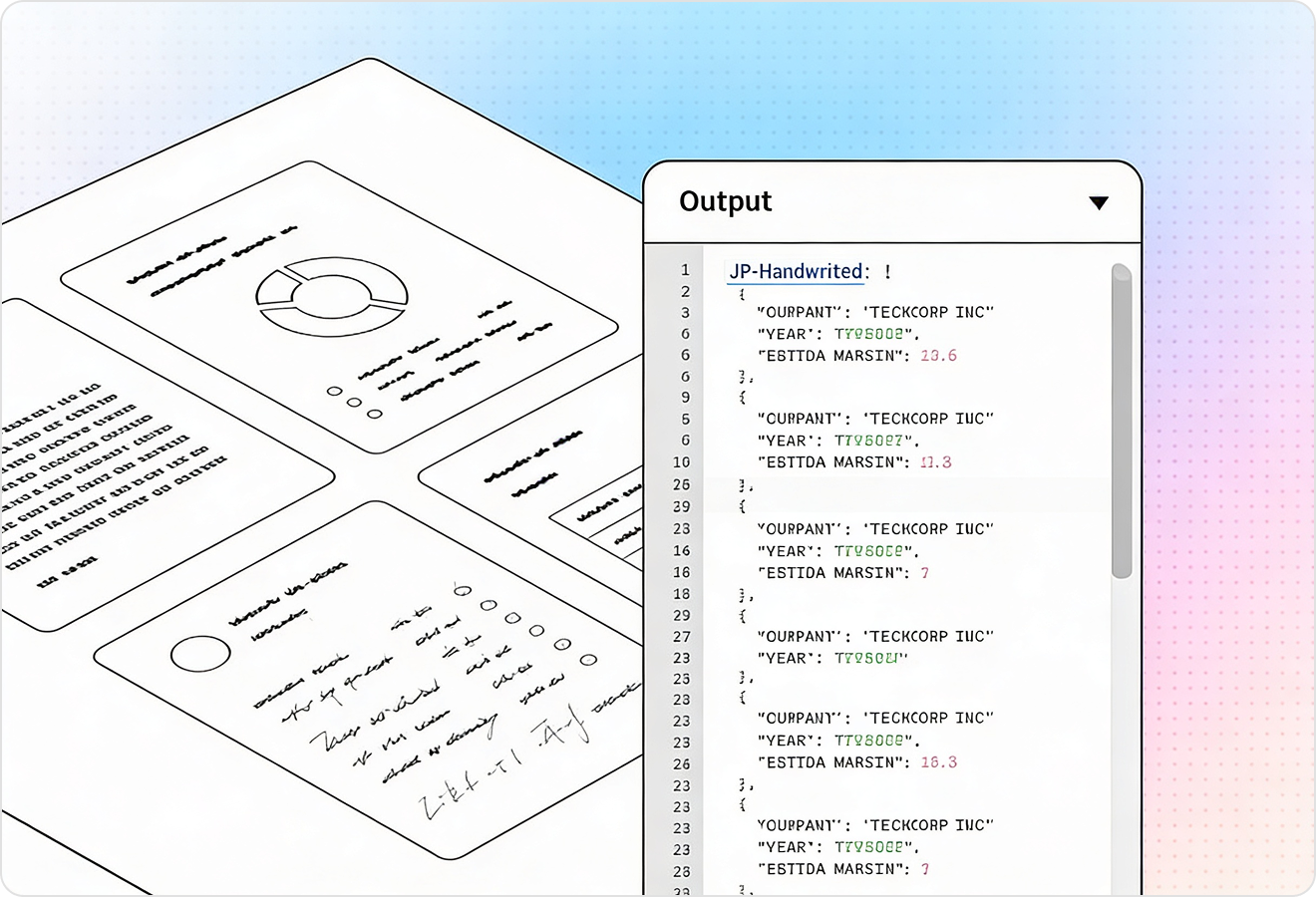
LlamaParse can interpret embedded photos, annotated screenshots, and simple diagrams by leveraging multimodal parsing rather than treating them as unreadable blobs. In inspection reports, that helps preserve context like labeled defects, referenced areas, and visual evidence tied to specific findings.
04
LlamaParse can emit structured JSON with granular metadata like page numbers and element-level references for traceability. For property inspection workflows, you can attach every extracted defect, severity, and recommendation back to its exact source location for faster QA and cleaner audit trails.
Technical OCR documentation
Explore our developer guides to easily connect your document pipelines to LlamaParse.
Explore the documentation
Our AI catches the typos that tired eyes miss.

Export to Excel, JSON, XML, or directly via API.

SOC2 Type II compliant with end-to-end encryption.

Train the tool on your specific forms in minutes, not days.

Average processing time of <3 seconds per page.
LlamaParse’s support of a wide variety of filetypes and its accuracy of parsing made it the best tool we tested in our evaluations. The LlamaIndex team was very responsive and we were off to the races within a day.
Common FAQs
01
Yes. Layout-aware field capture preserves page structure so multi-column narratives, headers/footers, and repeated sections don’t get scrambled. That means room-by-room notes, findings, and inspector details land in the right place for reliable review and automation.
02
Absolutely. Tables and checklist-style grids are reconstructed into clean, usable structured outputs instead of being flattened into messy text. This makes it easy to import condition ratings, pass/fail items, and repair recommendations directly into your database with minimal cleanup.
03
They’re not ignored or treated as blank space. Image and diagram understanding helps retain context from labeled defects, referenced areas, and visual evidence tied to specific findings, so your extracted data stays meaningful.
04
Can I trace each extracted defect or recommendation back to the exact spot in the report?
Yes. JSON output with citations includes metadata like page numbers and element-level references, so every extracted item can be linked to its source location. This speeds up QA, reduces disputes, and provides a cleaner audit trail for compliance.
05
How does this reduce manual QA time for inspection report workflows?
By keeping sections in order, extracting checklists cleanly, and attaching citations, reviewers can verify key items in seconds instead of hunting through pages. Teams typically spend less time fixing extraction errors and more time acting on findings.
06
How quickly can we integrate the extracted data into our existing property workflows?
You can ingest structured JSON directly into your pipeline and map extracted fields (e.g., room, defect, severity, recommendation) to your schema. Because outputs include consistent structure and citations, integration is faster and requires fewer custom post-processing rules.