Nov 14, 2025
Document AI: The Next Evolution of Intelligent Document ProcessingPersona
Industry
Use cases
Product Specification OCR
[ Product Specification OCR ]

Use LlamaParse to turn messy spec sheets into clean, verified JSON your systems can trust.
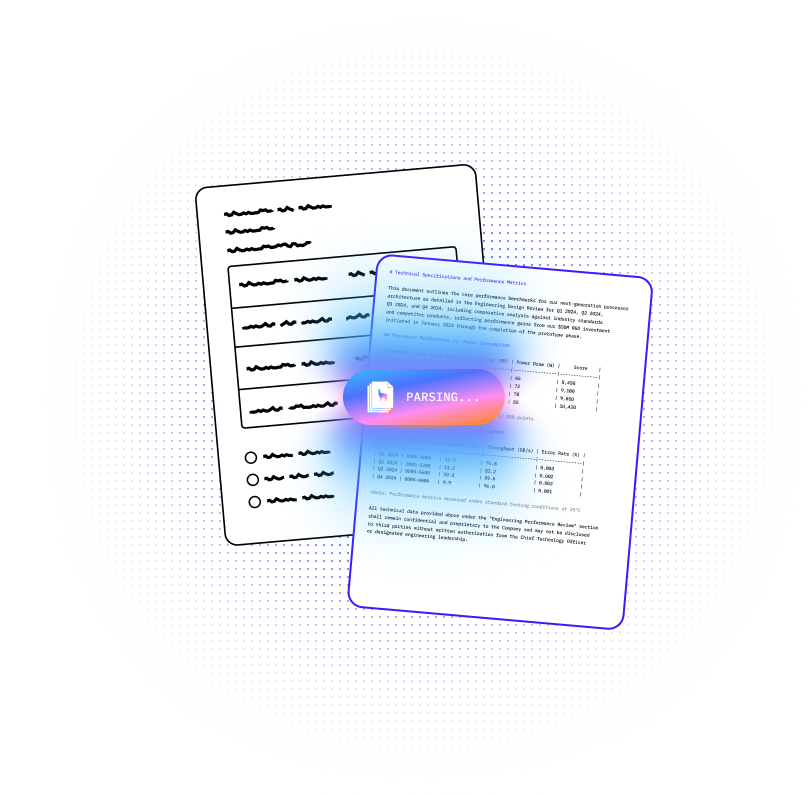
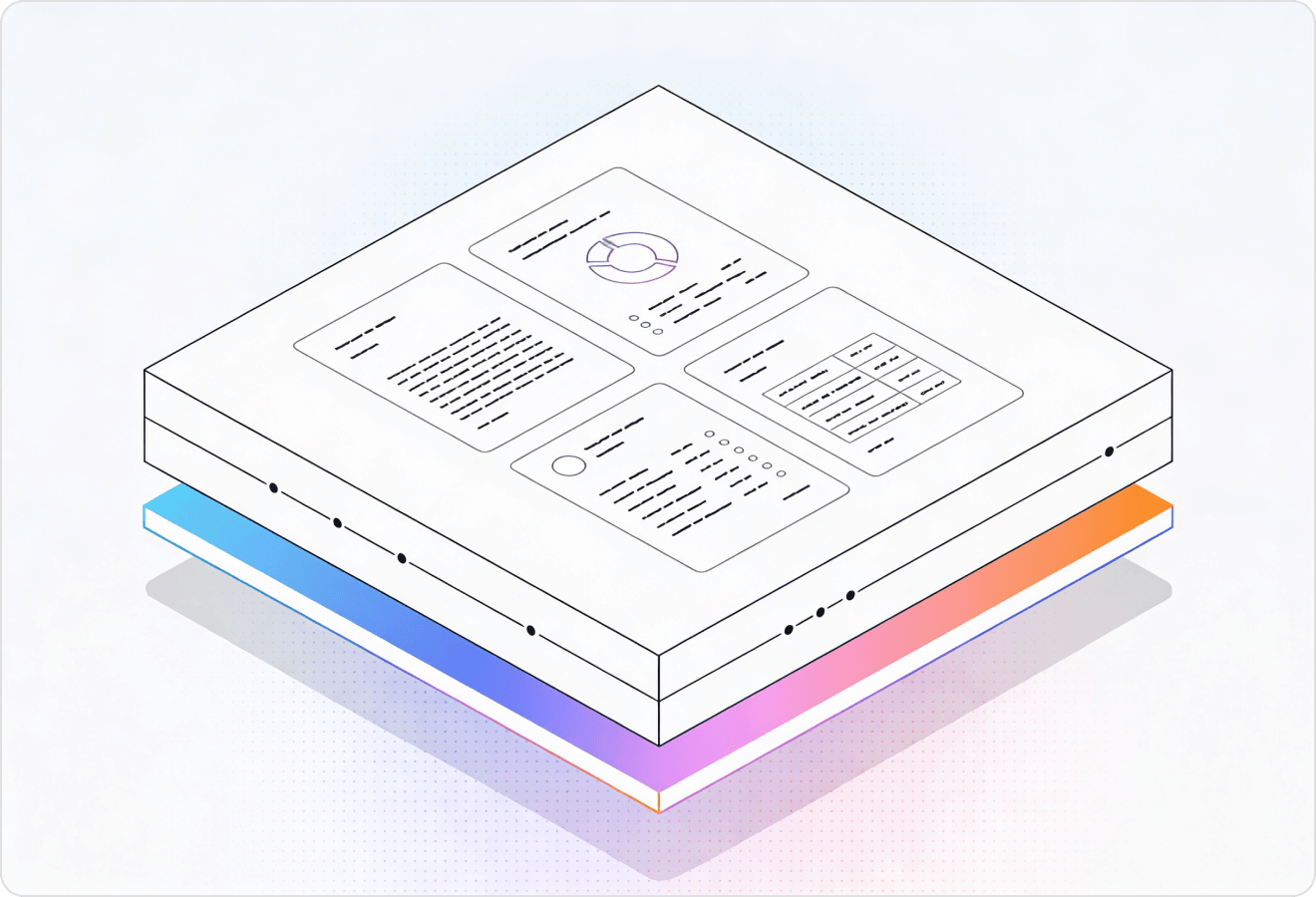

LlamaParse turns messy product spec PDFs and scans into clean, structured fields with layout-aware understanding that handles tables, diagrams, and footnotes. Validation loops and citations reduce rework, so your team can ship accurate catalogs, compliance checks, and downstream automations faster.
Best-in-Class Accuracy

Turn supplier datasheets, spec sheets, and multi-page product catalogs into clean, structured Markdown/JSON with layout-accurate table extraction—no more scrambled columns or missing tolerance values. Standardize attributes across vendors (dimensions, materials, certifications) to speed RFQs, reduce spec mismatches, and keep ERP item masters consistent.

Extract equipment and materials specs from submittals, cut sheets, and PDF plan sets while preserving reading order, headers, and revision blocks that traditional OCR often mangles. Create reliable spec-to-BOQ comparisons and auto-flag non-compliant substitutions so teams spend less time rekeying and more time building.

Convert vendor product specification PDFs into normalized product data (variants, dimensions, compatibility, compliance icons) that drops directly into PIM and marketplace listing templates. Pull structured details from tables and charts to reduce listing errors, accelerate onboarding, and improve search filters with consistent attributes.

Ingest messy customer-uploaded spec documents and output schema-ready JSON with granular metadata (page coordinates, confidence) for traceable automations and review workflows. Use tier-based agentic processing to reserve heavy multimodal parsing for the hardest pages, keeping accuracy high while controlling burn.
The Solution
01
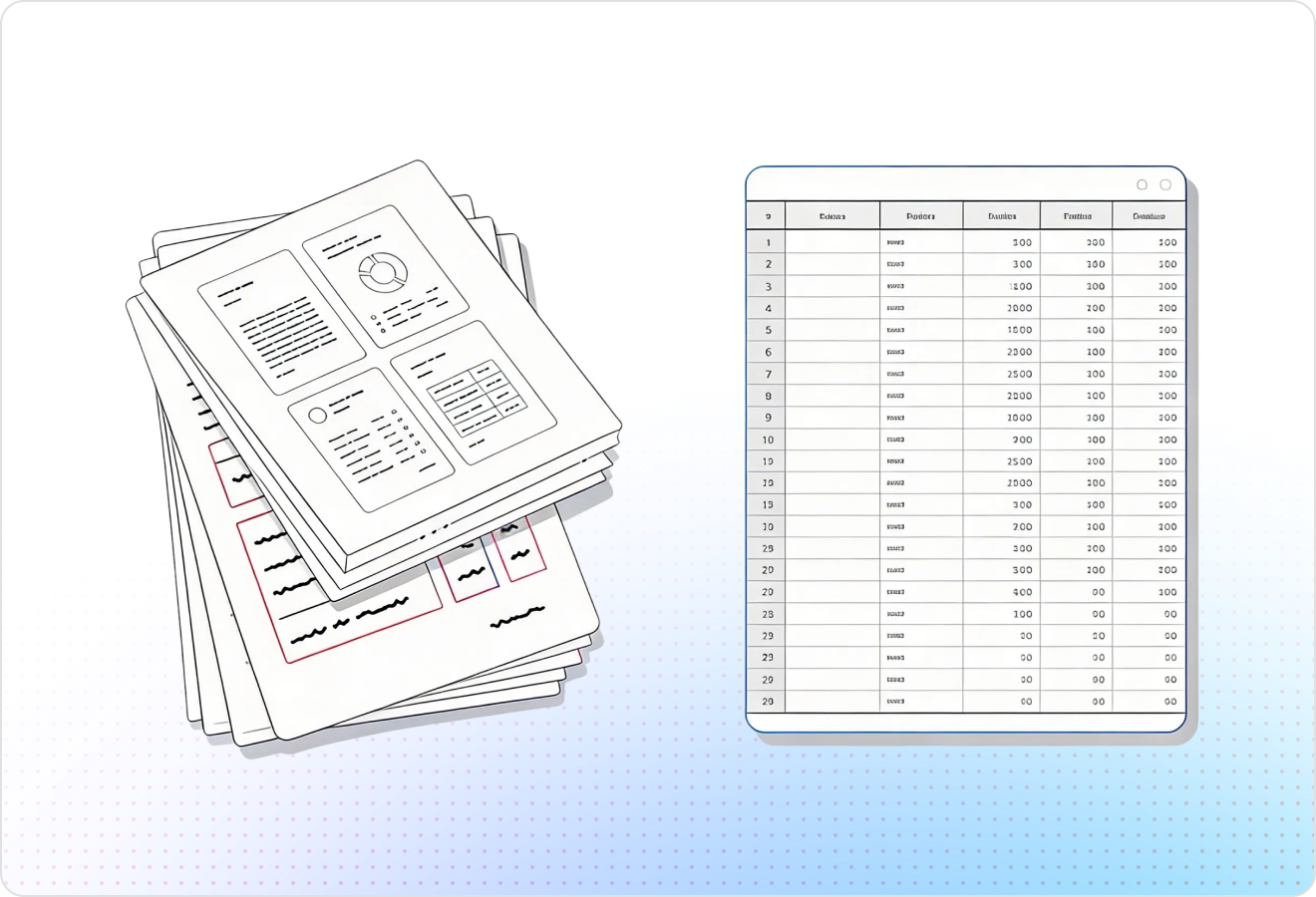
LlamaParse analyzes page layout to preserve reading order across multi-column specs, callouts, headers/footers, and dense formatting. This keeps product requirements, constraints, and notes from getting scrambled, so downstream extraction and review stay trustworthy.
02
LlamaParse extracts complex tables (materials, dimensions, tolerances, electrical ratings, BOMs) without losing rows, columns, or units. You get clean, structured outputs that are ready for validation, comparison, and import into PLM/ERP systems.
03
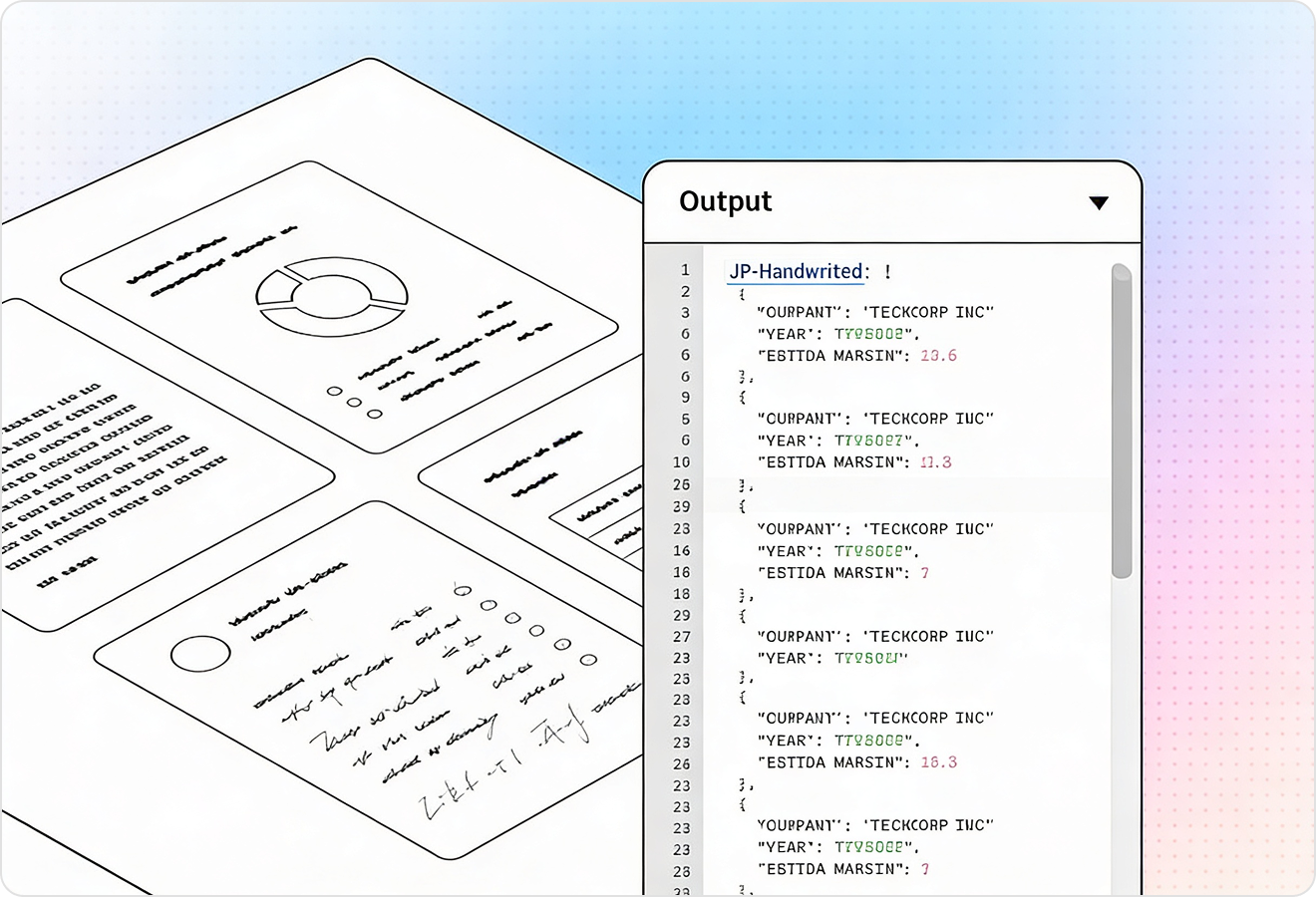
LlamaParse can interpret non-text elements like charts, figures, and embedded images and convert them into machine-readable representations with traceable context. That matters in product specs where critical requirements often live inside plots, wiring diagrams, or annotated images instead of plain text.
04
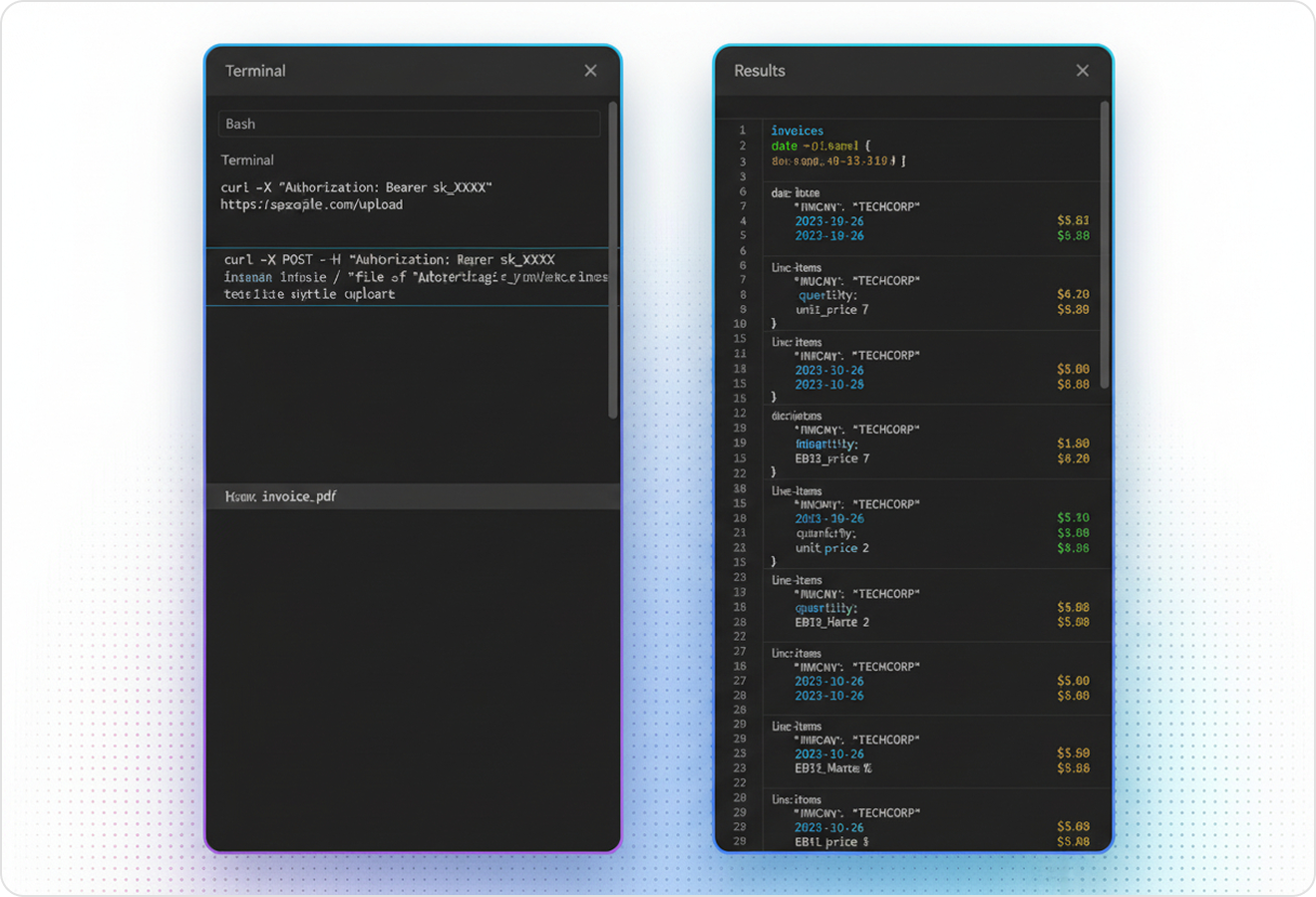
LlamaParse outputs AI-ready JSON and attaches granular metadata like page numbers, element types, and spatial coordinates for each extracted field. For product specification workflows, this makes every captured value auditable and easy to route into human review when confidence is low or the source is ambiguous.
Technical OCR documentation
Explore our developer guides to easily connect your document pipelines to LlamaParse.
Explore the documentation
Our AI catches the typos that tired eyes miss.

Export to Excel, JSON, XML, or directly via API.

SOC2 Type II compliant with end-to-end encryption.

Train the tool on your specific forms in minutes, not days.

Average processing time of <3 seconds per page.
LlamaParse’s support of a wide variety of filetypes and its accuracy of parsing made it the best tool we tested in our evaluations. The LlamaIndex team was very responsive and we were off to the races within a day.
Common FAQs
01
No—our layout-aware extraction preserves reading order across columns, callouts, headers/footers, and tightly packed sections. That means requirements, constraints, and notes stay in context, so reviewers don’t have to reassemble the document by hand.
02
We reliably extract tables without dropping rows/columns or losing units, even when formatting is complex. You get clean, structured outputs that are ready for validation, side-by-side comparison, and import into PLM/ERP workflows.
03
Yes—multimodal understanding converts non-text elements (plots, figures, wiring diagrams, embedded images) into machine-readable representations with traceable context. This helps you capture critical requirements that never appear as plain text.
04
Do you provide structured JSON output that our systems can actually use?
You’ll receive AI-ready JSON designed for downstream automation and integration. The structure makes it easy to map fields into your internal schema and build validation rules around them.
05
How do we audit extracted values and handle ambiguous or low-confidence fields?
Every extracted field includes provenance metadata such as page number, element type, and spatial coordinates. That audit trail makes it straightforward to verify sources and route uncertain items to human review without slowing down the rest of the pipeline.
06
What’s the fastest way to evaluate accuracy on our own product spec documents?
Run a small set of your real specs through the parser and review the JSON alongside the included provenance to spot-check tricky sections like tables and diagram callouts. Most teams can validate fit in hours, then scale confidently once the results match their acceptance criteria.