Nov 14, 2025
Document AI: The Next Evolution of Intelligent Document ProcessingPersona
Industry
Use cases
Mortgage Application Form OCR
[ Mortgage Application Form OCR ]

Use LlamaParse to pull key loan fields from messy forms into clean, verifiable JSON.
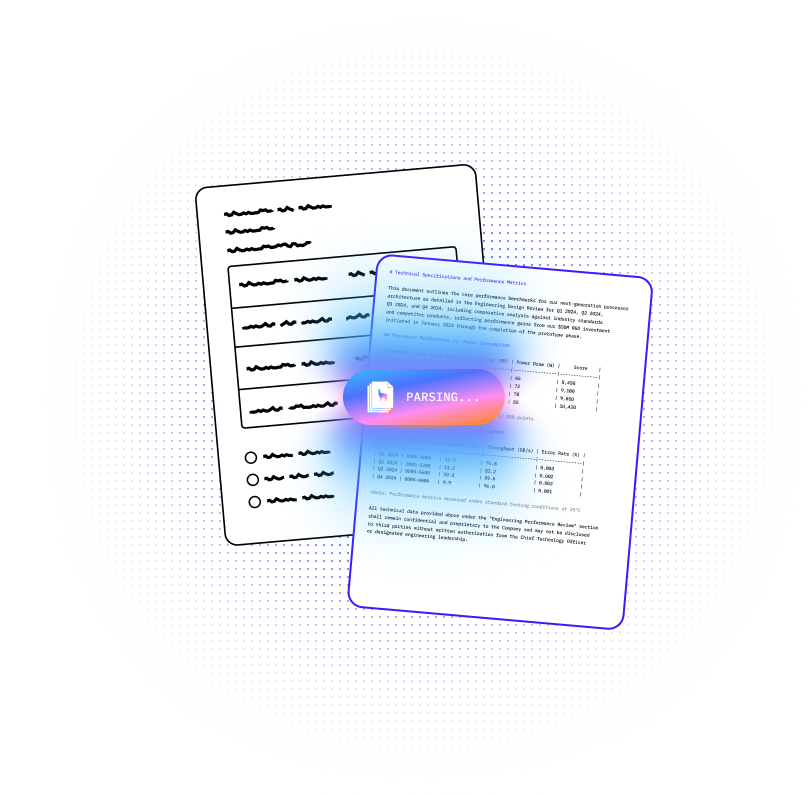


LlamaParse turns messy mortgage application packets into clean, structured fields you can trust, even when layouts change and scans are imperfect. It uses agentic document parsing with layout-aware vision and validation loops to reduce rework, speed underwriting, and produce verifiable outputs.
Best-in-Class Accuracy

Use LlamaParse in LlamaCloud to turn borrower mortgage application packets into structured JSON, reliably capturing fields from multi-page, multi-column forms and signature blocks without brittle template rules. This eliminates re-keying and exceptions by extracting consistent borrower, income, and property data for LOS ingestion and faster underwriting queues.

Ingest mortgage applications as supporting evidence for homeowners coverage with layout-aware table extraction that preserves schedules, prior carrier details, and loss history sections even when scanned or faxed. Your team gets verifiable outputs with page-level traceability to speed underwriting decisions and reduce back-and-forth on missing or mismatched applicant details.

Parse application documents and lender instructions into clean Markdown and structured fields to auto-populate settlement checklists, closing timelines, and party contact records. This prevents downstream delays caused by scrambled reading order across addenda and disclosures, keeping closings on track with fewer manual corrections.

Ship a production-grade intake flow quickly by using natural-language parsing instructions to extract exactly the schema your product needs from varied lender-specific application formats. Auto Mode routes only the hardest pages to agentic processing to keep unit economics predictable while maintaining high straight-through processing for onboarding.
The Solution
01
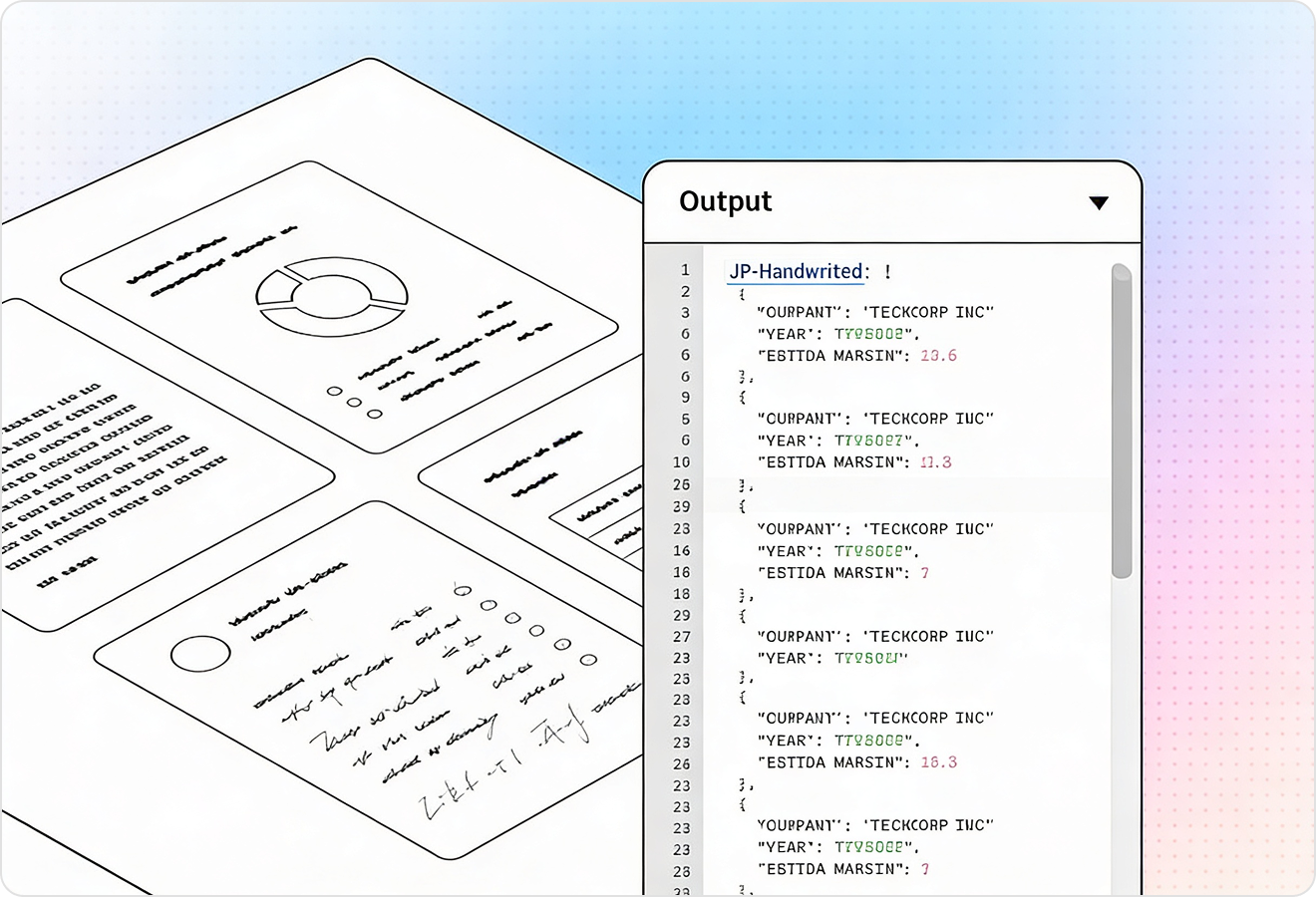
LlamaParse understands mortgage form layout—sections, labels, and multi-column blocks—so extracted text stays in the right order instead of getting scrambled. That means borrower details, employment history, and declarations map cleanly to your downstream workflow even when templates vary by lender.
02
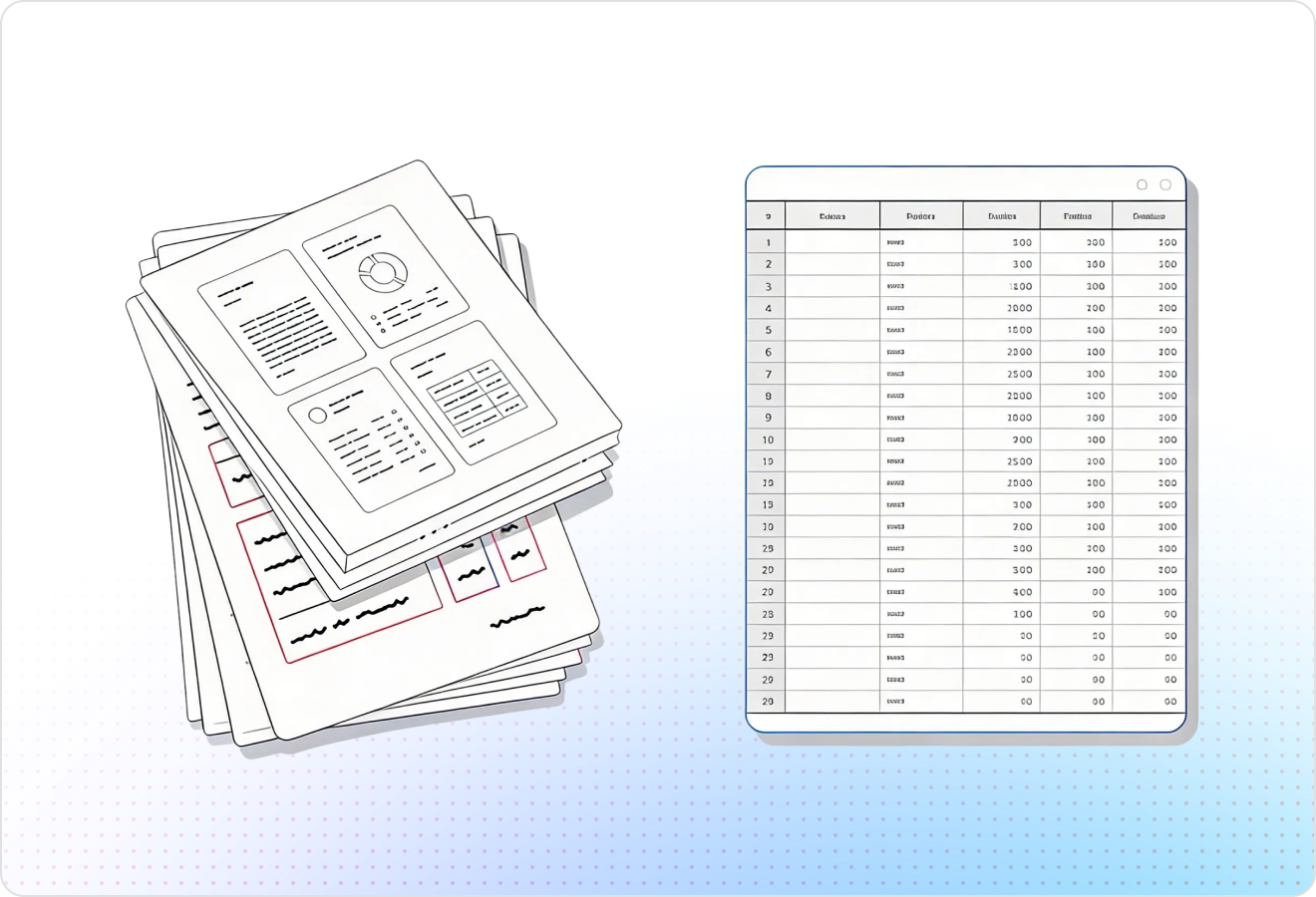
It accurately pulls structured data from tables like assets/liabilities, monthly income breakdowns, and loan terms without you writing brittle post-processing rules. You get consistent rows, headers, and totals that are ready for validation and underwriting checks.
03
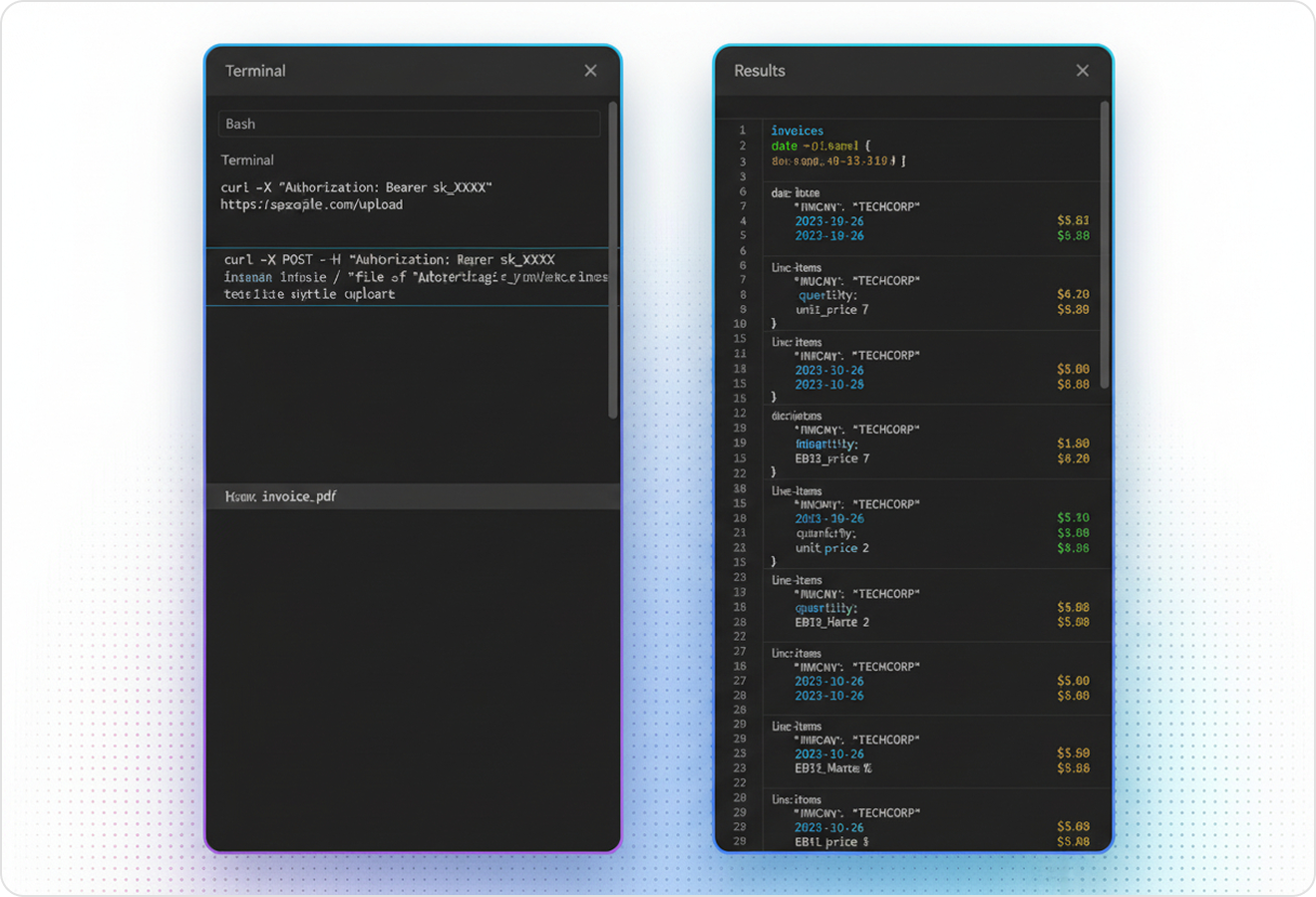
LlamaParse can return structured JSON plus rich metadata like page numbers and coordinates for each extracted field. For mortgage applications, this makes it easy to build audit-friendly pipelines with field-level traceability and targeted human review on only the uncertain parts.
04
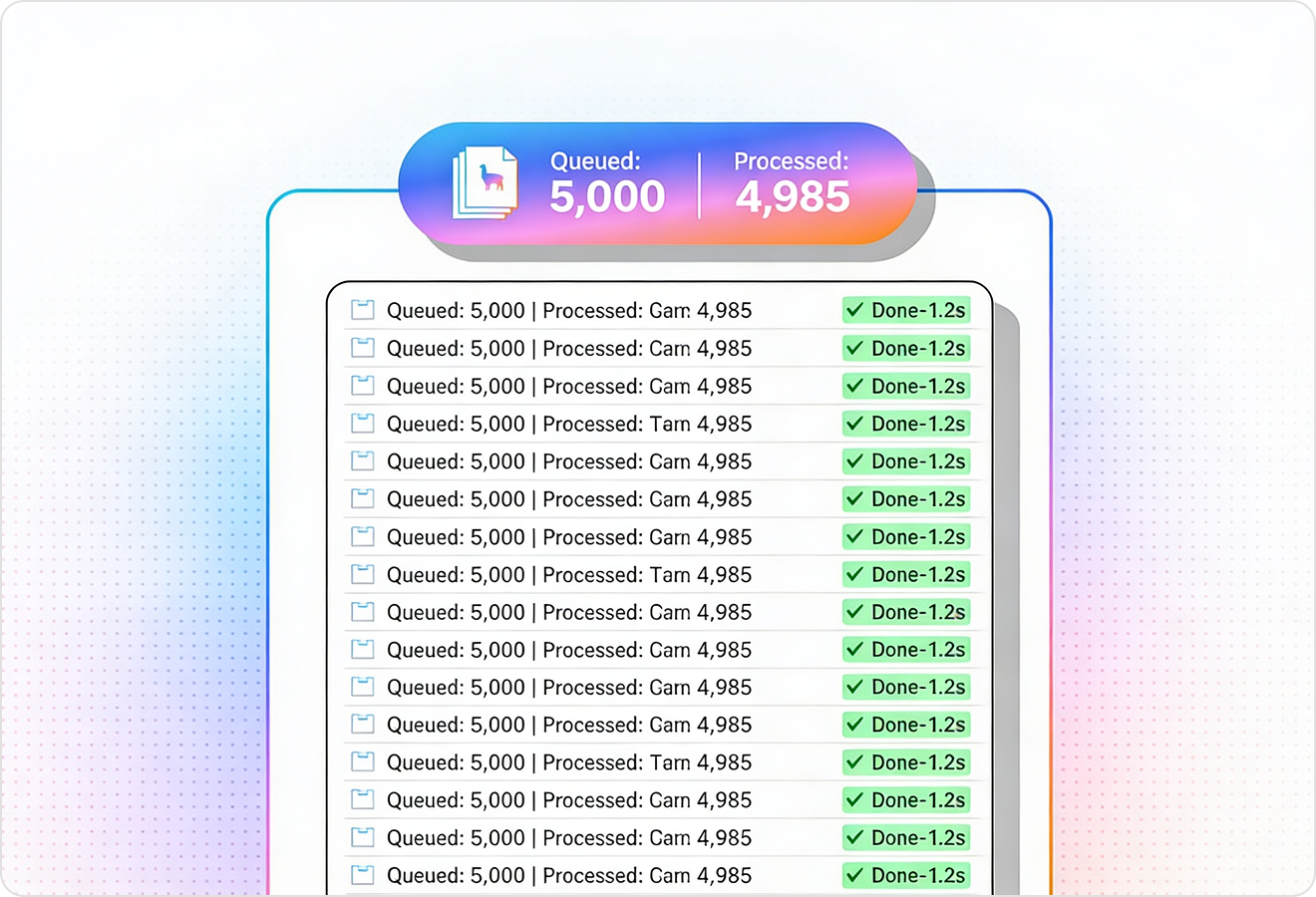
Agentic correction and validation loops catch common extraction errors—misread digits, swapped fields, or missing values—before results are returned. This improves straight-through processing for mortgage intake where a single wrong number can trigger rework or compliance issues.
Technical OCR documentation
Explore our developer guides to easily connect your document pipelines to LlamaParse.
Explore the documentation
Our AI catches the typos that tired eyes miss.

Export to Excel, JSON, XML, or directly via API.

SOC2 Type II compliant with end-to-end encryption.

Train the tool on your specific forms in minutes, not days.

Average processing time of <3 seconds per page.
LlamaParse’s support of a wide variety of filetypes and its accuracy of parsing made it the best tool we tested in our evaluations. The LlamaIndex team was very responsive and we were off to the races within a day.
Common FAQs
01
Yes. Layout-aware parsing reads sections, labels, and multi-column blocks so names, SSNs, employment history, and declarations don’t get reordered or merged. This reduces downstream cleanup when lenders use slightly different templates.
02
It extracts tables as structured rows and headers, including totals, so your system receives consistent data ready for underwriting and validation. That means fewer brittle post-processing scripts and more reliable results across scanned PDFs.
03
Yes—output can include structured JSON plus metadata such as page numbers and coordinates for each field. This makes it easy to show where every value came from and to route only flagged fields to human review.
04
What if the OCR misreads digits or swaps fields—how do you reduce costly rework?
Auto validation loops catch common issues like transposed numbers, missing values, and mismatched fields before results are returned. You get cleaner first-pass data, which improves straight-through processing and reduces compliance risk.
05
How well does it work when forms vary by lender or the template changes over time?
It’s designed to handle template variation by using layout understanding rather than relying on fixed coordinates. That helps you maintain stable extraction even as lenders update layouts, add sections, or reorder fields.
06
Can we review only the uncertain fields instead of rechecking entire applications?
Yes. Because each extracted field can include location metadata, you can create targeted review workflows that jump reviewers directly to the exact spot on the page. This speeds up QC while maintaining confidence in the final dataset.