Nov 14, 2025
Document AI: The Next Evolution of Intelligent Document ProcessingPersona
Industry
Use cases
Medical History Form OCR
[ Medical History Form OCR ]

Use LlamaParse to turn messy intake scans into structured fields your EHR can trust.
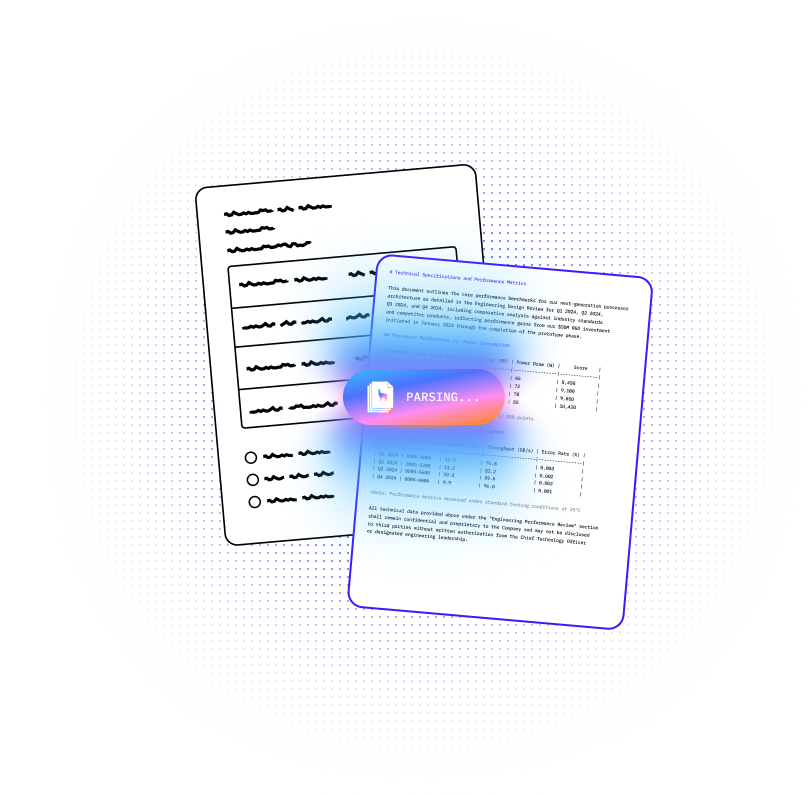

LlamaParse turns scanned or messy medical history intake forms into clean, structured JSON or Markdown automatically, so your team stops retyping and guessing. It’s layout-aware and agentic, validating fields like meds, allergies, and conditions with citations and confidence scores for faster review.
Best-in-Class Accuracy

Use LlamaParse to turn scanned medical history intake forms into structured JSON that populates EHR fields without manual re-typing, even when the form has multi-column sections, checkboxes, and tables. Layout-aware parsing preserves question-to-answer alignment and returns confidence + citations so staff can review only the few fields that need verification.

Extract pre-existing conditions, medications, and procedure history from medical history forms to speed underwriting and reduce claim delays caused by missing or mis-keyed data. Natural-language parsing instructions let ops teams standardize outputs across dozens of provider form templates without building brittle rules for each layout change.

Normalize participant medical history forms into analysis-ready datasets for eligibility screening and adverse event context, including embedded notes, tables, and handwritten additions. JSON mode with granular metadata keeps every extracted field traceable back to page coordinates, simplifying monitoring, audit trails, and query resolution.

Ship reliable form ingestion fast by using LlamaParse as the ingestion layer for user-uploaded PDFs and photos, converting messy intake documents into clean Markdown/JSON for downstream automations. Tier-based agentic processing routes simple pages cheaply and upgrades only the complex scans, keeping unit economics predictable while accuracy stays high.
The Solution
01
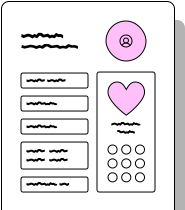
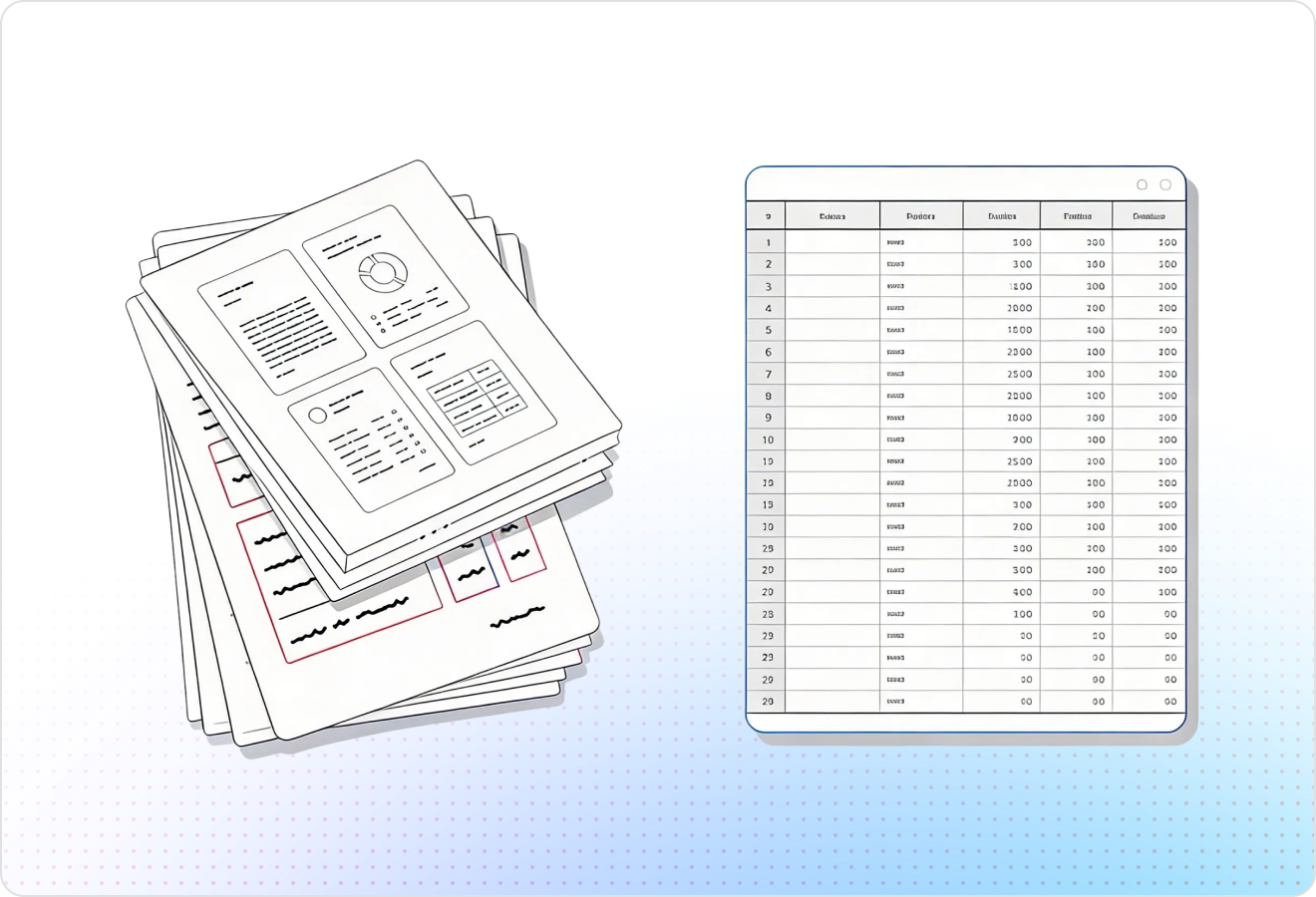
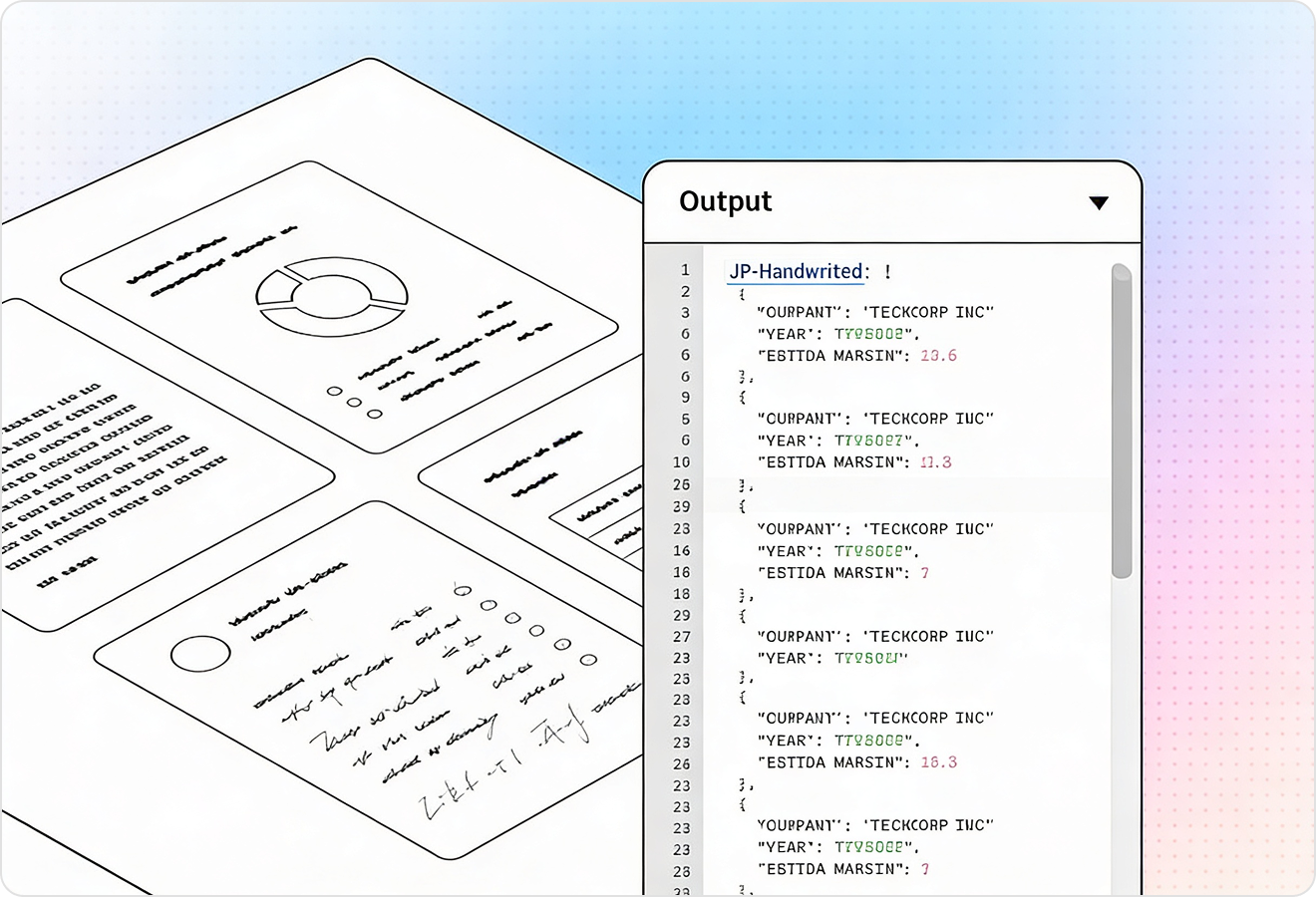
LlamaParse understands medical history form layouts—sections, columns, checkboxes, and field groupings—so answers don’t get scrambled when the template changes. That means you can reliably capture items like medications, allergies, and past conditions in the right context without brittle, form-specific rules.
02
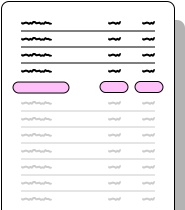
LlamaParse accurately extracts structured grids like medication lists, immunization records, and “condition / date / notes” tables into clean, machine-readable output. This avoids the common failure mode where legacy extraction merges rows or drops headers, which is critical for downstream EHR mapping and review.
03
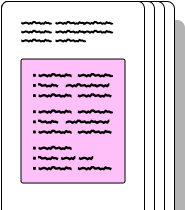
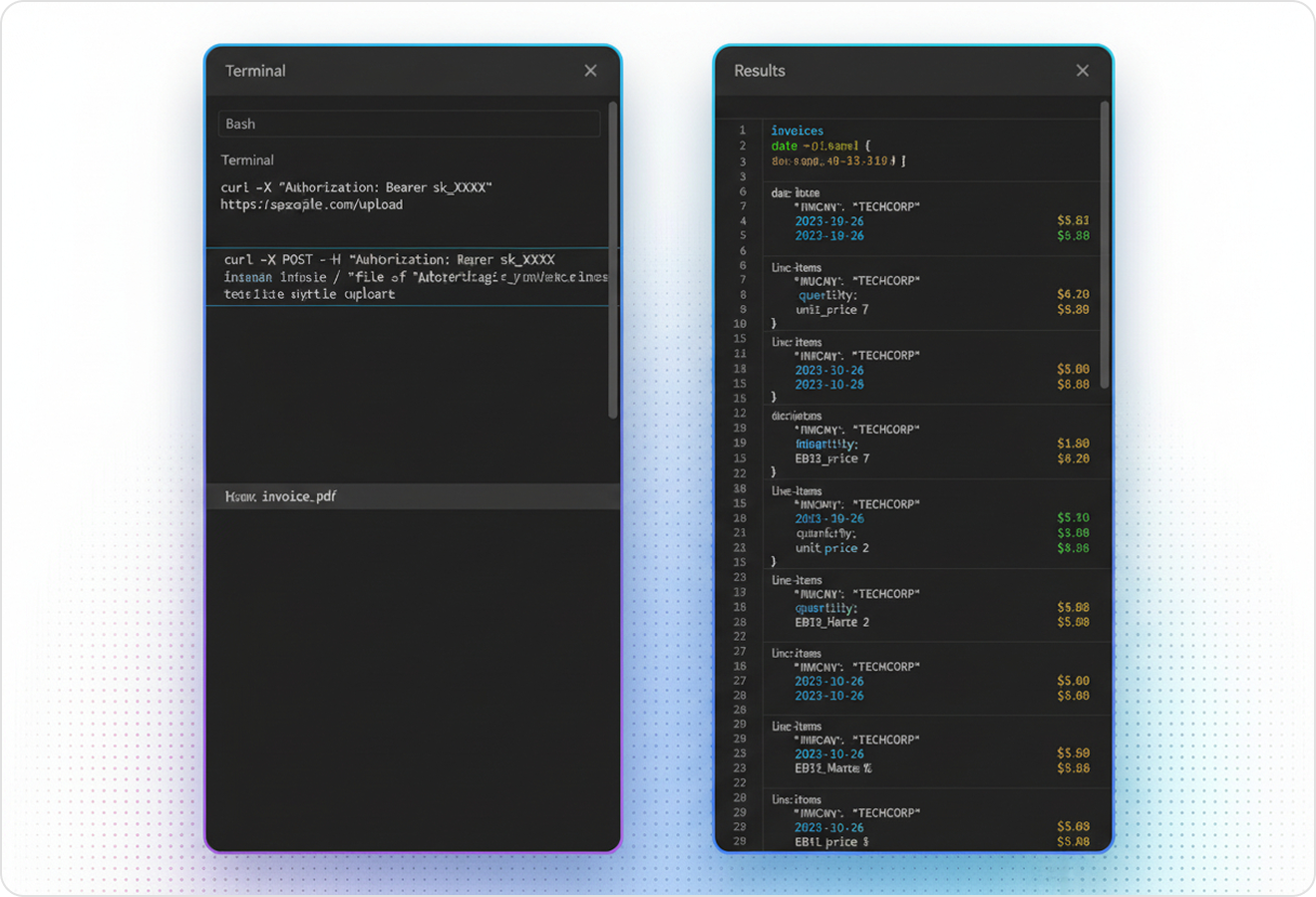
LlamaParse can return structured JSON with granular metadata like page location and element types for each extracted field. For medical history intake, that traceability makes it easy to validate questionable entries, route exceptions to human review, and keep an audit trail back to the original form.
04
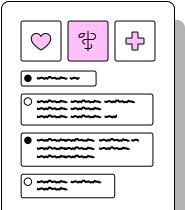
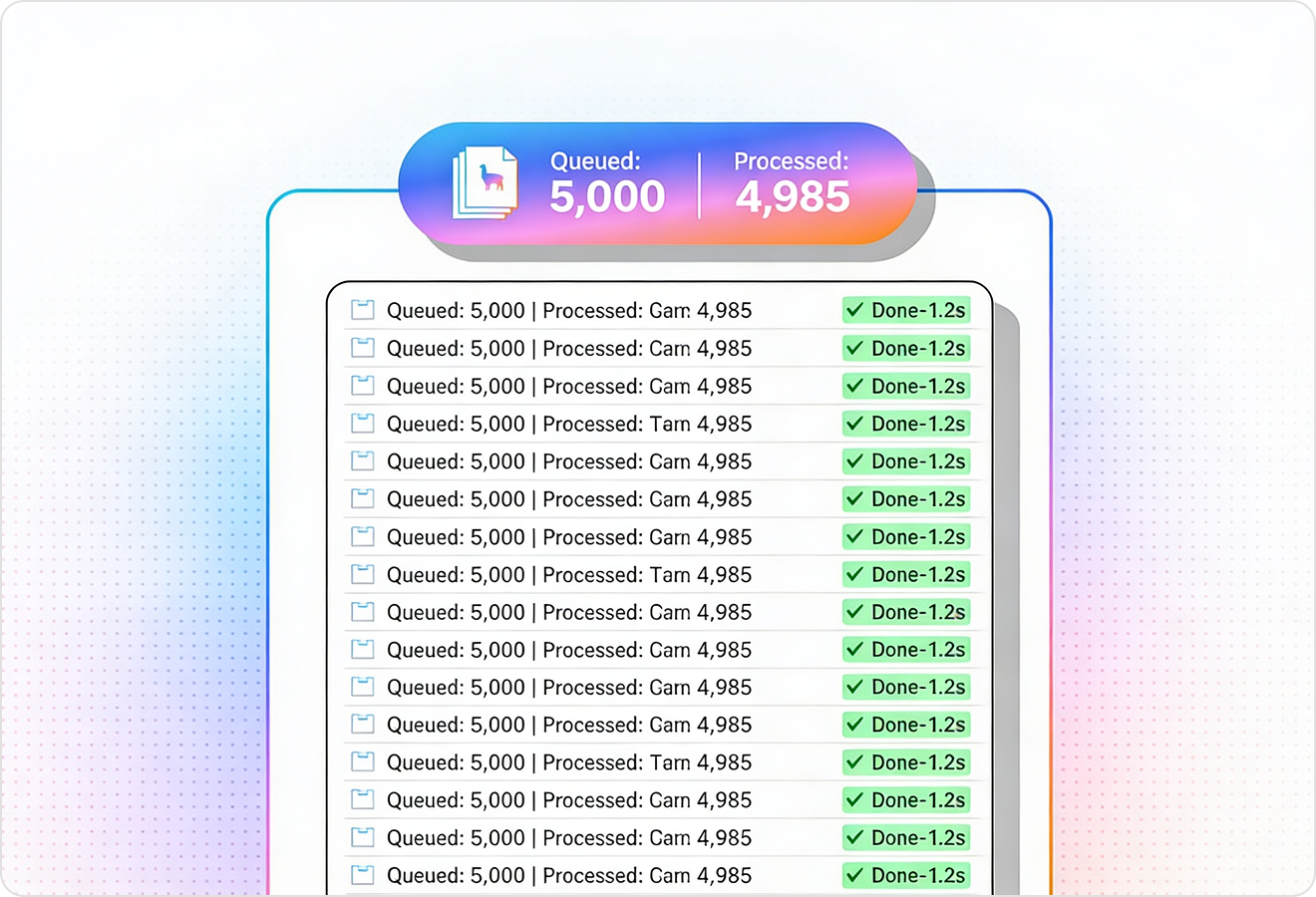
LlamaParse runs validation and self-correction steps to reduce extraction errors on messy scans, faint print, and low-quality uploads. This improves straight-through processing for medical history forms by catching inconsistencies (like mismatched dates or partial fields) before the data hits your system.
Technical OCR documentation
Explore our developer guides to easily connect your document pipelines to LlamaParse.
Explore the documentation
Our AI catches the typos that tired eyes miss.

Export to Excel, JSON, XML, or directly via API.

SOC2 Type II compliant with end-to-end encryption.

Train the tool on your specific forms in minutes, not days.

Average processing time of <3 seconds per page.
LlamaParse’s support of a wide variety of filetypes and its accuracy of parsing made it the best tool we tested in our evaluations. The LlamaIndex team was very responsive and we were off to the races within a day.
Common FAQs
01
Yes—layout-aware parsing recognizes sections, columns, checkboxes, and grouped fields so data stays in the right context even when templates vary. This helps you reliably capture medications, allergies, and past conditions without maintaining brittle, form-specific rules.
02
Checkboxes and grouped options are interpreted as part of their surrounding section, so selections don’t get separated from the question they belong to. This reduces ambiguous outputs and makes downstream mapping to your intake workflow or EHR far more dependable.
03
Yes—table and grid extraction preserves row/column structure for common formats like medication lists, immunization records, and condition/date/notes grids. You get clean, machine-readable output that’s easier to map and review than flattened text.
04
Do you return structured JSON, and can we trace each field back to the original form for audits?
You can output structured JSON with granular metadata such as page location and element type for each extracted field. That traceability supports auditing, speeds up QA, and makes it simple to route only questionable fields to human review.
05
What happens with messy scans, faint print, or low-quality patient uploads?
Auto-correction loops run validation and self-correction steps to reduce common extraction errors from poor image quality. This improves straight-through processing by catching issues like partial fields or inconsistent dates before data reaches your system.
06
How do we handle exceptions and ensure data quality before it syncs into our EHR or database?
Because outputs include traceable metadata, you can automatically flag low-confidence or inconsistent entries and send them to a review queue with direct links to the source location. This keeps your automated pipeline moving while maintaining the accuracy and auditability required for clinical workflows.