Nov 14, 2025
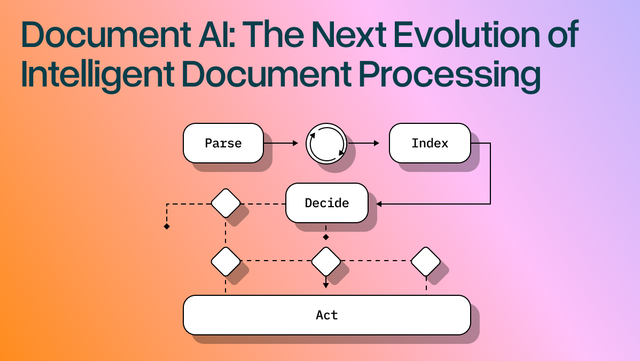
Document AI: The Next Evolution of Intelligent Document ProcessingPersona
Industry
Use cases
ISO Certification OCR
[ ISO Certification OCR ]

Use LlamaParse to turn messy ISO documents into structured fields with citations you can verify.
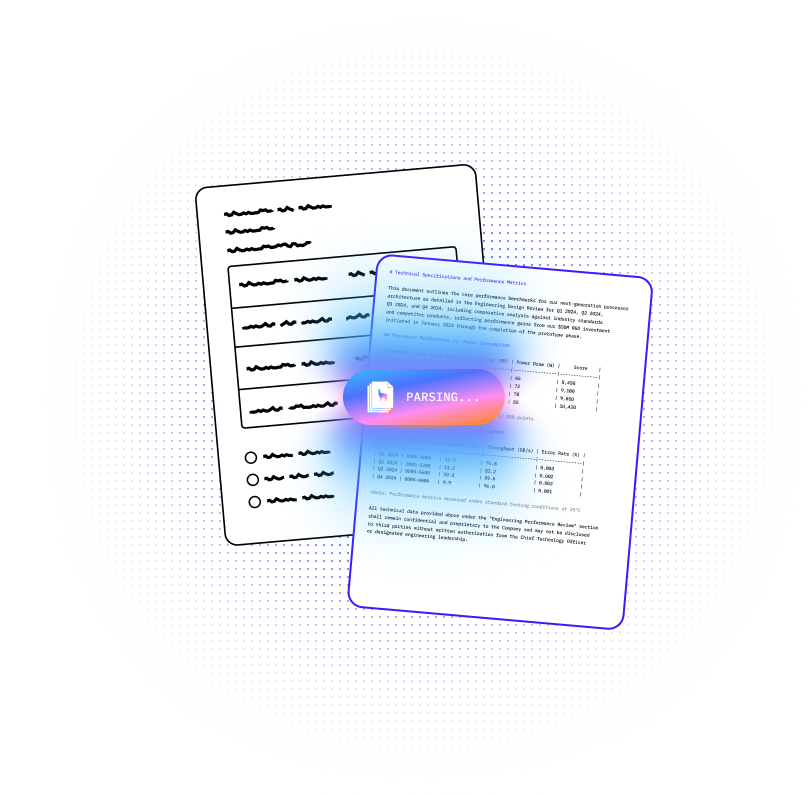


LlamaParse turns ISO certificates and audit reports into clean, schema-ready JSON in minutes, even when layouts vary across issuers and scans. Agentic document parsing understands tables, stamps, and certificate scopes, then adds citations and confidence so teams can verify fast and automate compliance workflows.
Best-in-Class Accuracy

Use LlamaParse to parse ISO certificates, scopes, and expiry dates from supplier PDFs and scanned docs—even when tables, stamps, and multi-column layouts would scramble traditional OCR. Output structured JSON with traceable page-level metadata so your supplier onboarding and audit prep can be automated and defensible.

Automatically verify ISO certifications for insured vendors and contractors by extracting standard numbers, issuing bodies, and validity windows from messy submissions that include photos, scans, and embedded seals. LlamaParse’s validation loops reduce exceptions and rework, so underwriting and claims teams can make faster, cleaner decisions with fewer manual checks.

Parse ISO certifications from subcontractor bid packages and compliance binders, preserving reading order across split sections and attachment-heavy PDFs so nothing gets missed in review. Convert results into Markdown and JSON to power automated compliance gates in procurement workflows and prevent non-compliant awards.

Turn inbound ISO certification documents from customers, partners, or vendors into a normalized schema via simple natural-language parsing instructions—no brittle regex or custom pipelines. Ship a production-ready intake workflow quickly with API-first parsing and tier-based processing that keeps accuracy high without blowing your compute budget.
The Solution
01
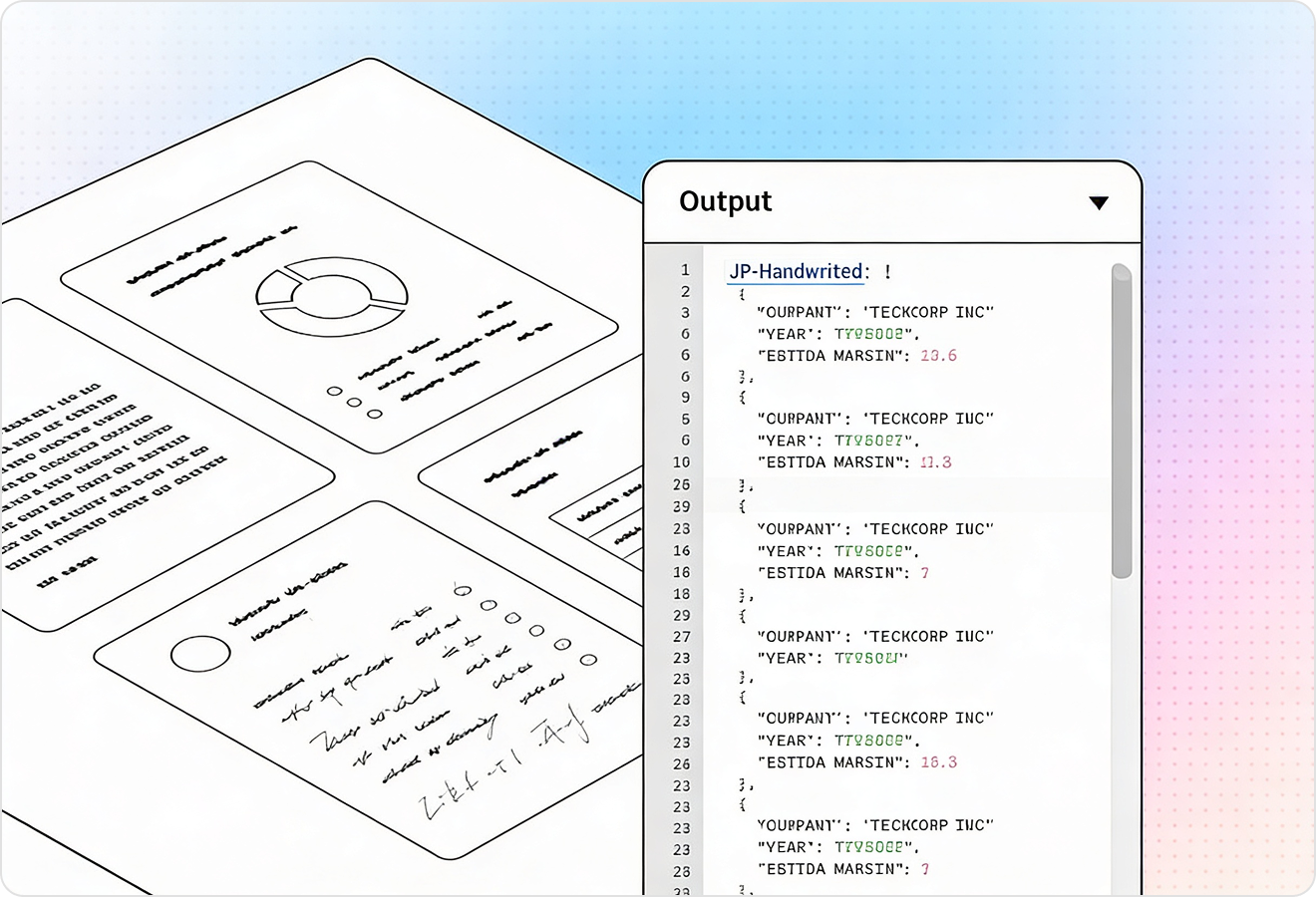
LlamaParse understands real page structure—sections, headers/footers, multi-column text, and annexes—so ISO certificates and audit reports don’t get scrambled on ingest. That means you can reliably extract scope statements, site addresses, certificate numbers, and dates without building brittle, layout-specific post-processing.
02
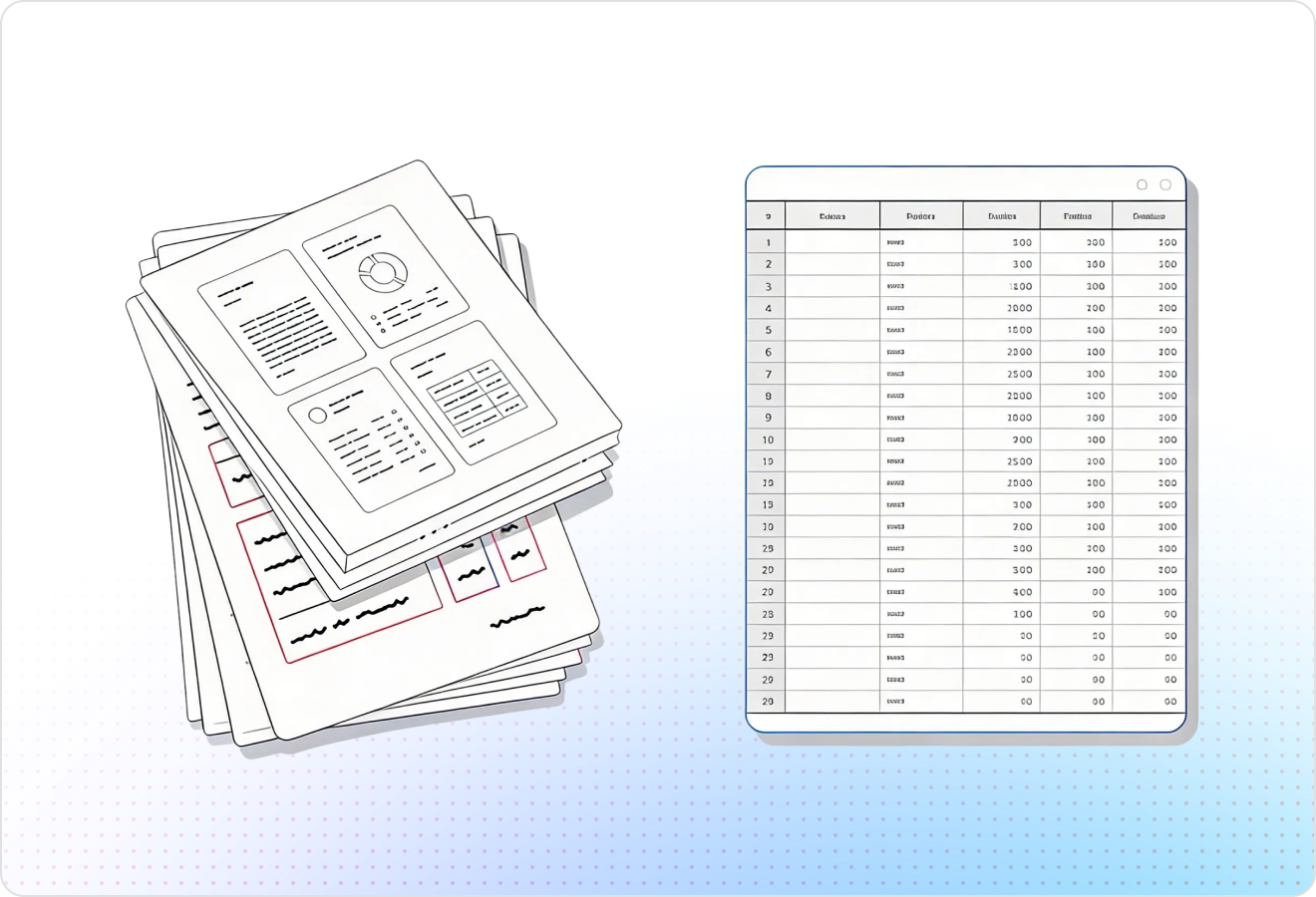
LlamaParse accurately pulls complex tables and registers into clean Markdown or structured outputs, preserving row/column meaning and reading order. This is critical for ISO workflows where surveillance schedules, nonconformity logs, and corrective action tables need to be searchable and comparable across audits.
03
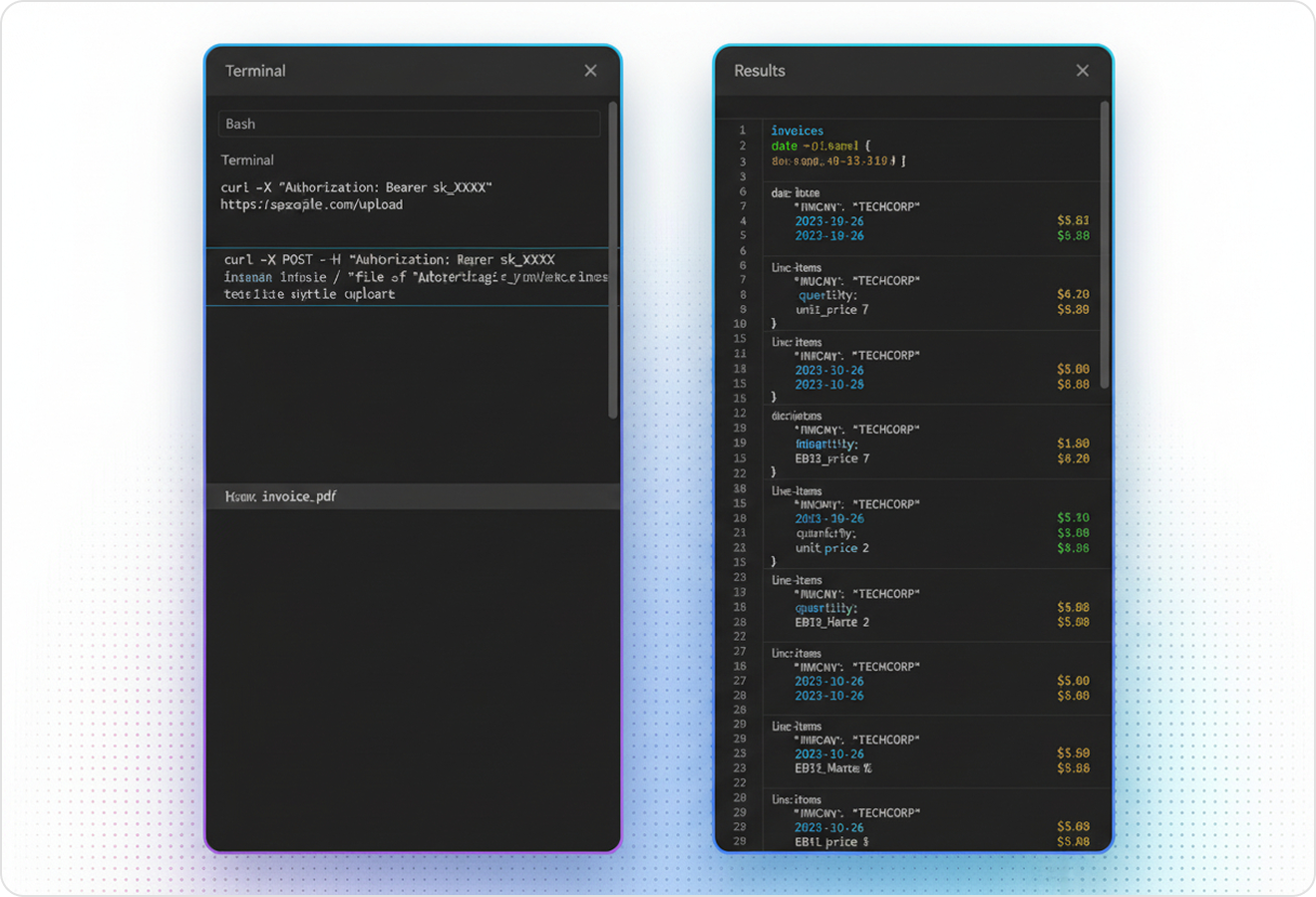
JSON mode returns structured fields along with granular metadata like page number and coordinates, so every extracted ISO claim can be traced back to its exact source location. That traceability supports reviewer sign-off and reduces risk when you’re proving certification status or compliance evidence to customers and auditors.
04
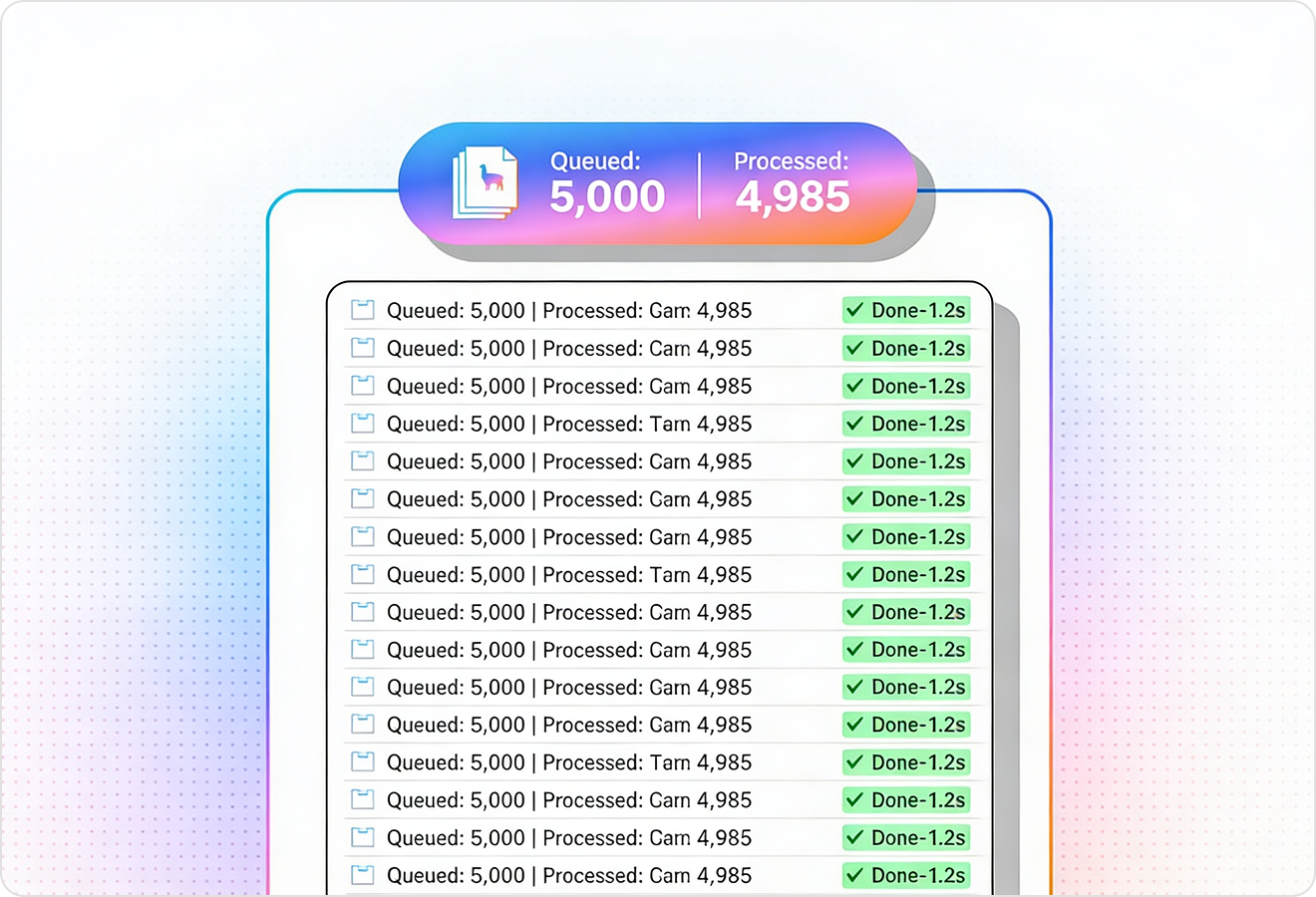
LlamaParse uses self-correction and validation steps during parsing to catch common extraction failures like swapped digits, missing table cells, or inconsistent dates. For ISO certification documents, this improves straight-through processing and helps ensure key identifiers (e.g., certificate ID, standards list, validity period) are consistent before they hit downstream systems.
Technical OCR documentation
Explore our developer guides to easily connect your document pipelines to LlamaParse.
Explore the documentation
Our AI catches the typos that tired eyes miss.

Export to Excel, JSON, XML, or directly via API.

SOC2 Type II compliant with end-to-end encryption.

Train the tool on your specific forms in minutes, not days.

Average processing time of <3 seconds per page.
LlamaParse’s support of a wide variety of filetypes and its accuracy of parsing made it the best tool we tested in our evaluations. The LlamaIndex team was very responsive and we were off to the races within a day.
Common FAQs
01
Yes. It’s layout-aware, so it follows the real structure of the page instead of flattening everything into a scrambled text stream. That means you can reliably capture scope statements, site addresses, certificate numbers, and dates without custom, template-by-template rules.
02
Yes—tables and registers are extracted with row/column meaning preserved, so the data stays searchable and comparable across audits. You can output clean Markdown or structured formats for easy review, filtering, and import into your systems.
03
JSON output can include citations with page numbers and coordinates, so every claim is traceable to its exact source location in the document. This makes reviewer sign-off faster and reduces risk when you’re validating certification status or compliance evidence.
04
How do you prevent common OCR extraction errors like swapped digits, missing cells, or inconsistent dates?
Auto validation loops add self-checking steps during parsing to catch and correct common failures before data leaves the pipeline. This improves straight-through processing and helps keep key identifiers—like certificate IDs, standards lists, and validity periods—consistent for downstream workflows.
05
Do we need to build and maintain different templates for each certification body’s certificate format?
Typically no. Because it understands layout and document structure, it generalizes well across varying certificate designs and audit report formats. That saves engineering time and avoids brittle post-processing that breaks when a logo, footer, or table layout changes.
06
What structured fields can we reliably extract from ISO certification documents?
You can extract core fields like certificate number/ID, organization name, site addresses, scope, standard(s) (e.g., ISO 9001/14001/27001), and issue/expiry dates. With structured JSON and citations, the output is ready for compliance dashboards, CRM updates, vendor risk reviews, and audit evidence packs.