Nov 14, 2025
Document AI: The Next Evolution of Intelligent Document ProcessingPersona
Industry
Use cases
Interrogatories OCR
[ Interrogatories OCR ]

Use LlamaParse to preserve layout, capture tables, and find every answer fast with confidence.
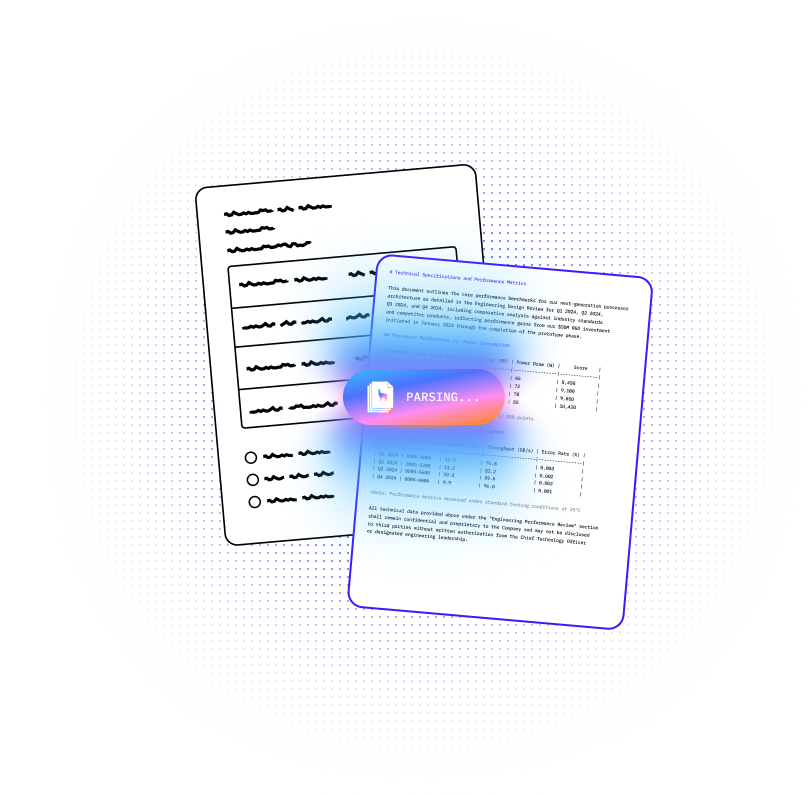
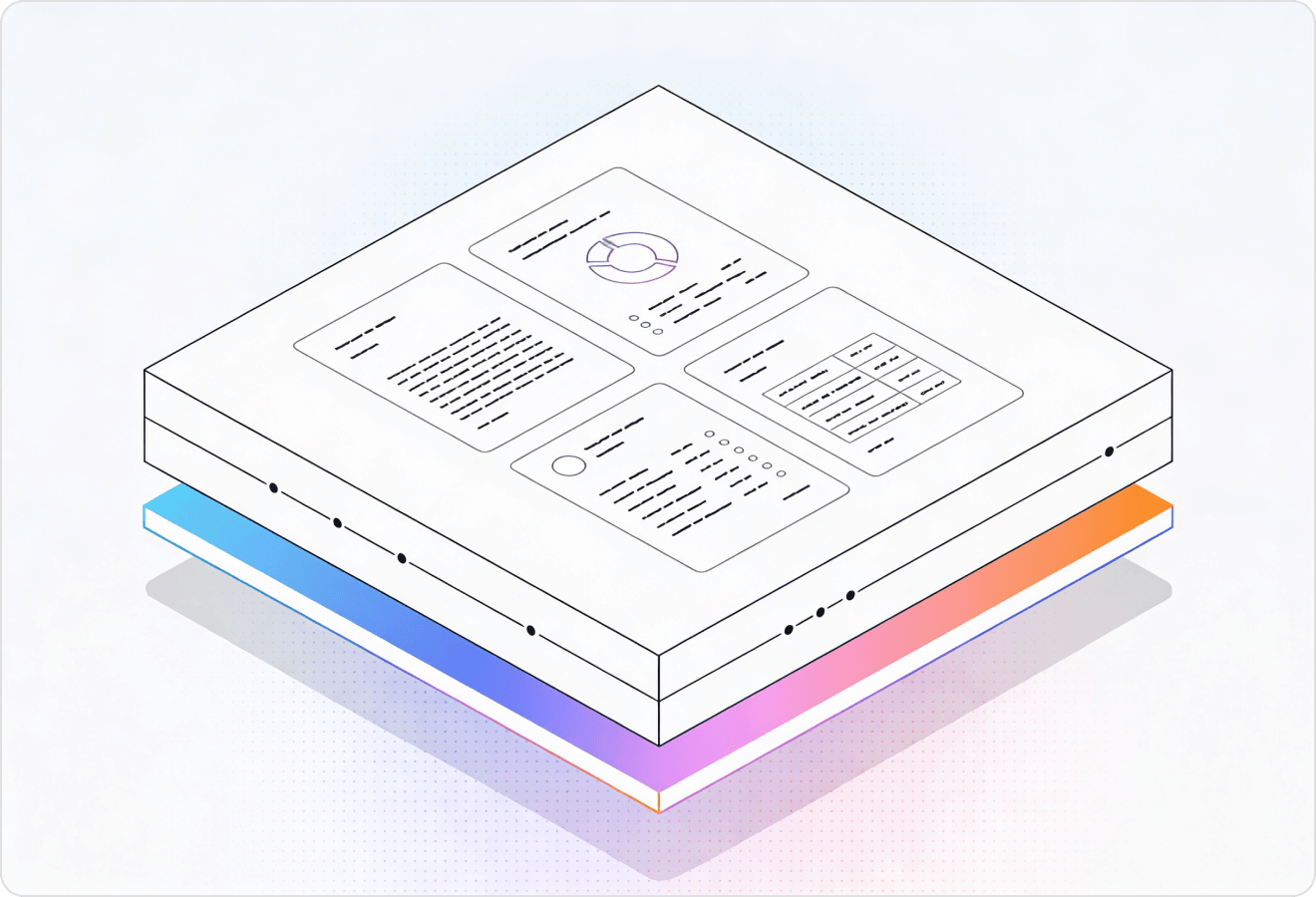

LlamaParse turns messy interrogatory PDFs and scans into clean, structured outputs like JSON or Markdown, ready for downstream automation and review. Its agentic document parsing understands layout, tables, and checkboxes, then validates results with citations and confidence for faster, safer workflows.
Best-in-Class Accuracy

Parse scanned interrogatories, objections, and verifications into clean Markdown or JSON while preserving numbered questions, subparts, and tables so nothing gets mis-ordered. Use natural-language parsing instructions to extract only what matters (deadlines, disputed requests, parties, definitions) and attach citations for fast QC before filing or production.

Convert interrogatories and related discovery packets into structured fields (entities, dates, incident facts, medical providers, employment history) to speed coverage decisions and fraud triage. Layout-aware parsing and auto-correction loops reduce manual rekeying from messy scans, lowering cycle time without adding headcount.

Ingest high-volume interrogatories and case documents across inconsistent templates, then output standardized JSON with page-level metadata for reliable case indexing and search. Multimodal parsing captures stamps, exhibits, and embedded images so clerks and legal teams can route, redact, and respond with fewer exceptions.

Ship a discovery ingestion pipeline in days by using LlamaParse as the agentic document parsing layer that turns user-uploaded interrogatories into application-ready JSON schemas. Tier-based processing and cost optimizer modes keep unit economics predictable while you scale from prototype to production workloads.
The Solution
01
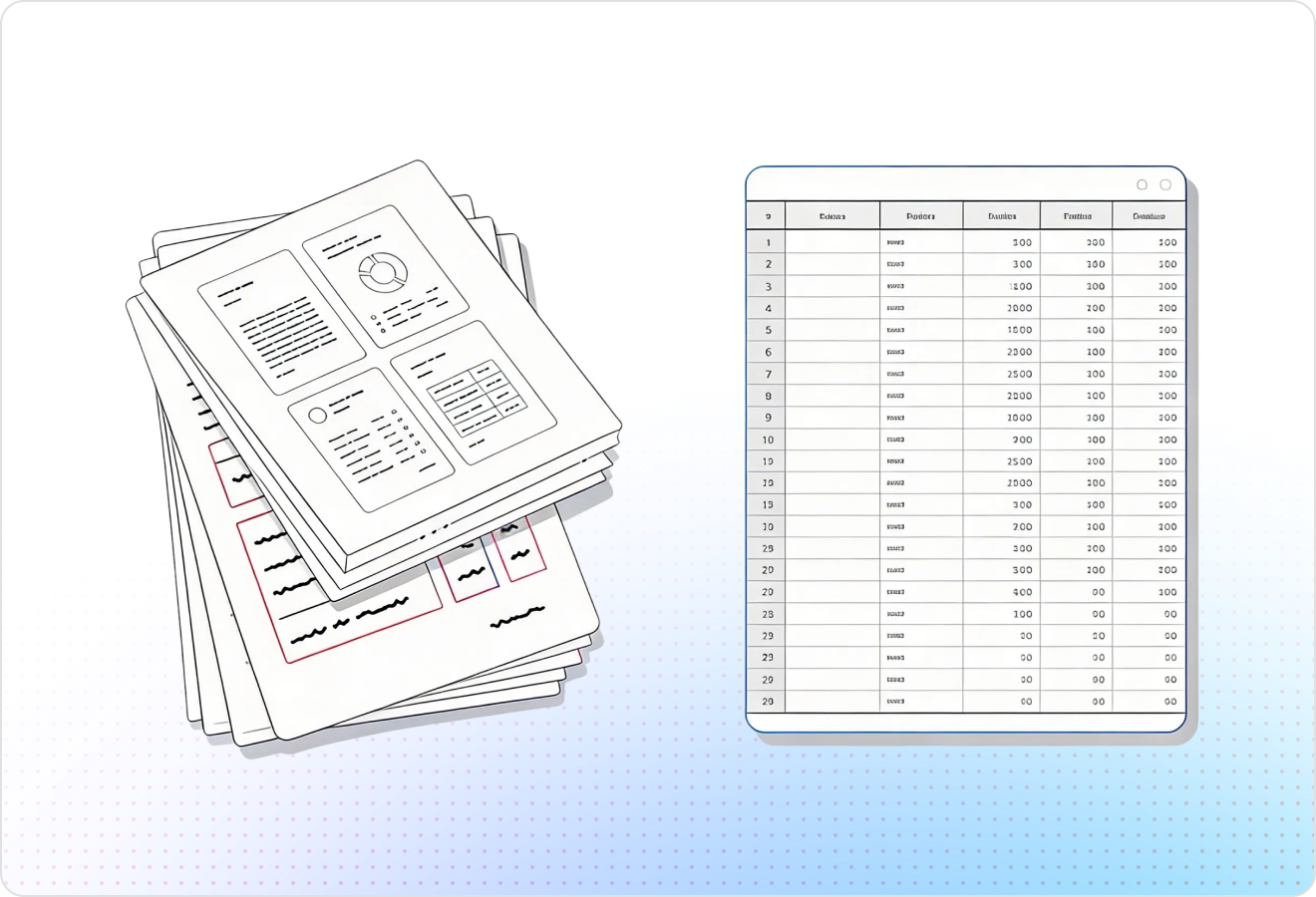
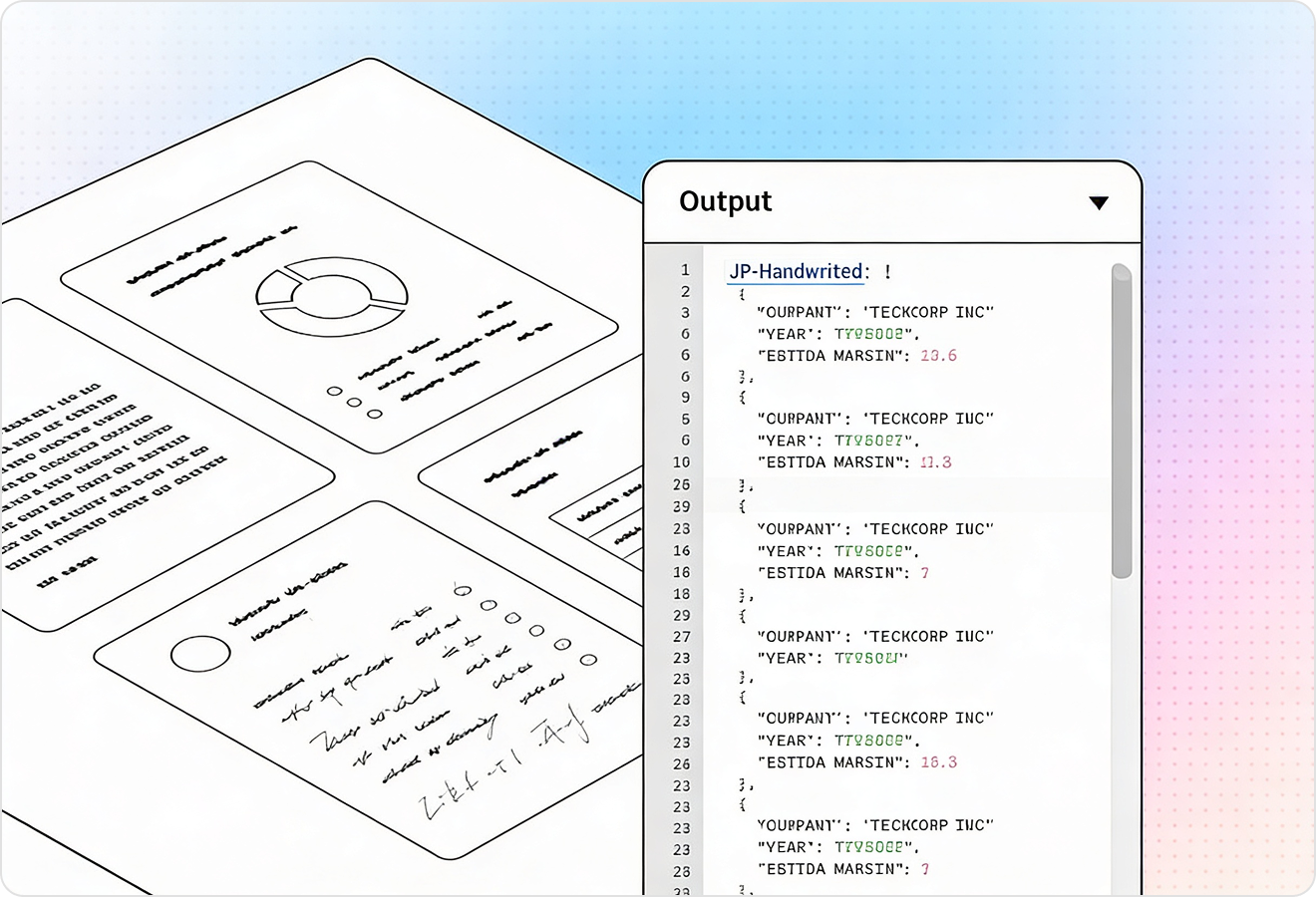
LlamaParse reads interrogatories the way a human would, preserving numbering, subparts, and multi-column layouts instead of scrambling text blocks. That makes it reliable to identify each question, its sub-questions, and any embedded instructions during downstream review or automation.
02
Many interrogatory packets include caption blocks, service lists, and response grids that break traditional extraction when they appear as tables or form-like structures. LlamaParse captures these tables cleanly so you can map parties, dates, definitions, and response fields into usable structured data.
03
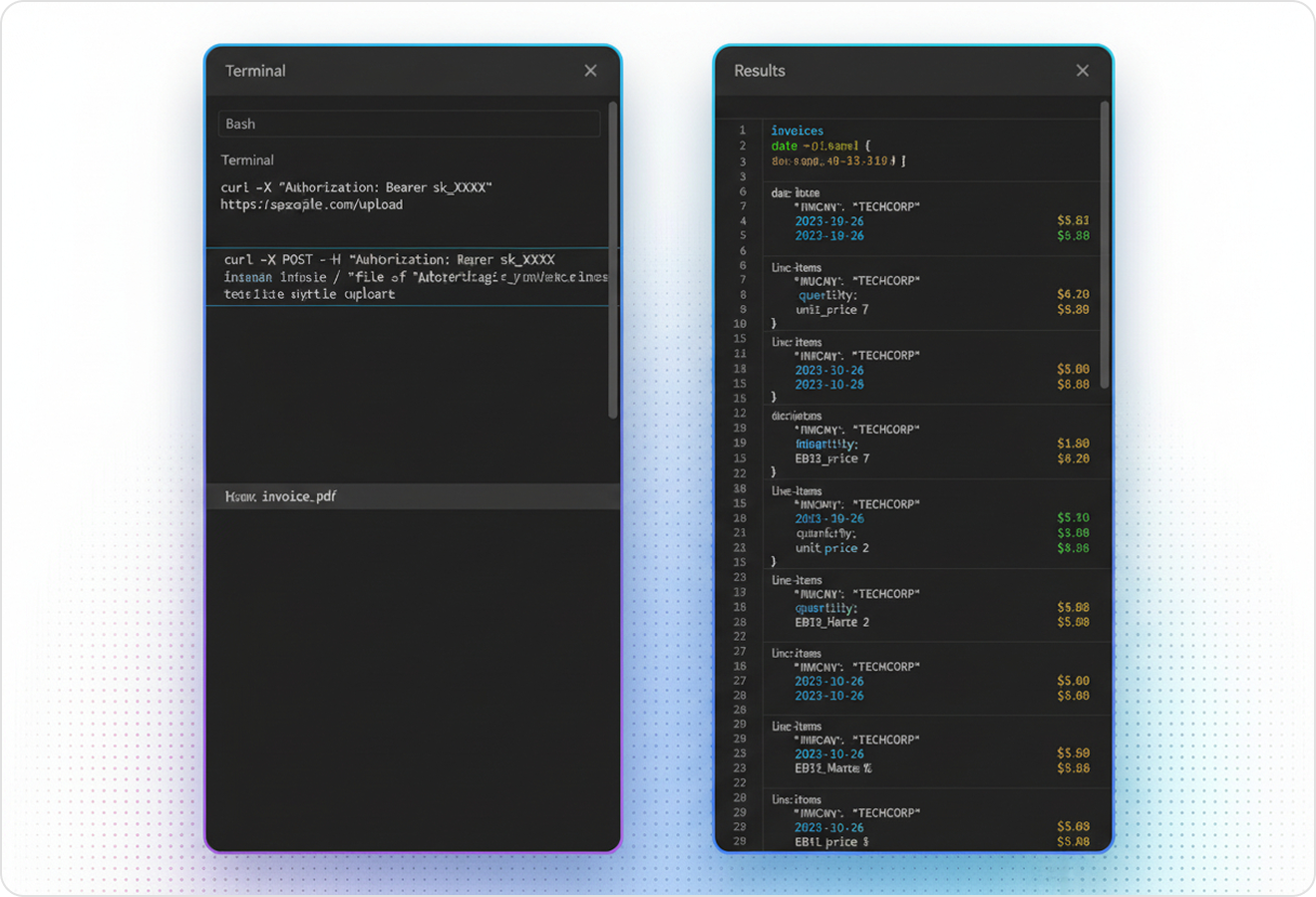
LlamaParse can output interrogatories as structured JSON, so each question/answer segment can become a discrete record with consistent keys. This makes it straightforward to populate case systems, run analytics (e.g., missing responses), or feed an agent workflow without brittle post-processing.
04
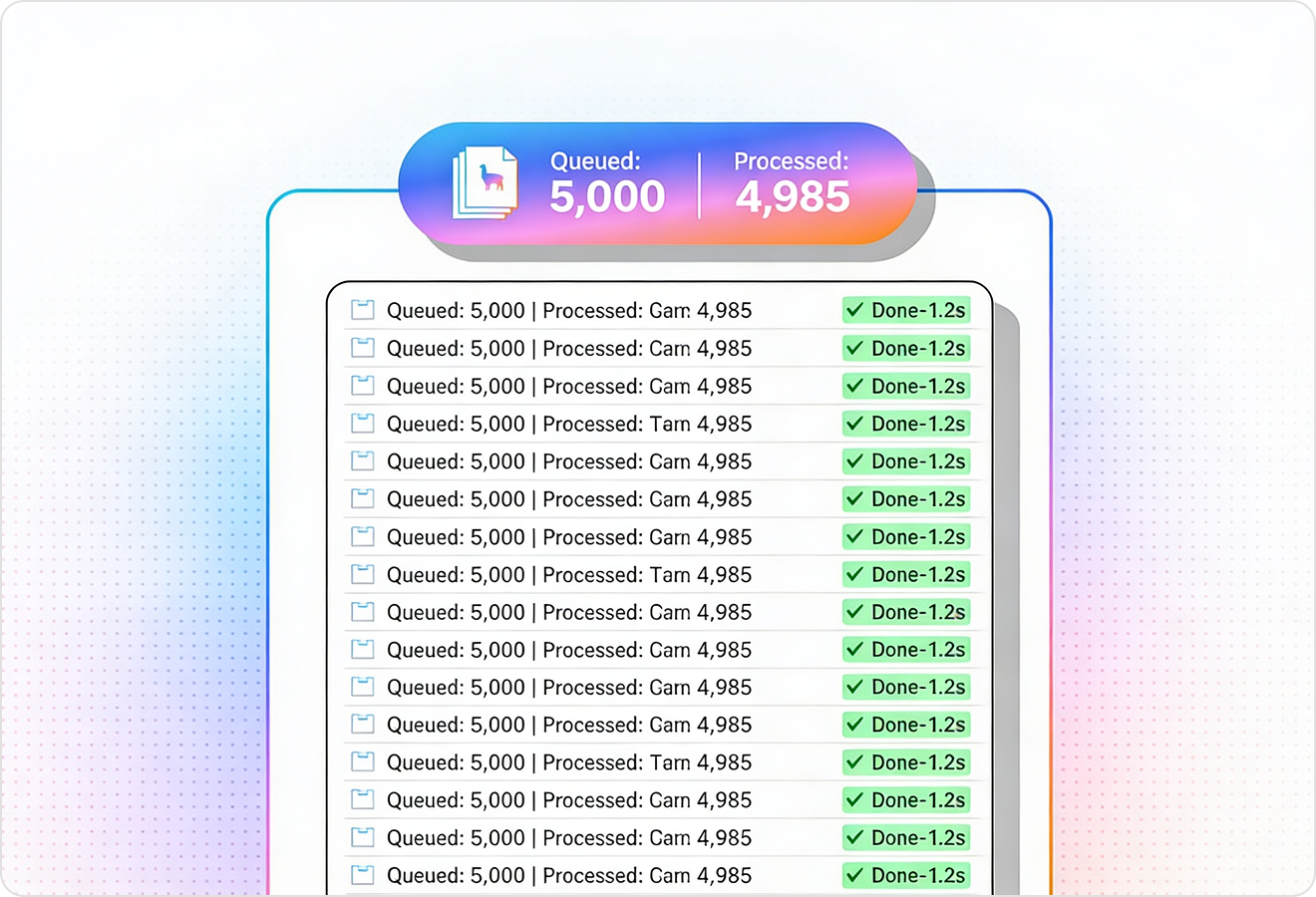
Every extracted element can include page-level traceability and confidence signals, giving you verifiable outputs for legal review. For interrogatories, that means reviewers can jump directly to the exact page/region for a disputed question or response and quickly validate correctness.
Technical OCR documentation
Explore our developer guides to easily connect your document pipelines to LlamaParse.
Explore the documentation
Our AI catches the typos that tired eyes miss.

Export to Excel, JSON, XML, or directly via API.

SOC2 Type II compliant with end-to-end encryption.

Train the tool on your specific forms in minutes, not days.

Average processing time of <3 seconds per page.
LlamaParse’s support of a wide variety of filetypes and its accuracy of parsing made it the best tool we tested in our evaluations. The LlamaIndex team was very responsive and we were off to the races within a day.
Common FAQs
01
Yes. Layout-aware reconstruction keeps question numbers, subparts (e.g., 3(a)–(d)), and multi-column pages in the correct reading order so nothing gets merged or scrambled. That makes it much easier to review, search, and automate downstream without manual cleanup.
02
LlamaParse extracts tables and form-like sections cleanly, so captions, party/service lists, definitions, and response grids remain structured instead of turning into jumbled text. You can reliably map names, dates, and fields into your case system or spreadsheet without rekeying.
03
Yes—Structured JSON Output Mode can produce consistent records per question/answer segment with predictable keys. This makes it straightforward to flag missing responses, run analytics, or trigger workflows without brittle post-processing.
04
How do I verify the extracted text is accurate enough for legal review?
Each extracted element can include citations and confidence metadata, so reviewers can trace a field back to the exact page and location it came from. If anything is disputed, your team can jump directly to the source and confirm it quickly.
05
What if an interrogatory includes embedded instructions, definitions, or references to exhibits?
Layout-aware parsing helps keep embedded instructions and referenced sections attached to the right interrogatory instead of floating elsewhere in the output. That reduces the risk of missed obligations and helps reviewers understand context without hunting through the document.
06
Will this reduce the time my team spends cleaning up OCR output before importing into our tools?
In most workflows, yes—because the output preserves structure (numbering, tables, and fields) and can be delivered as JSON ready for import. That means fewer manual corrections, faster QA, and quicker turnaround from PDF to usable data.