Nov 14, 2025
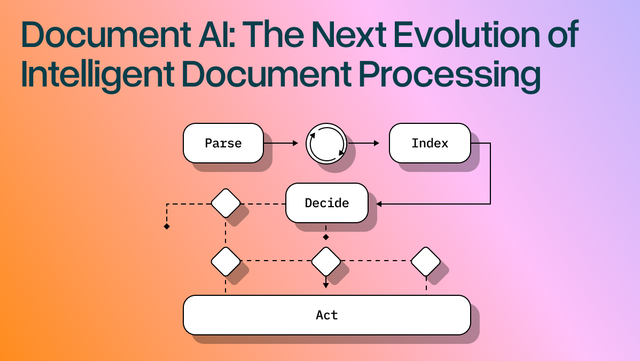
Document AI: The Next Evolution of Intelligent Document ProcessingPersona
Industry
Use cases
Explanation Of Benefits OCR
[ Explanation Of Benefits OCR ]

Use LlamaParse to turn messy EOB PDFs into verified, structured fields you can trust.
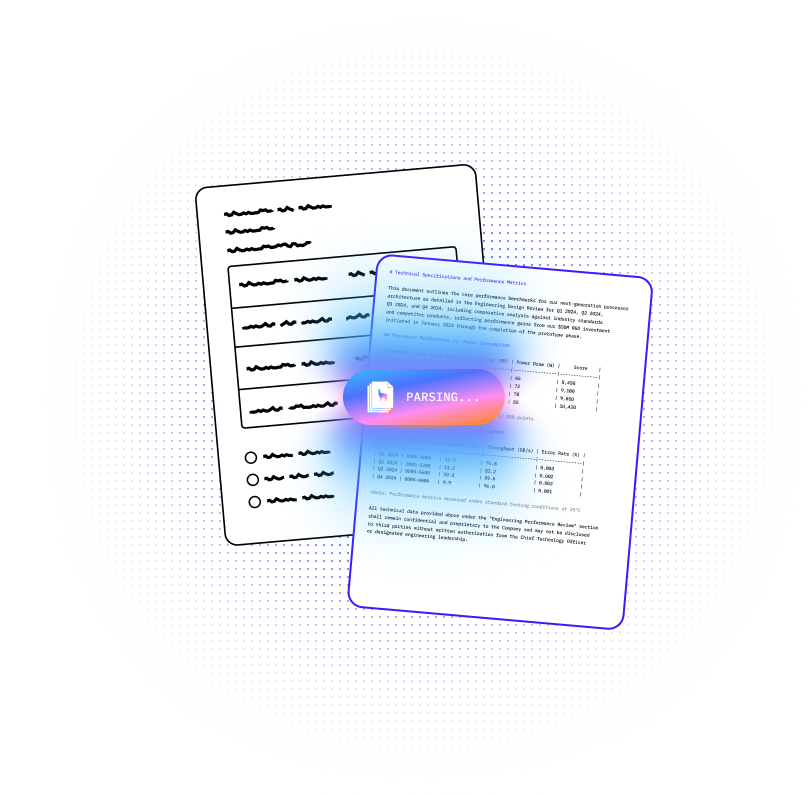
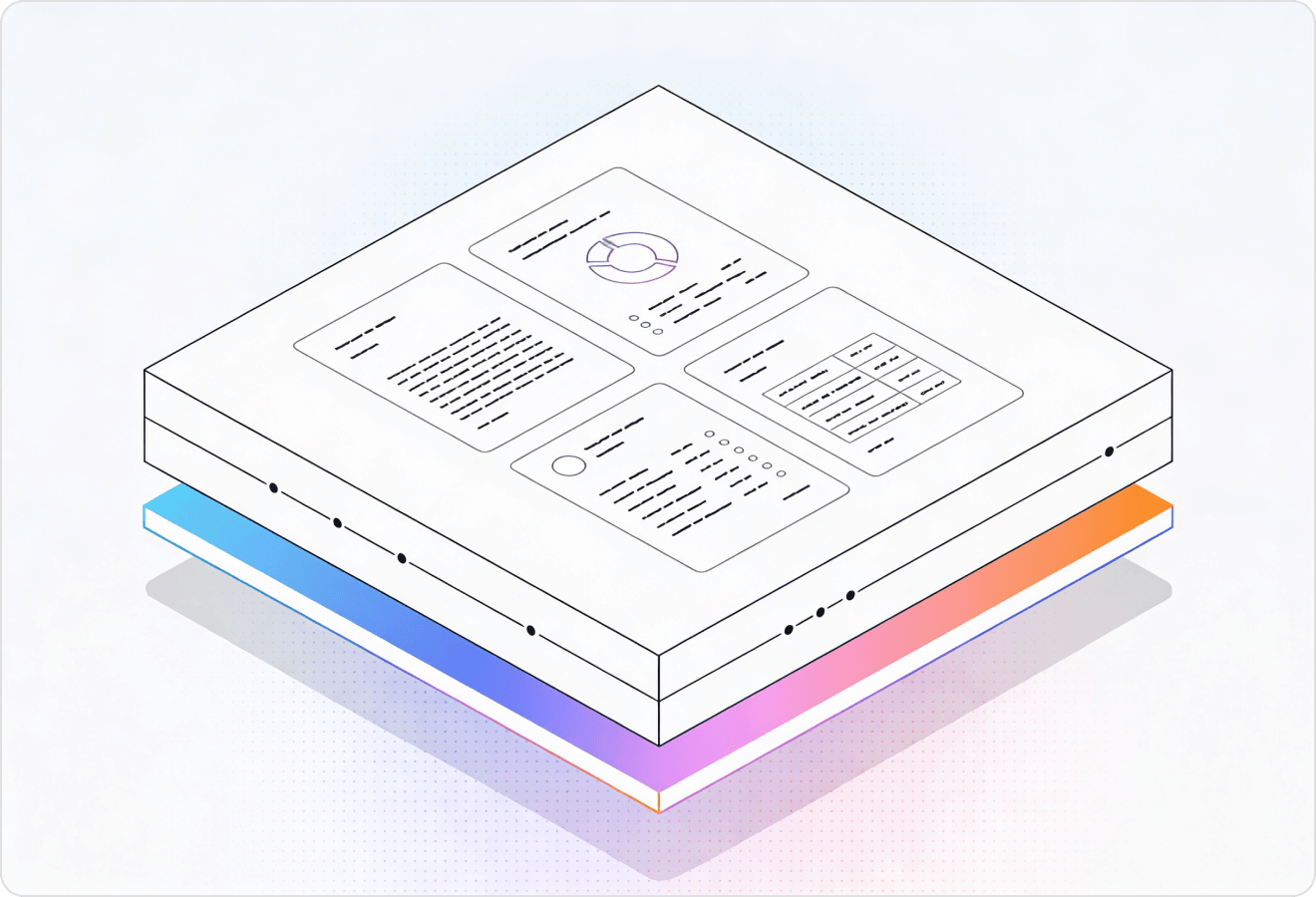

LlamaParse converts PDFs, scans, and complex forms into clean, structured outputs your models can actually use, without brittle templates. It reads layout, tables, and embedded visuals with agentic validation loops, so you ship reliable JSON or Markdown with fewer manual fixes.
Best-in-Class Accuracy

Turn messy customer PDFs and scans (contracts, onboarding forms, invoices) into clean JSON or Markdown with LlamaParse, so you can ship automations without writing brittle post-processing code. Use natural-language parsing instructions and tier-based processing to keep accuracy high on edge cases while staying inside a startup budget.

Extract structured data from referrals, lab reports, and intake packets—including multi-column layouts and dense tables—without losing reading order or critical fields. Granular metadata with page-level traceability supports faster review workflows and reduces rework caused by missing or misfiled information.

Parse loan files, pay stubs, W-2s, and bank statements into consistent structured outputs even when layouts vary between institutions and document versions. Auto-correction loops and layout-aware table extraction cut exception handling in underwriting and enable straight-through processing for routine applications.

Convert purchase orders, packing slips, certificates of analysis, and spec sheets into system-ready records by reliably extracting line-item tables and key fields from inconsistent vendor formats. Multimodal parsing turns embedded charts and technical notation into usable text, improving QA checks and reducing supplier disputes.
The Solution
01
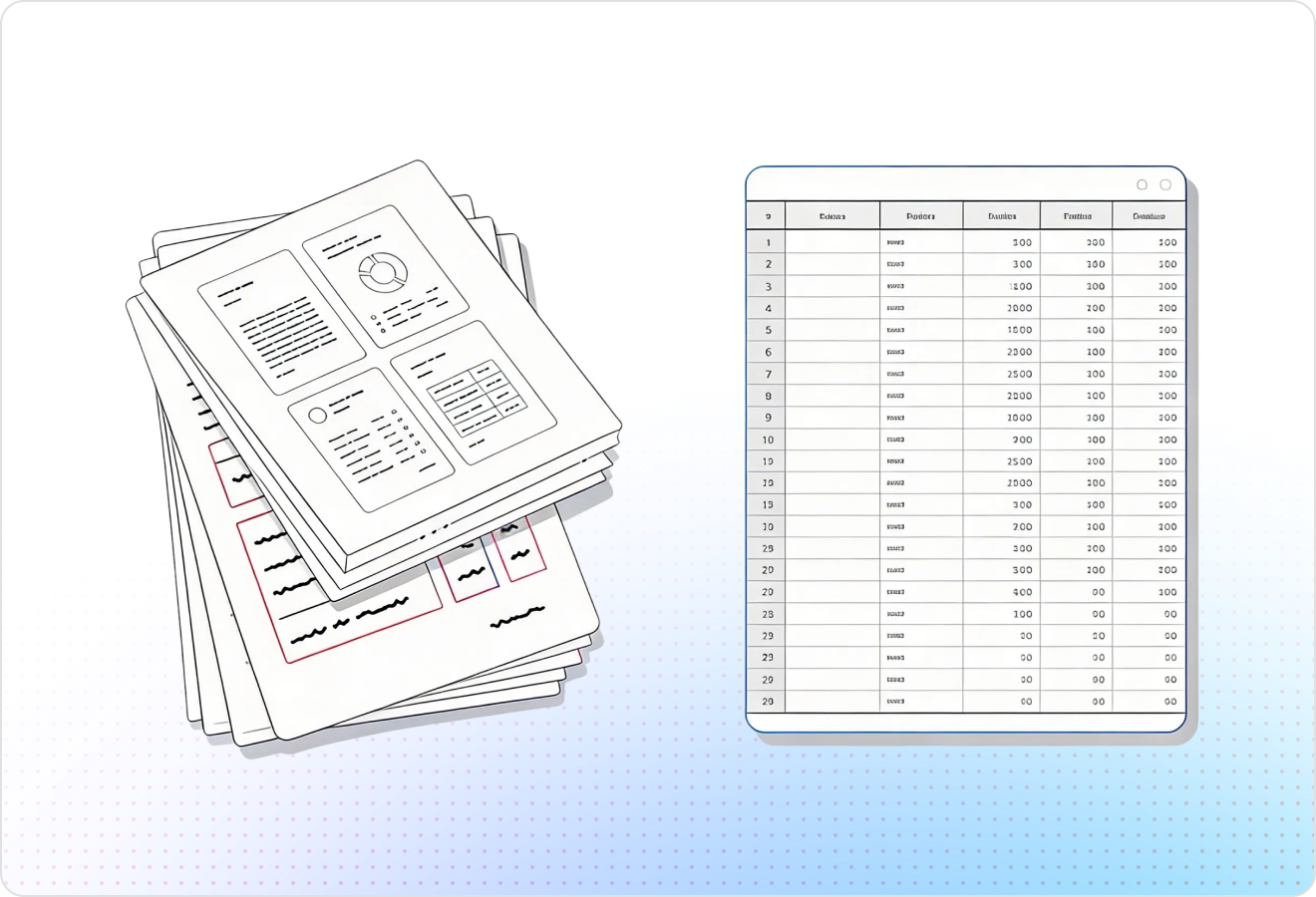
LlamaParse uses layout-aware vision to preserve reading order across multi-column pages, headers/footers, and dense forms. That means the “benefit” of OCR isn’t just getting text—it’s getting coherent, structured content you can reliably search, summarize, or feed into downstream workflows.
02
LlamaParse accurately reconstructs complex tables and nested cells instead of flattening them into scrambled lines. This turns OCR from a brittle step into a dependable source of numbers and relationships, which is what teams actually need for invoices, statements, and reports.
03
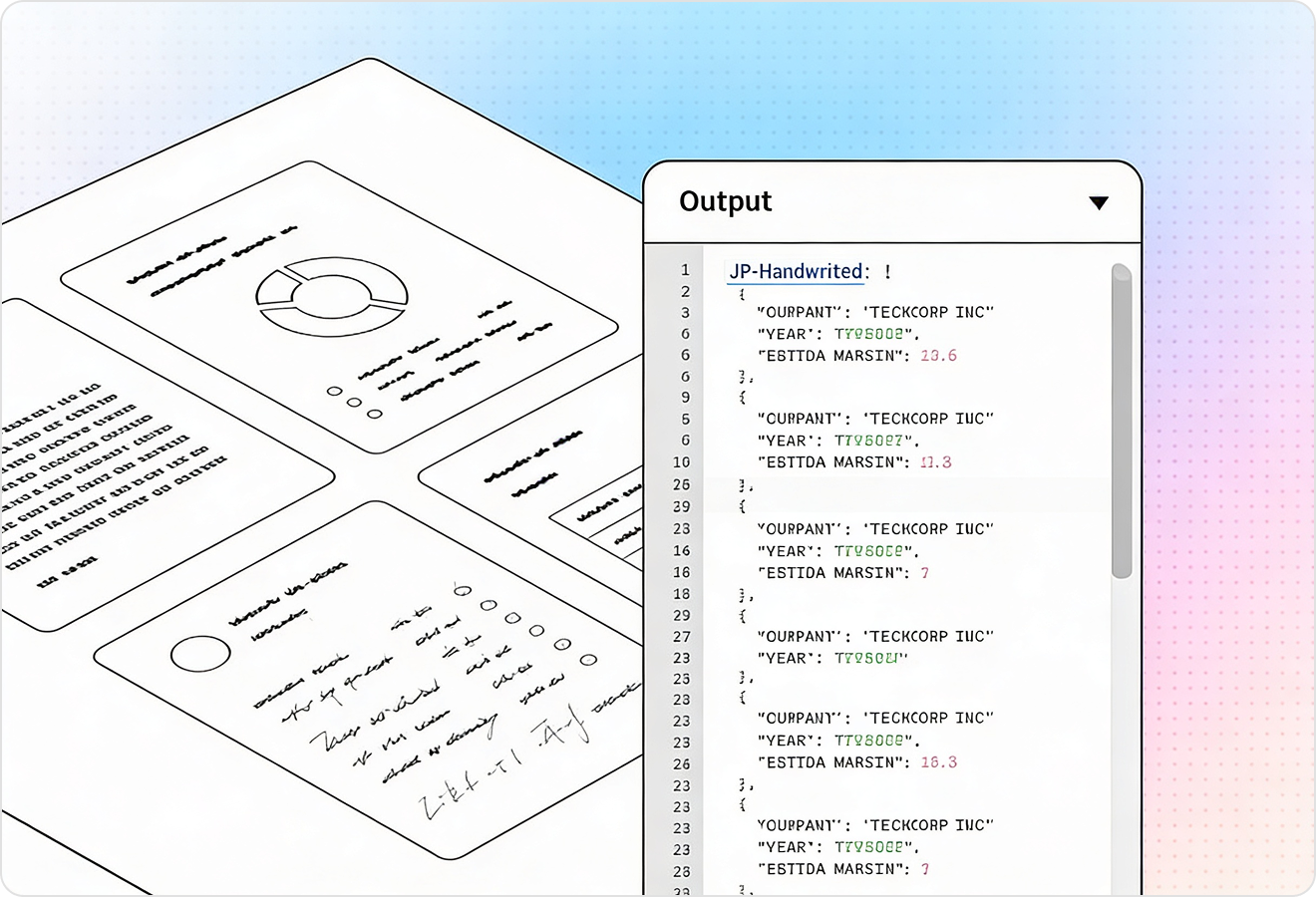
LlamaParse can interpret charts, embedded images, and math content and convert them into AI-ready representations like Markdown tables or LaTeX. This expands the practical benefits beyond text extraction by capturing the meaning in visual artifacts that traditional OCR typically ignores.
04
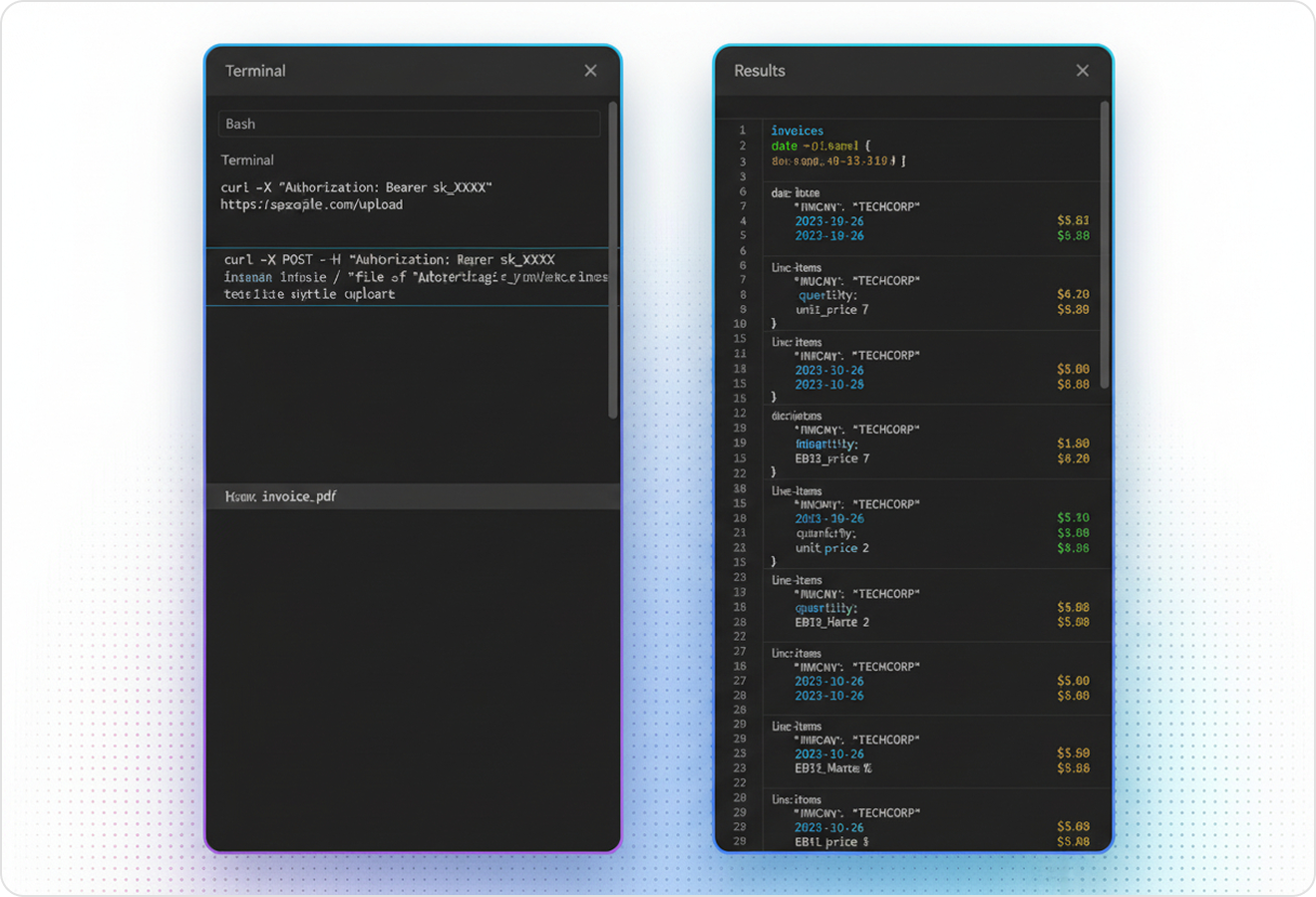
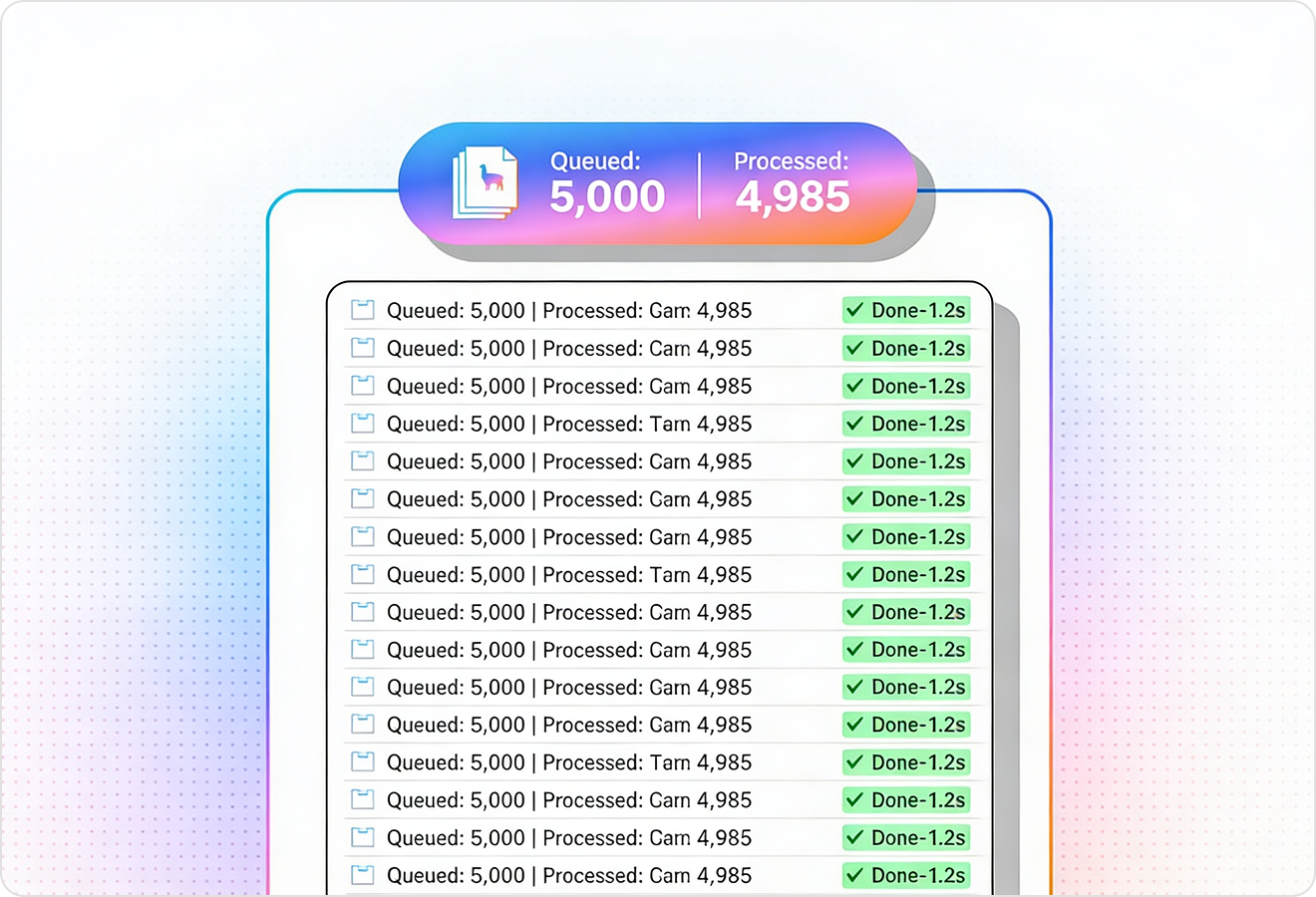
LlamaParse runs self-checks and correction loops to catch common extraction errors, inconsistencies, and model mistakes before returning output. The result is higher straight-through processing and less manual QA, which is the real productivity win people expect when they talk about OCR benefits.
Technical OCR documentation
Explore our developer guides to easily connect your document pipelines to LlamaParse.
Explore the documentation
Our AI catches the typos that tired eyes miss.

Export to Excel, JSON, XML, or directly via API.

SOC2 Type II compliant with end-to-end encryption.

Train the tool on your specific forms in minutes, not days.

Average processing time of <3 seconds per page.
LlamaParse’s support of a wide variety of filetypes and its accuracy of parsing made it the best tool we tested in our evaluations. The LlamaIndex team was very responsive and we were off to the races within a day.
Common FAQs
01
The biggest benefit is getting usable, structured content—not a messy block of characters. With layout-aware extraction, you preserve reading order and document structure so you can reliably search, summarize, and automate workflows from the output.
02
Traditional OCR often mixes columns, headers, and footers, which breaks meaning and downstream automation. Layout-aware vision keeps content in the right order, making the results dependable for reviews, compliance checks, and AI summaries.
03
It reconstructs complex tables and nested cells so values stay aligned with the right rows and columns. That means you can trust totals, line items, and field relationships—critical for invoices, statements, and operational reports.
04
Can it handle charts, embedded images, and math content—or only plain text?
It can interpret visual elements and convert them into AI-ready formats like Markdown tables or LaTeX, so you don’t lose meaning hidden in charts or equations. This turns “OCR benefits” into full document understanding, not just transcription.
05
How quickly can we see ROI from this compared to our current OCR tool?
Teams typically see ROI when they stop fixing broken reading order, reformatting tables, and double-checking outputs by hand. More accurate, structured extraction means faster automation, fewer downstream failures, and less rework across the entire pipeline.
06
How does pricing stay predictable when upload quality varies so much?
Because we only escalate difficult images, most high-quality vaccine cards process quickly and cost-effectively. This approach keeps spend aligned to actual complexity while maintaining dependable accuracy for edge cases that would otherwise require manual review.