Nov 14, 2025
Document AI: The Next Evolution of Intelligent Document ProcessingPersona
Industry
Use cases
Sharepoint Document Extraction
[ Sharepoint Document Extraction ]

Use LlamaParse to turn SharePoint files into structured JSON with citations and confidence scores.
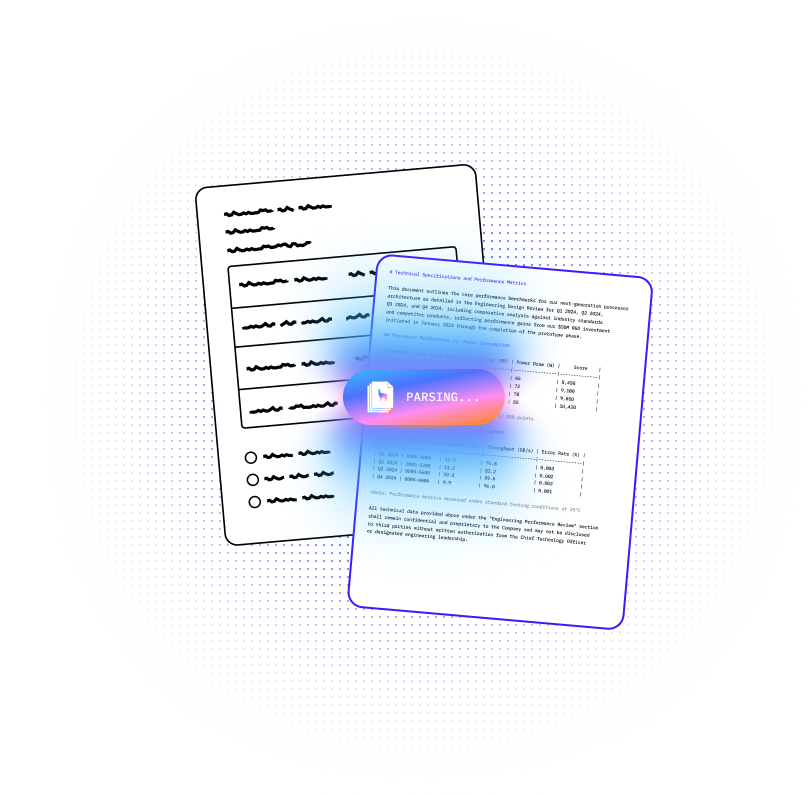
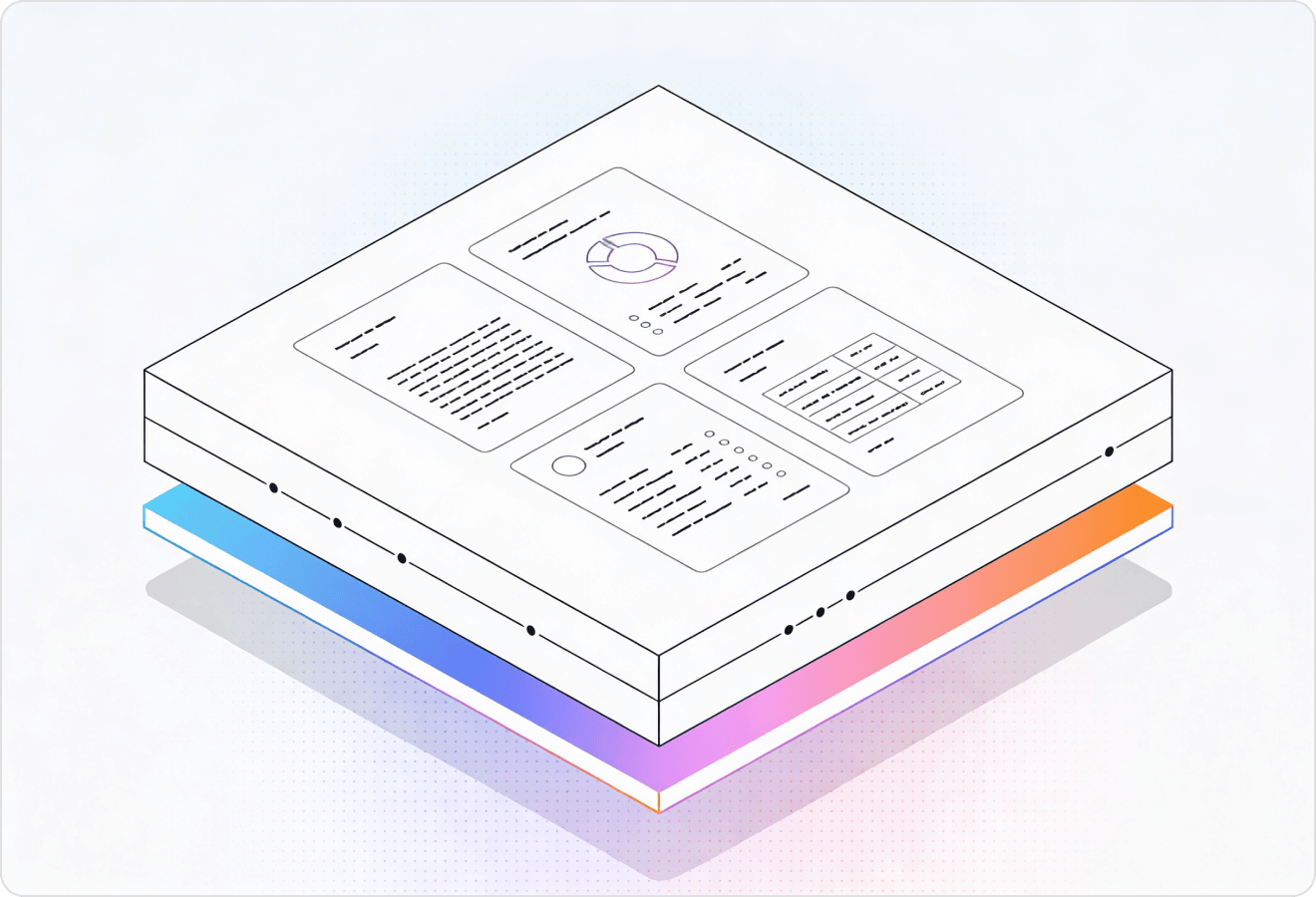

LlamaParse pulls SharePoint PDFs, scans, and Office files into clean, structured outputs so your downstream AI can reliably read them. It understands layouts, tables, and embedded visuals, then adds confidence signals and citations so teams can validate extractions and automate workflows.
Best-in-Class Accuracy

Turn SharePoint decks, specs, and customer PDFs into clean Markdown/JSON so your product can ship reliable search, copilots, and onboarding flows without weeks of brittle parsing code. LlamaParse preserves reading order and tables from messy templates, so your team stops hand-fixing scrambled outputs every time a doc format changes.

Extract fields from SharePoint-hosted statements, policy docs, and underwriting packages with layout-aware table capture so premiums, limits, and schedules don’t get lost in multi-column scans. JSON mode plus granular metadata gives auditors traceability back to page and region, reducing rework in compliance reviews and claims investigations.

Parse SharePoint repositories of purchase orders, packing lists, and supplier certificates into structured outputs that feed ERP and quality systems without manual keying. Multimodal parsing converts charts, spec tables, and scanned annotations into machine-readable data, preventing costly mistakes from misread tolerances or missing lot details.

Convert SharePoint contract libraries, DPAs, and regulatory filings into consistent schemas using natural-language parsing instructions, so clause extraction and obligation tracking stays uniform across firms and templates. Auto-correction loops and verifiable metadata cut down on exception handling by surfacing high-confidence extractions with clear source citations for review.
The Solution
01
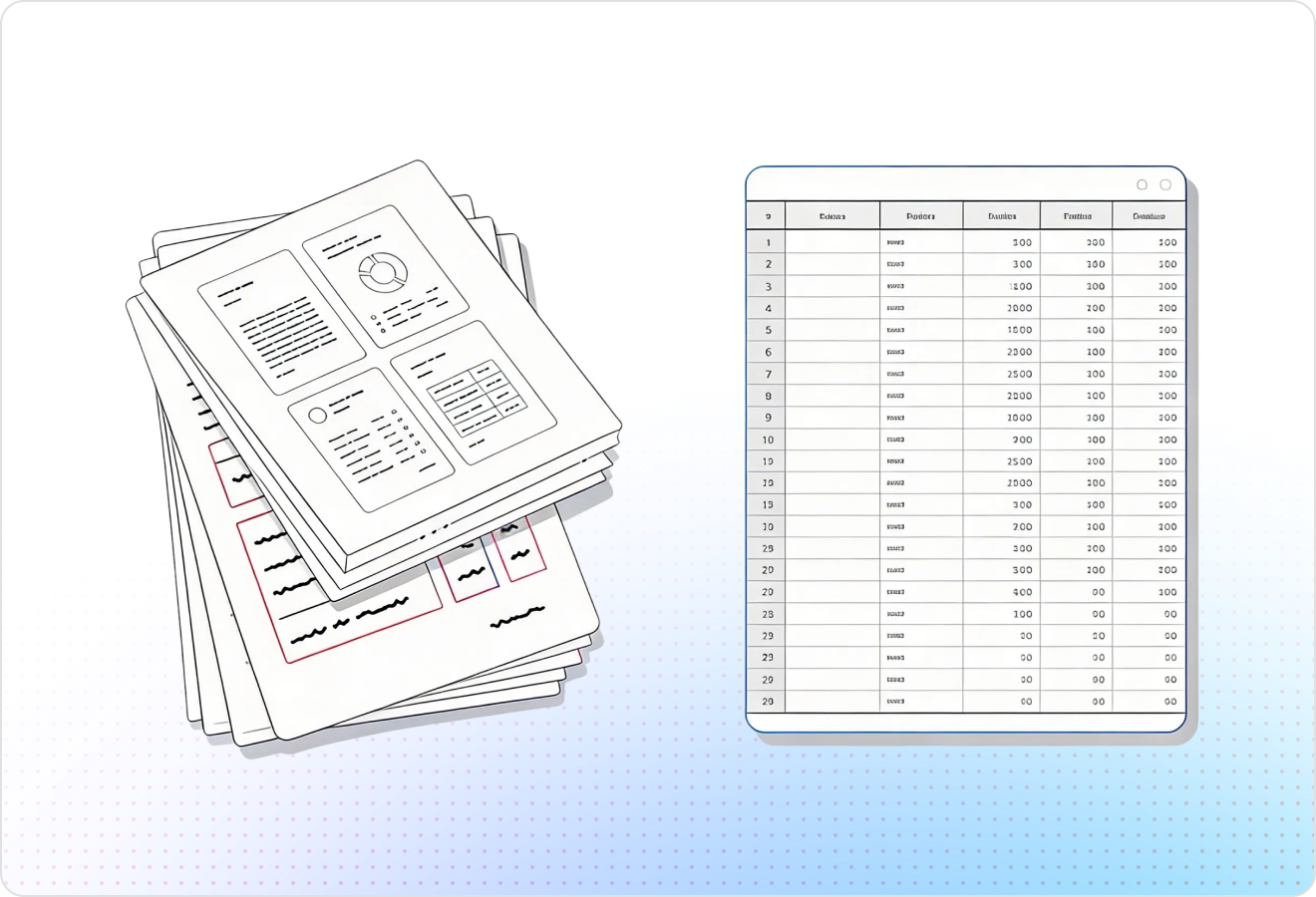
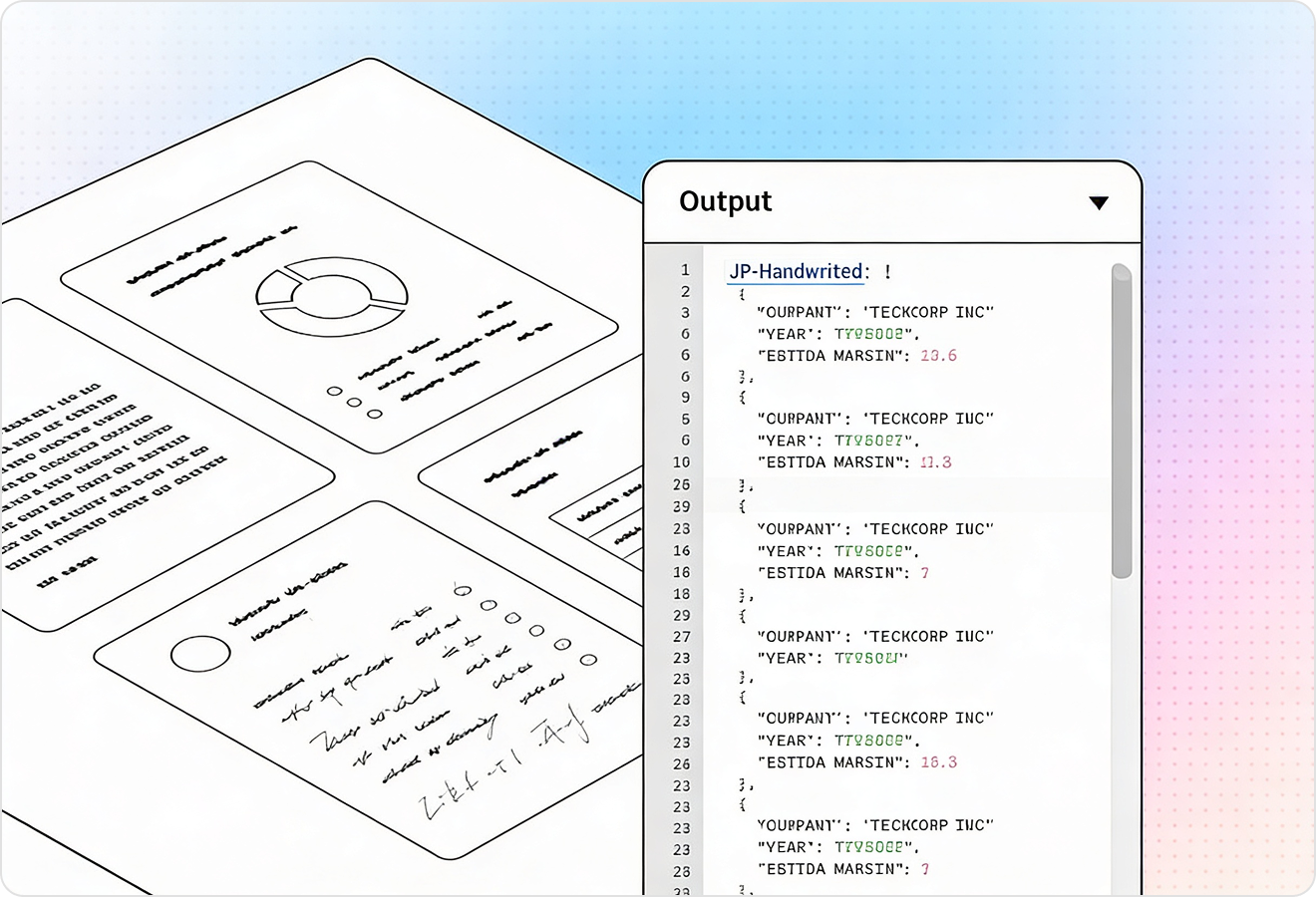
LlamaParse understands page structure so tables, multi-column text, headers, and footers come back in the right reading order instead of scrambled blocks. That’s critical for SharePoint libraries full of policies, SOPs, and reports where downstream search and extraction break if layout is lost.
02
LlamaParse handles the file variety you typically pull from SharePoint—PDFs, Word docs, PowerPoints, and spreadsheets—through one consistent parsing pipeline. You get normalized, AI-ready outputs without building separate extractors for every content type stored across sites and folde
03
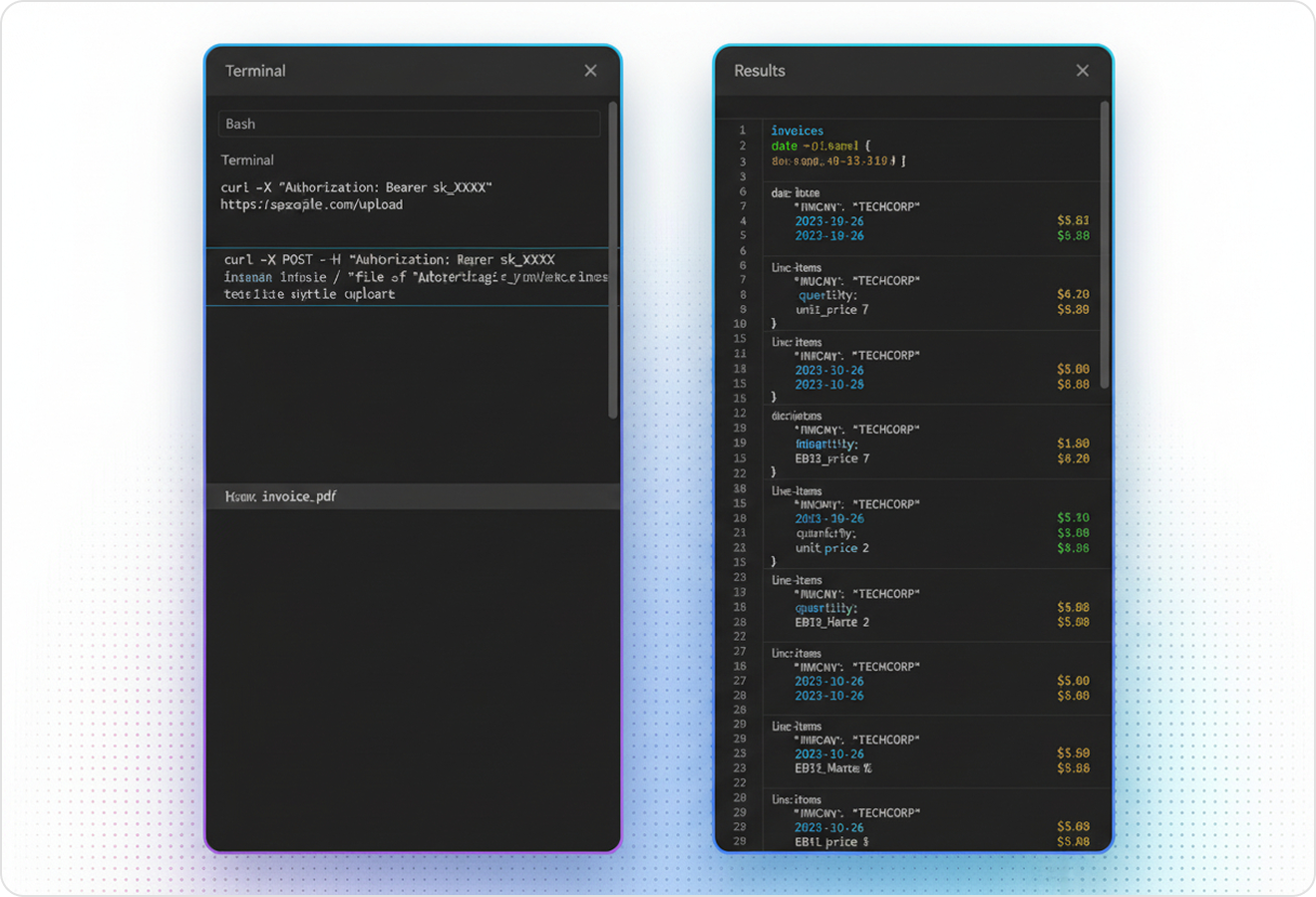
LlamaParse can emit clean JSON plus granular metadata like page numbers, element types, and spatial coordinates for each extracted chunk. When you extract from SharePoint, this makes results traceable back to the exact source location for audit, review, and precise downstream automation.
04
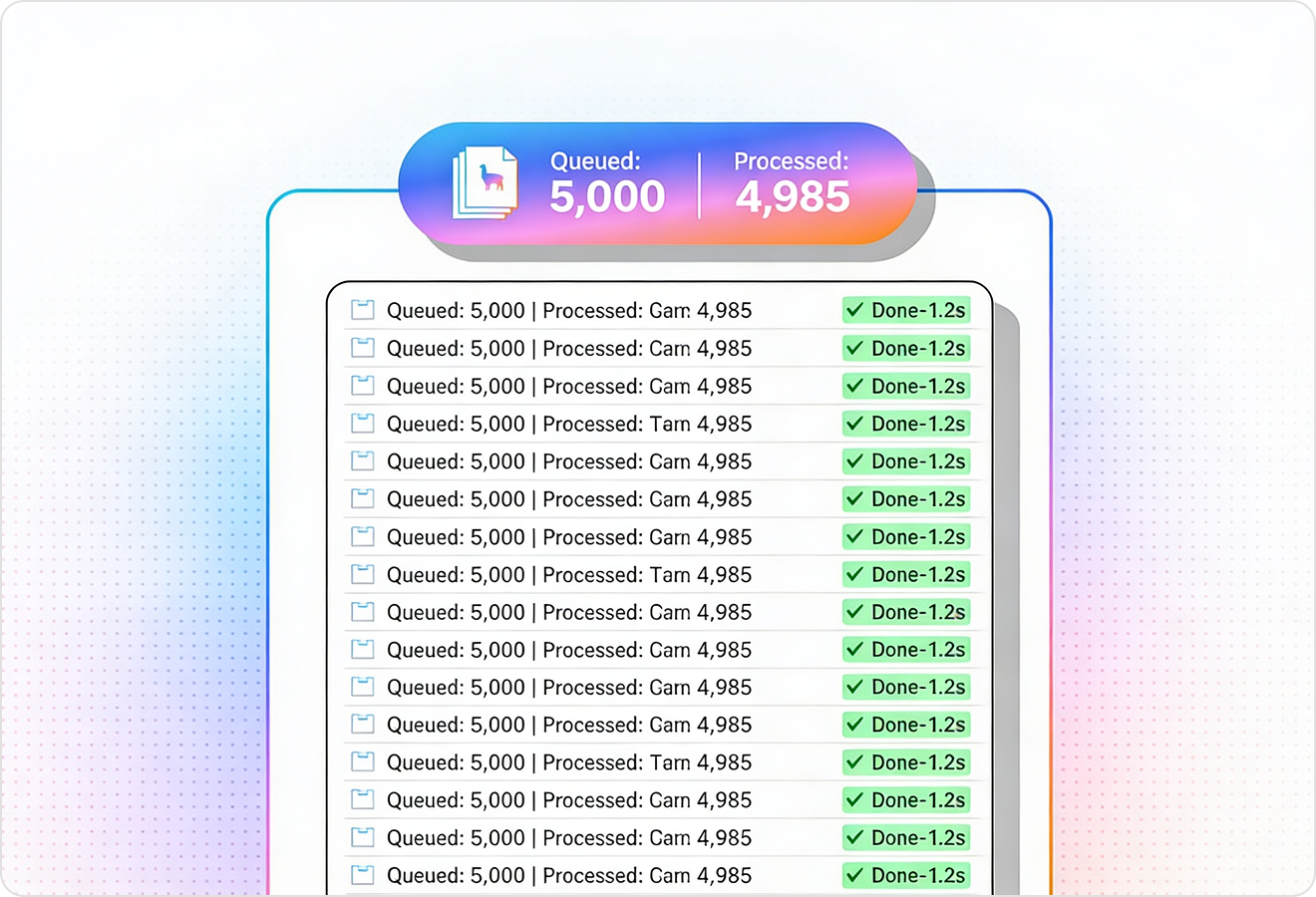
LlamaParse runs validation and self-correction steps to reduce common extraction failures on scanned PDFs, inconsistent templates, and messy exports. For SharePoint document extraction at scale, that means fewer manual fixes and higher straight-through processing across mixed-quality uploads.
Technical OCR documentation
Explore our developer guides to easily connect your document pipelines to LlamaParse.
Explore the documentation
Our AI catches the typos that tired eyes miss.

Export to Excel, JSON, XML, or directly via API.

SOC2 Type II compliant with end-to-end encryption.

Train the tool on your specific forms in minutes, not days.

Average processing time of <3 seconds per page.
LlamaParse’s support of a wide variety of filetypes and its accuracy of parsing made it the best tool we tested in our evaluations. The LlamaIndex team was very responsive and we were off to the races within a day.
Common FAQs
01
Yes—layout-aware extraction preserves structure like tables, columns, headers, and footers so content doesn’t come back as scrambled text blocks. This keeps downstream search, RAG, and data capture accurate, especially for SOPs, policies, and reports stored in SharePoint libraries.
02
You can run PDFs, DOCX, PPTX, and spreadsheets through one consistent parsing workflow. That means normalized, AI-ready output across sites and folders—without maintaining a different extractor for every format your teams upload.
03
Yes—results can be returned as clean JSON with metadata like page numbers, element types, and spatial coordinates per extracted chunk. This makes it easy to trace any extracted value back to the exact spot in the original SharePoint document for review and compliance.
04
How does it handle messy documents like scanned PDFs or inconsistent templates in SharePoint?
Agentic validation and auto-correction loops catch common extraction issues and retry intelligently when quality is uneven. You get higher straight-through processing and fewer manual fixes across real-world SharePoint uploads.
05
What’s the benefit of keeping layout and coordinates if I’m just building search or an AI assistant?
Preserved structure improves relevance and reduces hallucinations by keeping sections, tables, and headings tied to their original context. Coordinates and page references also let you show precise citations, which builds user trust and speeds up approvals.
06
Can this scale across large SharePoint libraries without constant human QA?
It’s designed for high-volume extraction where document quality varies, using automated checks to reduce failure rates and rework. Teams typically see faster time-to-data and more consistent outputs, making it practical to expand from one library to many.