Nov 14, 2025
Document AI: The Next Evolution of Intelligent Document ProcessingPersona
Industry
Use cases
Bill Of Exchange OCR
[ Bill Of Exchange OCR ]

Use LlamaParse to capture every field and table line, with confidence scores for review.
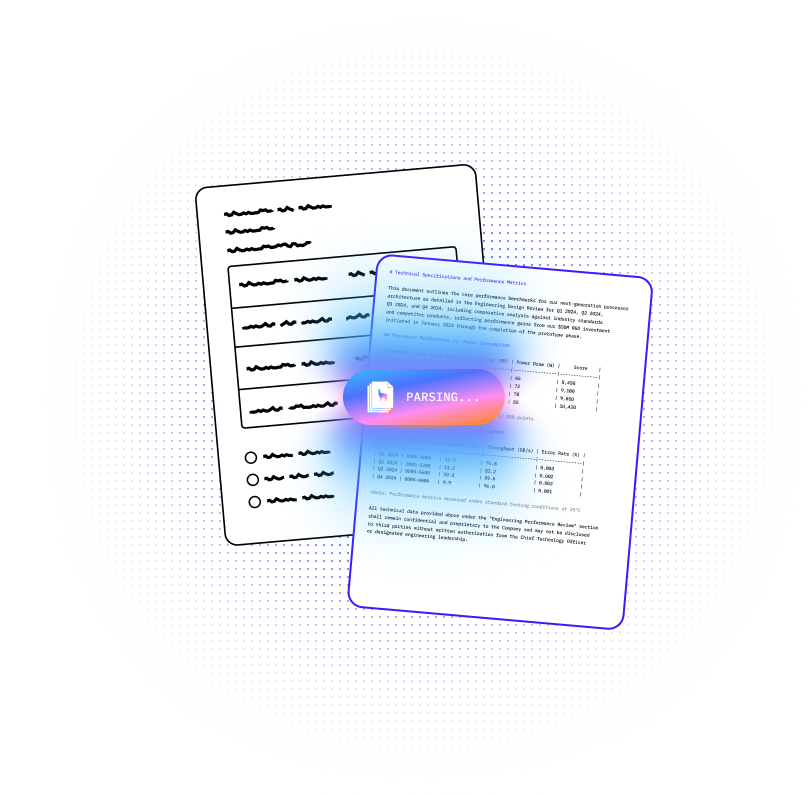
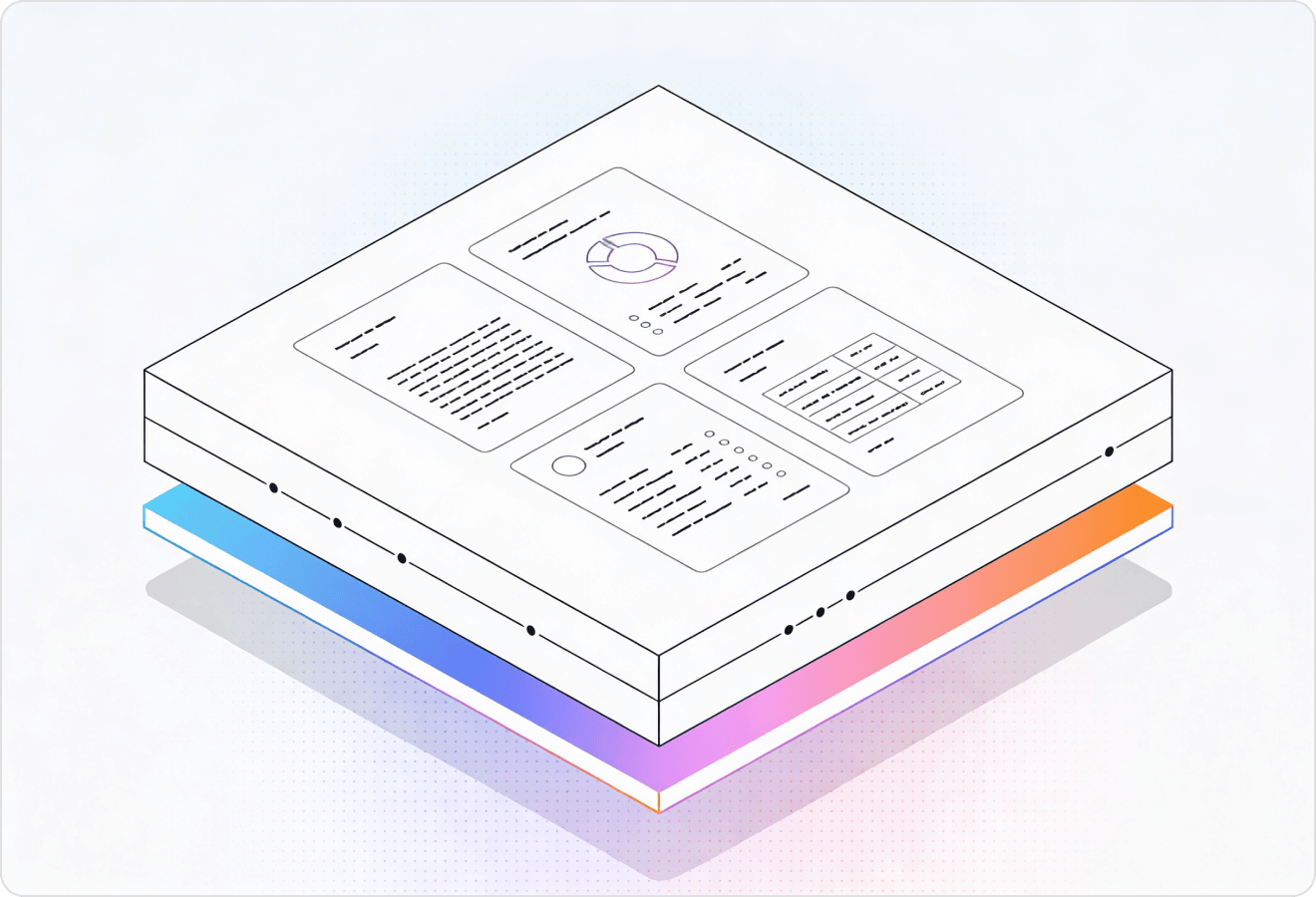
LlamaParse turns messy bills of exchange into clean, structured fields you can trust, capturing parties, amounts, dates, and endorsements accurately. Its agentic document parsing understands layout and stamps, then adds citations and confidence signals so teams can validate fast and automate downstream workflows.
Best-in-Class Accuracy

Use LlamaParse in LlamaCloud to parse Bills of Exchange into structured JSON—drawer, drawee, payee, amount, tenor, maturity date, endorsements, and references—even when fields move across templates. Layout-aware table extraction preserves line items and stamp blocks, enabling straight-through processing for discounting, collections, and exception routing with citations for audit review.

Automatically extract payment terms, shipment references, and parties from Bills of Exchange and reconcile them against invoices, bills of lading, and packing lists to prevent release delays. Natural-language parsing instructions let ops teams standardize the exact output schema per lane/customer without building brittle regex pipelines when document layouts change.

Turn scanned or emailed Bills of Exchange into verifiable records for compliance checks, disputes, and collections by capturing endorsements, acceptance markings, and due dates with page-level traceability. Auto-correction loops reduce misreads on low-quality scans so treasury teams can enforce terms and trigger reminders without manual re-keying.

Ship a Bill Of Exchange ingestion API fast by using LlamaParse to output clean Markdown/JSON that plugs directly into automated underwriting, risk checks, or back-office workflows. Tier-based processing and cost optimizer mode keep unit economics predictable by routing simple pages to cheaper parsing and reserving agentic understanding for messy, multi-stamp documents.
The Solution
01
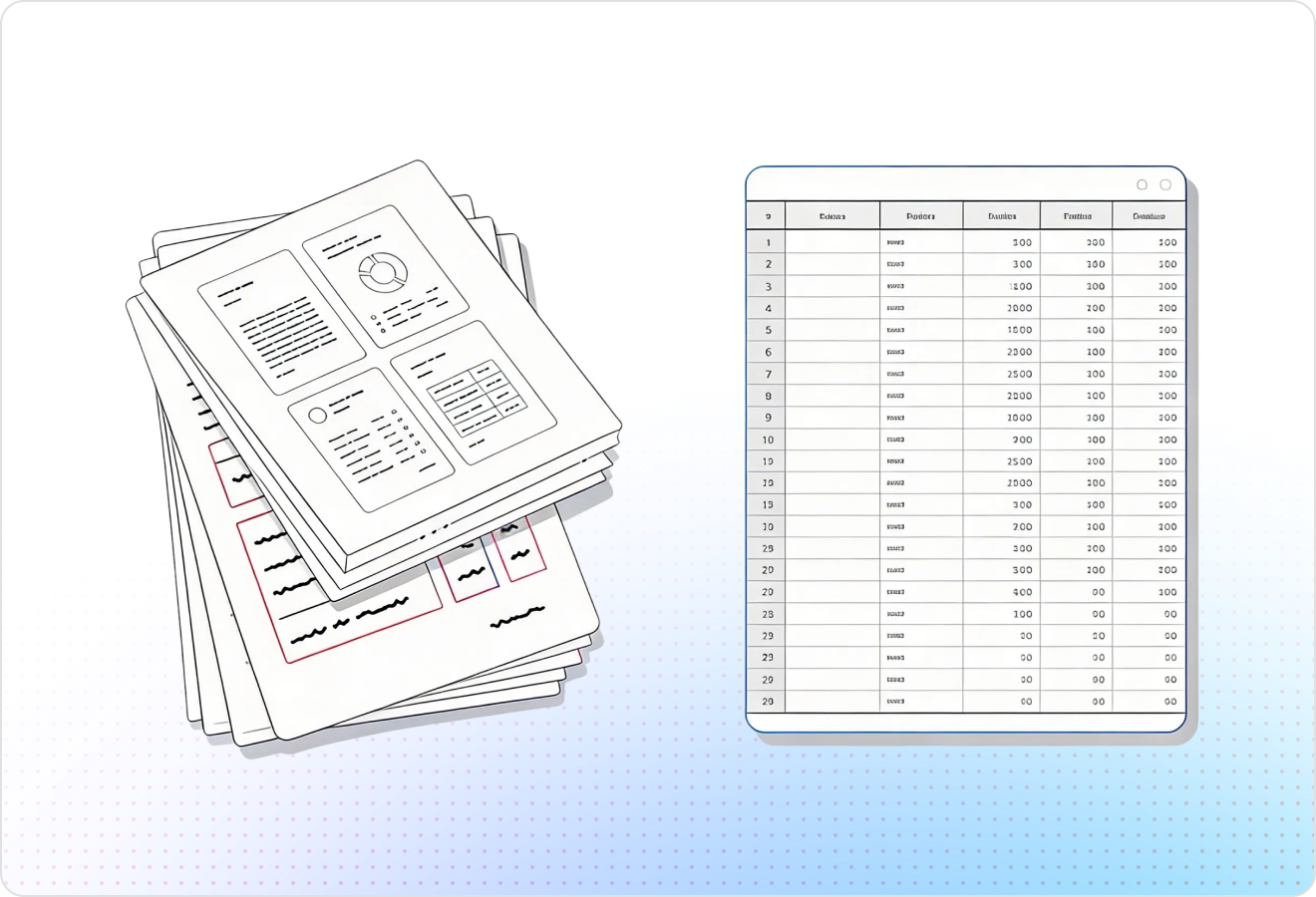
LlamaParse understands the structure of bills of exchange—issuer/drawer, drawee, payee, amount, dates, and signatures—without text getting scrambled across columns or stamped areas. That means you can reliably extract the right value from the right location, even when forms vary by bank or jurisdiction.
02
When a bill of exchange includes remittance breakdowns, fee tables, or endorsement blocks, LlamaParse preserves row/column relationships instead of flattening everything into a blob. You get clean Markdown or structured JSON that’s ready for validation rules and downstream reconciliation.
03
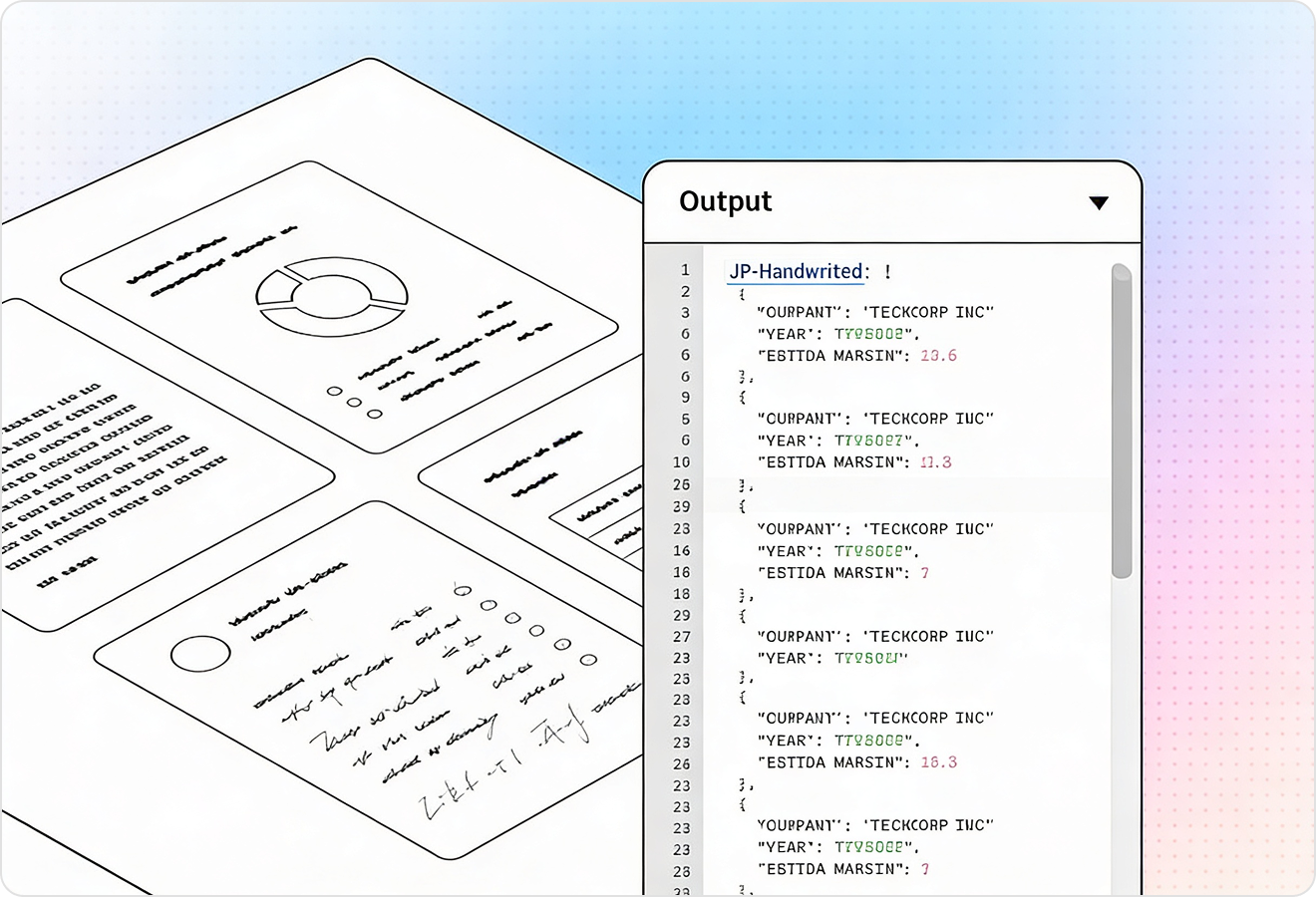
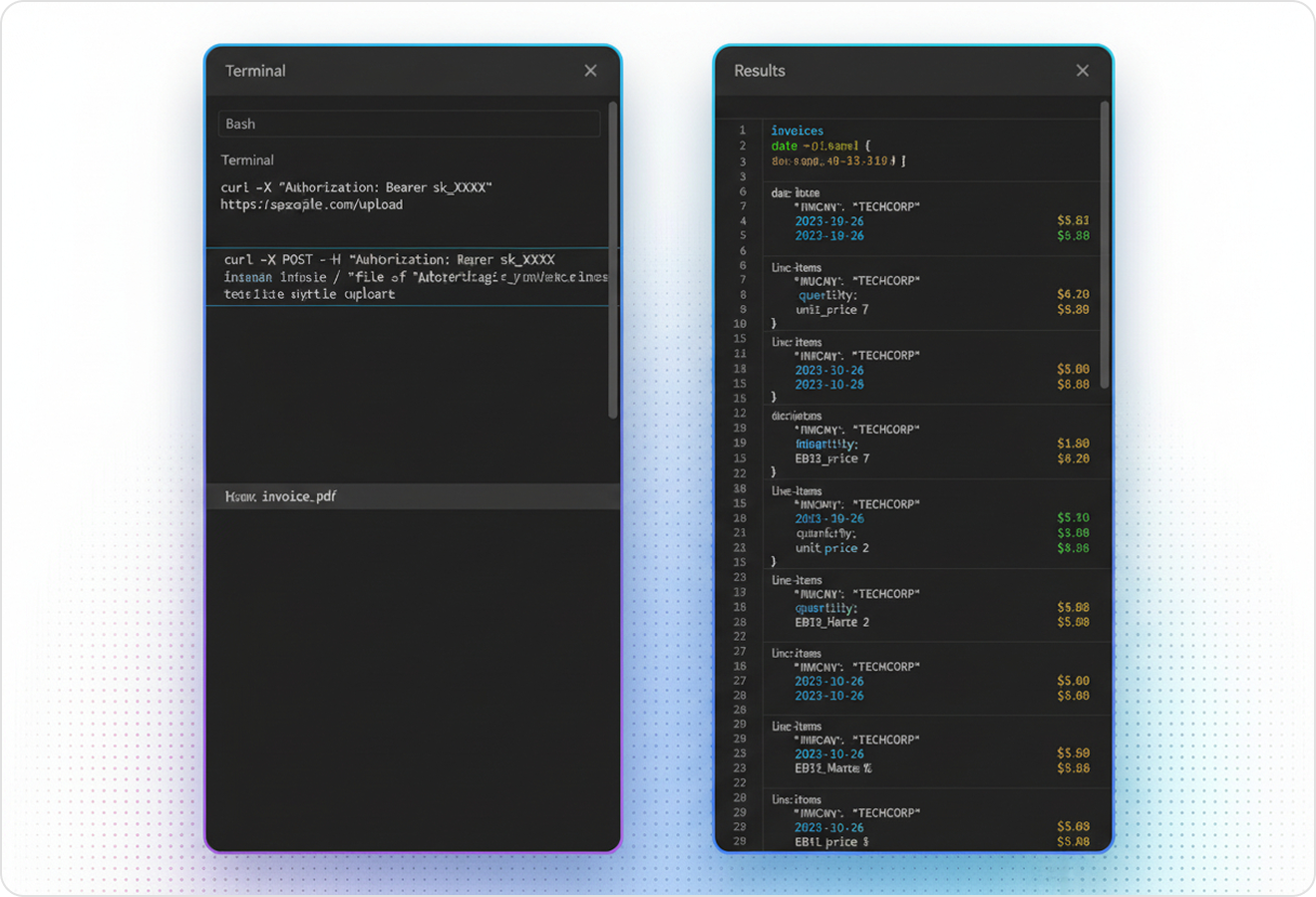
LlamaParse can return structured JSON alongside granular metadata like page references and element coordinates for each extracted field. This makes it straightforward to build audit-friendly workflows where reviewers can click back to the exact source region for disputed amounts, dates, or payee details.
04
LlamaParse uses validation and self-correction steps to reduce common extraction failures on noisy scans, faint carbon copies, and overprinted stamps. For bills of exchange, this improves straight-through processing by catching inconsistencies like mismatched numeric vs. written amounts or partial date reads before the data hits your system.
Technical OCR documentation
Explore our developer guides to easily connect your document pipelines to LlamaParse.
Explore the documentation
Our AI catches the typos that tired eyes miss.

Export to Excel, JSON, XML, or directly via API.

SOC2 Type II compliant with end-to-end encryption.

Train the tool on your specific forms in minutes, not days.

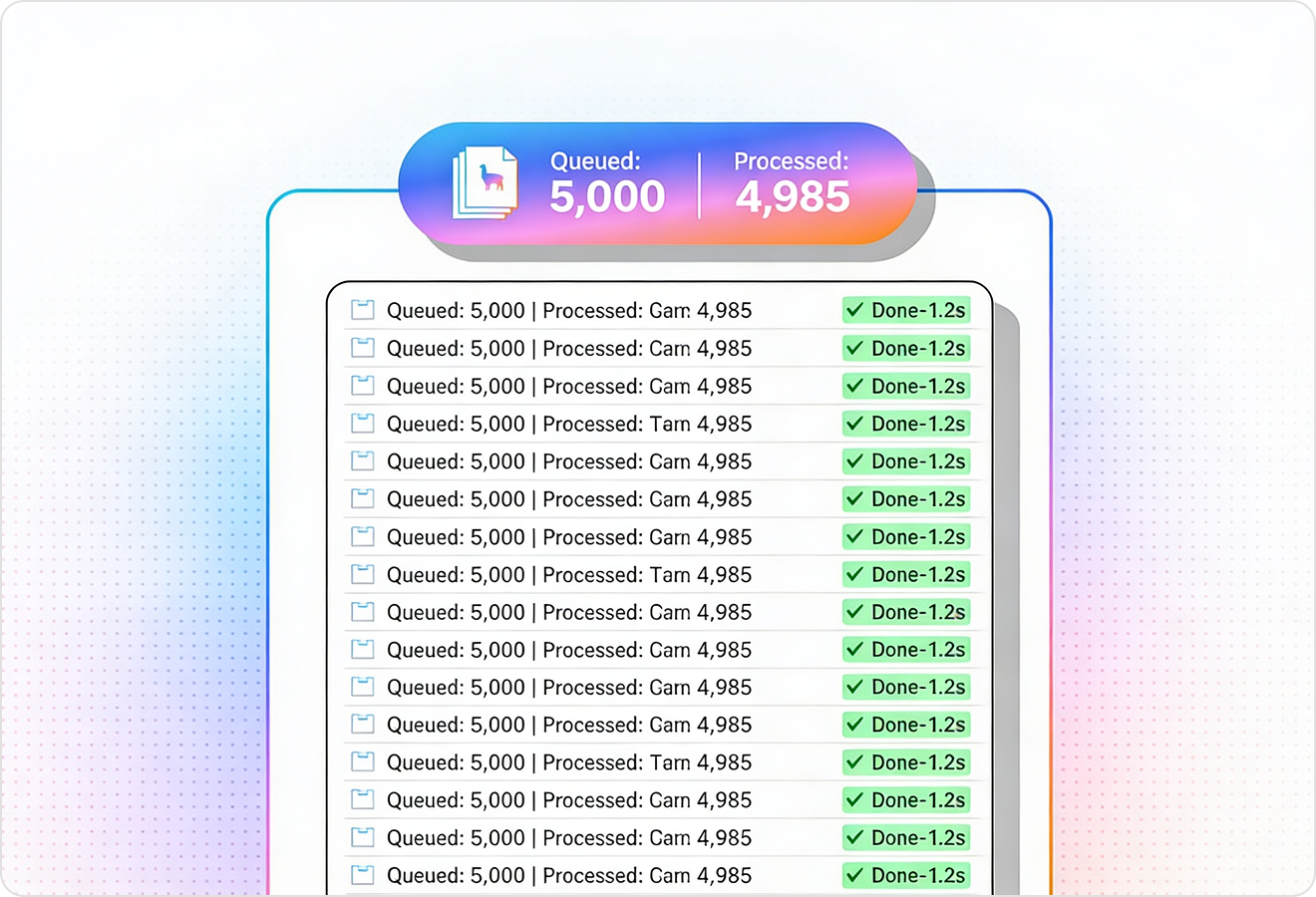
Average processing time of <3 seconds per page.
LlamaParse’s support of a wide variety of filetypes and its accuracy of parsing made it the best tool we tested in our evaluations. The LlamaIndex team was very responsive and we were off to the races within a day.
Common FAQs
01
Yes—layout-aware field capture reads the document structure (drawer, drawee, payee, amounts, dates, signatures) so values don’t get mixed across columns, stamps, or pre-printed blocks. This makes extraction reliable even when formats change between jurisdictions or financial institutions.
02
Auto-correction validation loops are designed for noisy inputs, including overprinted stamps and low-contrast scans. The system self-checks common failure points (like partial dates or unclear characters) to reduce manual rework and improve straight-through processing.
03
Yes—table and line-item extraction preserves row/column relationships instead of turning tables into a text blob. You receive clean Markdown or structured JSON that’s ready for validation rules, reconciliation, and downstream posting.
04
Do you provide JSON output that’s ready to integrate with our ERP, trade finance system, or RPA workflows?
Absolutely—JSON Mode returns structured fields that map cleanly into your existing systems and automations. You can standardize output across different bill layouts, reducing brittle template-specific rules.
05
How do reviewers audit or verify extracted values like the amount, date, or payee name?
Each extracted field can include traceability metadata such as page references and element coordinates. Reviewers can click back to the exact source region to resolve disputes quickly and keep an audit-friendly trail.
06
What safeguards help prevent costly mistakes like mismatched numeric vs. written amounts?
Validation and self-correction steps can flag inconsistencies before data reaches your core systems, including mismatches between numeric and written amounts or suspicious date reads. This reduces exception rates and helps your team focus on true edge cases rather than routine cleanup.