Nov 14, 2025
Document AI: The Next Evolution of Intelligent Document ProcessingPersona
Industry
Use cases
Last Will And Testament OCR
[ Last Will And Testament OCR ]

Turn messy wills into structured, verifiable fields with LlamaParse, complete with citations and confidence scores.
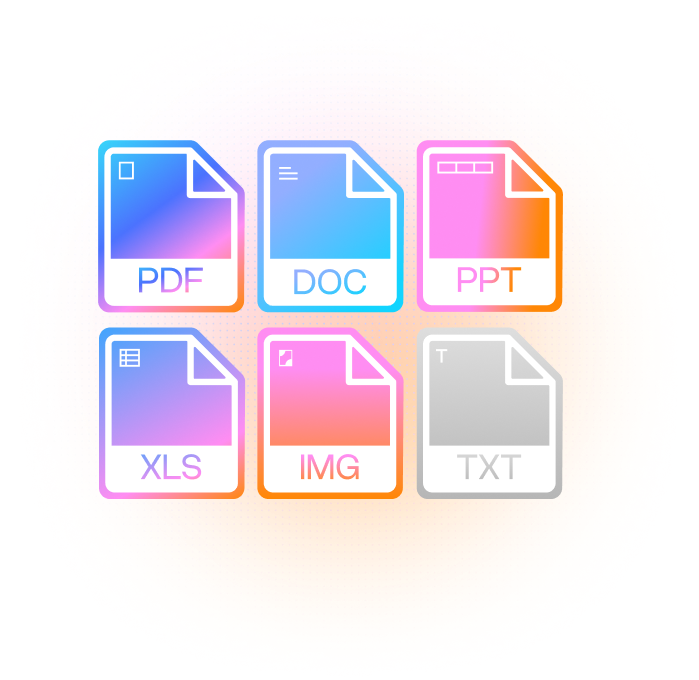
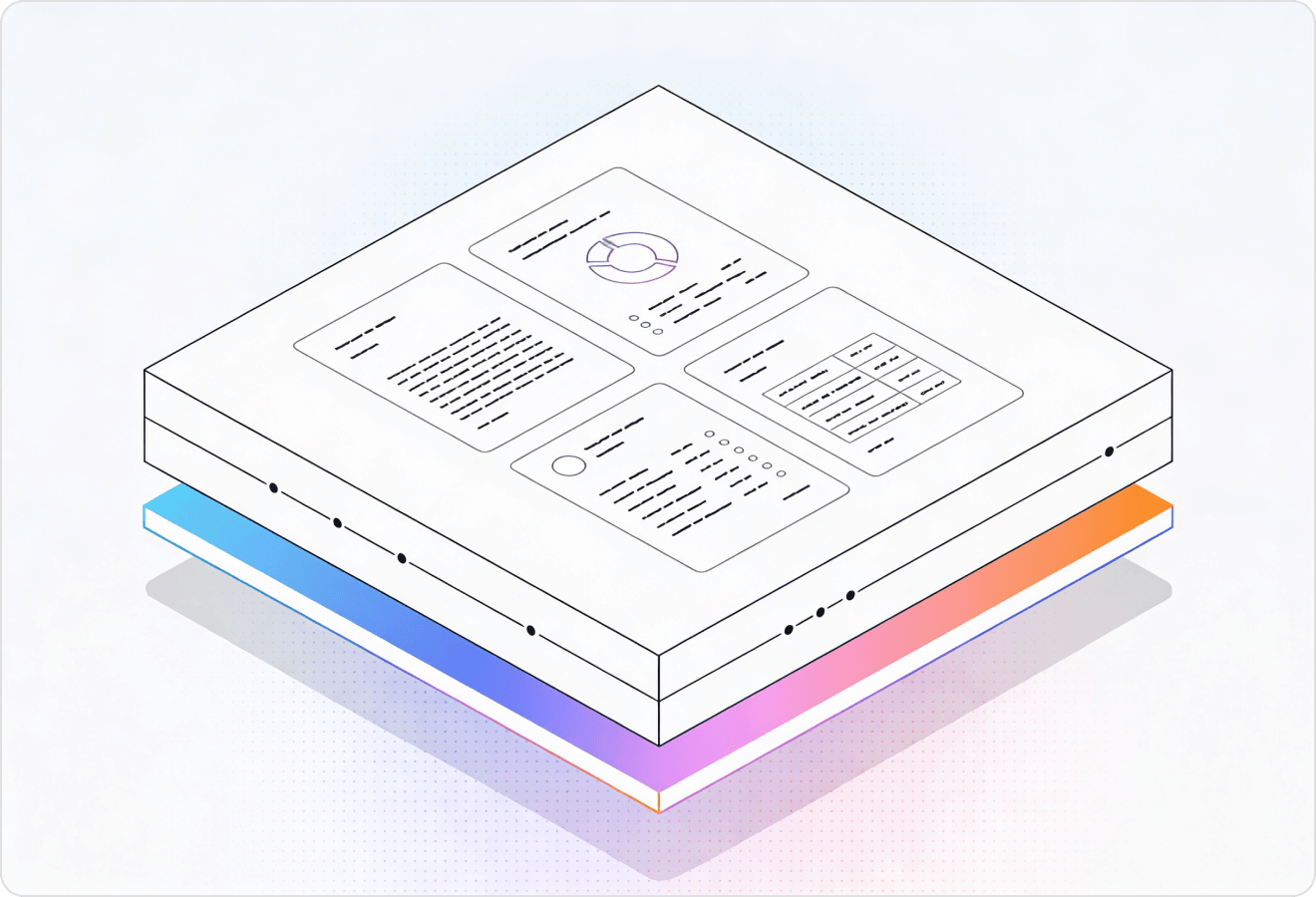

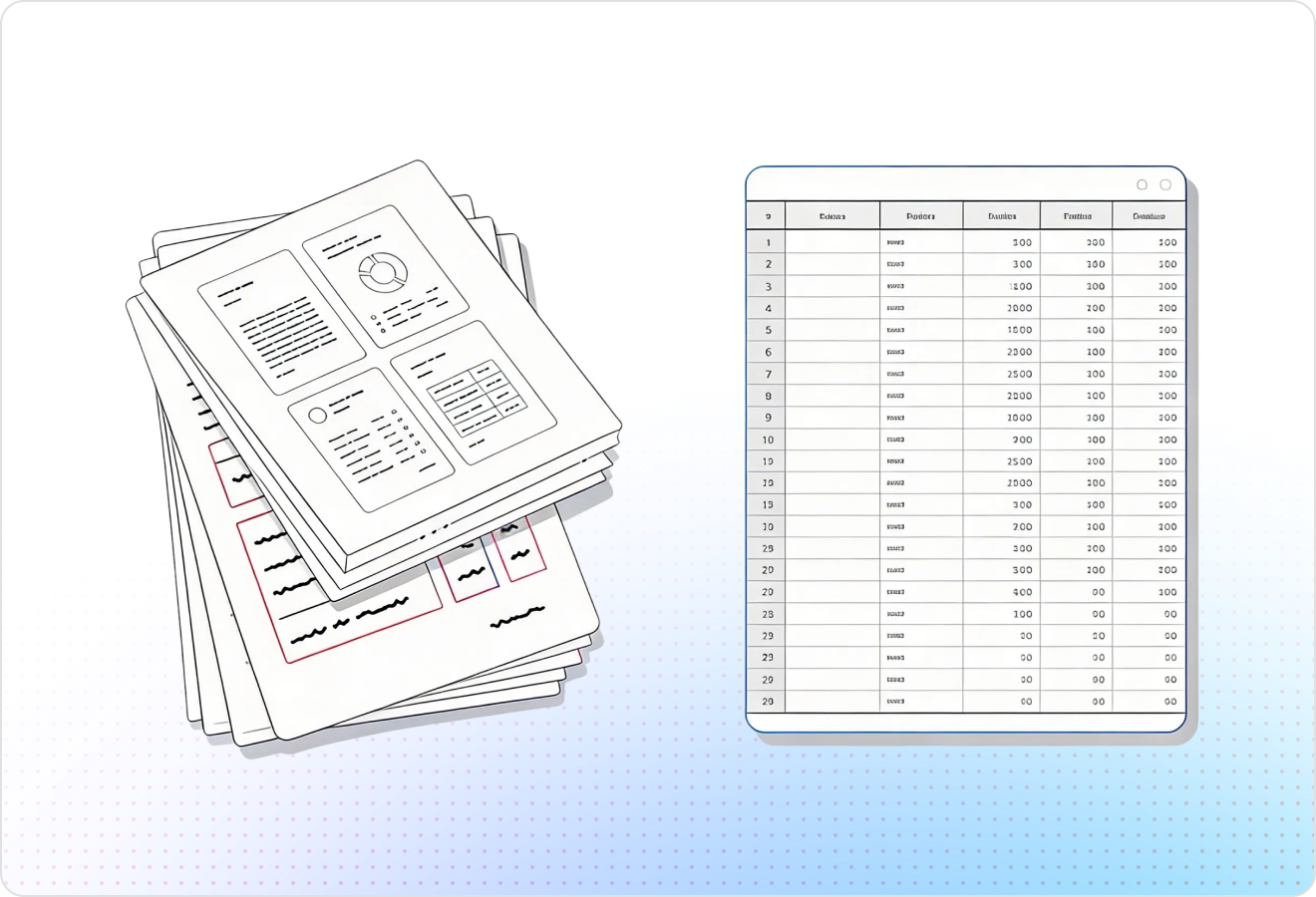
LlamaParse turns scanned wills and messy PDFs into clean, structured fields like beneficiaries, bequests, executors, dates, and signatures you can trust. Agentic parsing understands layout and legal phrasing, adds citations and confidence scores, and reduces manual review for faster downstream workflows.
Best-in-Class Accuracy

Use LlamaParse to convert scanned wills into citation-backed JSON and Markdown so staff can instantly locate executors, beneficiaries, bequests, and revocation clauses without rereading the full document. Layout-aware parsing preserves numbered sections, witness blocks, and multi-column pages, reducing missed details and accelerating probate intake and case prep.

Automate life-claim and beneficiary verification by extracting identities, relationships, contingent beneficiaries, and special instructions from wills—even when they’re low-quality scans or photos—into structured outputs your claims systems can consume. Auto correction loops and granular metadata enable faster exception routing and defensible audit trails when disputes or fraud flags arise.

Digitize incoming will packets at scale with agentic document parsing that separates coversheets, affidavits, exhibits, and the will itself, then normalizes key fields for docketing and queue assignment. JSON mode with page-level citations supports compliant records management and reduces clerical rework caused by scrambled reading order or misread seals, stamps, and signatures.

Ship a wills ingestion pipeline in days by using LlamaParse APIs plus natural-language parsing instructions to extract exactly the fields your product needs, without brittle regex or custom model training. Tier-based processing and cost optimizer mode keep unit economics predictable while you scale from pilot volumes to production-grade document throughput.
The Solution
01
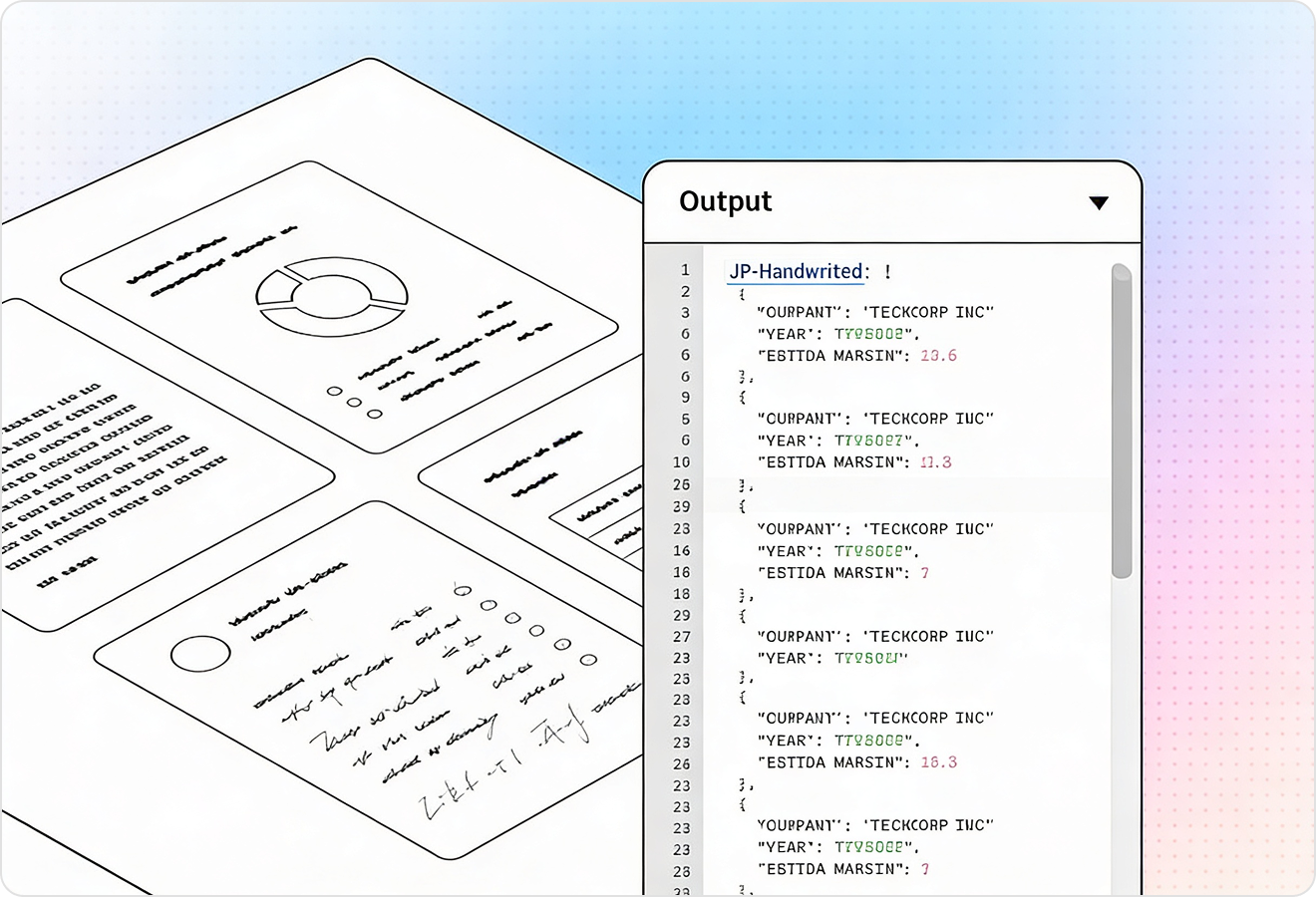
LlamaParse uses layout-aware vision to preserve reading order across multi-page wills, including headers, footers, columns, and numbered clauses. That means bequests, conditions, and executor sections don’t get scrambled, so downstream review and extraction stay legally coherent.
02
Multimodal parsing interprets non-text elements like signatures, initials, notary stamps, and witness blocks alongside the surrounding language. This helps you retain critical execution context when digitizing a last will and testament, not just the words on the page.
03
Auto-correction loops detect common parsing failures in legal scans—missing lines, duplicated fragments, or inconsistent clause numbering—and iteratively fix them before output. For wills, this reduces silent errors that can change meaning and lowers the amount of manual legal QA.
04
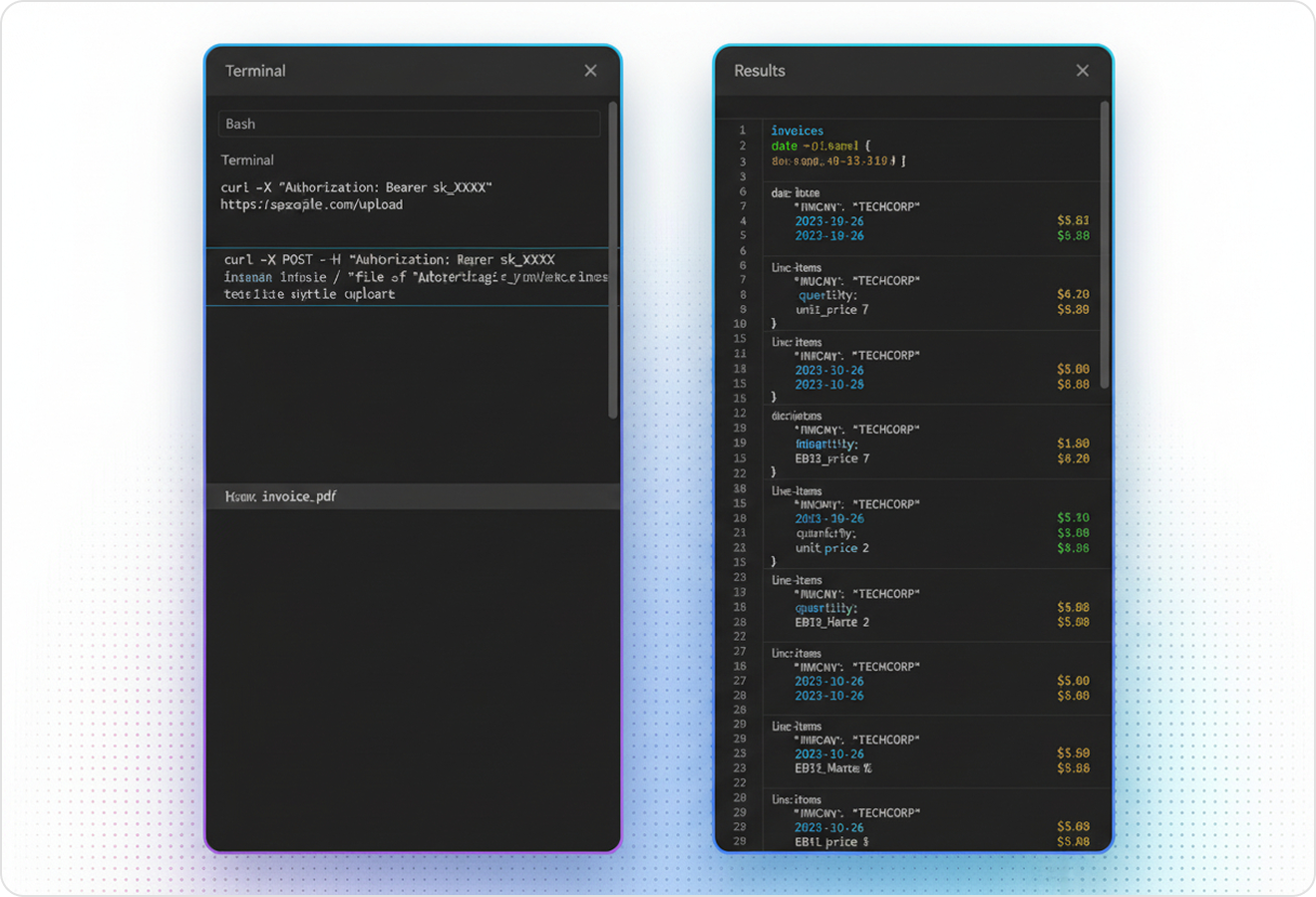
JSON mode produces structured fields with granular metadata like page references and coordinates for each extracted element. For last will and testament workflows, you can tie every beneficiary, asset, and appointment back to an auditable source location for human-in-the-loop verification.
Technical OCR documentation
Explore our developer guides to easily connect your document pipelines to LlamaParse.
Explore the documentation
Our AI catches the typos that tired eyes miss.

Export to Excel, JSON, XML, or directly via API.

SOC2 Type II compliant with end-to-end encryption.

Train the tool on your specific forms in minutes, not days.

Average processing time of <3 seconds per page.
LlamaParse’s support of a wide variety of filetypes and its accuracy of parsing made it the best tool we tested in our evaluations. The LlamaIndex team was very responsive and we were off to the races within a day.
The engine room
01
Yes—layout-aware parsing keeps headers, footers, columns, and clause numbering in the right sequence so provisions don’t get rearranged. That means bequests, conditions, and executor appointments remain legally coherent and easier to review.
02
It interprets key non-text elements like signatures, initials, notary stamps, and witness sections alongside the surrounding language. This helps you retain critical execution context, not just a plain-text transcription.
03
Validation and self-correction loops automatically detect typical scan failures and iteratively fix them before output. This reduces silent errors that can change meaning and significantly cuts manual legal QA time.
04
Do you provide structured JSON output, and can I trace each extracted item back to the source document?
Yes—JSON output includes citations such as page references and coordinates for each extracted element. You can tie every beneficiary, asset, and appointment back to an auditable location for fast human-in-the-loop verification.
05
How does this fit into our review workflow for beneficiaries, assets, and executor appointments?
You get structured fields that make it easy to route items like beneficiaries and fiduciary roles into your systems while keeping citations for spot-checking. Teams can review exceptions quickly instead of rereading entire documents.
06
What types of will documents does it handle best—scans, photocopies, and mixed-format PDFs?
It’s designed for real-world will packets, including multi-page scans and messy PDFs with stamps, signatures, and varied layouts. When the input is challenging, the built-in validation helps recover clean, consistent output you can trust for downstream processing.
Explore Our Resources