Nov 14, 2025
Document AI: The Next Evolution of Intelligent Document ProcessingPersona
Industry
Use cases
Arbitration Award OCR
[ Arbitration Award OCR ]

Use LlamaParse to turn arbitration awards into structured JSON with citations you can verify.
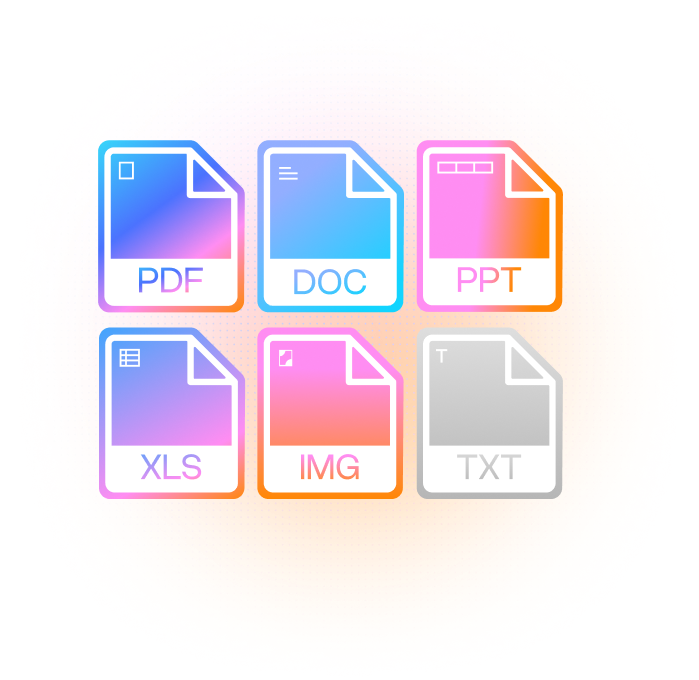
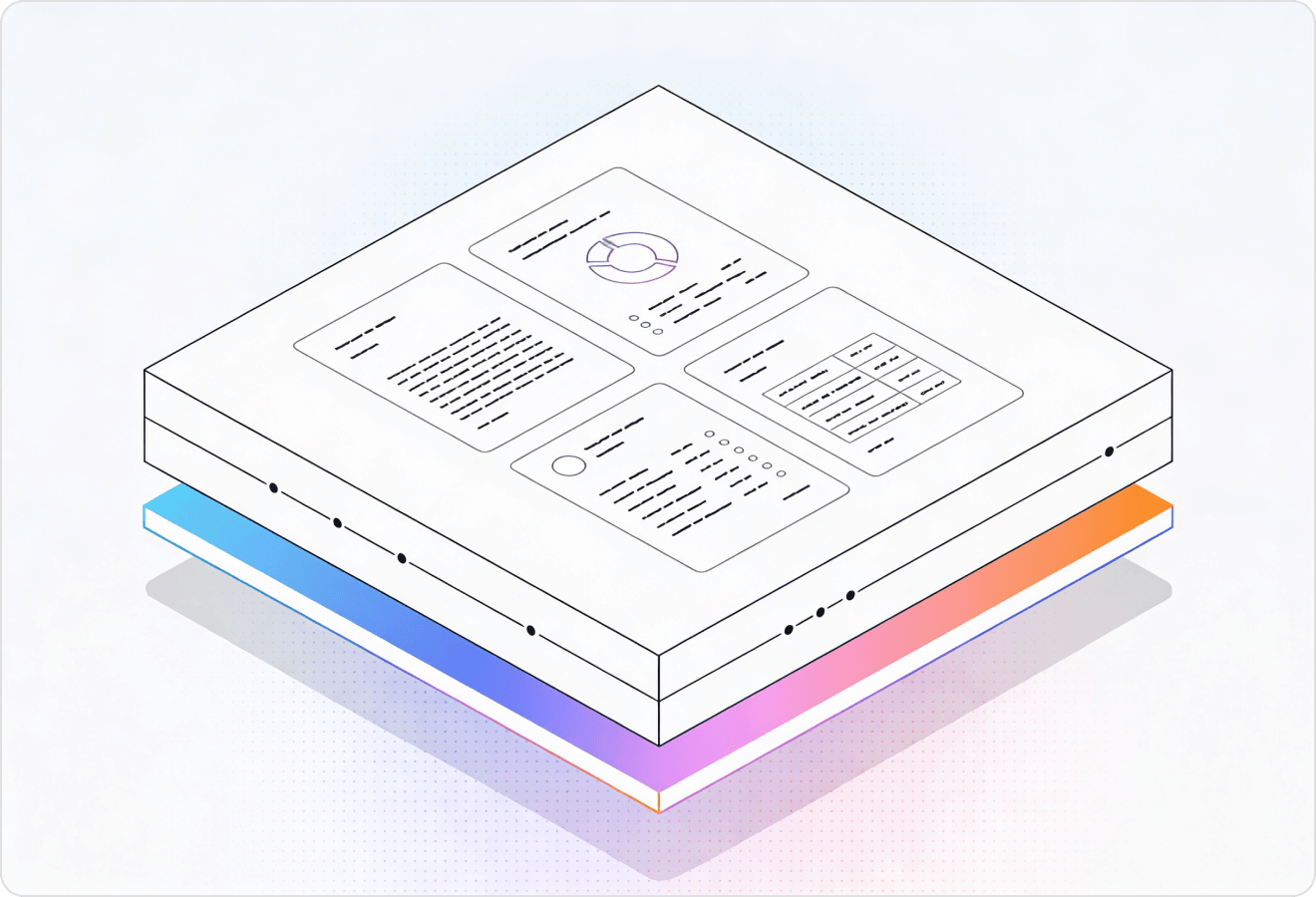

LlamaParse turns messy arbitration awards into clean, structured outputs you can trust, capturing sections, findings, and tables with layout-aware understanding. Export Markdown, JSON, or HTML with confidence metadata and citations, so your team can review faster and automate downstream legal workflows.
Best-in-Class Accuracy

Use LlamaParse to turn arbitration award PDFs into layout-faithful Markdown/JSON, accurately extracting award amounts, liability splits, deadlines, and multi-line party details from dense tables and scanned exhibits. Teams can automatically populate claim systems with citation-backed fields for faster payouts and fewer disputes over what the document actually says.

Parse arbitration awards and supporting filings into structured outputs with granular metadata so attorneys can search by issue, arbitrator language, damages category, and governing rules while preserving exact page citations. This replaces brittle manual review for clause tracking and post-award enforcement workflows, even when the document includes footnotes, headers, and mixed formatting.

Extract line-item damages, change-order references, schedule impacts, and expert tables from arbitration awards to reconcile project controls and update cost-to-complete models without rekeying data. LlamaParse’s layout-aware table extraction keeps complex multi-column schedules intact, making it practical to audit outcomes across many projects and contractors.

Ship arbitration-award ingestion quickly by using natural-language parsing instructions to produce the exact JSON schema your product needs for dashboards, alerts, and customer exports. Auto Mode routes simple pages cheaply while upgrading only the messy scans, keeping unit economics predictable as you scale document volume.
The Solution
01
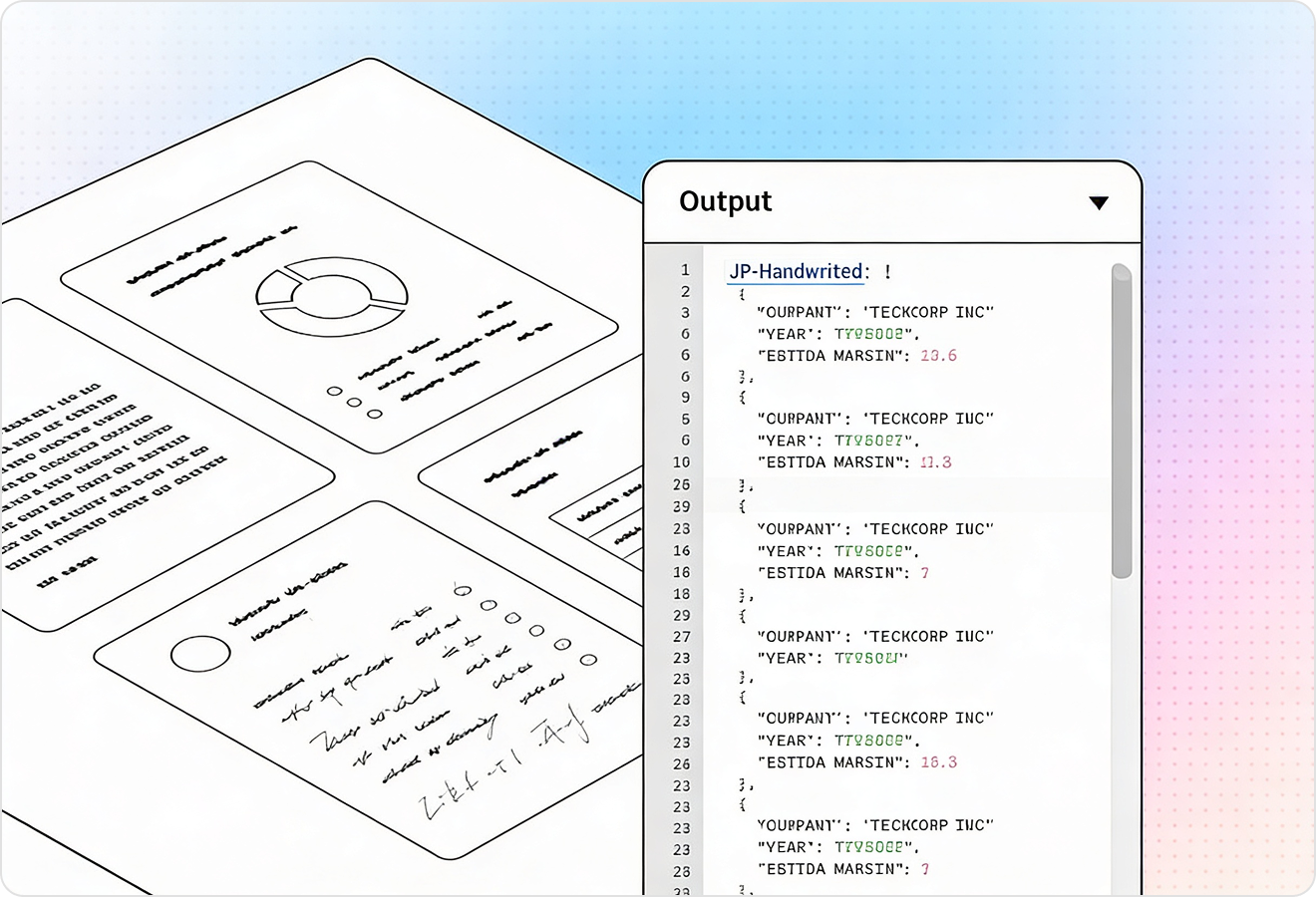
LlamaParse understands multi-column layouts, headers/footers, footnotes, and section hierarchies so arbitration awards don’t come back as scrambled text. That means you can reliably capture findings, reasoning, and dispositive sections in the right reading order for downstream review and search.
02
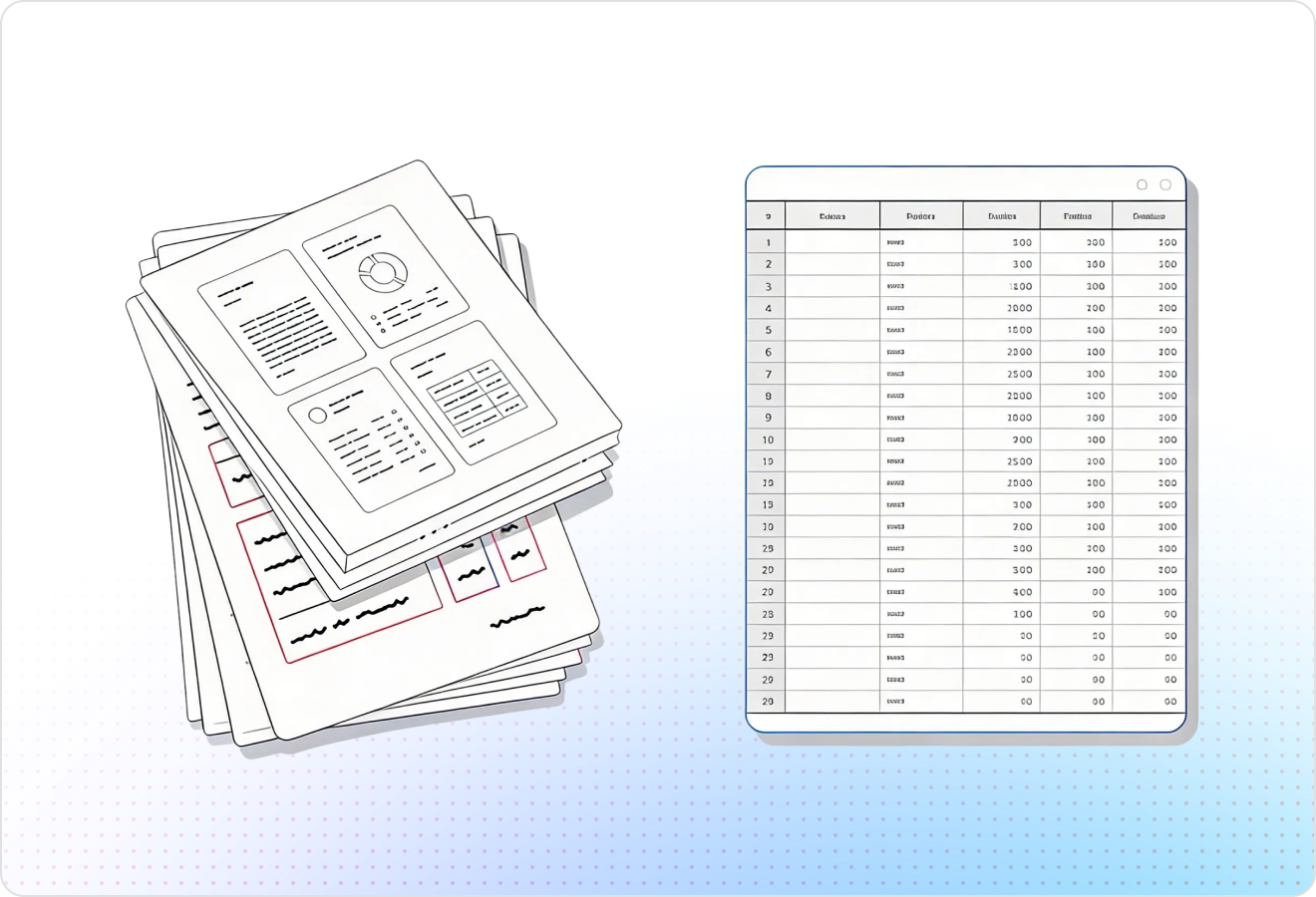
Arbitration awards often include damages schedules, fee breakdowns, timelines, and other structured exhibits that basic text extraction mangles. LlamaParse pulls tables cleanly into AI-ready Markdown or structured outputs so you can compute totals, validate line items, and compare awards across matters.
03
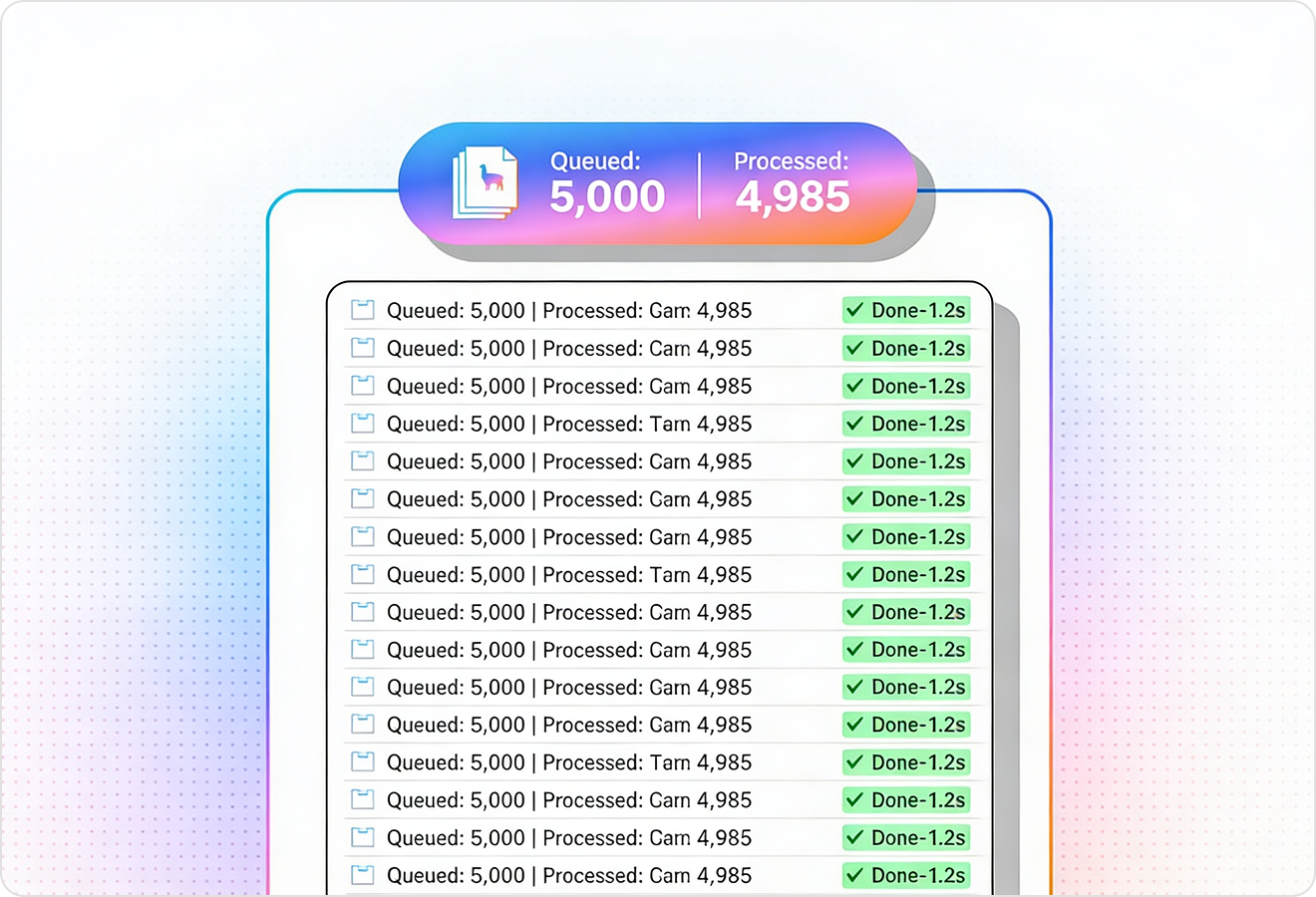
LlamaParse runs validation and self-correction steps to catch common scan issues like missing lines, duplicated paragraphs, and hallucinated numbers. This is especially valuable for arbitration awards where a single wrong date, party name, or dollar amount can break compliance and reporting.
04
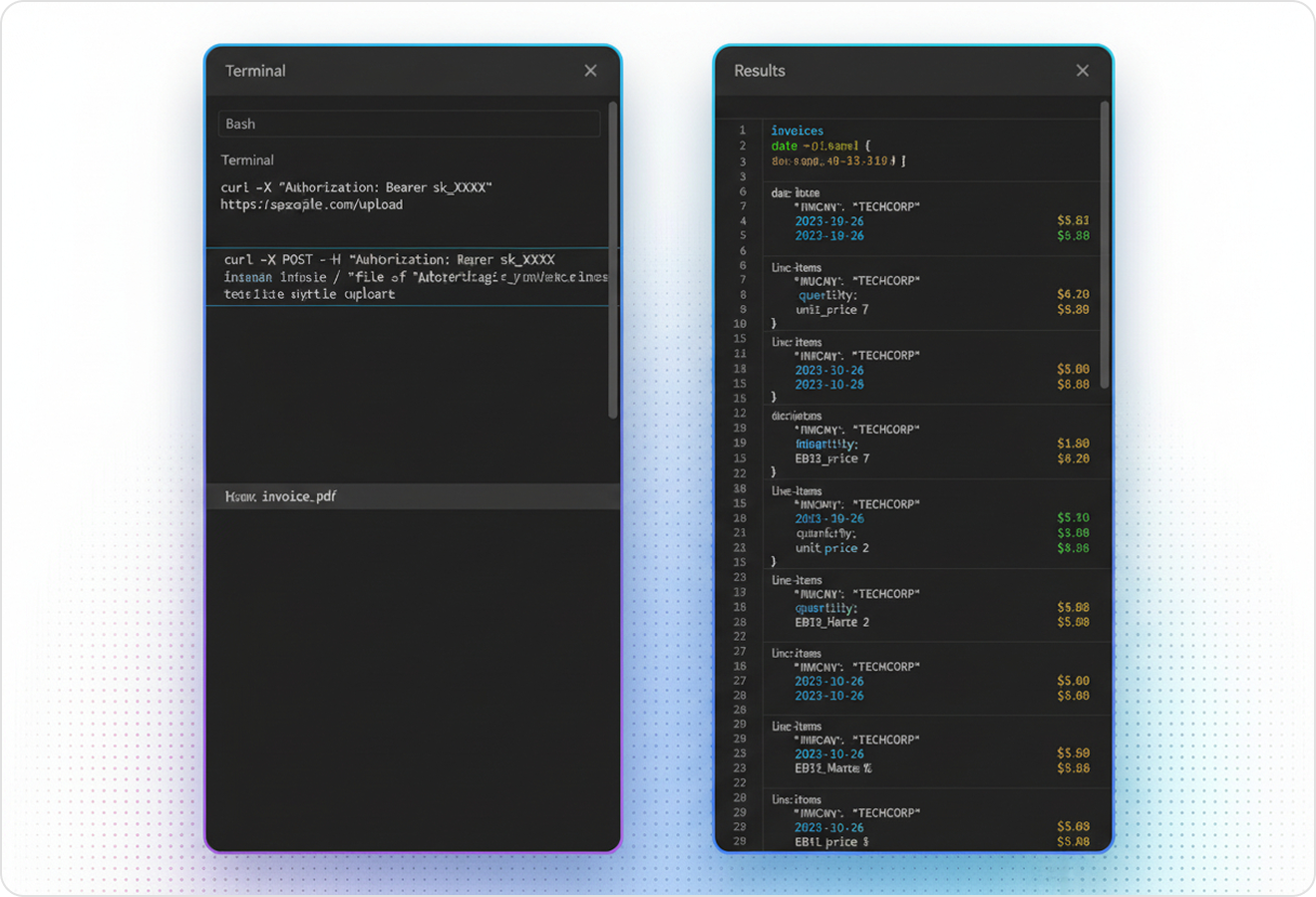
LlamaParse can return structured JSON enriched with page-level references and granular metadata for each extracted element. For arbitration award workflows, this gives you traceability from fields like “award amount” or “interest rate” back to the exact page/region for fast audit and human-in-the-loop verification.
Technical OCR documentation
Explore our developer guides to easily connect your document pipelines to LlamaParse.
Explore the documentation
Our AI catches the typos that tired eyes miss.

Export to Excel, JSON, XML, or directly via API.

SOC2 Type II compliant with end-to-end encryption.

Train the tool on your specific forms in minutes, not days.

Average processing time of <3 seconds per page.
LlamaParse’s support of a wide variety of filetypes and its accuracy of parsing made it the best tool we tested in our evaluations. The LlamaIndex team was very responsive and we were off to the races within a day.
The engine room
01
Yes—our layout-aware parsing reads multi-column text, headers/footers, footnotes, and section hierarchies in the correct order. That means findings, reasoning, and dispositive sections stay intact and searchable instead of turning into scrambled paragraphs.
02
We extract tables and structured exhibits cleanly into AI-ready Markdown or structured outputs. This makes it easy to compute totals, validate line items, and compare damages or fee awards across matters without manual re-keying.
03
Our agentic accuracy loops run validation and self-correction passes designed to catch common scan errors like dropped lines, repeated text, and unreliable numeric reads. This reduces the risk of a single incorrect date or dollar amount breaking reporting, compliance, or downstream analytics.
04
Can I get structured JSON outputs for fields like award amount, interest rate, and key dates—with citations?
Yes—LlamaParse can return JSON enriched with page-level references and granular metadata for each extracted element. You can trace any critical value back to the exact page/region for fast audits and human-in-the-loop review.
05
How quickly can my team verify extracted data during review or disputes?
Citations and structured outputs make spot-checking fast: reviewers can jump directly from a field to the source page area instead of hunting through the PDF. That shortens QA cycles and gives you confidence before filing, reporting, or client delivery.
06
Can this support consistent analysis across many awards for search, reporting, and benchmarking?
Yes—because the output preserves section hierarchy and extracts tables reliably, you can normalize award content for search and analytics across a portfolio of matters. Consistent JSON and clean tables make benchmarking outcomes and generating reports far easier than ad hoc OCR.
Explore Our Resources