Ocrolus built its reputation by automating bank statement, pay stub, and tax form analysis for lenders and fintechs, pairing OCR with cash-flow analytics and document fraud signals. It remains a strong fit for credit and lending workflows. But as financial-services teams move from narrow, document-type-specific extraction toward AI systems that can read any document and feed pipelines and autonomous agents, many are evaluating platforms with broader, developer-first document intelligence.
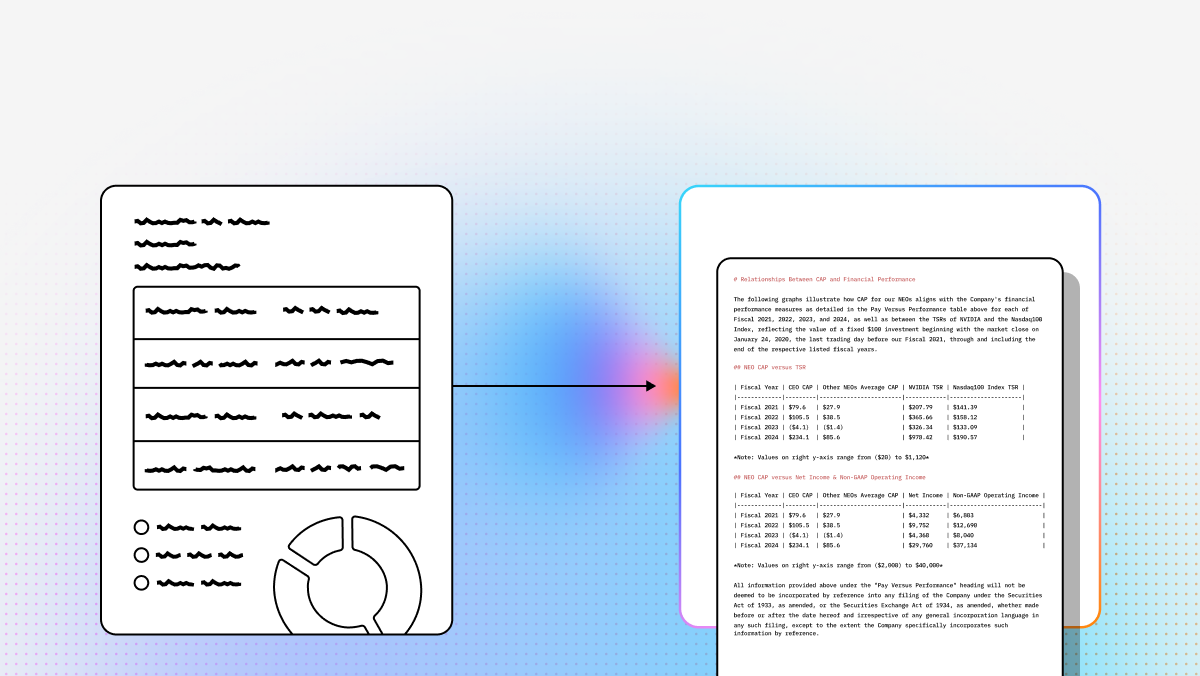
The market has effectively split into two camps. Legacy and workflow-specific OCR tools rely on fixed templates and pre-built models that break when a layout shifts. AI-native, agentic document processing uses vision-language models (VLMs) to understand layout and meaning, turning messy real-world documents into structured, traceable data. If you want the broader context, see our overview of the best document parsing software and the best OCR software for finance.
Below are the top Ocrolus alternatives for 2026, starting with LlamaParse. We focus on accuracy on complex financial documents, structured output, auditability, and how easily each platform fits into modern finance and lending pipelines.
| Company | Capabilities | Use Cases | APIs / Integrations |
|---|---|---|---|
| LlamaParse | Agentic document processing, layout-aware table extraction, multimodal parsing, JSON output with confidence + traceability, agentic validation workflows | Bank statement & financial statement extraction, KYC/AML automation, contract analysis, audit-ready pipelines | Developer-first APIs + SDKs (Python/TypeScript); strong for agent workflows |
| ABBYY Vantage | Enterprise OCR/IDP, pre-trained document skills, multilingual extraction, high-volume standardized docs | Accounting workflows, global consolidation, audit + compliance ops | Cloud + enterprise integration options; low-code workflow tooling |
| Amazon Textract | Managed OCR, forms + tables, handwriting, natural-language Queries | High-volume statement/invoice ingestion, AWS serverless workflows | AWS APIs (e.g., AnalyzeDocument); integrates with S3/Lambda/SageMaker |
| Azure Document Intelligence | Pre-built financial models, layout extraction, custom neural models | Tax automation, invoices, underwriting, standardized finance forms | REST APIs + Azure SDKs; integrates with Microsoft cloud + Power Platform |
| Google Document AI | Cloud OCR + structured extraction, specialized processors, Vertex AI reasoning | Standardized statements, BigQuery analytics, tax/invoice extraction | GCP-native APIs; integrates with BigQuery/Vertex AI |
| UiPath Document Understanding | Hybrid rules/templates/ML, human-in-the-loop validation, workflow automation | AP automation, compliance reporting, vendor onboarding | Best within UiPath ecosystem; connectors + RPA-driven workflows |
| Hyperscience | Handwriting + low-quality scans, ML extraction, human-in-the-loop exception handling | Messy/handwritten financial docs, enrollment/onboarding, paper digitization | Strong HITL; requires platform ops + configuration |
1. LlamaParse
Platform summary
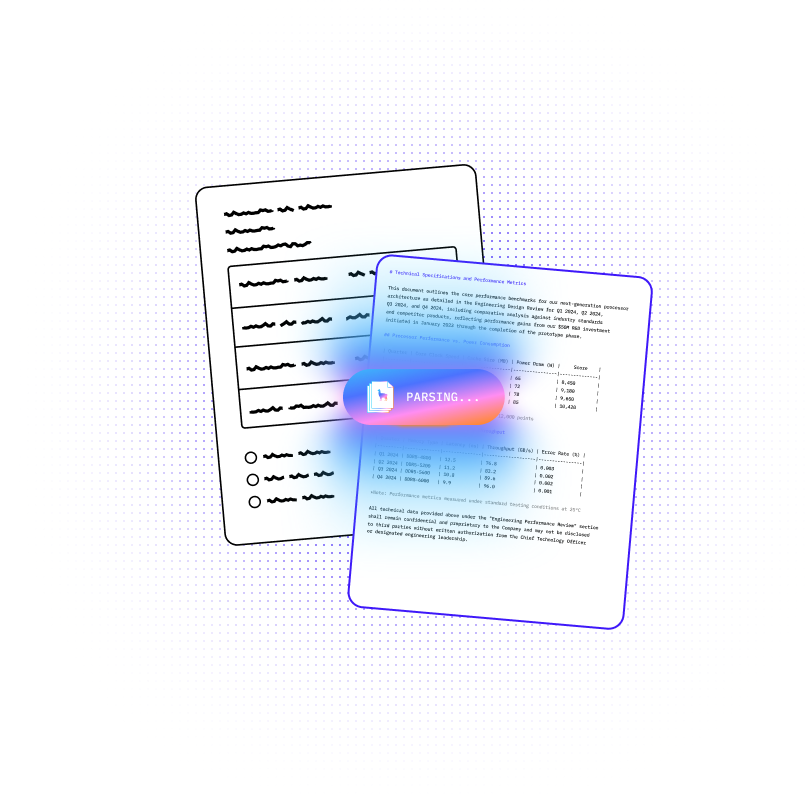
LlamaParse is an agentic document processing platform that treats documents as structured, multimodal objects. It parses complex layouts, tables, charts, and handwriting into clean, AI-ready output, analytics, and automation. For lending and financial-services teams, that means moving beyond fixed document types toward a developer-first system that can read any financial document and produce traceable, structured data.
Key benefits
- Semantic understanding of structure, context, and relationships across pages
- Higher straight-through processing with less manual correction
- Field-level confidence scores and citations for audit-ready pipelines
- Developer-first Python/TypeScript SDKs, deployable in the cloud or self-hosted
Core features
- VLM-powered parsing of tables, charts, handwriting, and multi-column pages
- Schema-based structured extraction via LlamaExtract → JSON + confidence + traceability
- Workflow orchestration for validation, exception handling, and routing
- Connectors for storage, vector databases, and distributed ingestion
Primary use cases
- Bank statement, pay stub, and tax form extraction for lending
- Financial statement and filing analysis
- KYC/AML and contract review
- Audit-ready financial pipelines assistants
Recent updates
- LlamaAgents Builder (natural language → workflow code)
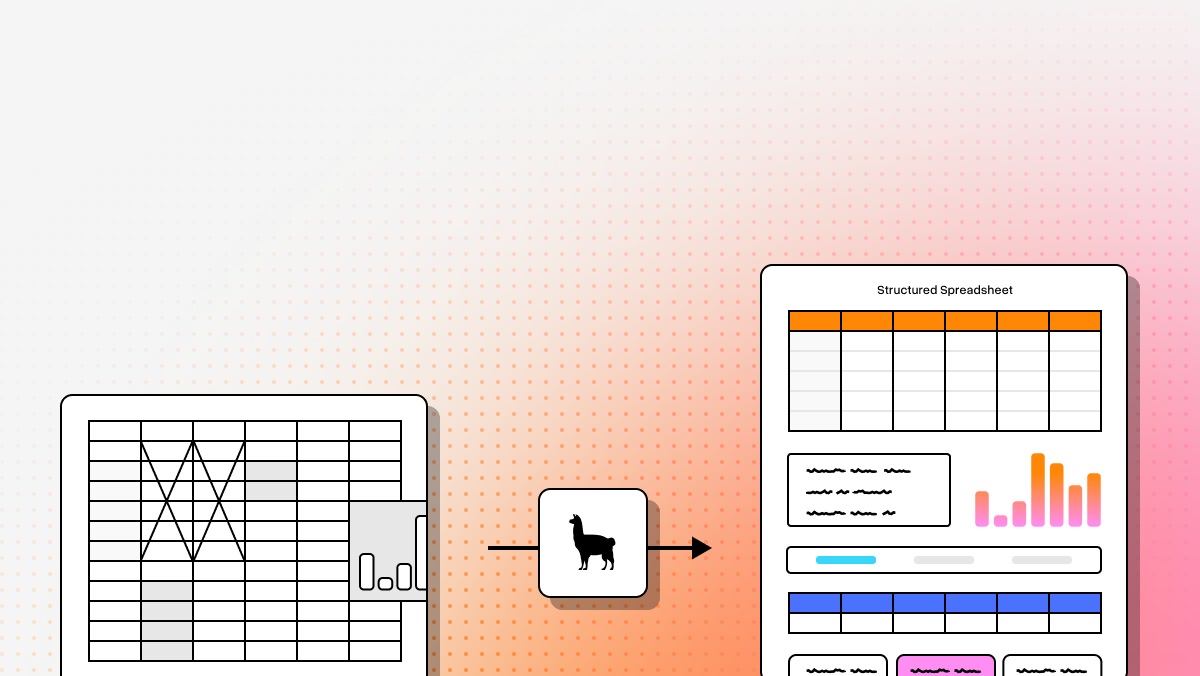
- LlamaSheets (spreadsheet parsing → Parquet, cell-level features)
- LlamaParse v2 API and redesigned SDKs
- RayIngestionPipeline integration for distributed ingestion
Limitations
- Developer-centric (Python/TS); not a no-code business tool
- Agentic processing may not map cleanly to legacy procurement categories
- VLM workloads can require more compute than basic scrapers
2. ABBYY Vantage
Platform summary
A mature enterprise IDP suite with pre-trained "skills," strong multilingual extraction, and broad coverage for high-volume, standardized documents across finance, accounting, and compliance teams.
Core features
- Pre-trained document skills plus low-code workflow tooling
- Broad language support and strong format retention
- Cross-department document operations
Primary use cases
- Accounting and finance workflows
- Global consolidation and shared services
- Audit and compliance operations
Recent updates
- Expanded GenAI features in ABBYY Vantage
- More pre-built skills for financial documents
Limitations
- Heavier architecture than AI-native entrants
- Higher cost and complexity for smaller teams
- Slower to adapt to niche or rapidly changing layouts
3. Amazon Textract
Platform summary
A fully managed AWS service that extracts text, handwriting, key-value pairs, and tables, with natural-language Queries. It is especially appealing for teams already standardized on AWS.
Core features
- Forms and table extraction (key-value pairs)
- Queries to request specific fields in natural language
- Pre-trained analyzers for invoices, receipts, and IDs
Primary use cases
- High-volume statement and invoice ingestion
- AWS-native serverless pipelines
- Backlog and historical document processing
Recent updates
- Improved layout analysis for multi-page documents
- Better handwriting recognition
Limitations
- AWS-first (less ideal for multi-cloud or on-prem)
- Limited reasoning on complex unstructured documents
- Needs custom business rules and validation logic
4. Azure Document Intelligence
Platform summary
Azure-native extraction with pre-built financial models, layout analysis, and custom neural models. It is strongest for organizations already invested in the Microsoft stack.
Core features
- Pre-built invoice, receipt, and tax form models
- Custom model training with labeling
- Layout analysis; integrates with Power Platform
Primary use cases
- Tax automation and standardized finance forms
- Invoice and underwriting workflows
- Microsoft-centric enterprises
Recent updates
- Expanded pre-built financial document models
- Tighter Microsoft cloud and Power Platform integration
Limitations
- Best fit inside the Microsoft ecosystem
- Can be slower on very large documents
- Tuning needed for niche layouts
5. Google Document AI
Platform summary
A processor-based extraction platform with specialized processors and Vertex AI integration for reasoning and summarization, well suited to standardized financial documents and analytics pipelines.
Core features
- Specialized processors by document type
- Vertex AI integration for GenAI reasoning
- Human-in-the-loop review
Primary use cases
- Standardized statement and tax/invoice extraction
- BigQuery analytics pipelines
- Lending and underwriting automation
Recent updates
- GenAI-powered Custom Extractor for broader document types
Limitations
- Best fit for Google Cloud organizations
- Pricing varies across processors and HITL
- Configuration can be complex
6. UiPath Document Understanding
Platform summary
Combines IDP with end-to-end RPA automation and human validation. Useful when you need OCR plus downstream actions inside core lending or finance systems.
Core features
- Hybrid extraction (rules/templates + ML)
- Validation Station for human review
- RPA bots that act on extracted data
Primary use cases
- AP automation and straight-through processing
- Compliance reporting and vendor onboarding
- Legacy system automation
Recent updates
- Autopilot for Document Understanding (GenAI workflow assistant)
Limitations
- Strongest value inside the full UiPath ecosystem
- OCR can lag AI-first parsers on complex layouts
- Licensing can be high if OCR is the only need
7. Hyperscience
Platform summary
Automates manual data entry with ML and human-in-the-loop review, with particular strength on messy inputs such as handwriting and low-quality scans.
Core features
- Strong handwriting and low-resolution scan processing
- Exception handling with human review
- High-throughput back-office automation
Primary use cases
- Handwritten or messy financial documents
- Enrollment and onboarding
- Legacy paper digitization
Recent updates
- Hypercell for on-prem and private-cloud, LLM-based document solutions
Limitations
- Requires training and tuning for best results
- HITL operations can be resource intensive
- More extraction-focused than agent or Q&A oriented
The Bottom Line
Ocrolus remains a capable choice for credit and lending analytics, but document automation in 2026 is increasingly about document understanding, not just text capture. The best alternative depends on your operating model:
- Developer-first, agentic workflows, and traceability: LlamaParse and LlamaExtract
- Mature enterprise IDP backbone: ABBYY Vantage
- Cloud-native at scale: Amazon Textract (AWS), Google Document AI (GCP), or Azure Document Intelligence (Microsoft)
- Automation-first (OCR + RPA): UiPath Document Understanding
- Messy handwriting and human-in-the-loop operations: Hyperscience
For teams building modern financial document workflows and due diligence pipelines, LlamaParse offers the most direct path from raw documents to structured, audit-ready data. Book a demo or try it for free to evaluate it on your own documents.
FAQ
What is Ocrolus, and why look for alternatives?
Ocrolus is a document automation and analytics platform focused on lending, with strengths in bank statement, pay stub, and tax form analysis plus fraud detection. Teams look for alternatives when they need broader document coverage, developer-first APIs, or agentic processing that feeds RAG and AI agent workflows beyond credit analytics.
What should you look for in an Ocrolus alternative?
Accuracy on messy, real-world documents (tables, handwriting, scans); structured output with confidence scores and citations; integration fit with your core systems; compliance and auditability (SOC 2, GDPR); flexible deployment (cloud, VPC, on-prem); and the ability to scale across variable document volumes.
Can these alternatives handle bank statements and financial documents?
Yes. Modern platforms such as LlamaParse, Amazon Textract, Azure Document Intelligence, and Google Document AI can extract tables, key-value pairs, and structured fields from financial documents and output JSON for downstream systems. Agentic tools add layout-aware reasoning and field-level traceability that legacy OCR often lacks.
Do these tools integrate with lending and core financial systems?
Most expose APIs and SDKs plus connectors to storage and automation tools, making it straightforward to route extracted data into loan origination, underwriting, and analytics systems. Developer-first options like LlamaParse are designed to slot into custom pipelines and agent workflows.
Legacy OCR vs. agentic document processing — what is the difference?
Legacy OCR converts scans into text and works well for clean, standardized documents. Agentic document processing combines OCR with layout analysis, schema mapping, and reasoning to understand what fields mean, where they came from, and how they relate — which matters for multi-page packets, complex tables, and audit-ready financial workflows.