For decades, document processing was a game of “boxes and templates.” If a vendor moved a logo or a financial report added a new column, traditional OCR (Optical Character Recognition) systems would break, forcing developers to manually recalibrate rigid computer vision models.
As we move into 2026, the industry is hitting a major inflection point: the shift from Legacy OCR to Agentic Document Processing.
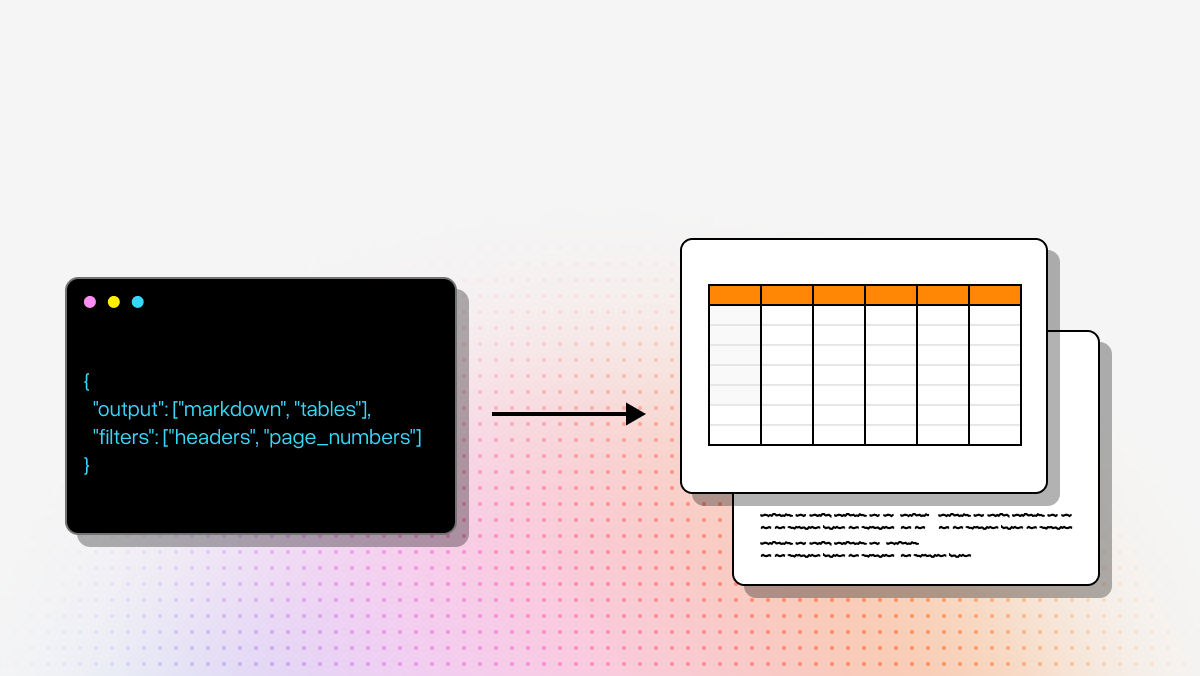
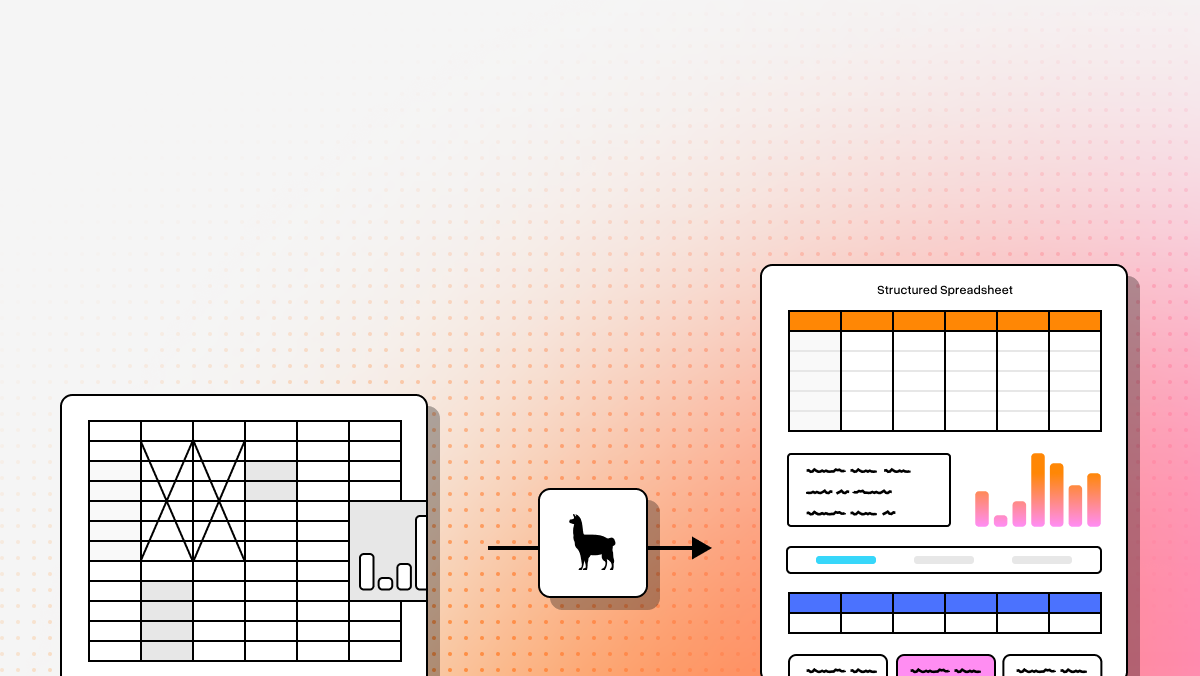
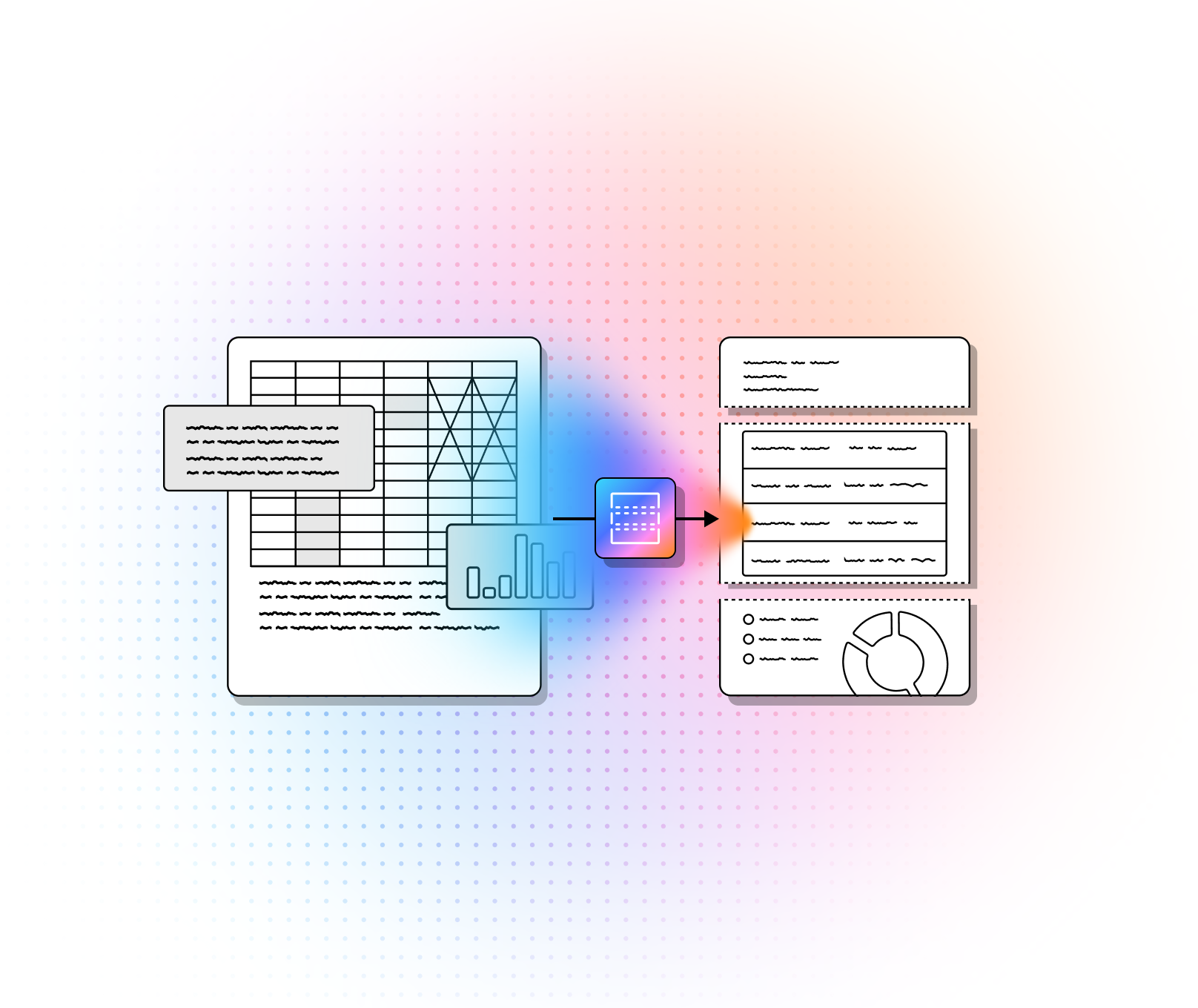
Modern enterprises don’t want flat text files, they need AI-ready data (structured JSON, clean Markdown, and semantic insights) that can power LLMs and autonomous agents. A new category of tools is leading this change, headlined by platforms like LlamaParse, which replace brittle rules with reasoning.
At a glance: Agentic AI vs. Legacy OCR
| Company | Best At | Common Use Cases | APIs / Integration |
|---|---|---|---|
| LlamaParse (LlamaIndex) | Agentic document processing; semantic + multimodal understanding; end-to-end parsing → extraction → indexing → agents | Financial due diligence, manufacturing QA, insurance/healthcare claims | Python + TypeScript SDKs; flexible parsing modes |
| UiPath | RPA-first document understanding + human-in-the-loop | AP automation, KYC compliance | GenAI connectors; strong legacy app integration |
| Hyperscience | Handwriting + complex forms at high throughput | Insurance claims triage, government enrollment | Hybrid cloud deployment; analytics + GenAI features |
| ABBYY | Best-in-class multilingual OCR + image enhancement | Logistics docs, mortgage processing | Cloud integrations; Power Automate; NLP for contracts |
| Azure Document Intelligence | Prebuilt + custom extraction with Azure-native workflow | Receipts/expenses, ID extraction | Azure ecosystem; model composition; Layout API |
| Google Document AI | Industry-specific processors + HITL + GCP integration | Mortgage underwriting, contract management | Enterprise Search; long-context foundation models |
1. LlamaParse (LlamaIndex)
Platform summary
LlamaParse is redefining document processing for the AI era with Agentic Document Processing. Instead of brittle templates, it uses LLMs/VLMs to understand semantic context for robust extraction and workflow automation at enterprise scale. It’s developer-first, enabling teams to build AI agents that reason over complex, unstructured data, turning document chaos into actionable, AI-ready assets.
Key benefits
- Strong accuracy on complex/messy docs (nested tables, charts, handwriting)
- End-to-end platform (parsing, extraction, indexing, orchestration)
- Developer-first SDKs (Python/TypeScript)
- Enterprise security + compliance; flexible deployment (VPC, SOC 2, GDPR, HIPAA)
Core features
- LlamaParse: Multimodal, layout-aware parsing; 90+ formats (images, tables, handwriting)
- LlamaExtract: Schema-driven extraction with confidence scores + citations
- LlamaCloud Index: Chunking + embedding for high-performance RAG/retrieval
- Agentic Workflows: Event-driven orchestration for multi-step, stateful agents
Primary use cases
- Financial due diligence & investment research (contracts, SEC filings, KYC/AML)
- Manufacturing QA & supply chain visibility (specs, compliance docs)
- Insurance claims & healthcare data management (claims, medical records, patient forms)
Recent updates
- LlamaParse API v2: Cleaner config, structured outputs, new SDKs
- LlamaSheets: Advanced Excel parsing
- LlamaAgents Builder: Natural-language agent workflow generation
- n8n integration: Nodes for LlamaParse/Extract/Classify/Sheets
Limitations
- More developer-oriented; steeper learning curve for non-technical users
- GenAI dependency can add latency; prompt tuning often needed
- Requires rethinking legacy pipelines
2. UiPath
Platform summary
UiPath is a leader in RPA that has expanded into document understanding. It combines OCR + ML and integrates well into enterprise automation stacks, especially when you need to push extracted data into legacy systems.
Core features
- Document Understanding framework (rules-based + ML extractors)
- AI Center for model management/retraining
- Action Center for human validation (HITL)
Primary use cases
- Accounts payable automation (invoice extraction → ERP)
- KYC (ID + utility bill verification)
Recent updates
- Enhanced “Autopilot” for natural-language extraction expressions
- Expanded GenAI connectors for summarization and automation
Limitations
- Heavy footprint for simple parsing
- Template/anchor brittleness can appear
- Licensing/cost complexity
Unique selling point
Best-in-class integration with enterprise RPA and legacy software.
3. Hyperscience
Platform summary
Hyperscience is optimized for high-throughput, high-accuracy automation of messy real-world documents, especially handwriting and low-quality scans. Popular in government and insurance.
Core features
- Proprietary ML for handwriting + complex forms
- Automated classification
- Performance analytics for accuracy + automation rates
Primary use cases
- Insurance claims triage (handwritten forms)
- Government benefit enrollment digitization
Recent updates
- Hypercell architecture for hybrid cloud deployment
- Generative AI features for reasoning over extracted data
Limitations
- More forms/structured-doc focused
- Requires meaningful upfront training
- High entry point; best for large orgs
Unique selling point
Leading handwriting accuracy and strong straight-through processing.
4. ABBYY
Platform summary
ABBYY is a long-time OCR leader that evolved into IDP with Vantage and FlexiCapture. Strong multilingual OCR and mature image pre-processing.
Core features
- OCR for 200+ languages
- Vantage Skills marketplace (pre-trained models)
- Image enhancement/cleanup
Primary use cases
- Global logistics (shipping/customs docs)
- Mortgage processing (loan file management)
Recent updates
- Improved NLP for unstructured contracts
- Better cloud-native integrations (Power Automate, Salesforce)
Limitations
- Complex configuration/maintenance
- Deterministic workflows can be rigid
- Pricing can rise with volume + advanced skills
Unique selling point
Gold standard for multilingual OCR + image processing.
5. Azure Document Intelligence
Platform summary
A cloud-native Azure service for extracting structured data, with prebuilt and custom models.
Core features
- Prebuilt models (invoices, receipts, IDs)
- Custom extraction studio
- Layout API for spatial context + tables
Primary use cases
- Expense management (receipt parsing)
- Identity verification (ID extraction)
Recent updates
- Model Composition (combine custom models)
- Improved Read API for dense financial docs
Limitations
- Azure lock-in
- Output can be less semantic by default
- Latency can vary for real-time use
Unique selling point
Deep Azure ecosystem integration + pay-as-you-go accessibility.
6. Google Document AI
Platform summary
A GCP suite for extracting structured data with specialized processors and quality checks, strong for certain industries and GCP-native stacks.
Core features
- Industry processors (lending, procurement, etc.)
- Human-in-the-loop workflows
- Document quality assessment
Primary use cases
- Mortgage underwriting (pay stubs, tax returns)
- Contract lifecycle management (clauses, dates)
Recent updates
- Enterprise Search integrations
- Long-context foundation models
Limitations
- Works best inside GCP (lock-in risk)
- Per-page pricing can get expensive at scale
- Setup requires technical expertise
Unique selling point
Strong out-of-the-box industry processors + GCP search/AI integration.
Conclusion
Document processing is shifting from template-based OCR to agentic, semantically-aware AI platforms. Picking the right tool is a balance of document complexity, integration needs, accuracy requirements, and developer experience.
- Want agentic reasoning + end-to-end AI workflows: LlamaParse
- Want RPA + legacy system automation: UiPath
- Want specialized OCR/IDP maturity: ABBYY, Google Document AI, Azure Document Intelligence
- Want handwriting + form-heavy throughput: Hyperscience
FAQ
What is document processing software?
Document processing software automatically captures, extracts, and interprets data from documents using OCR, AI, and ML. It turns unstructured or semi-structured info (invoices, contracts, forms) into structured data for downstream systems, reducing manual data entry.
Why is it important?
Manual document handling is slow and error-prone. Document processing software can reduce costs, improve accuracy (often targeting very high rates in narrow tasks), accelerate workflows, improve compliance, and free teams for higher-value work.
How do I choose the best provider?
Evaluate:
1. Accuracy on your real documents (run a POC with your samples)
2. Scalability + integrations (ERP/CRM connectivity, API quality)
3. Ease of use + training needs
4. Support + implementation help
5. Deployment/security requirements (cloud, VPC, compliance)
What is agentic document processing vs traditional OCR?
Agentic document processing uses LLMs/VLMs to understand document meaning and structure, not just extract text. Traditional OCR relies more on templates and pattern matching, which can break with layout changes. Agentic systems can reason over context, handle variation, and produce AI-ready outputs for downstream agents and RAG.
Can these tools handle handwriting or complex layouts?
Some can. Hyperscience is strong on handwriting. LlamaParse and ABBYY offer multimodal/layout-aware parsing. Results depend on input quality and the tool’s strengths, test with your documents.
How do agentic platforms support LLM/RAG workflows?
They output structured, AI-ready data (JSON/Markdown with metadata/citations) suitable for RAG, semantic search, and autonomous agent workflows, typically via SDKs/APIs and connectors.